

When it gets cold, you worry about your pet’s comfort. The good news is that keeping them warm and safe is easy. With the right steps, your pet will stay happy and healthy all winter.
Successful seasonal protection involves three key things. First, cozy beds that keep them warm. Second, heated mats for extra warmth. And third, rain gear for outdoor fun. Each item is vital for comfort in cold weather.
Whether your pet is small or has health issues, this guide has you covered. I’ll show you how to pick the best winter essentials for your pet. You’ll find affordable solutions that keep your pet’s comfort first.
Key Takeaways
- Three essential components protect animals during cold months: insulated sleeping areas, heated surfaces, and weatherproof clothing
- Short-haired breeds and senior animals need extra protection from dropping temperatures
- Quality sleeping surfaces help retain body heat and prevent joint discomfort in cold conditions
- Heated resting surfaces provide therapeutic benefits for older animals with arthritis
- Protective outerwear keeps fur dry during outdoor activities in wet conditions
- Proper seasonal preparation prevents health issues and maintains comfort throughout colder months
How Do I Winter-Proof My Pet? Your Quick-Start Answer
Here’s a simple plan to make your pet safe and warm during winter. It covers both indoor comfort and outdoor safety. The key is to focus on three main areas to keep your pet healthy and cozy.
First, get insulated, plush bedding that keeps body heat in. Choose pet beds with deep cushioning to create a warm space. This is where your pet spends a lot of time, so it’s very important.
Second, use raised or padded sleeping surfaces to avoid cold floors. Cold floors can take away your pet’s warmth, which is bad for them. Elevating their bed helps keep their body warm.
Third, give your pet the right rain gear for outdoor fun. Weatherproof jackets, boots, and balms protect them from the elements. This is the final step to keep your pet safe outside.
“Many pet owners think their pet’s fur is enough. But short-haired and senior pets need extra warmth to stay healthy in winter.”
This approach works because it’s tailored to your pet’s needs. Different pets need different levels of protection, depending on their breed, age, and health.
Consider your pet’s breed, coat, and health when deciding how to protect them. Some pets need more help than others.
Also, keep your home warm and draft-free. Place your pet’s bed in a cozy spot away from cold spots. Make sure your home stays warm, even at night.
Watch for signs your pet is too cold. Look for shivering, lethargy, or always seeking warmth. These signs mean you need to make some changes.
With the right bedding, surfaces, and gear, winter can be a safe and cozy time for your pet. It’s not just about keeping them warm. It’s also about preventing health problems like hypothermia and joint issues.
The next sections will give you more details on each part of the plan. You’ll learn how to pick the best materials and features for your pet. You’ll also find out how to create a complete protection system.
Understanding Why Cold Weather Affects Your Pet Differently
Not every furry friend handles cold weather the same way. That’s why personalized winter care is key. Your Chihuahua and your neighbor’s Husky will have different needs when it gets chilly. Knowing what makes your pet more or less cold-sensitive helps you pick the right gear.
Several factors affect how well your pet handles winter. These include their age, breed, and coat type. By understanding where your pet falls on the cold-sensitivity spectrum, you can create a winter-proofing plan that works.
Age Makes All the Difference: Puppies, Kittens, and Senior Pets
Young animals face unique challenges in cold weather. Puppies and kittens haven’t fully developed their thermoregulation systems. This means their bodies struggle to keep a consistent internal temperature.
Eight-week-old kittens can get cold in rooms that adult cats find fine. Their metabolism isn’t mature enough to generate enough body heat.
Senior pets face the opposite problem with similar results. As dogs and cats age, their circulation often gets worse. Many older pets develop arthritis, and their metabolic rates slow down.
These factors make cold weather hard on aging animals. A twelve-year-old Labrador might need a warm bed and protective gear, even though younger Labs can handle cold well. Their aging bodies can’t generate or retain heat like they used to.
“Geriatric pets have less efficient circulation and reduced muscle mass, making them significantly more vulnerable to hypothermia than their younger counterparts.”
Both very young and very old pets need extra winter protection. Heated beds, warm mats, and protective clothing become essential for them.
Breed-Specific Cold Tolerance Levels
Breed heritage plays a huge role in cold weather resilience. Dogs and cats from cold climates have natural advantages that tropical or temperate breeds lack.
Cold-hardy dog breeds include Siberian Huskies, Alaskan Malamutes, Saint Bernards, and Newfoundlands. These animals were bred to work in freezing conditions. They produce more heat and conserve it well.
Among cats, Norwegian Forest Cats, Maine Coons, and Siberian cats excel in winter. They evolved in harsh northern climates where survival depended on cold tolerance.
On the flip side, some breeds are extremely cold-sensitive. Greyhounds have almost no body fat and thin coats, making them vulnerable even in mild winters. Chihuahuas, being tiny and from warm Mexico, lack the body mass and coat density for cold weather.
Hairless breeds present the most extreme cases. Sphynx cats and Chinese Crested dogs have virtually no natural insulation. They need heated environments and protective clothing whenever temperatures drop below 70°F.
Here’s a quick comparison of cold tolerance across different breeds:
- High cold tolerance: Huskies, Malamutes, Norwegian Forest Cats, Maine Coons
- Moderate cold tolerance: Golden Retrievers, German Shepherds, domestic shorthair cats
- Low cold tolerance: Greyhounds, Whippets, Chihuahuas, most toy breeds
- Minimal cold tolerance: Sphynx cats, Chinese Crested dogs, Italian Greyhounds
Understanding your pet’s breed background helps you anticipate their winter needs. A Husky might be perfectly happy sleeping in an unheated garage, while a Greyhound would suffer in the same conditions.
Coat Type and Natural Insulation Factors
The structure of your pet’s fur coat dramatically affects their ability to stay warm. Not all coats provide equal insulation, and understanding these differences is key for winter planning.
Double-coated breeds have a big advantage in cold weather. They have two fur layers: a soft, dense undercoat and a longer outer coat. The undercoat traps air close to the body, creating an insulating layer that retains heat well.
German Shepherds, Golden Retrievers, and Pomeranians all have double coats. Persian cats and Ragdolls enjoy the same natural protection. This keeps them comfortable in temperatures that would chill single-coated pets.
Single-coated breeds lack that protective undercoat layer. Poodles, Yorkshire Terriers, and most terrier breeds have only one layer of fur. While their coats might look thick, they don’t provide the same heat-trapping benefits as double coats.
Short-haired pets face even greater challenges. Boxers, Boston Terriers, and Siamese cats have minimal fur coverage. Their coats offer little protection against wind or cold temperatures.
The length and density of fur also matter a lot. A thick, flowing coat provides more coverage and warmth than sparse, thin fur. This is why a fluffy Persian cat handles winter better than a sleek Oriental Shorthair, even though both are domesticated cats.
If your pet has a single coat, short hair, or minimal fur coverage, they’ll need supplemental warmth sources during winter. Quality bedding, warm mats, and outdoor gear become necessary investments. These tools compensate for what nature didn’t provide, ensuring your companion stays comfortable regardless of their genetic limitations.
The Power of Insulated and Plush Bedding for Body Heat Retention
Keeping pets warm in winter is simple. It starts with the right bed that keeps body heat in. Many pet owners struggle with cold pets, even with the heat on high. The key is pet winter bedding solutions that trap warmth, not let it escape.
Quality winter bedding acts like a personal heater for your pet. It uses their body heat. This is vital on cold nights when pets need warmth to sleep well.
Capturing Warmth Through Smart Design
Pet beds work like insulated rooms. They keep warm air in, stopping it from escaping. This is because they have air pockets that block heat.
Memory foam and orthopedic fill are great for this. They mold to your pet’s body, keeping air spaces for insulation. These materials get softer with heat, fitting snugly and saving heat.
Thermal fabrics reflect body heat back to your pet. Unlike regular bedding, insulated designs create a microclimate that keeps temperatures steady. This is great for small pets, seniors, and thin-coated breeds.
Material Matters: Choosing Superior Fabrics
Not all fabrics are equal in winter. Cotton and thin polyester are okay for summer but not winter. Look for plush materials that trap warm air.
Faux fur, sherpa, and plush fleece are top choices. They have long fibers that keep warm air better than flat materials. Their texture adds to the insulation, like your home’s walls.
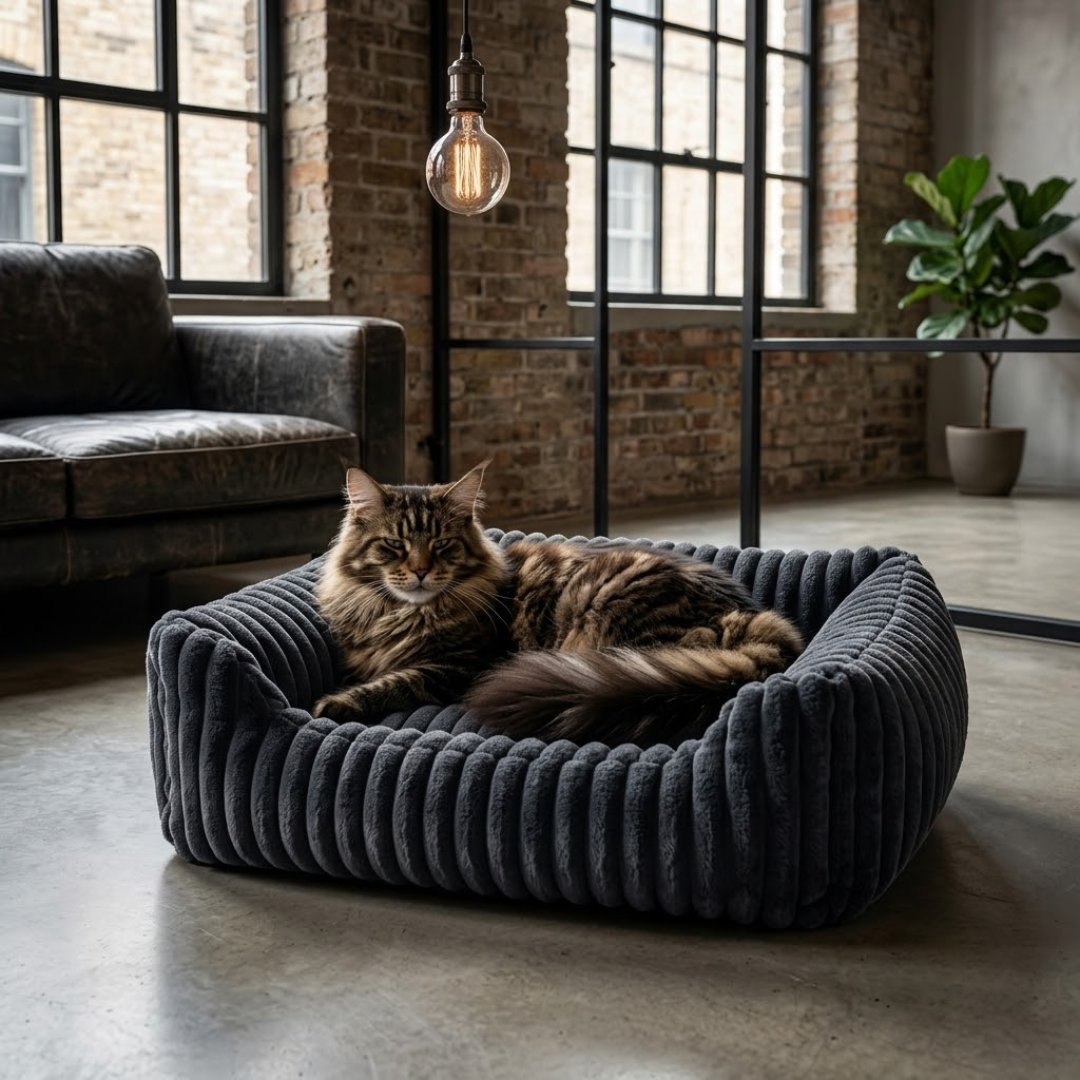
The Plush Ribbed Calming Pet Bed is a great example. Its design traps heat well. The raised edges also protect from drafts, making a warm nest for your pet.
This design is effective for winter. The ribbed texture increases surface area without bulk. More fabric means more air pockets, keeping heat in. It also helps anxious pets relax during winter.
The Foundation of Comfort and Warmth
Deep-fill cushioning does more than just support joints. It also acts as a critical insulating barrier against cold floors. Even carpeted floors can lose body heat, which is a problem in older homes or rooms above unheated basements.
Look for beds with three to four inches of quality fill. This thickness keeps your pet away from cold floors. The cushioning compresses under their weight but keeps enough loft for insulation.
Premium fills like shredded memory foam or polyfill blends are best. They support evenly and keep warmth steady. This is important for comfort and insulation.
Here’s a comparison of common bedding materials:
| Material Type | Heat Retention | Comfort Level | Durability |
|---|---|---|---|
| Thin Polyester | Low – allows heat escape | Minimal cushioning | Wears quickly |
| Standard Cotton | Moderate – some retention | Decent but compresses | Good with care |
| Plush Sherpa/Fleece | High – traps warm air | Soft and cozy | Excellent longevity |
| Memory Foam with Plush Cover | Very High – optimal insulation | Superior joint support | Long-lasting investment |
Combining plush fabrics with deep-fill cushioning makes the best pet winter bedding solution. Your pet gets a cozy, warm space that protects them from cold.
Investing in quality bedding is worth it all winter. Your pet will sleep better, be less cold, and be happier.
Why Raised and Padded Sleeping Surfaces Matter on Cold Floors
Winter’s sneakiest hazard isn’t always what you see. It’s the cold floor your pet lies on for hours. While you might use cozy blankets and plush beds, the floor can steal away all that warmth. Cold floors work against every comfort measure you provide.
The difference between a bed on a cold floor and one elevated is huge. Your pet deserves a bed that doesn’t fight against their body heat all night.
The Hidden Danger of Cold Floor Contact
Cold floors cause conductive heat loss, where warmth transfers from your pet’s body to the cold floor. Tile, hardwood, laminate, and even carpeted floors get surprisingly cold in winter. This is true in basements or homes with poor insulation.
I’ve seen pets shivering even with thick bedding because the cold floor acts like a heat sink. The cold drains warmth faster than their body can make it. This isn’t just uncomfortable—it can cause real health problems.
Older pets and those with arthritis suffer the most. The cold goes into their joints, causing stiffness and pain. Muscle tension develops as their body tries to stay warm.
Even young, healthy pets feel the cold floor’s effects. They may wake up a lot, change positions often, or avoid their bed. Thermal pet blankets and pads help, but elevation is better.
Elevation Benefits for Circulation and Joint Health
Raised beds create an insulating air gap between your pet and the cold floor. This simple space makes a big difference in keeping warm. Air acts as a natural insulator in this pocket.
The benefits go beyond just warmth. Elevated sleeping surfaces promote better air circulation around your pet’s body. This prevents moisture buildup and keeps the sleeping area fresher and more comfortable.
I always recommend raised beds for senior pets because of the orthopedic benefits. Getting in and out of an elevated bed puts less strain on aging joints. The height reduces the effort needed to stand up after rest.
Improved circulation is another major advantage. When your pet isn’t fighting constant cold from below, their blood flows more freely. This helps deliver oxygen and nutrients to muscles and joints more efficiently.
For pets with arthritis or hip dysplasia, proper elevation with orthopedic cushioning provides relief they can feel immediately. The combination supports healthy joint function while preventing stiffness caused by cold floors.
Choosing the Right Base for Your Pet’s Bed
The foundation of your pet’s bed matters just as much as the cushioning on top. I look for beds with sturdy, elevated frames that keep the sleeping surface at least 3-4 inches off the floor. This height creates optimal insulation while remaining easy to access.
Consider these essential features when selecting a base:
- Thick foam bases that provide both elevation and cushioning in one design
- Wooden or plastic frames with mesh or fabric stretched across for breathability
- Non-slip feet that keep the bed stable on smooth floors
- Weight capacity appropriate for your pet’s size to prevent sagging
For maximum winter protection, I combine elevated frames with thermal pet blankets and pads. This layered approach creates multiple barriers against the cold. The elevation handles the bulk of insulation while the thermal materials add extra warmth.
Some beds feature built-in heated bases, but these aren’t necessary for most pets. A quality elevated bed with proper padding usually provides sufficient warmth. Save the heated options for extremely cold climates or pets with medical conditions.
Don’t forget about portability if you move the bed between rooms. Lightweight frames with easy assembly make it simple to provide warm sleeping surfaces throughout your home. Your pet can enjoy consistent comfort no matter where they rest.
The investment in a properly elevated bed pays off through better sleep quality and improved joint health. I’ve watched countless pets become more active and comfortable simply by getting them off cold floors. This small change delivers big results for winter comfort and long-term wellness.
Complete Winter-Proofing Your Pet Cozy Beds Warm Mats and Rain Gear Strategy
When it gets cold, keeping your pet warm is more than just a cozy bed. It’s about a whole plan. You need to pick each piece carefully and know how they work together. It’s like building layers of comfort and safety for your pet against winter’s cold.
Each part of the plan tackles a different part of cold weather protection. Your pet needs a safe, warm place both inside and outside.
Essential Features in Winter Pet Beds
Not all pet beds are good for winter. Look for special features that keep pets warm and comfy in the cold.
The best heated pet beds have important features. Machine-washable covers are key because winter means more time inside and accidents. Pets bring in moisture, mud, and snow, so easy cleaning is a must.
Here’s what you can’t skip in winter bedding:
- Waterproof liners protect the inner cushioning from moisture
- Non-slip bottoms keep beds stable on hardwood or tile floors
- Raised edges create a secure nest and block drafts
- Size-appropriate dimensions allow pets to curl up and keep warm
- Durable construction withstands frequent use all season
Quality matters more in winter than any other time. Pets spend more time in their beds, so durability is a smart choice.
Warm Mat Options for Indoor Comfort
Heated pet mats for cold weather come in many types, each for different needs. Knowing your options helps pick the safest and most effective one for your home.
Electric heated mats provide steady warmth and are good for pets with arthritis or recovering from illness. But, they need careful watching and should turn off automatically. Use them only when you’re home to watch.
Self-warming mats are a safer choice. They reflect your pet’s body heat back to them without electricity. They work well for most healthy pets and are safe.
Thermal mats with insulated cores are another great option. They trap warmth between layers of special fabric, creating a cozy surface without power cords or complicated setup.
Some pet owners repurpose seasonal items. For example, the Bamboo Rattan Cooling Pet Mat – Grey Cat Print can be layered with warm fleece blankets in winter. This gives a firm base while the blanket adds needed warmth.
| Mat Type | Best For | Safety Level | Temperature Control |
|---|---|---|---|
| Electric Heated | Senior pets, medical needs | Requires supervision | Adjustable settings |
| Self-Warming | Healthy adult pets | Completely safe | Body heat reflection |
| Thermal Insulated | All pet types | Very safe | Passive insulation |
| Layered Solutions | Multi-season use | Safe with proper materials | Customizable warmth |
Rain Gear That Keeps Pets Dry and Happy
Winter weather often means wet conditions, making good rain gear key. Keeping pets dry prevents many comfort and health issues.
Waterproof coats should fit well without limiting movement. Look for designs that cover the back and chest while allowing full leg motion. Adjustable straps ensure a secure fit as your pet moves.
Paw protection is also important. Boots, protective wax, and healing balms shield sensitive paw pads from cold, wet surfaces and harsh de-icing chemicals. Many pets resist boots at first, but gradual introduction usually works.
Don’t forget reflective elements in rain gear. Winter days are shorter, and visibility is key for safety during evening walks. Reflective strips or LED attachments make your pet visible to drivers.
Quality rain gear should dry quickly between uses. Always check that materials are breathable to prevent overheating, even in cold weather.
Combining All Three for Maximum Protection
The magic happens when you mix all three elements into a complete winter care system. Imagine a fully winter-proofed home with everything your pet needs in easy-to-reach spots.
Start by placing cozy heated pet beds in your pet’s favorite spots, away from drafts and cold windows. Add warm mats near doorways for a smooth transition from cold outside to warm inside. Keep rain gear organized by the door for quick access before walks.
This layered approach creates multiple comfort zones in your home. Your pet can choose their favorite spot while staying warm and safe. The system adapts to different temperatures and activity levels.
I suggest a simple routine: check bedding cleanliness weekly, inspect rain gear for damage after wet walks, and rotate mat positions to prevent wear patterns. This keeps everything working well.
Remember, winter protection isn’t about the most expensive gear—it’s about the right mix of products that keep your pet safe, warm, and comfy all winter.
By using this complete strategy for winter-proofing your pet’s cozy beds, warm mats, and rain gear, you create a place where your pet can thrive, even in tough weather. The right equipment is an investment in your pet’s health, happiness, and your peace of mind.
Protecting Your Pet on Wet and Cold Walks
When it gets cold and rainy, your pet needs more than just excitement for walks. The right gear makes these outings fun and safe. It keeps them warm, dry, and protected during winter.
Winter walks need careful planning, not just shorter times. Cold winds can quickly get through thin coats. Wet weather adds extra challenges that regular collars and leashes can’t handle.
I suggest creating a full protection system for your pet. This covers them from head to paw. It ensures they stay comfortable, no matter the weather. Investing in good gear is worth it for your pet’s health and happiness.
Essential Features in Quality Winter Coats
Choosing between waterproof dog rain jackets and insulated winter coats depends on your local weather. Knowing the difference saves money and improves protection. Rain jackets keep pets dry in wet conditions, while winter coats keep them warm in extreme cold.
The WeatherBeeta ComFiTec line offers great insulation with fits that don’t restrict movement. These coats keep your active dog warm without feeling trapped. They’re perfect for playtime or walks.
Brands like Hurtta offer adjustable coats like the Expedition Parka and Mudventure. These designs fit dogs of all shapes. They stay secure during activity thanks to multiple adjustment points.
When picking dog raincoats and boots, look for practical features. Buckle closures are easier to use than metal hooks, even with cold hands. This makes your morning routine simpler.
Leash compatibility is key. Coats that work with harnesses are best. The Non-Stop Dogwear Glacier Jacket has covered leash portals to keep water out.
The Goldpaw RainPaw uses stretchy material that fits different body shapes. It works well on dogs who don’t like traditional coats. The fabric moves with your pet’s gait.
High-quality materials make a big difference. They ensure your gear lasts for years, not just one season.
Rukka coats are built to last with tough materials. They should cover the belly and rear well. Insufficient coverage defeats the purpose of winter gear.
Fleece or mesh linings add comfort against your pet’s skin. They wick moisture and feel soft. Ruffwear options often include these details for better wearability.
| Coat Feature | Why It Matters | Best For | Example Brands |
|---|---|---|---|
| Insulated lining | Traps body heat in extreme cold | Temperatures below 32°F | WeatherBeeta, Hurtta Expedition |
| Waterproof shell | Keeps pet dry in rain and snow | Wet climates, rainy days | Goldpaw RainPaw, Rukka |
| Adjustable straps | Creates custom fit, prevents slipping | Active dogs, unusual body shapes | Hurtta Mudventure, Ruffwear |
| Harness opening | Allows leash attachment without removing coat | Dogs who use harnesses | Non-Stop Glacier, most modern designs |
Breathability is key to prevent overheating during walks. I balance waterproofing with ventilation to avoid moisture buildup. Your dog should stay dry from rain and sweat.
Comprehensive Paw Care for Winter Conditions
Paw protection is as important as body coverage in winter gear. Ice, salt, and cold pavement harm sensitive paw pads quickly. I’ve seen many cracked pads that proper protection could have prevented.
Dog boots offer the best protection if your pet will wear them. Quality boots have non-slip soles for icy surfaces. Secure closures keep boots on during walks.
I introduce boots slowly with positive reinforcement. Many dogs resist this new sensation at first. Patience and treats usually help them get used to it in a few days.
For dogs who won’t wear boots, paw wax is a good alternative. These barriers protect pads before walks. They shield against salt, ice, and cold surfaces effectively.
I apply paw wax generously between toe pads and across the entire pad surface. Reapplication may be needed for longer walks. This works well for dogs with thick fur between their toes.
Prevention is cheaper than treating injured paws, both financially and in terms of your pet’s comfort.
Healing balms help repair damage after it happens. I keep these products ready, even with preventive measures. Regular application keeps pads healthy all winter.
Check paws right after winter walks for ice balls between toes. These frozen lumps cause a lot of pain. Gentle removal prevents limping and irritation.
Visibility Solutions for Low-Light Safety
Winter walks often happen when it’s dark. I prioritize reflective gear for safety. It makes your pet visible to drivers.
Reflective coats provide warmth and visibility at the same time. They have reflective strips that catch light from all angles. I look for designs that offer 360-degree visibility.
Reflective collars and leashes add to coat visibility. They ensure your pet is seen, even without their jacket. Layered visibility approaches are the safest.
LED collar lights provide active illumination. They create constant visibility. I use these during early morning walks in my neighborhood.
Reflective booties add visibility at ground level. Moving reflective elements catch attention better than static ones. Your dog’s walking motion creates eye-catching patterns.
I’ve learned that combining multiple reflective elements is safest. Over-preparing for visibility never causes problems. Not enough lighting, on the other hand, can be dangerous.
Test your pet’s visibility by having someone observe from a distance with car headlights. This practical test reveals gaps in your reflective strategy. You can make adjustments during this simple exercise.
Indoor Winter Comfort: Beyond Just Bedding
Winter pet care is more than just the right bedding. The environment around your pet’s bed is key. Temperature, air quality, and placement all add to comfort in cold months.
Think of your pet’s winter setup as a complete system. Addressing all environmental factors keeps your furry friend healthy and happy. Let’s explore the elements that make your home a winter sanctuary.
Finding the Perfect Spot Away from Cold Air Currents
Start by finding where cold air gets into your home. Windows, exterior doors, and wall vents are the main culprits of drafts. Even small leaks can drop the temperature around your pet’s bed.
Put your pet’s bed at least three feet away from exterior walls and windows. Use your hand to feel for cold air before placing the bed. You might find drafts in unexpected places.
Floor level is usually the coldest in your home. Elevate sleeping areas or choose interior rooms for steadier temperatures. This is important for your pet’s comfort.
Hallways and spaces near exterior doors have the most temperature changes. Look for quiet corners in bedrooms, home offices, or living rooms. Creating dedicated warm spots away from household traffic helps pets feel secure and comfortable.
Check for drafts from unexpected places like electrical outlets or baseboards. Simple draft stoppers and weather stripping can help keep warmth around your pet’s bed.
Maintaining Healthy Moisture Levels Indoors
Winter heating systems can dry out your home. Forced air heat drops humidity levels below 30%. This dry air affects your pet’s skin, coat, and comfort.
Pets can get itchy, flaky skin and brittle coats when humidity is too low. They might even get cracked paw pads. Keeping humidity between 30-50% protects your pet’s skin and respiratory system.
Maintaining humidity between 30-50% protects your pet’s skin and respiratory system. Use a hygrometer to monitor moisture levels. These devices help you understand your home’s humidity.
Consider these humidity solutions:
- Run a cool-mist humidifier in rooms where pets sleep and rest
- Place water bowls in multiple locations to encourage hydration
- Add houseplants that naturally release moisture into the air
- Avoid over-bathing pets during winter months, which strips protective oils
- Keep fresh water available at all times to prevent dehydration
Adjust your pet’s bathing schedule during winter. Bathing every 4-6 weeks helps maintain natural oils. Use a moisturizing conditioner for pets when baths are necessary.
Setting Up Multiple Comfort Areas
Your pet doesn’t stay in one spot all day. They need multiple cozy areas. I create several comfort stations throughout my home.
Multiple sleeping zones accommodate natural behavior patterns. Cats like choices, such as a sunny window perch, a quiet bedroom spot, and a family room location. This lets them rest comfortably based on their mood and the time of day.
Here’s how I distribute comfort zones effectively:
- Place the primary sleeping bed in the quietest, warmest room for nighttime rest
- Add a daytime lounging spot near family activity areas for social pets
- Create a sunny retreat near south-facing windows for natural warmth
- Include a backup location away from children’s play areas for stress-free napping
I keep extra blankets near each station for pets to burrow and nest. This lets them manage their body temperature naturally. Some days they want to burrow, other days they prefer lying on top of blankets.
For cold homes, heated pet beds offer warmth without raising your home’s temperature. Place these in areas your pets frequent most during winter evenings. The gentle warmth helps senior pets with arthritis find relief from joint stiffness.
Consistency matters when it comes to indoor temperature. Avoid dramatic thermostat changes between day and night. Pets adapt better to steady conditions than to fluctuating temperatures that stress their systems.
Think about adding soft rugs or carpet runners in areas where your pet travels frequently. These provide insulation from cold floors during trips to water bowls or favorite windows. Small touches like this complete the winter comfort picture throughout your entire home.
Recognizing and Preventing Cold-Weather Health Issues
Even with the best bedding and gear, it’s important to know the health warning signs in cold weather. Your efforts to winter-proof your pet are key, but knowing when something’s wrong is critical. Some health issues can develop quickly, while others take time to show up.
Let’s talk about the serious side of pet health in cold weather. Most cold-weather health issues can be prevented if you know what to look for. Here are the critical signs that need your immediate attention.
Warning Signs Your Pet Needs Help
Hypothermia is a dangerous cold-weather emergency for pets. It happens when your pet’s body temperature drops too low. Small breeds, puppies, kittens, elderly pets, and short-haired animals are at the highest risk.
Watch for these early hypothermia warning signs:
- Shivering or trembling that doesn’t stop
- Lethargy and unusual tiredness
- Weakness in the legs or stumbling
- Shallow or slow breathing patterns
- Dilated pupils that don’t respond to light
- Cold ears and paw pads to the touch
In severe cases, you might notice stiff muscles and a decreased heart rate. These symptoms require immediate veterinary care. Hypothermia can become life-threatening within minutes, so don’t wait to see if symptoms improve on their own.
If you suspect mild hypothermia, bring your pet inside immediately. Wrap them in warm blankets and place warm water bottles against their body. Never use direct heat sources like heating pads on high settings, as this can cause burns.
Skin and Paw Problems Winter Brings
Winter dry skin and cracked paw pads affect nearly every pet exposed to cold weather. The cold air outside and dry heat indoors strip moisture from your pet’s skin. Road salt and de-icing chemicals make the problem worse by irritating sensitive paw pads.
I want you to check for these common winter skin issues:
- Flaking or dandruff on the coat
- Excessive scratching or licking
- Red, irritated skin patches
- Visible cracks in paw pads
- Limping or favoring certain paws
- Bleeding from deep cracks
Prevention starts with regular paw inspections after every walk. I recommend applying pet-safe paw balm before and after outdoor time. This creates a protective barrier against salt and chemicals.
Wipe your pet’s paws thoroughly after each walk to remove ice melt products. These chemicals burn sensitive skin and can poison your pet if they lick their paws. Consider switching to pet-safe ice melt products around your home.
Adding omega fatty acids to your pet’s diet supports skin health from the inside out. Talk to your veterinarian about appropriate supplements for your pet’s size and age. Many pets show improvement within a few weeks of starting omega-3 supplements.
Temperature Guidelines for Safe Outdoor Time
Knowing when to limit outdoor time protects your pet from dangerous exposure. Temperature alone doesn’t tell the whole story—wind chill makes conditions feel much colder. I use specific guidelines based on pet size and coat type.
For small dogs or those with thin coats: Limit outdoor time when temperatures drop below 45°F. These pets lose body heat rapidly and need short, frequent bathroom breaks instead of long walks.
For medium-sized dogs with average coats: Monitor your pet closely when temperatures fall below 32°F. Watch for shivering or lifted paws as signs they need to come inside.
For large, cold-tolerant breeds: Even hardy dogs face risks when temperatures drop below 20°F. Huskies, Malamutes, and Saint Bernards handle cold better than most, but they also need monitoring.
| Health Issue | Primary Symptoms | Prevention Methods | When to See Vet |
|---|---|---|---|
| Hypothermia | Shivering, weakness, shallow breathing, lethargy | Limit outdoor time, use protective clothing, monitor temperature | Immediately if symptoms appear |
| Cracked Paw Pads | Visible cracks, limping, bleeding, excessive licking | Apply paw balm, use booties, avoid salt-treated areas | If cracks bleed or cause severe limping |
| Dry Skin | Flaking, scratching, red patches, dandruff | Use humidifier, add omega fatty acids, reduce bath frequency | If skin becomes infected or hair loss occurs |
| Frostbite | Pale or gray skin on ears, tail, paws; pain when touched | Protect extremities, limit exposure, use warm gear | Immediately—frostbite causes permanent damage |
Wind chill dramatically increases danger levels. A 32°F day with strong winds feels much colder than a calm 20°F day. Check weather apps for wind chill readings before heading outside.
Cats should stay indoors during winter months. Their smaller size and independent nature put them at serious risk. Even cats who normally go outdoors need to become indoor-only pets when temperatures drop.
No outdoor fun is worth risking your pet’s health. When in doubt, cut the walk short and head home.
I recommend adjusting your routine during extreme cold. Multiple short bathroom breaks work better than one long walk. Your pet gets necessary relief without dangerous exposure to cold weather.
Pay attention to your individual pet’s signals. Some dogs tolerate cold better than others, even within the same breed. If your pet seems reluctant to go outside or tries to turn back quickly, respect those instincts.
Senior pets and those with health conditions need extra protection. Arthritis worsens in cold weather, and heart conditions become more dangerous. Discuss winter precautions with your veterinarian if your pet has chronic health issues.
Remember that puppies and kittens haven’t developed full temperature regulation abilities yet. They need significantly more protection than adult pets. Never leave young animals outside unsupervised during winter.
Your Simple Winter Pet Care Checklist
Winter prep doesn’t have to be hard. I’ve made simple checklists for your pet’s winter needs. Print them, stick them up, and mark off items as you do them.
These lists have everything your pet needs to stay cozy and safe all winter. Whether your pet loves going outside or prefers staying inside, I’ve got you covered.
Essential Winter Tasks for Dog Owners
Dogs need extra care in winter, more so if they go outside. Here’s a detailed checklist to keep your dog safe and warm:
- Invest in a quality insulated bed with a washable cover positioned away from drafts
- Purchase an appropriately-sized winter coat and waterproof raincoat for walks
- Stock up on paw protection including boots, protective wax, or healing balm
- Add reflective collar or leash for safer walks during dark winter evenings
- Keep outdoor time brief when temperatures drop below 20°F or wind chill is severe
- Wipe paws thoroughly after every walk to remove salt, ice, and chemicals
- Maintain consistent indoor temperature between 68-72°F throughout your home
- Ensure fresh, unfrozen water access at all times, both indoors and out
- Increase calorie intake by 10-15% if your dog spends significant time outdoors
- Schedule a pre-winter vet check for senior dogs or those with health conditions
- Check between toe pads regularly for ice buildup or irritation from sidewalk salt
Review this list at winter’s start to ensure you’re ready. Don’t wait for the first snow to find out you’re missing something.
Must-Have Winter Items for Cat Owners
Cats need different care in winter, mainly because they stay inside. Here’s what I suggest for your cat’s comfort:
- Provide multiple warm sleeping areas throughout your home with plush bedding
- Keep cats indoors during winter months to prevent frostbite and hypothermia
- Check garage and car engines before starting—outdoor cats often seek warmth there
- Increase indoor playtime to compensate for reduced outdoor activity and exploration
- Monitor litter box location as some cats avoid cold basement or garage boxes
- Brush regularly to distribute natural oils and prevent dry, flaky skin
- Maintain humidity levels between 30-50% to protect skin and respiratory health
- Provide sunny window perches where your cat can bask in warm natural light
- Consider puzzle feeders to prevent boredom-related weight gain during inactive months
- Keep fresh water available in multiple locations to encourage adequate hydration
Even indoor cats feel winter’s chill through drafts. Creating cozy spots helps them stay warm when it’s cold outside.
Weekly Health Inspection Routine
Set aside time each week for a quick health check. This helps catch problems early.
Examine paws carefully for cracks, cuts, or ice buildup between toes. Winter surfaces can damage sensitive paw pads quickly. Look for redness or signs your pet is licking excessively.
Check skin condition by parting the fur in several spots. Watch for dryness, flaking, or irritation caused by indoor heating. If you notice dandruff or excessive scratching, humidity levels may need adjustment.
Monitor weight weekly as winter inactivity can lead to unwanted pounds. Run your hands along your pet’s sides—you should feel ribs easily without seeing them prominently. Extra weight puts stress on joints in cold weather.
Watch for behavior changes that might indicate discomfort. Is your pet reluctant to go outside? Are they sleeping more than usual? Limping after walks? These signs deserve attention.
Ensure adequate water intake throughout the day. Pets often drink less in winter, which can lead to dehydration. Count how many times you refill the water bowl to track consumption patterns.
These simple weekly checks take just five minutes but give you valuable information about your pet’s winter wellness. I find it helpful to do these inspections on the same day each week so it becomes an automatic habit.
Shop Winter Essentials for Your Pet
Ready to keep your furry friend warm? I’ve picked out the best items for you. These products work together to keep your pet safe from the cold.
Keeping your pet warm, dry, and comfortable through the colder months doesn’t have to be complicated. Here are a few essentials from the PetzVibes shop that cover the basics — cozy beds, warm resting spots, and gear to keep them dry on wet walks.
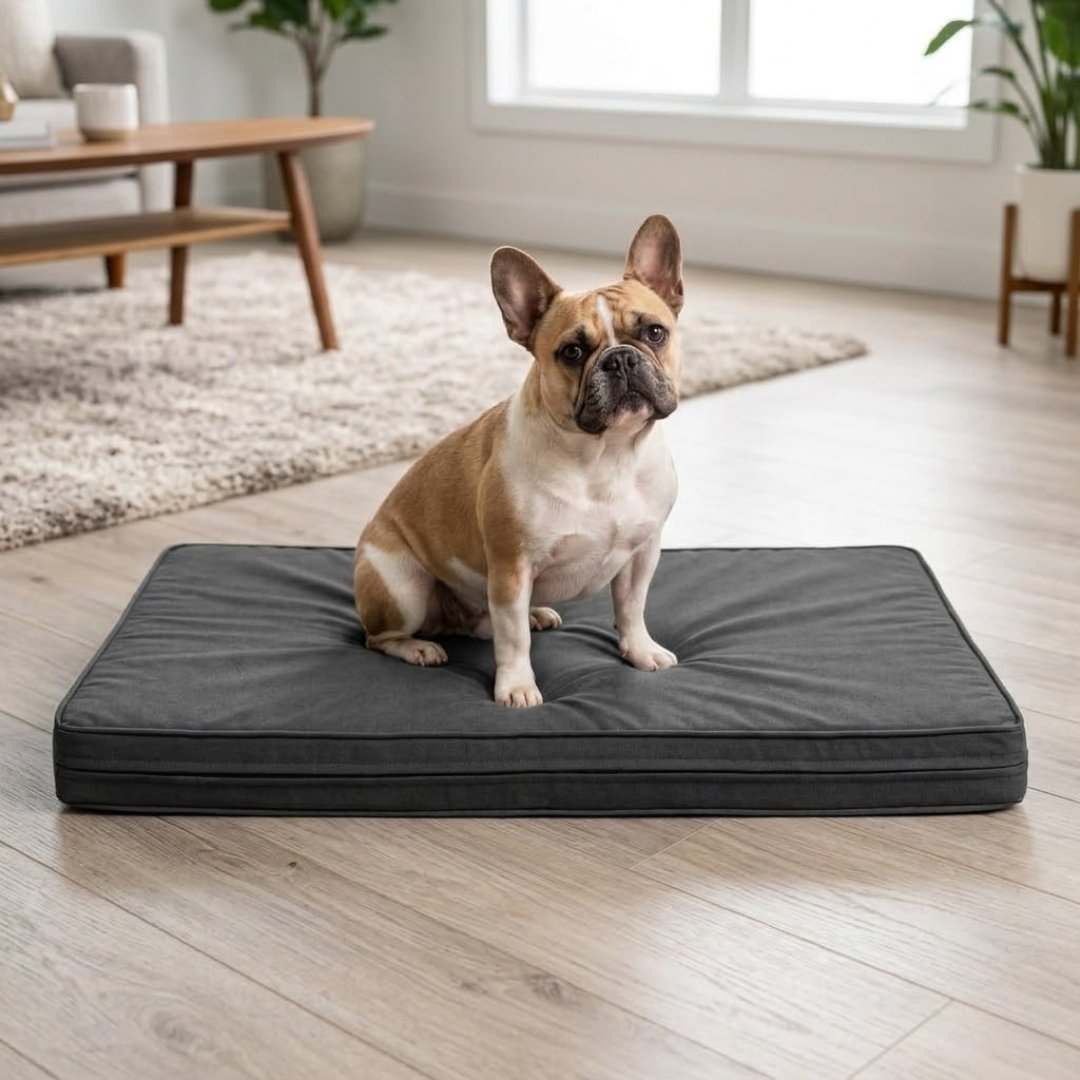
Orthopedic Dog Bed from Egg-Crate Foam with Removable Washable Cover
A supportive foam base that cushions joints on cold floors — great for crate, living room, or travel use during winter.
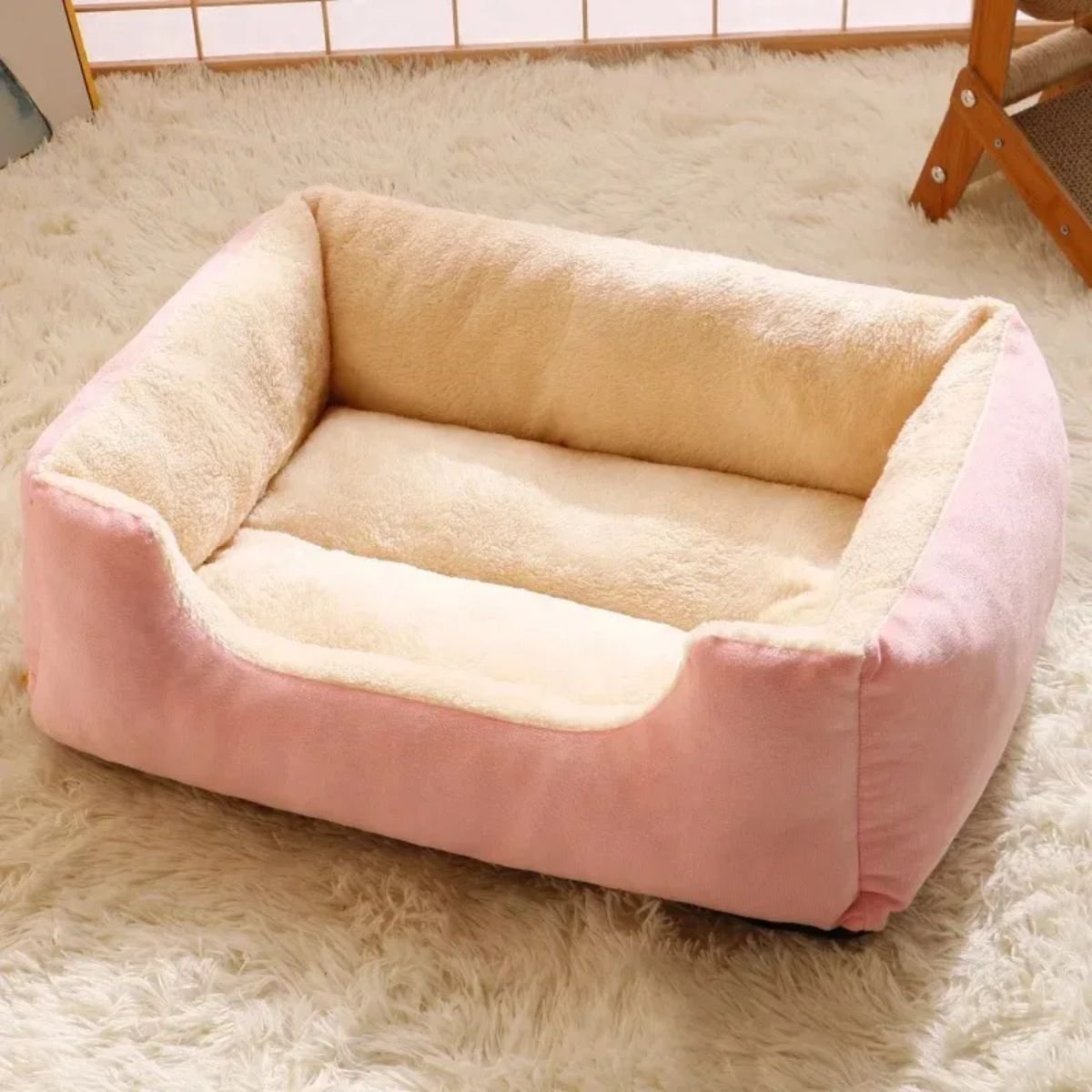
Orthopedic Cat Bed – Plush Washable Pet Bed with Bolster
Raised bolster edges give cats a warm spot to curl into, with a washable cover for easy winter cleanup.
Plush Ribbed Calming Pet Bed for Cats and Dogs
Soft bolster sides and a plush interior for pets who like to burrow in when it’s cold outside.
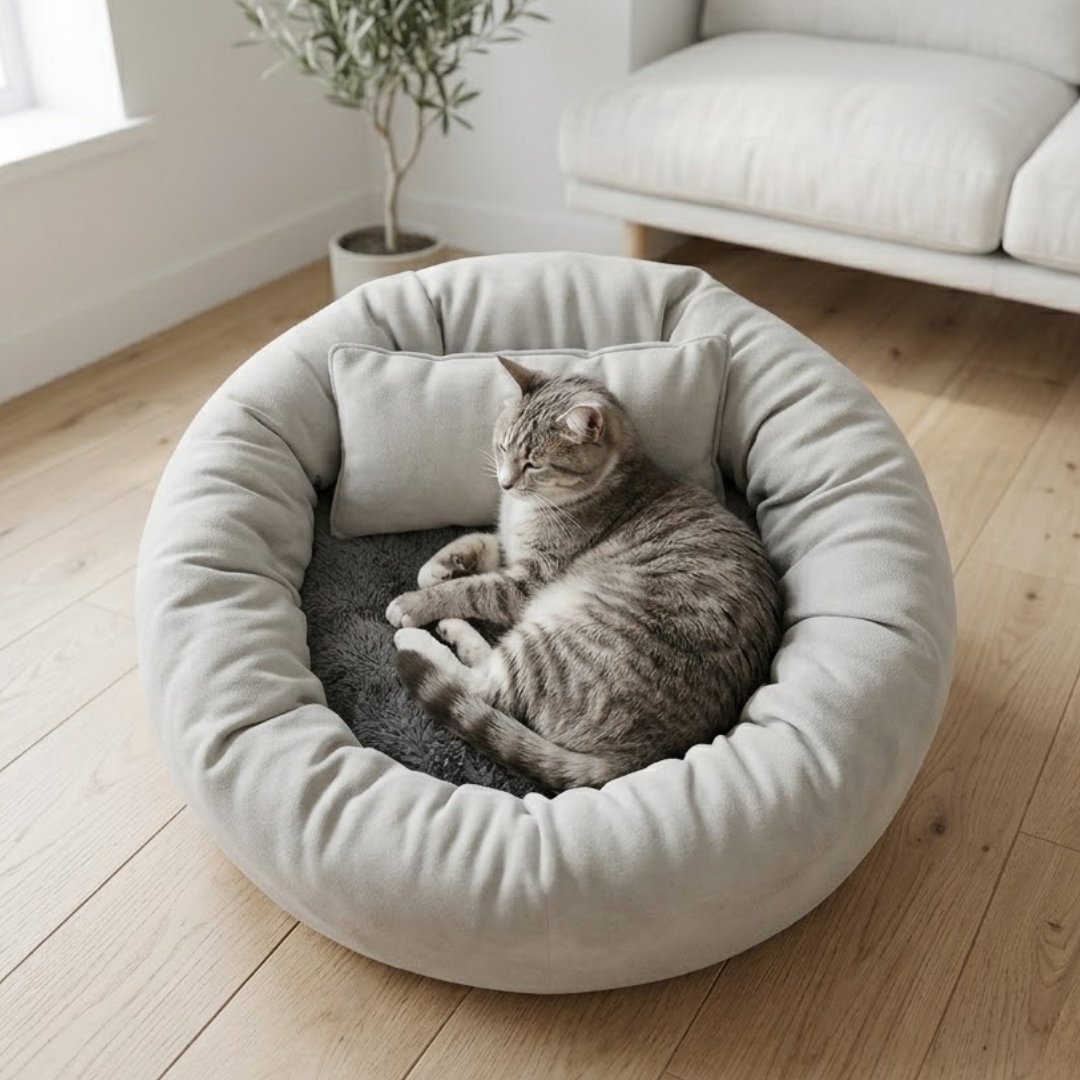
Round Calming Bolster Pet Bed – Plush Faux Fur
Faux fur lining traps warmth and gives anxious pets a snug, den-like place to settle.
Calming Donut Dog Bed / Cat Bed
A raised rim design that lets pets nestle in, keeping them off cold floors while feeling secure.

Soft Warm Cat Bed – Cozy Four Seasons Bed
Extra-plush filling designed for year-round comfort, with playful shapes cats love to curl up in.
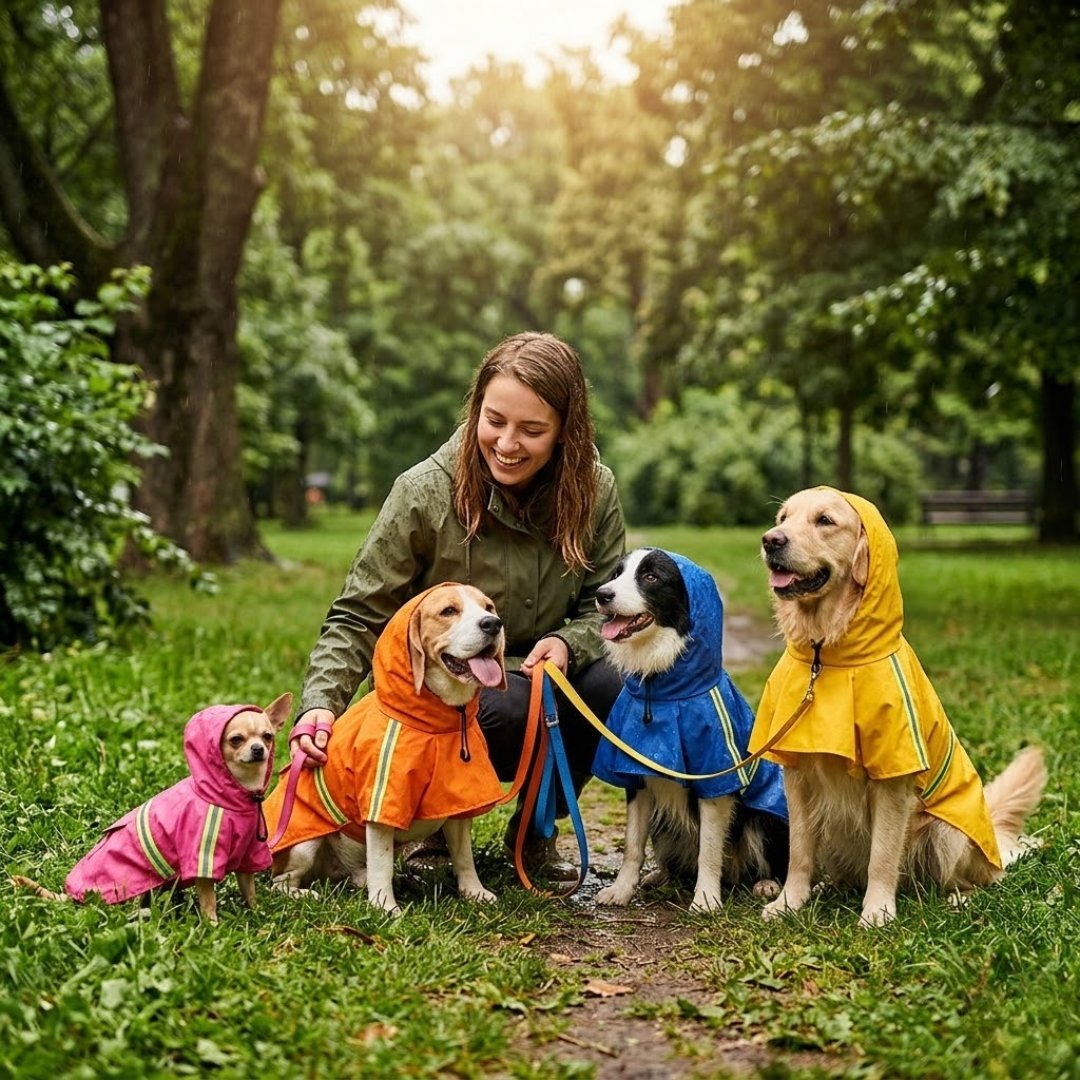
Dog Raincoat with Hood – Waterproof & Windproof
Keeps dogs dry and warm on wet winter walks, with reflective strips for low-light visibility.
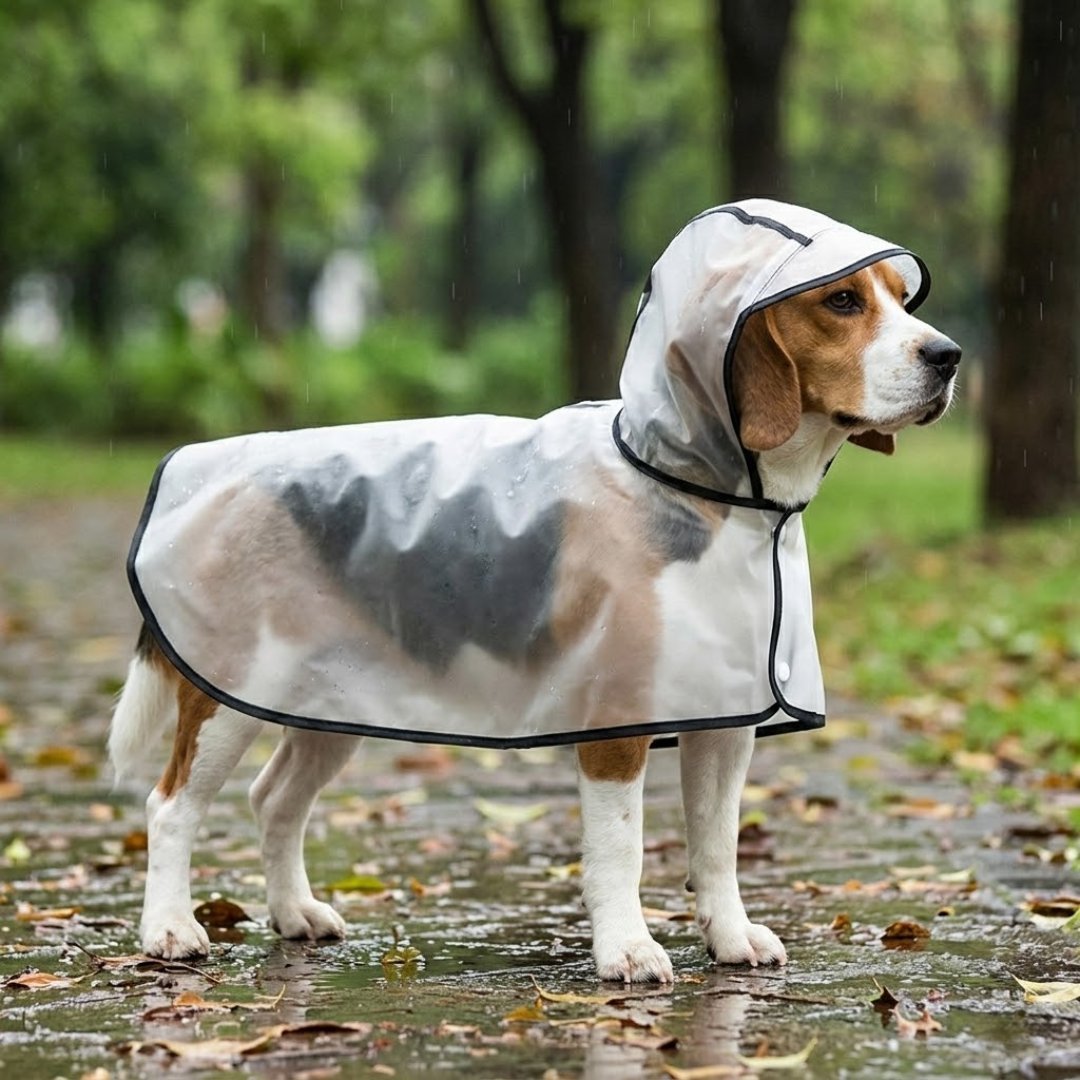
Transparent Dog Raincoat – Clear TPU Rain Cape with Hood
A lightweight, breathable option for light rain or drizzle, so your dog stays dry without overheating.
Check out PetzVibes.com for these winter solutions. Your pet will be happy and warm all winter.
Conclusion
I think every pet should feel safe and cozy when it gets cold. The great news is that making your pet’s space winter-ready is easy. You don’t need to spend a lot or do a big overhaul.
First, get them a good, warm bed that keeps their body heat in. Then, add warm mats to make cold floors more bearable. And don’t forget to get them rain gear for fun outdoor times. These simple steps help protect them from the harsh weather.
Every pet is different, and so are their needs. A thick-coated Siberian Husky can handle cold better than a short-haired Chihuahua. Senior pets need more care than younger ones. Keep an eye on how your pet acts. If they shiver, don’t want to go outside, or seek warm spots, it’s time to make some changes.
Small investments in bedding, protective gear, and smart placement make a big difference. Your pet will be healthier, more comfortable, and you’ll have more quality time together. Enjoy cozy evenings together.
Winter doesn’t have to be tough. With the right preparation and care, it can be a time for closer bonding. You’ll have longer cuddle sessions and more fun indoor games. Winter can become a special time, not just something to get through.
Begin your winter-proofing plan today. Your furry friend will be grateful for every cozy nap and happy wag in the cold months ahead.
FAQ
What temperature is too cold for my dog to go outside?
Dogs need to stay inside when it’s below 45°F. Small or thin dogs should stay in when it’s colder. Medium dogs can handle 32°F, but cold-tolerant breeds can go down to 20°F.
But, wind chill makes it colder. Watch for signs like shivering or reluctance to walk. Senior dogs, puppies, and those with health issues need extra care.
Do indoor cats need special winter bedding?
Yes, indoor cats need warm bedding, even if your home is warm. They seek warm spots. Providing plush, thermal beds helps them stay warm without stress.
Senior cats with arthritis benefit from heated mats or deep-cushioned beds. Cats also like having cozy spots around the house.
How do I know if my pet’s bed is warm enough for winter?
Check if the bed’s bottom is thick enough to keep cold out. Quality winter beds have thick cushioning and trap heat. Watch your pet’s behavior.
If they’re always seeking warmth or shivering, it’s time for a warmer bed. Adding thermal blankets helps, but sometimes a heated bed is best.
What should I look for in a waterproof dog rain jacket?
Look for a jacket that’s truly waterproof, not just water-resistant. It should fit well and have reflective elements for safety. Choose breathable materials and easy-to-use closures.
Brands like WeatherBeeta and Hurtta offer good options. The jacket should cover from neck to tail without being too long.
Can I use heated pet mats safely?
Yes, if you choose the right mats and follow the guidelines. Look for mats with safety features like automatic shut-off. Supervise your pet and check the mat regularly.
For pets who don’t need constant heat, self-warming mats are safer. Never use human heating pads for pets.
How often should I check my pet’s paws during winter?
Check your pet’s paws after every walk and do a weekly inspection. Wipe off ice, snow, and chemicals that can harm them. Look for signs of irritation or poisoning.
Apply paw balm or wax to prevent dryness. If your pet will wear them, dog boots protect against cold and chemicals.
What are the first signs that my pet is too cold?
Look for shivering, seeking warmth, and cold ears or paws. If your pet is reluctant to move or shows lethargy, they’re too cold. Dilated pupils and decreased heart rate are emergencies.
If you think your pet is cold, bring them inside. Wrap them in blankets and contact your vet if symptoms worsen.
Should I increase my pet’s food during winter?
It depends on your pet’s lifestyle. Outdoor dogs may need more calories to stay warm. But indoor pets might need fewer calories because they’re less active.
Monitor your pet’s weight and adjust their food based on activity, not just the season. Consult your vet for advice on winter feeding.
How do I convince my dog to wear a winter coat if they resist?
Start by letting them explore the coat without pressure. Reward them with treats and praise. Begin with short periods indoors and gradually increase the time.
Use high-value treats and keep sessions short. Associate the coat with positive experiences. Some dogs adjust quickly, while others need patience.
What’s the difference between self-warming mats and heated mats?
Self-warming mats use your pet’s body heat and don’t need electricity. They’re good for pets who just need a little warmth. Heated mats actively generate warmth and are better for very cold homes.
Heated mats provide consistent warmth, while self-warming mats only work when your pet is on them. Always choose mats with safety features.
Can I leave my pet’s winter bed outside in a sheltered area?
You can place outdoor gear in sheltered areas, but it’s safer to bring pets inside in cold weather. Use outdoor beds with waterproof bottoms and covers to protect from wind and rain.
No outdoor bed is as safe as indoor housing in extreme weather. Even cold-tolerant breeds can get hypothermia or frostbite. Cats should never be outside in winter.
How do I prevent my pet from getting dry, itchy skin in winter?
Keep humidity levels between 30-50% using humidifiers. Reduce bath frequency and use moisturizing shampoos. Brush your pet regularly to spread natural oils.
Ensure they drink enough water and consider omega-3 supplements. Apply paw balm to prevent dryness. Avoid placing beds near heating vents.
If itching persists, consult your vet to rule out allergies or skin conditions.