
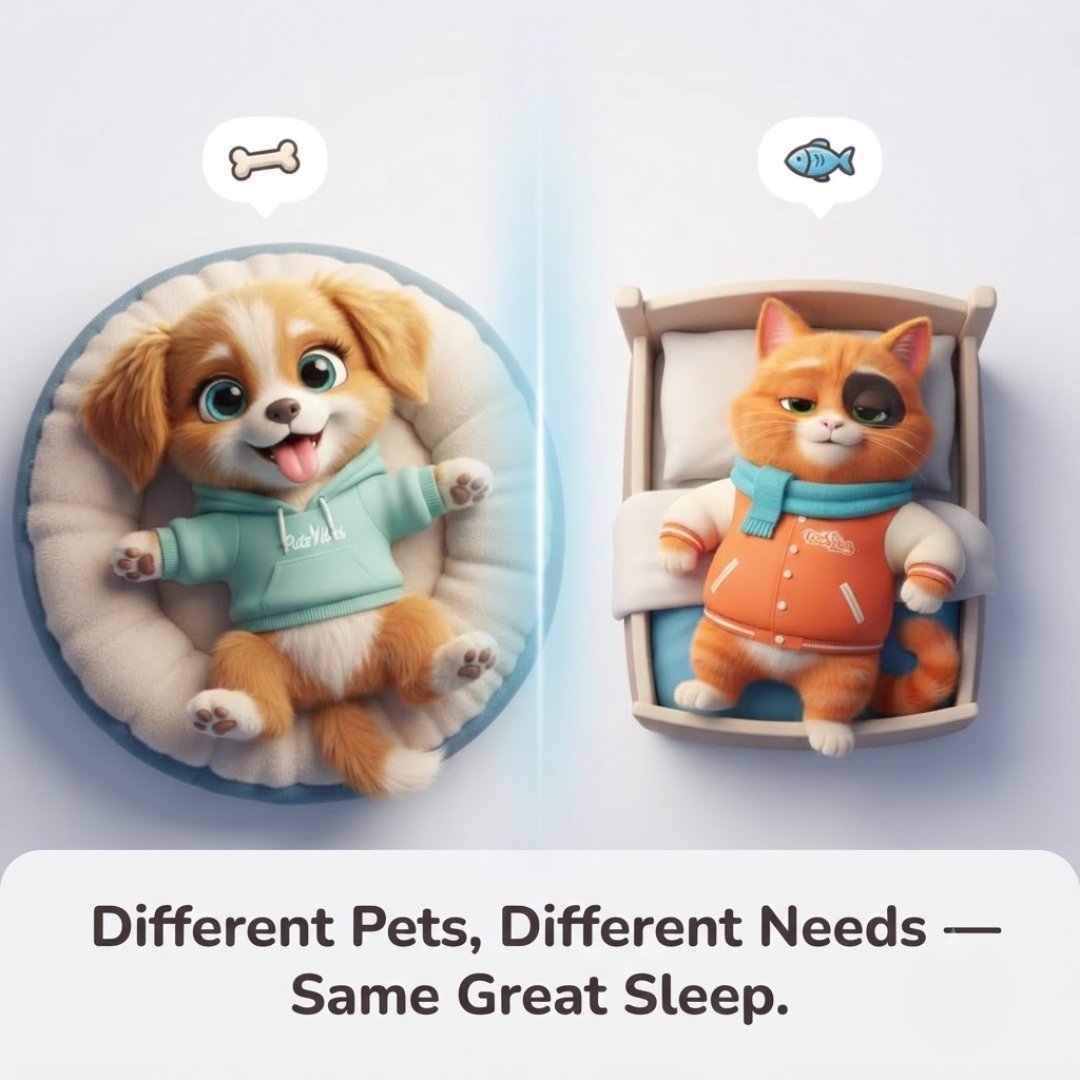
Choosing the perfect pet bed is all about knowing what your furry friend needs. Think about their size, how they sleep, their age, and any health issues. Also, consider how easy it is to clean and how long it will last.
Dogs sleep a lot, needing about 16 hours of sleep each day to stay healthy and happy. Puppies sleep even more, around 20 hours! Cats sleep a lot too.
Finding the right sleeping spot is very important. It’s not just about looks. It should support their posture, cushion their joints, and be a safe place for them to relax.
Just like you need a good mattress, your dog or cat does too. The bed you choose affects their comfort, health, and happiness.
In this guide, I’ll cover everything you need to know. We’ll talk about different styles and finding the perfect fit for your pet. You’ll have all the info to make a confident choice.
Key Takeaways
- Consider your animal companion’s size, sleeping position, age, and health needs when selecting a sleeping surface
- Dogs require 16 hours of daily rest while puppies need up to 20 hours for optimal health
- Quality sleeping spaces support proper posture and cushion joints to prevent discomfort
- Washability and durability are essential practical factors for long-term use
- The ideal resting place creates a secure sanctuary that helps your furry friend feel relaxed
- Different sleeping styles require different cushion types for maximum comfort
What Makes a Pet Bed Right for Your Dog or Cat
Finding the perfect pet bed is more than just picking a pretty design. It’s about making sure it meets your pet’s needs. The best dog and cat beds are those that support your pet’s health and happiness.
A good pet bed helps in three key ways. It supports your pet’s physical health by keeping their joints and spine aligned. It also improves their comfort and sleep quality, helping them rest better. And, it creates a safe, secure space that boosts their emotional well-being.
Let’s explore why these factors are so important for your pet’s daily life.
Physical Health: The Foundation of Pet Comfort
A well-designed pet bed is essential for your pet’s joints and spine. This is critical for older pets, large breeds, and those with arthritis. They need beds that cushion pressure points and prevent pain.
When your pet sleeps on a quality bed, their body weight is evenly distributed. This prevents pain in their hips, elbows, and shoulders. Cheap beds can lead to joint problems over time.
“Proper spinal alignment during sleep is just as important for pets as it is for humans. A supportive bed helps prevent long-term musculoskeletal issues.”
For larger dogs, the stakes are even higher. Breeds prone to hip dysplasia or elbow problems benefit from orthopedic support. I’ve seen many cases where a proper bed reduced limping and stiffness in senior dogs.
Sleep Quality: Why Deep Rest Matters
Dogs need 12-14 hours of sleep daily, while cats require 12-16 hours. Quality sleep affects their energy, mood, and immune system. Comfortable pet sleeping options ensure they cycle through all necessary sleep stages.
A bed that’s too firm, too soft, or the wrong size disrupts sleep. Your pet may wake often, shift positions, or avoid the bed. These disruptions can lead to irritability, decreased playfulness, and behavioral issues.
The right bed allows your pet to settle in quickly and stay comfortable. This means fewer interruptions and better health outcomes.
Emotional Security: Creating a Safe Haven
Pets need a dedicated space that signals safety to their nervous system. For anxious animals, this is even more critical. A proper bed serves as their sanctuary—a place to retreat when overwhelmed or stressed.
Smaller pets benefit from beds with raised edges or bolsters. These gentle boundaries create a den-like environment. This reduces anxiety and helps them relax more completely.
Cats appreciate having a designated territory. Their bed becomes part of their scent landscape, marking it as “theirs” and boosting their confidence in the home environment.
Key Factors That Define the Right Bed
When evaluating a bed for your pet, consider several factors:
- Size and fit: The bed must accommodate your pet’s full body length when stretched out, plus a few extra inches
- Support level: Match the firmness to your pet’s age, weight, and any existing health conditions
- Sleeping style: Curlers need different features than sprawlers or burrowers
- Material quality: Durable, breathable fabrics that withstand wear and washing
- Maintenance ease: Removable, machine-washable covers save time and promote hygiene
- Safety features: Non-slip bottoms prevent sliding on hard floors
How Different Pets Have Different Needs
An anxious rescue dog needs vastly different features than a healthy young puppy. Senior cats with arthritis require support that active kittens don’t. Even personality plays a role—some pets love soft, plush surfaces while others prefer cooler, firmer materials.
Here’s a comparison of how key factors affect different pet types:
| Pet Category | Primary Need | Critical Feature | Secondary Consideration |
|---|---|---|---|
| Senior Dogs (7+ years) | Joint support | Memory foam or orthopedic base | Low entry height for easy access |
| Large Breeds | Spinal alignment | Extra-large size with firm support | Durable, chew-resistant materials |
| Anxious Pets | Emotional security | Raised bolsters or hooded design | Soft, calming textures |
| Small Cats/Dogs | Safe enclosure | Appropriately sized with boundaries | Plush, warm materials |
| Active Young Pets | Easy maintenance | Washable, stain-resistant covers | Moderate cushioning |
Practical Considerations Beyond Comfort
The best dog and cat beds also factor in your lifestyle and home environment. If you have a pet that chews, durability is key. For households with multiple pets, size and placement require extra thought.
Consider where you’ll place the bed. Pets prefer quiet corners away from high-traffic areas but within sight of family activities. Drafty spots near doors or air vents can make even the best bed uncomfortable.
Cleaning ease is important. Pets shed, track in dirt, and sometimes have accidents. A bed with a removable, machine-washable cover makes maintenance easy. Waterproof liners add extra protection, which is great for senior pets or those being house-trained.
Investing thoughtful consideration into these elements pays dividends in your pet’s daily comfort and long-term health. The right bed isn’t just a purchase—it’s a fundamental component of responsible pet care that affects their quality of life every single day.
The Main Types of Pet Beds You Need to Know About
Pet beds come in many styles, each designed for comfort and health. Knowing the main types makes shopping easier. It helps you find the best bed for your dog or cat.
Let’s explore the most popular types. This way, you can pick the right one for your pet’s needs.
Orthopedic and Memory Foam Beds
Orthopedic beds for pets offer great joint support and pain relief. They use special foam that molds to your pet’s body. This helps distribute weight and ease pressure on sensitive areas.
These beds are perfect for senior dogs, pets with arthritis, or obesity. The quality of the foam is key for therapeutic benefits.
Memory foam and egg-crate foam are common materials. Memory foam shapes to your pet’s body and slowly returns to shape. Egg-crate foam has a textured surface for air flow and support.
The PetzVibes Orthopedic Dog Bed is a great example. It has egg-crate foam and a washable cover for $39.99. It’s a cost-effective option for therapeutic support.
Plush and Pillow-Top Beds
Plush beds are soft and cushioned, loved by many pets. They’re the classic “pillow” style, filled with polyester fiber or soft padding.
These beds are great for younger, healthy pets who love a cozy spot. They’re affordable and easy to clean, thanks to removable covers.
The main benefit is comfort. Your pet will sink into the soft surface, feeling luxurious. Just remember, they don’t offer the joint support of orthopedic beds for pets.
Calming Donut and Bolster Beds
Calming beds have raised edges or bolsters for security. The donut shape is popular for its all-around support.
These beds are perfect for anxious pets or those who curl up in a ball. The raised edges provide a cozy spot for their head and create a den-like feel.
The PetzVibes Plush Ribbed Calming Pet Bed is available in five colors and sizes. It’s priced between $39.99 and $56.99. The ribbed texture adds appeal, while the bolstered design offers emotional comfort.
These beds are ideal for:
- Pets with separation anxiety
- Cats and small dogs who like enclosed spaces
- Pets who enjoy burrowing or nesting
- Animals adjusting to a new home
Elevated and Cooling Beds
When comparing elevated vs flat pet beds, the main difference is airflow. Elevated beds have a raised frame that allows cool air to circulate underneath.
I recommend elevated beds for pets who tend to overheat or live in warm climates. They’re also good for outdoor use, keeping pets away from hot pavement or damp grass.
These beds feature a mesh or fabric surface over a sturdy frame. They promote ventilation and prevent heat buildup, unlike flat beds.
Beyond temperature control, elevated beds have other benefits. They’re easy to clean, as dirt and debris fall through. They also keep pests away and support pets recovering from surgery.
The elevated vs flat pet beds debate depends on climate and your pet’s temperature preferences. If your dog or cat prefers cool surfaces, an elevated bed is a good choice.
How to Choose the Right Pet Bed Size for Your Dog or Cat
Finding the perfect pet bed size is more than just looking at weight. It’s about understanding how your pet sleeps and giving them enough room to be comfortable. I’ve seen many pet owners buy a beautiful bed, only to find their pet won’t use it because it’s the wrong size. Getting the size right from the start saves money and ensures your pet will use their new bed.
Whether you have a small Chihuahua or a big Great Dane, a reliable pet bed size guide makes choosing easier. I’ll guide you through measuring your pet accurately and understanding which size fits them best.
The Correct Way to Measure Your Pet
Before you start shopping, you need to measure your pet in their natural sleeping position. Watch your pet for a few days to see how they sleep. Do they curl up tight or stretch out?
Here’s how to measure your pet correctly:
- Wait until your pet is relaxed and lying in their favorite sleeping position
- Use a soft measuring tape (the kind used for sewing works perfectly)
- For pets who stretch out, measure from the tip of their nose to the base of their tail
- For pets who curl up, measure the diameter of the circle they create, then also measure them stretched out
- Write down their current weight, as this affects the foam density you’ll need
The key is adding extra inches to your measurements. For stretchers and side sleepers, add 8-12 inches to their nose-to-tail measurement. This gives them room to move during sleep without falling off.
If your pet curls up most of the time, you might think a smaller bed is fine. But, measure them stretched out and use that number as your baseline. Pets change positions at night, and you want to accommodate all their sleeping styles.
The type of bed you’re considering also affects how much space to add. Cushion-style beds need more clearance—add 8-12 inches. Bolstered beds with raised edges can work with slightly less extra space. For smaller pets under 15 pounds, adding 4-6 inches is usually enough.
Size Charts: Small, Medium, Large, and Extra-Large
Understanding standard pet bed size categories helps you narrow down your options quickly. I’ve created a size chart based on weight ranges and typical breed sizes:
| Size Category | Weight Range | Typical Bed Dimensions | Best For |
|---|---|---|---|
| Small | Up to 25 lbs | 18″ x 24″ to 24″ x 30″ | Toy breeds, cats, small terriers |
| Medium | 26-40 lbs | 28″ x 36″ to 32″ x 40″ | Beagles, Bulldogs, medium mixed breeds |
| Large | 41-70 lbs | 36″ x 44″ to 40″ x 52″ | Retrievers, Shepherds, active breeds |
| Extra-Large | 71-110+ lbs | 44″ x 56″ to 52″ x 64″ | Giant breeds, multiple pets |
These dimensions represent the sleeping surface area, not including bolsters or raised edges. Always check the manufacturer’s specific measurements as different brands may have slight variations in their size categories.
For cats, sizing works a bit differently. Most cats under 12 pounds do well with a small bed (around 18″ x 20″). Larger cat breeds like Maine Coons and Ragdolls typically need a medium-sized bed to accommodate their bigger frames and longer bodies.
Weight matters beyond just the bed dimensions. Heavier pets need high-density foam that won’t compress and lose support quickly. I always recommend checking the foam density specifications if your pet weighs over 50 pounds.
Breed-Specific Considerations
While weight ranges provide a good starting point, certain breeds have unique body shapes that require special attention in your pet bed size guide. I’ve worked with enough different breeds to know that a one-size-fits-all approach doesn’t always work.
Small breeds (up to 25 lbs) include Chihuahuas, Maltese, Pomeranians, Toy Poodles, and Yorkshire Terriers. These tiny companions usually curl up when sleeping, but they also appreciate having enough space to stretch occasionally.
Medium breeds (26-40 lbs) like Beagles, French Bulldogs, Cocker Spaniels, and Shetland Sheepdogs often have stocky builds. They need beds that support their weight distribution without creating pressure points.
Large breeds (41-70 lbs) such as Australian Shepherds, Boxers, Golden Retrievers, and Labrador Retrievers are active dogs who need quality rest. They benefit from larger sleeping surfaces that accommodate their full-body stretches.
Extra-large breeds (71-110+ lbs) including Bernese Mountain Dogs, German Shepherds, Great Danes, and Mastiffs require the most spacious beds. These gentle giants need superior support and ample room to sprawl comfortably.
Some breeds deserve special mention due to their unusual proportions. Dachshunds and Basset Hounds have long bodies but relatively low weight. For these breeds, I suggest choosing a bed based on their length, not weight category. A 25-pound Dachshund might need a medium bed to accommodate their stretched-out length.
Greyhounds and Whippets have lean builds but long legs. They often prefer rectangular beds where they can fully extend their limbs. Breeds with thick double coats, like Huskies and Malamutes, might prefer cooling elevated beds over plush options.
When to Size Up
Sometimes choosing a larger size than your measurements suggest makes perfect sense. I always recommend sizing up in these specific situations to ensure your pet’s complete comfort.
If your pet’s measurements fall right between two size categories, always go with the larger option. A bed that’s slightly too big gives your pet flexibility, while one that’s too small will be uncomfortable and rarely used.
Puppies and kittens present a unique challenge. For young pets, I suggest buying for their expected adult size if possible. This saves you from purchasing multiple beds as they grow. If you’re unsure about their adult size, consult your veterinarian or research typical weights for their breed.
Watch how your pet currently sleeps on furniture or the floor. If they love to sprawl out completely, they’ll appreciate a larger bed. Some pets are “bed hogs” who stretch diagonally, and they need extra room to accommodate this sleeping style.
Multiple pets who sleep together need significantly more space. If you have two cats or dogs who cuddle up regularly, add their measurements together and then add the standard extra inches. In many cases, buying one extra-large bed for two medium pets works better than two separate medium beds.
Senior pets with arthritis or joint issues benefit from sizing up as well. The extra space makes it easier for them to get in and out of the bed without awkward movements that could cause pain or discomfort.
It’s always better to have a bed slightly too large than too small. Pets appreciate room to stretch and change positions during sleep, and they’ll use a spacious bed far more consistently than one that feels cramped.
Remember, your pet’s comfort is the ultimate goal. If you’re torn between sizes, visualize your pet in each option and imagine which one would make them happiest during their daily rest time.
Matching Your Pet’s Sleeping Style to the Perfect Bed
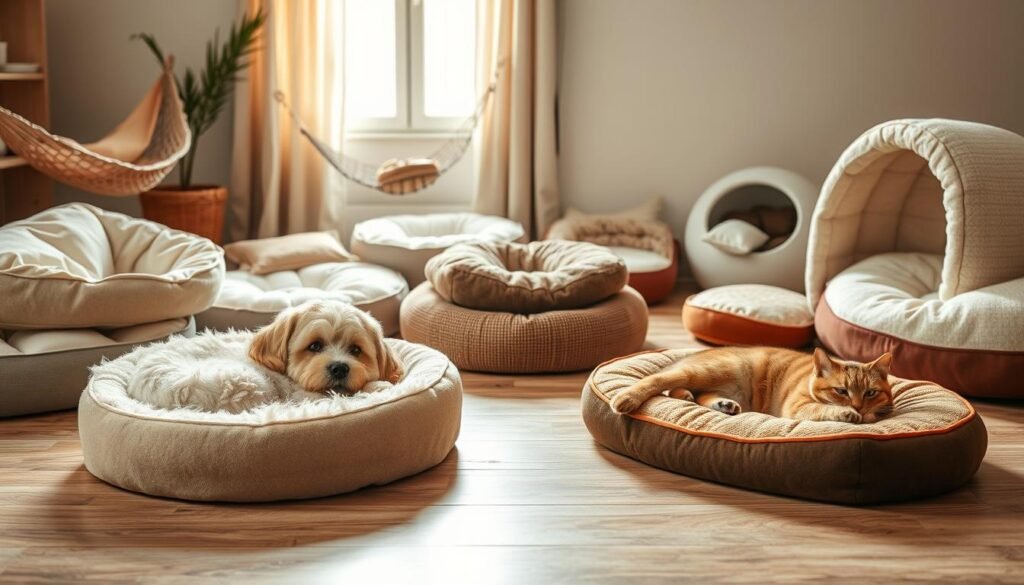
Watching how your pet sleeps can tell you a lot about their ideal bed. Some pets curl up tight, while others stretch out fully. This shows their comfort needs and how they like to feel.
Sleeping styles are more than just cute. They show what your pet needs for comfort, temperature, and emotional well-being. Choosing the right bed based on these behaviors can make your pet very happy.
The Perfect Bed for Pets Who Curl Up in a Ball
Does your pet sleep like a fuzzy donut? These pets seek warmth and security. I recommend donut beds, cuddler beds, or bolster beds with raised edges for them.
The raised sides block drafts and provide a cozy feeling. They also create a den-like atmosphere. This is great for cats and small dogs who feel safe and protected.
The PetzVibes Plush Ribbed Calming Pet Bed is perfect for curlers. It has cushioned edges and a circular shape that fits their curled-up position. The soft filling supports them without being too firm.
Pets who curl up often prefer these beds for sleeping. They like having a safe and warm spot when it’s quiet and dark.
Ideal Choices for Pets Who Stretch Out and Sprawl
Pets who sleep stretched out need different beds. They prefer flat pillow beds, crate mats, or large rectangular beds for lots of room.
Length is key for these pets. They stretch their spine and joints, which is healthy. Orthopedic beds are great because they support their weight evenly.
The PetzVibes Orthopedic Dog Bed is great for sprawlers. It has a flat surface for stretching and memory foam for joint relief. Large breeds love it because it gives them enough space.
Place these beds in open areas for stretching. Sprawlers sleep warmer, so beds that breathe well are best. This keeps them cool.
Best Options for Pets Who Love to Burrow
Some pets love to tunnel under blankets or pillows. This is a leftover from their wild ancestors who dug dens. Cave beds or igloo beds with overhead coverage are perfect for them.
These beds meet their denning instinct. Anxious pets find comfort in beds that cover them on all sides. This makes them feel hidden and safe, reducing stress.
If you can’t find cave beds, add soft blankets for burrowing. Many pets make their own nests with blankets, finding the perfect hideaway.
Burrowers prefer quiet spots for their beds. They want a place to relax away from the hustle and bustle.
The Right Bed for Pets Who Like Their Head Elevated
Do you see your pet resting with their head on a pillow or a raised toy? This is more than comfort—it’s a health need. Beds with built-in bolsters or wedge-style designs are best for them.
Pets with breathing issues or allergies seek elevated head positions. It’s also good for older dogs with arthritis. The incline helps with digestion for pets with sensitive stomachs.
Choose beds with firm bolsters that support their head. Some orthopedic beds have removable wedges for adjusting the angle. A gradual incline is more comfortable for long rest periods.
These beds are great in social areas where pets can rest while watching family. The elevated head position lets them see what’s going on.
Your pet’s sleeping style might change with age or health. Watch their preferences and adjust their bed as needed. The best bed choice honors their natural behaviors and makes them comfortable.
Pet Bed Materials and Why They Matter
I’ve learned that the foam, fabric, and filling in a pet bed are key. They decide how long the bed lasts, how comfy it is, and if it’s easy to clean. Choosing good materials means you’re looking out for your pet’s health and your own ease.
When picking pet beds, I look beyond the cute looks. Different materials do different things, like supporting joints or keeping cool. Knowing this helps find the right bed for your pet’s needs.
Foam Types: What’s Inside Makes the Difference
The foam in a pet bed affects its support and how long it lasts. I’ve tested many foams, each with its own benefits.
Egg-crate foam has a bumpy surface that lets air flow and spreads weight evenly. It’s great for pets who sleep warm or live in hot places. The PetzVibes Orthopedic Dog Bed uses this foam for its balance of support and breathability.
Memory foam molds to your pet’s body, making it top for pets with joint problems. It adjusts to body heat and pressure, providing custom support. But, it’s pricier and heavier than other options.
Standard polyurethane foam is the cheapest option. It’s okay for young, healthy pets. But, it compresses fast, so look for higher density for better durability.
For big or senior dogs, high-density foam is best. Regular foam can’t handle constant pressure from larger pets. High-density foam keeps its shape, giving needed joint support.
Fabric Choices: Covering Your Investment
The outer fabric matters a lot. I choose washable materials because pets bring dirt and hair to their beds.
Microfiber and fleece are soft and cozy. They’re warm and inviting. But, they get pet hair and may wear out faster.
Canvas and denim are durable. They resist chewing and scratching well. They’re perfect for active dogs or homes with many pets. Machine-washable canvas covers make cleaning easy.
Velvet and chenille are luxurious but need more care. They’re best for well-behaved pets in adult-only homes.
Cooling fabrics help keep pets cool. They pull heat away, great for thick coats or summer. These materials are special and help regulate body temperature.
The PetzVibes beds have machine-washable covers. This is key for keeping the bed clean and lasting longer.
Inside Fillings: More Than Just Fluff
The filling material affects support, shape, and how easy it is to clean. I’ve compared different fillings to help you choose.
Polyfill (polyester fiberfill) is light, cheap, and washable. It’s good for small pets who like to nest. But, it flattens and needs fluffing or replacing often.
Shredded memory foam is moldable and supportive. It lets pets adjust it for their comfort. It’s a good value for most pet owners.
Cedar chips or natural fills repel insects and control odors. But, they don’t cushion well for pets with joint issues. They’re best for healthy pets without joint problems.
Hypoallergenic materials like sheep’s wool or synthetic fills are good for pets with allergies. They can help pets with itching or skin issues.
| Material Type | Best For | Durability | Maintenance Level |
|---|---|---|---|
| Memory Foam | Senior pets, joint support | Excellent (8-10 years) | Spot clean only |
| Polyfill | Small pets, nesters | Fair (1-3 years) | Machine washable |
| Canvas Cover | Active dogs, chewers | Excellent (5-7 years) | Machine washable |
| Microfiber Cover | Indoor cats, gentle pets | Good (3-5 years) | Machine washable |
| Cooling Fabric | Hot climates, thick coats | Good (4-6 years) | Gentle cycle wash |
Choosing the right materials is key for comfort and satisfaction. Think about your pet’s needs and your lifestyle. Do you have time for frequent washing? Does your pet need special support? Is durability more important than softness?
Understanding material differences helps pick the best bed for your pet. Quality materials cost more but offer better value through longer life and comfort.
The Importance of Washability in Pet Beds
I’ve learned that easy-to-clean beds get cleaned more often. When picking a bed for your pet, make washability a top priority. A hard-to-clean bed can become a breeding ground for bacteria, no matter how much you love your pet.
Pets are messy sleepers. They bring dirt, dander, and outdoor debris into their beds every day. Without proper cleaning options, even the most expensive bed becomes unsanitary within weeks.
Why Removable, Machine-Washable Covers Are Essential
Your pet’s bed faces daily challenges that most furniture never encounters. Dogs and cats track in mud, grass, and who knows what else from outside. They shed hair and skin cells constantly, creating the perfect environment for dust mites and allergens.
Accidents happen, even with well-trained pets. Drool, occasional vomiting, and yes, bathroom mishaps are all part of pet ownership. When these occur, you need a bed that can handle a thorough cleaning quickly.
Removable, machine-washable covers make all the difference in maintaining washable pet bed materials that actually stay clean. I always recommend beds with zippered covers that come off easily and can go straight into your washing machine. PetzVibes products feature this essential design element because it transforms bed maintenance from a dreaded chore into a simple task.
Beds without removable covers force you into awkward spot-cleaning sessions that never fully eliminate odors or bacteria. Eventually, you’ll need to replace the entire bed. That’s neither cost-effective nor practical for most pet owners.
How Often You Should Wash Your Pet’s Bed
The washing frequency depends on your pet’s lifestyle and health needs. I’ve developed some practical guidelines based on different situations that most pet owners face.
Here’s what I recommend for washing schedules:
- Weekly washing for pets with allergies, skin conditions, or those who spend significant time outdoors
- Every two weeks for average indoor pets with no special health concerns
- Monthly minimum for all pets, regardless of their situation
- Immediately after accidents, illness episodes, or flea and tick treatments
One trick I’ve found helpful is keeping two covers on hand. While one is in the wash, you can immediately replace it with the clean spare. Your pet never has to go without their bed, and you’re never tempted to skip washing day.
Regular washing extends the life of your investment dramatically. Clean beds maintain their shape better and resist wear from accumulated grit and oils. You’re protecting comfortable pet sleeping options while keeping your home smelling fresh.
Waterproof Liners and Their Benefits
Beyond washable covers, waterproof or water-resistant liners add another critical layer of protection. These liners sit between the removable cover and the foam core, creating a barrier against moisture penetration.
The inner foam of a pet bed is expensive and difficult to clean once it gets wet. Moisture that reaches the core can lead to mold growth, mildew development, and permanent odor absorption. Once that happens, the bed is effectively ruined.
Waterproof liners prevent these problems entirely. They’re valuable in specific situations that many pet owners face:
- Puppies and kittens during house-training periods
- Senior pets experiencing incontinence issues
- Pets recovering from surgery or illness
- Dogs who love playing in water and come inside damp
- Cats who occasionally have hairball incidents
Many quality beds now include waterproof liners as a standard feature. This addition costs manufacturers very little but provides enormous value to pet owners. When comparing beds, always check whether this protection is included.
The combination of removable, washable covers and waterproof liners creates a bed that can handle whatever your pet throws at it. You can maintain truly hygienic sleeping spaces without constantly worrying about damage or replacement costs. That peace of mind alone makes washability one of the most important features in any pet bed.
Must-Have Features for Maximum Comfort and Durability
I’ve learned that the best dog and cat beds have key features. These features make them safer, more comfortable, and last longer. Knowing what matters helps you choose a bed that you and your pet will love for years.
When looking at options, don’t just look at how they look. The features I’ll talk about are important for real-world use. They keep your pet safe, comfortable, and make the bed last longer.
Non-Slip Bottoms for Safety
A bed that slides is not just annoying—it’s dangerous. Pets may not want to use beds that move. This is a big problem on hard floors where beds can easily slide.
Non-slip rubber or textured bottoms keep the bed in place. This gives pets the confidence to use their bed. It’s great for senior dogs and pets that love to jump.
A bed with grip stays where you put it. This stops slips and injuries. It also makes the bed more inviting to use.
Raised Edges and Bolsters
Raised edges do more than look good. They make pets feel safe and secure. This is very important for anxious pets.
The benefits are clear. Bolsters offer a comfy pillow for the head. They block drafts and keep pets warm in cold weather. They also define the sleeping area in a way pets understand.
The PetzVibes Plush Ribbed Calming Pet Bed has supportive edges. The quality of bolsters is key. They should be firm but not too hard. The right balance makes a great headrest and security barrier.
Height and firmness are key. Bolsters that are too soft or too firm don’t work well. Look for ones that are just right.
Ribbed and Textured Surfaces
Texture is more than just looks. It has practical benefits. The ribbed design on beds like the PetzVibes Calming Bed is not just pretty—it’s useful.
Textured fabrics offer gentle stimulation and improved grip. This stops pets from sliding around. It’s great for pets that move a lot in their sleep.
Some pets find the massaging effect of ribbed surfaces soothing. The texture also hides stains and wears better than smooth fabrics. This makes the bed look good longer.
Textured surfaces add interest while being practical. They’re a great example of design that works well. When you’re looking for a pet bed, these details show the difference between good and bad designs.
| Feature | Primary Benefit | Best For | Why It Matters |
|---|---|---|---|
| Non-Slip Bottom | Stability and safety | Hard floor surfaces, senior pets, active jumpers | Prevents sliding and reduces injury risk during use |
| Raised Edges/Bolsters | Security and head support | Anxious pets, head-resters, draft-sensitive sleepers | Creates enclosed space and provides comfortable pillow support |
| Ribbed/Textured Surface | Grip and stimulation | Restless sleepers, texture-seeking pets | Prevents internal sliding and offers gentle massaging effect |
| Chew-Resistant Materials | Extended durability | Puppies, aggressive chewers | Protects investment and prevents ingestion of filling materials |
These features work together to create a great sleeping space. When I look at beds, I check for these elements. A bed with all these features is a better value than one without.
Your pet bed buying guide should have a checklist. The best dog and cat beds are not just pretty. They have practical features that make them safe and enjoyable to use. These details help your pet want to use the bed and make it last longer.
7 Clear Signs It’s Time to Replace Your Pet’s Bed
Pet beds wear out over time. Spotting signs of deterioration ensures your pet has a comfy place to rest. Even high-quality beds eventually reach the end of their useful life. Knowing when to replace your pet’s bed is key to any pet bed buying guide.
I’ve gathered seven clear indicators that signal it’s time for a new bed. Recognizing these signs early keeps your pet comfortable and healthy. Let’s explore what to watch for to make the best decision for your companion.
The Bed Has Lost Its Shape and Support
The most common sign of a worn-out bed is visible flattening or compression. If your pet sinks all the way to the floor when they lie down, the foam has lost its cushioning ability. This happens naturally over time, specially with heavier pets or lower-quality materials.
Look for these specific issues: permanent indentations in the center where your pet sleeps most often, collapsed bolsters that no longer provide head support, or foam that feels thin and compressed. Your pet might seem restless or change positions frequently because they’re no longer getting proper support.
This lack of support is concerning for senior pets or those with joint issues. The bed’s primary job is cushioning, and once that’s gone, it’s time to invest in a replacement. A bed that no longer provides adequate support can actually worsen arthritis pain or hip dysplasia symptoms.
Visible Rips, Tears, or Exposed Filling
Physical damage to your pet’s bed creates both safety and comfort concerns. Exposed filling presents a serious ingestion hazard that could lead to intestinal blockages. Small tears might seem harmless, but they quickly grow larger with continued use.
Watch for torn fabric that could catch your pet’s nails or teeth. Holes in the cover allow dirt and moisture to penetrate the inner filling, making the bed unsanitary. Exposed foam or stuffing also looks uninviting and makes your home appear less clean.
While minor repairs might work temporarily, extensive damage means replacement is the safer choice. Chew-resistant beds last longer for destructive pets, but even the toughest materials eventually wear out. If you’re constantly mending tears, it’s more practical to start fresh.
Persistent Odors That Won’t Wash Out
Regular washing keeps pet beds fresh, but eventually odors can penetrate deep into the foam core. This is true for beds without waterproof liners. If unpleasant smells return immediately after washing, bacteria and odor molecules have likely saturated the filling material.
This situation creates an unhygienic sleeping environment for your pet. Embedded bacteria can cause skin irritation or respiratory issues. The smell also affects your home’s overall freshness, no matter how often you clean.
When washing no longer eliminates odors, the bed’s porous materials have absorbed too much moisture and organic matter over time. A new bed with a waterproof liner will help prevent this problem in the future. Fresh bedding contributes to both your pet’s health and your home’s cleanliness.
Your Pet No Longer Uses the Bed
If your previously bed-loving pet suddenly avoids their sleeping spot, something has changed. The bed might have become uncomfortable due to lost support or accumulated odors. Sometimes a pet’s needs shift as they age, grow, or develop health conditions.
Consider whether your pet has outgrown their bed or developed joint pain that requires different support. Weight gain or loss also affects bed comfort. Puppies grow quickly and need larger beds, while senior pets often benefit from orthopedic options they didn’t need when younger.
Pay attention to where your pet chooses to sleep instead. If they prefer the hard floor, they might be too warm and need a cooling bed. If they seek out soft couches, they might need more cushioning. This behavior tells you what features to prioritize when choosing the perfect pet bed as a replacement.
Allergic Reactions or Skin Irritation
Unexplained scratching, redness, or skin issues might stem from an old bed. Over time, beds accumulate dust mites, mold spores, and allergens that washing can’t completely remove. Degraded materials can also release particles that irritate sensitive skin.
If your pet shows signs of allergies and other causes have been ruled out, consider their bed as a possible source. Mold growth in foam that’s been repeatedly dampened is a big problem. This hidden contamination won’t be visible but can seriously affect your pet’s health.
Replacing an old bed with a fresh, hypoallergenic option often resolves these issues quickly. Look for beds with antimicrobial covers and breathable materials that resist moisture buildup. Your pet’s skin health is worth the investment in quality bedding.
The Bed Is Several Years Old
Even without obvious damage, beds have a recommended lifespan. Most pet beds should be replaced every two to three years with regular use. High-quality orthopedic beds might last longer, while budget options may need replacement sooner.
Multiple minor issues often accumulate over time: slightly faded colors, minor pilling on the fabric, small repairs you’ve made, or reduced fluffiness. Individually these seem manageable, but together they indicate the bed has served its purpose. Age-related wear affects both comfort and hygiene.
Think of bed replacement as preventive maintenance. Your pet deserves consistent comfort throughout their life. Proactive replacement ensures they always have supportive, clean bedding.
Your Pet’s Needs Have Changed Significantly
Life changes for your pet mean their bed requirements evolve too. A bed that was perfect for an energetic puppy might not suit a dignified senior dog. Health conditions like arthritis, hip dysplasia, or anxiety require specialized bed features.
Significant weight changes also necessitate bed adjustments. A pet who’s gained weight needs more robust support, while weight loss might mean sizing down for better security. Lifestyle changes matter too—indoor pets moving outdoors or vice versa need different bed types.
If you’ve noticed behavioral changes, new health diagnoses, or major life transitions, reassess whether their current bed meets their needs. This is an opportunity to upgrade to features that better support their current life stage. The right bed adapts to your pet’s changing requirements.
Moving Forward With Confidence
Recognizing these seven signs helps you maintain your pet’s comfort and health. Replacement isn’t an unfortunate expense but an investment in their well-being. A fresh bed provides the support, cleanliness, and comfort your companion deserves.
When it’s time to replace your pet’s bed, use what you’ve learned throughout this pet bed buying guide to make an informed choice. Consider your pet’s size, sleeping style, age, and any health concerns. Quality options that match these needs will provide years of comfortable rest.
Ready to find the perfect replacement? Explore the carefully curated selection at PetzVibes.com, where you’ll discover beds designed for every type of pet and sleeping preference. Your furry friend will thank you for their comfortable new sleeping spot.
Comparing the Best Pet Bed Options for Different Needs
There are many pet bed types out there. I’ve made comparisons to help you find the right one for your pet. Each pet has unique needs, and knowing which bed is best for them is key. Let’s explore the most important comparisons to find the perfect bed for your pet.
Side-by-Side: Orthopedic vs. Plush vs. Calming Beds
The three main bed types serve different purposes. This comparison will help you quickly see which one is best for your pet.
| Bed Type | Best For | Key Features | Price Range |
|---|---|---|---|
| Orthopedic/Memory Foam | Senior pets, large breeds, dogs and cats with joint pain or arthritis | Supportive foam construction, even weight distribution, easy access design, pressure point relief | $39.99 – $79.99 |
| Plush/Pillow | Young healthy pets, comfort-loving cats, dogs who like soft surfaces | Soft cushioning, cozy fabrics, variety of shapes, lightweight design | $29.99 – $69.99 |
| Calming/Bolster | Anxious pets, curlers, dogs and cats seeking security and warmth | Raised edges, enclosed feeling, ribbed textures, denning effect | $39.99 – $56.99 |
Choosing the right pet bed depends on your pet’s age and personality. A young dog has different needs than an older cat with joint issues.
Top Picks for Senior Pets with Joint Issues
Senior pets with arthritis or joint pain need beds that offer support and accessibility. Orthopedic and memory foam beds are perfect for them.
These beds cushion pressure points and keep the spine aligned. The foam spreads out the weight evenly, avoiding pressure on hips and shoulders.
It’s also important for the bed to be low-profile. This makes it easy for senior pets to get in and out without jumping. The PetzVibes Orthopedic Dog Bed at $39.99 has egg-crate foam for joint support and is easy to access. It’s a great value for your pet bed buying guide research.
Look for beds that keep their shape over time. Senior pets need consistent support every night, not foam that flattens quickly.
Best Solutions for Anxious or Nervous Pets
Pets with anxiety benefit from beds that offer security and enclosure. Calming beds with high bolsters tap into their natural denning instincts.
The raised edges provide a comforting boundary for anxious pets. This enclosed design offers a safe space for them to relax and reduce stress.
The PetzVibes Plush Ribbed Calming Pet Bed offers this kind of environment. It has elevated borders and soft texture. Priced between $39.99 and $56.99, it combines security with plush comfort. The ribbed surface adds tactile stimulation that many pets find soothing.
Cave-style or igloo beds also work well for anxious cats and small dogs. These fully enclosed options provide maximum security for pets who need extra reassurance.
Smart Choices for Multi-Pet Households
Homes with multiple pets face unique bedding challenges. Your approach depends on whether your pets prefer sleeping together or maintaining their own space.
If your dogs or cats like to cuddle, consider one larger bed sized for both pets together. Extra-large options can fit two medium-sized dogs comfortably, and custom sizing can fit pets who always sleep as a pair.
For pets who prefer their own territory, individual beds placed near each other work better. This arrangement lets them stay close while respecting personal boundaries.
The PetzVibes product line offers an advantage here with multiple size options (S through XL) at consistent quality levels. You can outfit your entire household with beds that match each pet’s size while maintaining the same durability and washability standards. This consistency makes your pet bed buying guide process simpler when you’re shopping for three pets instead of one.
Washability becomes even more critical in multi-pet homes. Look for beds with removable, machine-washable covers that can handle frequent cleaning cycles without falling apart.
Shop All Beds
Whether you’re shopping for a dog, a cat, or both, here’s the full lineup broken down by what each pet tends to need.
For Dogs
The Orthopedic Dog Bed from Egg-Crate Foam with Removable Washable Cover is the top pick for joint support — ideal for seniors, large breeds, or dogs recovering from surgery. Fits in a crate, on the floor, or travels with you.
The Plush Ribbed Calming Pet Bed suits dogs who want warmth and a secure, nest-like feel — raised bolster edges, five colors, four sizes.
The Round Calming Bolster Pet Bed offers a similar den-like comfort with plush faux fur and a non-slip base, good for anxious or senior dogs.
The Calming Donut Dog Bed is a lower-profile option with a raised rim for head and neck support, without the full bolster bulk.
For Cats
The Orthopedic Cat Bed – Plush Washable Pet Bed with Bolster gives senior or larger cats joint-friendly support with a washable cover.
The Soft Warm Cat Bed – Cozy Four Seasons Bed is compact, lightweight, and works year-round — good for small spaces.
The Cat Bed with Tunnel Donut combines a resting spot with a play tunnel, great for cats who like to hide and pounce.
The Cat Sleep Bed with Handle is built for portability, so you can move your cat’s bed between rooms or bring it along when traveling.
How to Choose
If joint support and durability matter most, go orthopedic. If your pet is more about warmth, security, and burrowing, go plush or bolster-style. And if space or portability is the priority, the compact and travel-friendly options are worth a look over the bulkier beds.
Conclusion: Finding Your Pet’s Perfect Sleep Spot
I’ve shown you how to pick the best pet bed for your dog or cat. You now know how to measure your pet and understand their sleeping habits. This knowledge helps you make a smart choice.
Good sleep is key to your pet’s health and happiness. The right bed is a safe place for them to relax. It’s more than just a pet accessory; it’s an investment in their comfort and health.
The Orthopedic Dog Bed and the Plush Ribbed Calming Pet Bed from PetzVibes are great choices. They meet common pet needs and are well-made.
Choosing the right bed is easy when you think about your pet’s habits, size, and health. Use the tips from this article to find the perfect bed at PetzVibes.com.
Your pet sleeps a lot, so they need a comfy bed. Check out the options at PetzVibes.com and make their sleep better.
FAQ
How do I know what size pet bed to buy for my dog or cat?
To find the right size, measure your pet while they’re lying down. Use a soft tape to measure from their nose to the base of their tail. Add 6-12 inches for extra room. Also, consider their weight.
Small pets (up to 25 lbs) need beds around 24″x18″. Medium pets (26-40 lbs) need 30″x20″. Large pets (41-70 lbs) need 36″x27″. Extra-large pets (71+ lbs) need 42″x28″ or larger. It’s better to have a bed slightly too large.
What type of pet bed is best for senior dogs with arthritis or joint pain?
Orthopedic beds with memory foam or egg-crate foam are best for senior pets. They provide support and reduce joint pain. Look for high-density foam that doesn’t compress quickly.
The PetzVibes Orthopedic Dog Bed is a good option. It has egg-crate foam for comfort and is affordable at .99.
How often should I wash my pet’s bed?
Wash the bed cover every two weeks for indoor pets. If your pet has allergies or spends time outdoors, wash weekly. At least wash monthly to keep it clean.
Always wash immediately after accidents or flea treatments. Washable covers make cleaning easy and keep your home fresh.
What’s the difference between a calming bed and a regular pet bed?
Calming beds have raised edges for a secure feeling. They’re good for anxious pets. Regular beds have flat surfaces for comfort.
The PetzVibes Plush Ribbed Calming Pet Bed is perfect for pets who love to curl up. It has soft ribbed texture and raised edges.
Should I choose an elevated bed or a flat bed for my pet?
Choose based on your pet’s needs and environment. Elevated beds keep pets cool and are good for outdoor use. Flat beds are better for pets with joint issues.
Consider your climate, pet’s age and health, and where you’ll place the bed.
Can two pets share one bed, or should I buy separate beds?
It depends on your pets’ relationship and sleeping habits. If they cuddle together, get one larger bed. But if they prefer their own space, separate beds are better.
The PetzVibes Plush Ribbed Calming Pet Bed comes in sizes S-XL. It’s easy to accommodate multiple pets with consistent quality.
What are the signs that my pet’s bed needs to be replaced?
Look for signs like foam loss, visible damage, or persistent odors. If your pet avoids the bed or shows allergic reactions, it’s time for a new one.
Also, if your pet’s needs have changed, like from puppy to adult, you might need a new bed.
Is memory foam really necessary, or will regular foam work fine?
Memory foam is great for pets with joint issues or who are recovering from surgery. It contours to their body and provides pressure relief.
For healthy pets, high-quality standard foam or egg-crate foam is a good choice. The key is dense, quality foam that lasts.
Why do some pet beds have ribbed or textured surfaces?
Ribbed and textured surfaces provide tactile stimulation and prevent sliding. They also hide stains and wear better than smooth fabrics.
The grooves in ribbed designs promote air circulation, helping regulate temperature. The PetzVibes Plush Ribbed Calming Pet Bed combines comfort with functionality.
Do waterproof liners really make a difference?
Yes, waterproof liners protect your investment and maintain hygiene. They prevent accidents and spills from reaching the foam core.
Without a liner, contaminated foam may need replacement. With a liner, you can wash the cover and wipe the liner, protecting the foam.
What’s the best bed for a pet who destroys everything?
Look for beds made with durable materials like heavy-duty canvas or ballistic nylon. Avoid beds with loose parts or zippers.
Some beds are marketed as “chew-proof” or “indestructible.” But even durable beds may show wear. Addressing the underlying cause of destructive behavior is also important.
Where should I place my pet’s bed in my home?
Place the bed in a quiet corner of a frequently used room. Avoid drafty areas or direct sunlight. Many pets like to sleep near their humans.
Observe where your pet naturally likes to rest. For anxious pets, slightly enclosed spaces can provide extra security.