
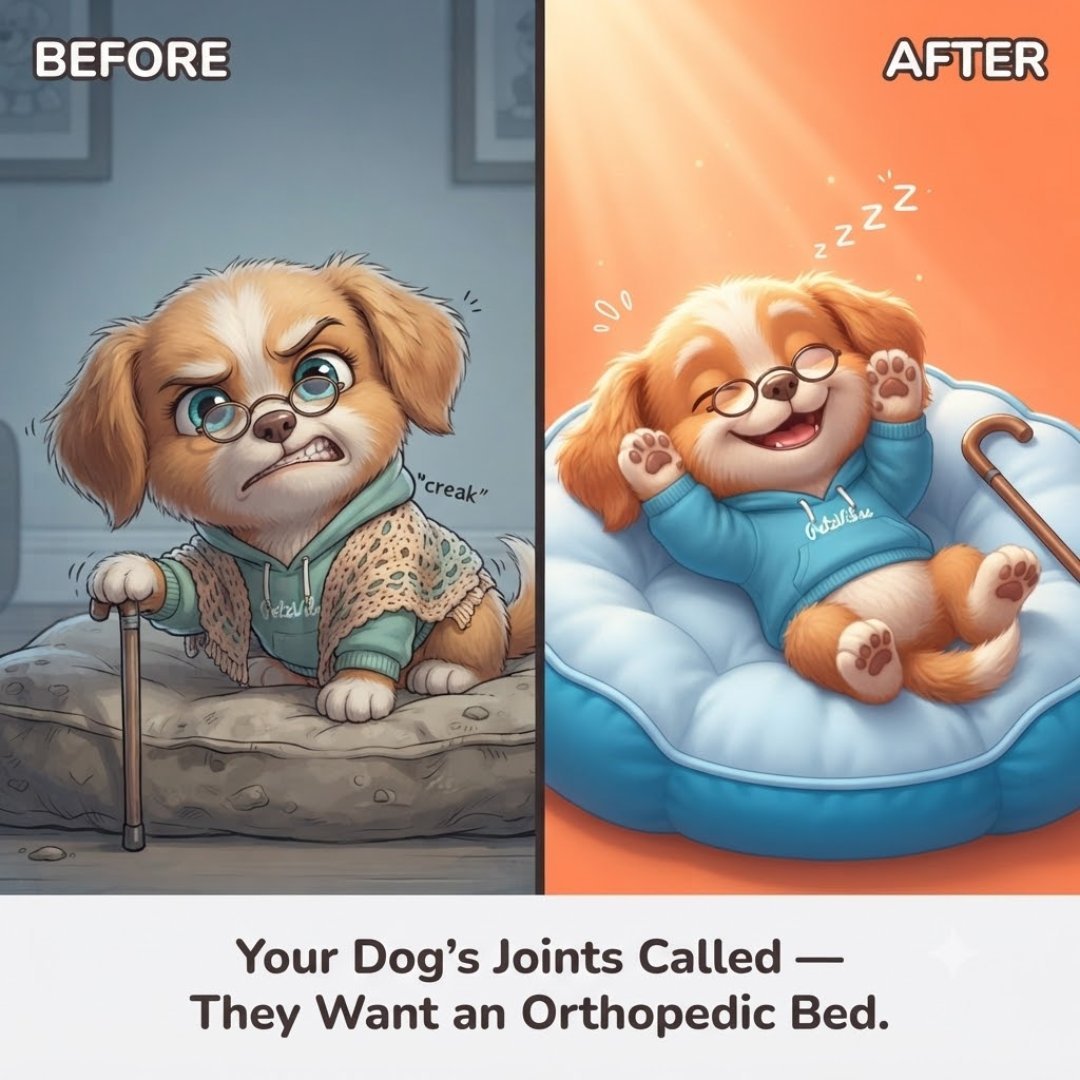
As our canine friends get older, their bodies change. This affects their comfort and how they move. Many pet owners wonder how to help their senior pets feel better.
The answer is simple yet powerful: specialized sleeping surfaces designed for joint support. These beds help reduce pressure points. They make your beloved friend’s daily life more comfortable.
Dr. Brian Hamm, a vet, says a good sleeping surface is key for a dog’s health and happiness. Quality beds use supportive foam and durable fabrics. They come in shapes that fit how your pet likes to sleep.
Your senior pet deserves the care they’ve given you. Investing in proper bedding is a meaningful way to support their health and happiness in their golden years.
I know how much you love your pet. Making sure they’re comfortable is more than just physical health. It’s a way to show them love that truly matters.
Key Takeaways
- Senior pets experience joint changes that require extra support during rest and sleep
- Veterinarians recommend supportive foam surfaces as essential for maintaining quality of life in older canines
- Proper sleeping surfaces reduce pressure points and improve overall mobility in senior companions
- Specialized bedding helps alleviate discomfort associated with age-related body changes
- Investing in quality rest solutions is a proven way to enhance your pet’s golden years
The Short Answer: Comfort, Support, and Pain Relief for Your Senior Dog
Orthopedic beds are important because they help with the physical challenges of aging dogs. They offer three main benefits that can really make a difference in your pet’s life.
First, let’s talk about what makes these beds special. Regular beds or hard surfaces can put pressure on your dog’s joints and spine. This can make their discomfort worse and even speed up joint damage.
Orthopedic beds are designed differently. They provide:
- Superior comfort that meets your dog’s changing needs as they age
- Targeted support that protects joints and spreads out weight evenly
- Meaningful pain relief that helps senior dogs rest better and move more easily
The secret is in the foam technology. Memory foam and egg-crate design cushion sensitive areas while keeping their shape. Unlike regular padding, these materials stay supportive without feeling stiff.
It’s important to note that orthopedic beds aren’t a cure for arthritis or hip dysplasia. But they are a proven way to manage discomfort and improve mobility for aging dogs.
When your senior dog lies on a standard bed, their joints take a lot of pressure. An orthopedic bed spreads out this weight, easing the strain on problem areas. This makes a big difference in how your dog feels when they wake up.
The balanced support these beds offer is key for aging joints. Supportive foam beds help keep joints aligned during rest, leading to less morning stiffness and better comfort. Dogs spend a lot of time sleeping, so the bed they sleep on is very important for their quality of life.
By getting an orthopedic bed, you’re giving your senior dog a better chance at comfortable sleep and movement. The benefits go beyond just sleep—they impact your dog’s whole day.
Understanding Joint Conditions in Aging Dogs
It’s key to know what happens in your dog’s joints as they get older. This knowledge helps you give them the right care. I’ve seen many senior dogs struggle with mobility issues. These issues could have been prevented with early knowledge and action.
Joint problems don’t happen overnight. They slowly develop as your dog ages. Spotting these problems early can greatly improve your pet’s comfort and life quality.
The Progressive Nature of Canine Arthritis
Arthritis is a big problem for senior dogs, affecting almost 80% of dogs over eight. It happens when the cartilage in their joints wears down and breaks.
Without cartilage, bones rub together when your dog moves. This causes pain, swelling, and stiffness. Simple actions like getting up can become hard.
Dogs with arthritis often show certain signs:
- They don’t want to jump, climb stairs, or play
- They’re stiff, worse in the morning or after resting
- They limp or favor certain legs
- They’re less active and sleep more
- They have trouble finding comfy positions to lie down
Resting on hard surfaces puts more stress on their joints. This makes joint support for senior dogs very important. Without the right cushioning, every time they lie down, they hurt their joints more.
Hip Dysplasia and Degenerative Joint Disease
Hip dysplasia is a genetic issue where the hip socket doesn’t form right. This makes the joint unstable and gets worse with age. It often starts in younger dogs but gets worse as they get older.
This bad hip joint causes abnormal wear and tear, leading to degenerative joint disease. This makes it hard for dogs to find comfy positions to sleep. They might shift a lot or avoid lying on their bad side.
Other joint diseases also break down over time. These conditions make dogs uncomfortable, leading to less movement. This cycle of discomfort and less movement causes muscle loss and more joint instability. The right bed is key to breaking this cycle and giving relief.
Natural Aging and Its Impact on Movement
Even dogs without joint issues face changes with age that affect their movement and comfort. Aging brings physical changes that impact how your dog moves and rests.
As dogs age, they lose muscle and flexibility. They make less synovial fluid, which helps joints move smoothly. This makes every surface feel harder and less forgiving.
Senior dogs also have slower circulation and tissue repair. This means pressure points develop easily on hard surfaces. Recovery from discomfort takes longer than it used to.
These factors show why preventing joint problems in older dogs is important. We can’t stop aging, but we can help during rest and sleep. Senior dogs can spend up to 18 hours a day resting.
Older dogs are also more sensitive to cold. Hard floors can make stiffness worse. Bedding that cushions and insulates is vital for joint support for senior dogs in all seasons.
How Orthopedic Beds Provide Relief
I’ve seen many aging dogs find relief with orthopedic beds. These beds use special foam to help senior dogs. They offer more than just a soft place to sleep; they support your dog’s body and ease joint pain.
Orthopedic beds use different foams to balance comfort and support. Each foam type helps protect your dog’s joints and ensures better sleep. Knowing how these beds work shows why memory foam dog beds for aging pets are so effective.
Memory Foam Technology Explained
Memory foam is key in orthopedic bedding. It molds to your dog’s body, providing a custom fit. This foam spreads pressure evenly, easing stress on joints.
Memory foam is special because it returns to its original shape after use. This means it offers consistent support night after night. It doesn’t get flat or develop permanent dents.
Medium to large breeds find extra support in these beds. The dense foam is both supportive and comfortable. The two-layer foam base keeps your dog comfortable without sinking too far.
Egg-Crate Foam and Pressure Point Reduction
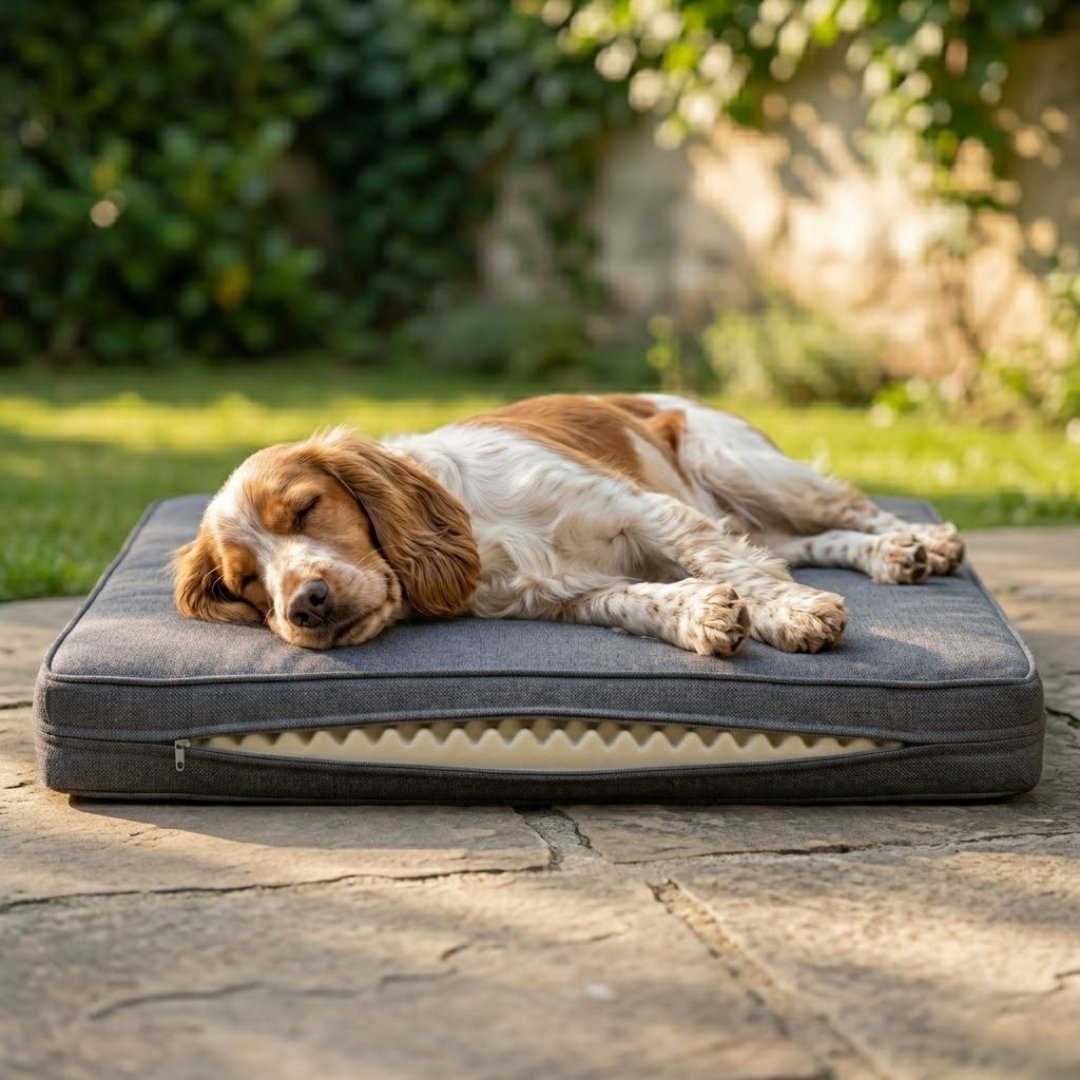
An egg-crate foam dog bed has a unique design. Its peaks and valleys offer more than just padding. They help reduce pressure points and provide comfort.
Here’s how egg-crate foam benefits your senior dog:
- Air channels between the peaks improve breathability and prevent overheating
- The textured surface massages your dog’s body as they shift positions
- Heavier body parts compress the foam while lighter areas receive gentler support
- The design promotes better air circulation throughout the bed
Egg-crate foam is great for dogs who rest a lot. It prevents pressure sores and keeps your dog comfortable. Some beds use shredded foam for a softer feel and better air flow.
Supporting Joints During Sleep and Rest
These foam technologies work together to support your dog’s joints. They keep the spine aligned, which is vital for dogs with joint issues. This reduces strain on the entire body.
During deep sleep, muscles relax, and joints can twist. Orthopedic beds prevent this by supporting the body. This leads to deeper, more restorative sleep.
Consistent support means less morning stiffness and pain. Your dog will wake up feeling better and more mobile. The foam gives joints a break, reducing inflammation.
Temperature regulation is another benefit of advanced foam. Many beds have cooling gel or breathable covers. This keeps your dog cool and comfortable all year.
Why Orthopedic Beds Matter for Aging Dogs: The Science-Backed Benefits
Orthopedic beds are key for aging dogs, backed by science. They help keep your dog healthy and happy. Let’s dive into how these beds improve your senior dog’s comfort.
As dogs get older, the right bed is more important. Orthopedic beds support joints and ease pain. This is not just marketing; vets agree they’re good for your dog’s health.
Important note: What I share is general advice, not a substitute for vet advice. Always talk to your vet about your dog’s needs.
Improved Sleep Quality and Faster Recovery
Good sleep is vital for aging dogs, just like for humans. Orthopedic beds help your dog sleep better. This means they can recover faster.
Dogs who sleep well are happier and more energetic. Orthopedic beds reduce pain, so your dog can rest better. This leads to longer, more restful sleep.
As dogs age, sleep becomes even more important. Orthopedic beds help them heal better. This means a better life for your pet.
Reduced Morning Stiffness and Pain
Senior dogs often wake up stiff and in pain. Orthopedic beds help by supporting joints all night. This makes it easier for them to move in the morning.
Orthopedic beds also reduce inflammation and pressure. This means less pain for your dog. Some beds are even breathable, which helps even more.
This is great for dogs with arthritis. It helps them move better and feel less pain. This is good for their joints over time.
Better Spinal Alignment for Overall Health
Proper posture while sleeping is important. It affects your dog’s nervous system, organs, and overall health. Orthopedic beds help keep the spine aligned.
Bad posture can cause problems like nerve issues and breathing problems. Orthopedic beds support the spine. This keeps your dog comfortable and healthy.
Vets say orthopedic beds are vital for older dogs. They help protect the spine and keep your dog moving. This is important for their comfort as they age.
Temperature Regulation for Year-Round Comfort
Good orthopedic beds keep your dog comfortable all year. They’re made to breathe and regulate temperature. This is important because extreme temperatures can hurt joints.
In warm weather, these beds keep your dog cool. In cold weather, they keep them warm. This helps your dog stay comfortable and heal better.
Keeping a comfortable temperature helps your dog sleep better. This is key for their recovery and health. It makes a big difference in their life.
| Benefit Category | Primary Impact | Long-Term Advantage |
|---|---|---|
| Sleep Quality | Deeper, uninterrupted rest cycles | Enhanced physical recovery and mental well-being |
| Morning Mobility | Reduced stiffness upon waking | Better joint preservation over time |
| Spinal Support | Proper alignment during rest | Improved nervous system and organ function |
| Temperature Control | Reduced inflammation from heat | Consistent comfort across seasons |
Understanding these benefits shows why orthopedic beds are worth it for senior dogs. They improve many aspects of your dog’s health. While not a cure, they help your dog rest and recover better.
Every dog is different, so watch how they react to a new bed. If you’re worried about your dog’s health, talk to your vet. They can give advice tailored to your pet.
What to Look for in a Quality Orthopedic Dog Bed
Choosing the right orthopedic dog bed is key for your senior dog’s comfort. The market has many options, but only certain beds offer real benefits. Knowing what to look for can greatly improve your dog’s life.
Let’s explore the key features that make a bed premium and supportive.
Foam Density and Thickness Requirements
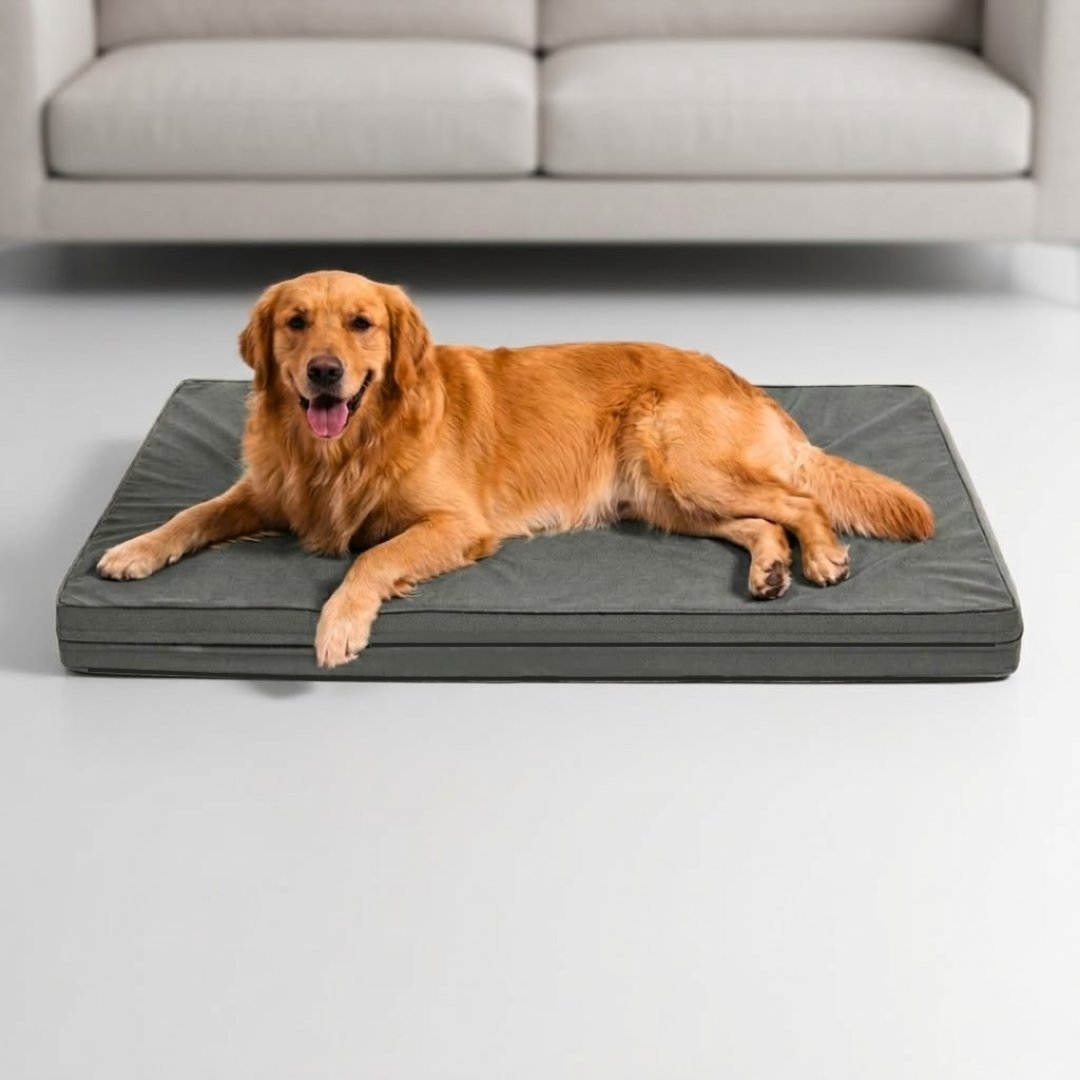
The bed’s foam is its core. Look for beds with foam that’s at least 4 to 5 inches thick. This thickness ensures your dog’s joints are cushioned and they don’t sink to the floor.
Foam density is also critical. Good orthopedic beds have foam with a density of 3 to 5 pounds per cubic foot. This density keeps the foam firm over time, without losing shape or getting indented.
Lower-quality beds use foam that compresses fast. In weeks, these beds lose their support and become like a blanket on the floor.
Washable, Removable Covers for Hygiene
Senior dogs need easy-to-clean beds due to hygiene issues. Machine-washable covers are a must. They help keep the bed clean and hygienic.
Look for covers with strong zippers that can handle washing. Waterproof liners inside add extra protection, keeping accidents from reaching the foam.
The Orthopedic Dog Bed with Washable Cover is a great example. It’s easy to clean and protects the foam well. Washing the cover is simple, keeping the bed fresh and clean.
Non-Slip Base for Safety and Stability
A bed that slides is dangerous, more so for dogs with mobility issues. I’ve seen senior dogs slip and fall, which can hurt their joints.
Quality beds have rubberized or textured bases that stick to floors. This stability helps your dog feel safe, encouraging them to use the bed more.
Make sure the non-slip material covers the whole bottom. This prevents the bed from shifting, keeping your dog safe all day and night.
Size Considerations for Your Dog’s Breed and Weight
Choosing the right size is important. Measure your dog from nose to tail, then add 6 to 12 inches. This ensures the bed is big enough.
Think about how your dog sleeps too. Smaller dogs can curl up in smaller beds, while bigger dogs need more space. Heavier dogs need thicker foam to avoid sinking.
- Small breeds (under 25 lbs): 24-30 inch beds with 3-4 inch foam
- Medium breeds (25-60 lbs): 30-40 inch beds with 4-5 inch foam
- Large breeds (60-90 lbs): 40-48 inch beds with 5-6 inch foam
- Extra-large breeds (over 90 lbs): 48+ inch beds with 6-7 inch foam
If unsure, choose a bigger bed. It should give your dog enough room to move and change positions comfortably. A too-small bed can make your dog’s joints hurt, defeating the purpose of the bed.
Signs Your Aging Dog Needs a Bed Upgrade
As dogs get older, they often show signs that their bed isn’t comfortable anymore. They might need a new bed to support their joints. Paying attention to these signs can help improve their comfort.
Physical Struggles With Transitions
One sign is when a dog takes longer to stand up or hesitates before lying down. You might hear them groaning or whimpering when changing positions. This means their bed isn’t cushioning their joints well.
Some dogs circle a lot before settling down, only to get up again. This shows they’re trying to find a comfortable spot. If your dog doesn’t want to use their bed, it’s time for a change.
Nighttime Restlessness and Position Shifting
Dogs who constantly shift positions throughout the night or wake up a lot might have sore joints. A firm or worn-out bed can make this worse. A good orthopedic bed can help a lot.
You might see your senior dog moving around at night. They might not be able to stay in one spot. Dogs, including seniors, prefer supportive beds.
Abandoning Their Bed for Alternative Surfaces
When dogs choose the couch or carpet over their bed, they’re looking for better support. This isn’t about being stubborn. It’s a sign they need a new bed.
Tests show dogs feel better on supportive surfaces. Your dog knows what’s comfortable for them. If they avoid their bed, it’s a clear sign they need a change.
Observable Physical Symptoms
Visible swelling, favoring certain limbs, or stiffness are clear signs. You might see your dog limping or stiff in the morning. While these need vet attention, a good bed can help too.
Joint stiffness is worse after lying on a bad surface for hours. Watch how your dog moves after getting up. If they’re stiff, their bed isn’t doing its job.
Watch these signs for a few days to see patterns. Note when symptoms are worst and which surfaces your dog prefers. This helps pick the right orthopedic bed and gives your vet useful info.
Vet-Informed Tips for Supporting Your Senior Dog’s Comfort at Home
Vets say a comfy home for senior dogs is more than just the right bed. An orthopedic bed works best with a full plan for your dog’s health. Here are vet tips to make your dog’s bed better and meet other comfort needs.
Think of your dog’s comfort as a system. Each change helps your pet move better and live better.
Placement Matters: Where to Put the Orthopedic Bed
Where you put your dog’s bed is key. Place it in a quiet, draft-free area where they like to rest. Avoid places near heating vents or windows that change the temperature.
Keep the bed on the ground if you can. Stairs are hard on dogs with joint problems. If your home has stairs, put beds on each floor so your dog doesn’t have to climb up and down.
Don’t keep your dog away from family. Put beds in rooms where everyone hangs out. This lets your dog rest while staying close to their people.
Have multiple bed locations in your home. This gives your dog choices and makes it easier for them to find a comfy spot.
Combining Orthopedic Bedding with Other Mobility Aids
Orthopedic beds work best with other aids for senior dogs. A full plan helps your pet feel comfortable and safe all day.
Ramps and steps help avoid jumping stress on joints. Place ramps near your dog’s favorite spots.
Non-slip rugs and mats help on slippery floors. Hard floors can be dangerous for dogs with weak muscles. Place rugs to make paths safe.
Raised food and water bowls ease neck and shoulder strain. This helps with the support from orthopedic beds, keeping your dog aligned all day.
Keep your dog active to keep muscles strong. Talk to your vet about gentle activities like walks or swimming. These help with the rest they get on their beds.
Monitoring Your Dog’s Response and Adjusting Care
Watch how your dog reacts to the orthopedic bed. You’ll see improvements in a few weeks.
Look for longer, more restful sleep and less moving during rest. Dogs with better support settle faster and wake less. They might move easier in the morning too.
If your dog chooses to use the bed more, it’s working. Better mood and more family time are also good signs.
If you don’t see these signs in three to four weeks, try changing things. Move the bed, check the room temperature, or see if the bed is right for your dog. Some like it firmer, others softer.
When to Consult Your Veterinarian for Professional Guidance
Orthopedic beds are great, but they’re not a replacement for vet care. The tips here are general advice, not specific for your pet.
See a vet if your dog’s mobility or behavior changes suddenly. A quick decline in walking or standing needs a vet check.
Pain signs like whimpering or being aggressive when touched mean you need a vet. These could be signs of serious issues that need more than a bed.
If your dog won’t use any bed or can’t find a comfy spot, talk to your vet. This could mean they’re in too much pain for a bed to help.
If your dog doesn’t get better with a bed and other changes, they might need more help. Your vet can suggest treatments, meds, or lifestyle changes for your pet.
| Comfort Strategy | Primary Benefit | Implementation Tip | Expected Timeline |
|---|---|---|---|
| Orthopedic Bed Placement | Better sleep quality and joint support | Position in quiet, draft-free areas on ground level | Immediate use, benefits within 1-2 weeks |
| Ramps and Steps | Reduced joint impact from jumping | Install at gentle inclines near furniture and vehicles | Training period of 3-7 days |
| Non-Slip Flooring | Improved traction and confidence | Place rugs along main pathways | Immediate stability improvement |
| Raised Food Bowls | Decreased neck and shoulder strain | Elevate to shoulder height when standing | Immediate comfort during meals |
| Regular Monitoring | Early detection of changing needs | Observe sleep patterns and mobility daily | Ongoing assessment |
Every dog ages differently. What works for one might not work for another. Keep talking to your vet to make sure your dog gets the best care.
Shop This Post
If you’re ready to give your senior dog the comfort they deserve, I’ve found a bed that checks all the boxes. The Orthopedic Dog Bed from Egg-Crate Foam with Removable Washable Cover brings together everything I’ve discussed throughout this article into one thoughtfully designed solution.
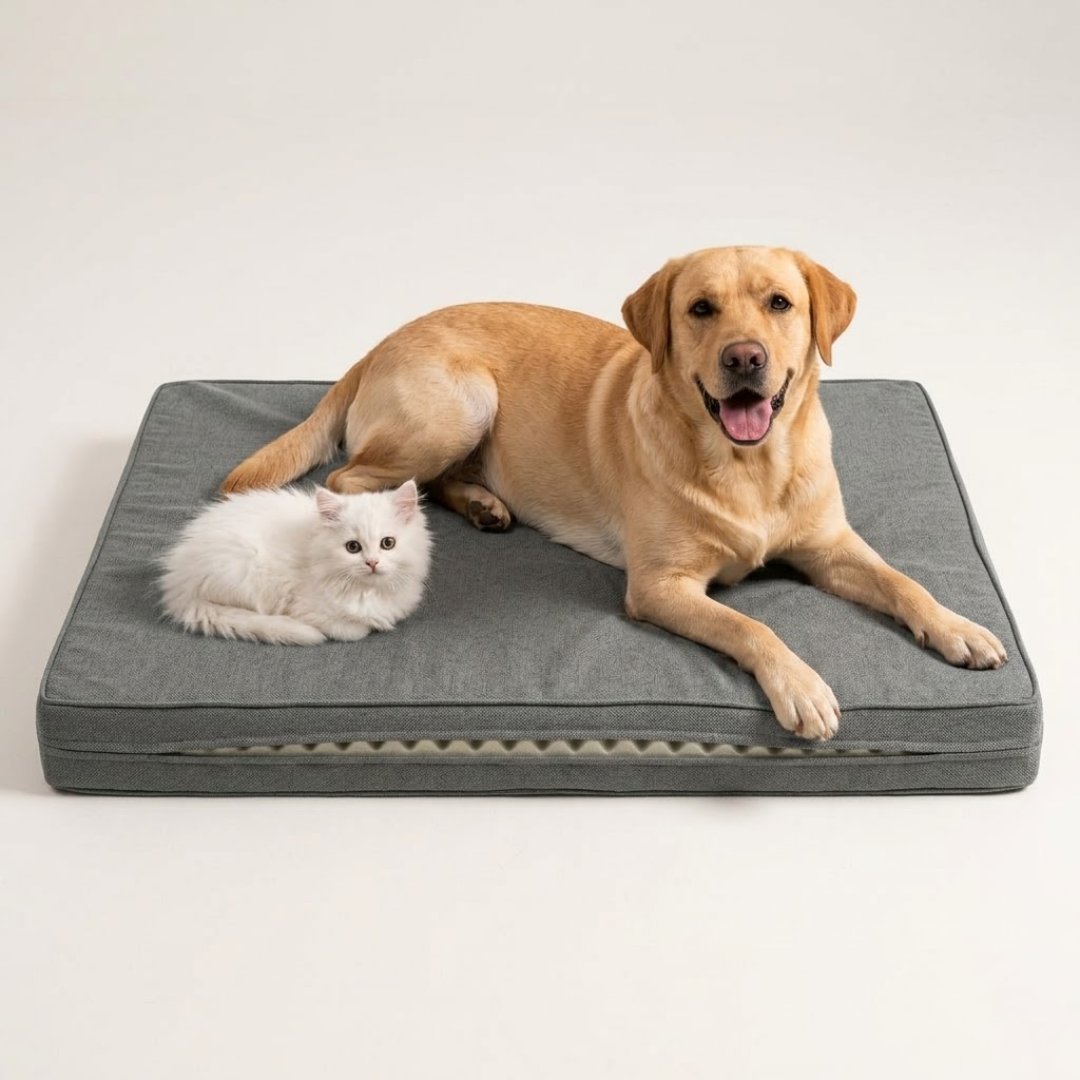
This bed features egg-crate orthopedic foam that provides the joint support your older dog needs. The contoured peaks-and-valleys construction addresses the pressure points we talked about earlier, helping to reduce morning stiffness and improve overall comfort during rest.
What makes this one of the best joint support beds for older dogs? It’s the combination of practical features that matter most to pet parents like us.
The removable, washable cover makes maintenance simple and keeps the bed fresh for your dog. I know how important hygiene is, for senior dogs who may have occasional accidents or simply need a clean sleeping surface.
| Feature | Benefit for Your Senior Dog | What It Means for You |
|---|---|---|
| Egg-Crate Orthopedic Foam | Reduces joint pressure and pain | Fewer vet visits for mobility issues |
| Washable Cover | Clean, hygienic sleeping surface | Easy maintenance and odor control |
| Versatile Fit (Crate, Floor & Travel) | Comfortable support wherever your dog rests | One bed that works at home and on the go |
| Durable Foam Construction | Proper support for body weight | Long-lasting comfort, not a bed you’ll replace every year |
The bed also fits neatly into a crate, lays flat on the floor, or travels with you — so your senior dog gets the same joint support wherever they settle down. This addresses the safety and consistency concerns I mentioned earlier about dogs needing a stable, familiar surface to rest on. Investing in proper orthopedic bedding is one of the most meaningful ways to support an aging pet’s comfort at home.
I appreciate that this bed’s egg-crate foam design is built specifically to target the needs of aging dogs. The peaks-and-valleys structure provides support without being too firm, and the overall design promotes better spinal alignment during sleep — whether it’s tucked in a crate, placed on the floor, or packed for a trip.
This isn’t just another dog bed. It’s a practical investment in your pet’s quality of life. When I see how much difference the right joint support beds for older dogs can make, I know it’s worth every penny.
Your senior dog has given you years of companionship and love. Providing them with proper orthopedic support during their golden years is a simple way to give back. The Orthopedic Dog Bed with Removable Washable Cover makes that easy to do.
Conclusion
Watching our dogs grow older can be tough. But, providing proper support is not hard. An orthopedic bed can really help aging joints and make your senior dog more comfortable.
Take a moment to watch your dog sleep. Do they struggle to get up? Do they keep changing positions at night? These signs mean their bed might not be supportive enough.
Quality orthopedic beds with the right foam can make a big difference. Your dog deserves to sleep well after all the years of loyalty. This investment can help with mobility, reduce morning stiffness, and improve their life quality.
It’s time to check your senior dog’s sleeping setup. Look at the foam density, washable covers, and size. Also, talk to your vet about your pet’s needs. Every dog is different, and a vet can offer valuable advice.
Your aging companion has given you so many happy memories. Giving them supportive bedding is a loving act. Even small changes can make a big difference in your senior dog’s daily life.
FAQ
At what age should I start considering an orthopedic bed for my dog?
I suggest thinking about an orthopedic bed for your dog when they’re a senior. This age varies by breed, but it’s usually around 7 years for big dogs and 10-11 years for small ones. But, don’t wait for a specific age.
If your dog has trouble getting up, seems restless at night, or hesitates to lie down, an orthopedic bed can help. Dogs with joint issues like hip dysplasia or arthritis need support early on. It’s better to get supportive bedding early than to wait until mobility problems get worse.
How do orthopedic beds help dogs with arthritis?
Orthopedic beds help dogs with arthritis by spreading their weight evenly. This reduces pressure on sore joints. The foam shapes to your dog’s body, cushioning sensitive areas.
This support keeps the spine aligned, preventing more strain on joints. Dogs with arthritis sleep better and move easier after waking. Orthopedic beds don’t cure arthritis, but they make daily life more comfortable and reduce pain.
What’s the difference between memory foam and egg-crate foam dog beds?
Memory foam molds to your dog’s body, providing customized support. It keeps its shape over time, giving consistent support. Egg-crate foam has a textured surface that’s breathable and reduces pressure points.
Memory foam is better for dogs with severe arthritis or joint pain. Egg-crate foam is great for dogs who get hot or need better pressure distribution. Many beds combine both for the best of both worlds.
Are orthopedic dog beds worth the investment for senior dogs?
Yes, orthopedic beds are a great investment for senior dogs. They improve sleep, reduce pain, and enhance comfort. This makes a big difference in your dog’s happiness and health.
Dogs sleep a lot, so the bed they sleep on is very important. A good orthopedic bed lasts a long time, making it a worthwhile purchase. Many owners wish they’d gotten one sooner after seeing the improvement in their dog’s mobility and mood.
How thick should an orthopedic dog bed be for maximum support?
For the best support, look for beds that are at least 4-5 inches thick. This thickness prevents your dog from sinking too far into the foam. Larger or heavier dogs might need beds that are 6-7 inches thick.
The foam’s density is also important. Look for beds with foam that’s 3-5 pounds per cubic foot. This is dense enough to support but not too hard. Thinner beds or those with low-density foam won’t last long and won’t provide much support.
Can orthopedic beds prevent joint problems in older dogs?
Orthopedic beds can’t stop joint problems from getting worse with age. But, they can slow down the process and make it less severe. They support healthy spinal alignment and reduce pressure on joints.
This helps prevent further damage. Dogs sleeping on hard surfaces can develop pressure sores and muscle tension. Orthopedic beds address these risks, helping your dog’s joints stay healthy longer. For the best results, combine orthopedic beds with exercise, weight management, and regular vet visits.
Do I need a waterproof orthopedic dog bed for my senior dog?
Yes, it’s a good idea to get a waterproof orthopedic bed for your senior dog. As dogs age, they may have accidents or incontinence issues. A waterproof layer protects the foam from moisture damage.
It prevents odors and bacteria buildup. Look for beds with a waterproof liner and a removable, washable cover. This keeps the bed clean without losing its supportive benefits. Waterproof protection is important, even if your dog hasn’t had accidents yet.
How do I know if my dog’s orthopedic bed needs to be replaced?
Check your dog’s orthopedic bed regularly for signs of wear. Look for visible sagging or flattening. If you can press down on the foam and it doesn’t spring back, or if you feel the floor through the foam, it’s time for a new bed.
Other signs include permanent body impressions, visible tears, or persistent odors. Behavioral changes, like restlessness or seeking other surfaces, also indicate a worn-out bed. Quality orthopedic beds last 2-4 years with proper care, depending on your dog’s size and the bed’s construction.
Where is the best place to position my dog’s orthopedic bed in the house?
The best spot for your dog’s orthopedic bed balances comfort, accessibility, and social needs. Place it in a quiet area away from drafts and high-traffic zones. This ensures uninterrupted rest without constant disturbance.
It should be accessible but not isolated. Dogs sleep better when they can see and hear their family. Ground-level rooms are best for senior dogs to avoid stairs. Position the bed away from heating vents or cold windows for better temperature control.
Many senior dogs prefer orthopedic beds in multiple locations. This allows them to choose based on their comfort needs. If your dog has mobility issues, place the bed along their path to make it easy to find.
Can orthopedic beds help with my dog’s hip dysplasia?
Yes, orthopedic beds can help dogs with hip dysplasia by reducing pressure on sore joints. Hip dysplasia causes the hip joint to fit improperly, leading to pain and arthritis. Dogs with this condition sleep better on orthopedic beds, which cushion the hip area.
This allows the joint to rest in a more neutral position. Orthopedic beds don’t cure hip dysplasia, but they’re an important part of comfort management. They work alongside veterinary treatment, weight management, and exercise to improve your dog’s quality of life.
Are there any downsides to orthopedic dog beds?
The main concerns with orthopedic beds are the initial cost and maintenance. They’re more expensive than regular dog beds, but the benefits are worth it. Some dogs may find the firmer support different at first, but they’ll adjust.
Memory foam can retain heat, which might be uncomfortable for dogs in warm climates. Many modern orthopedic beds have cooling gel layers or breathable covers to address this. The beds can also be heavier and bulkier than standard options, making them less portable. Despite these minor drawbacks, the benefits of orthopedic beds for aging dogs far outweigh them.
Should I get a bolster or flat orthopedic bed for my senior dog?
The choice between bolster and flat orthopedic beds depends on your dog’s sleeping style and mobility. Bolster beds are great for dogs who like to rest their heads on raised edges. They provide a sense of security and comfort.
Flat orthopedic beds are better for dogs with mobility issues, arthritis, or larger breeds. They’re easier to get on and off and allow dogs to stretch out fully. If your dog loves bolsters but has mobility challenges, look for beds with a lower-profile bolster or removable bolster option. Having both styles available in different rooms lets your dog choose based on their comfort needs.
How often should I wash my dog’s orthopedic bed cover?
Wash your dog’s orthopedic bed cover every 1-2 weeks to keep it clean and reduce allergens. For dogs with incontinence issues or skin conditions, wash it weekly. If there’s an accident or the bed gets dirty, wash it right away to prevent odors and bacteria.
Having a spare cover lets you rotate between washings, ensuring your dog always has a clean bed. Use pet-safe, fragrance-free detergent and avoid fabric softeners. Most covers can be machine washed in cold or warm water and tumble-dried on low heat. Always check the care instructions. Regular washing keeps the bed clean and lets you check the foam’s condition.
Do veterinarians recommend orthopedic beds for senior dogs?
Yes, veterinarians recommend orthopedic beds for senior dogs, including those with arthritis or joint issues. They see orthopedic bedding as a non-pharmaceutical way to improve your dog’s quality of life. It provides pain relief, supports better sleep, and maintains spinal alignment.
Vets view orthopedic beds as an important part of home care that can reduce the need for pain medication. While they’re not a replacement for veterinary treatment, they’re a valuable addition. Always discuss your dog’s specific needs with your vet, as they can provide personalized advice on orthopedic bedding and other interventions.
Can younger dogs with joint problems use orthopedic beds too?
Yes, younger dogs with joint problems can also benefit from orthopedic beds. While we often think of them for senior dogs, they’re also great for younger dogs with joint issues. Providing proper bedding early can slow joint deterioration by reducing daily stress.
Large-breed puppies with hip dysplasia or other joint issues benefit from orthopedic beds during their growth phases. Dogs recovering from orthopedic surgeries heal better with supportive bedding. Even active dogs benefit from orthopedic beds for recovery between activities. Orthopedic support is important for any dog with joint discomfort, regardless of age.