
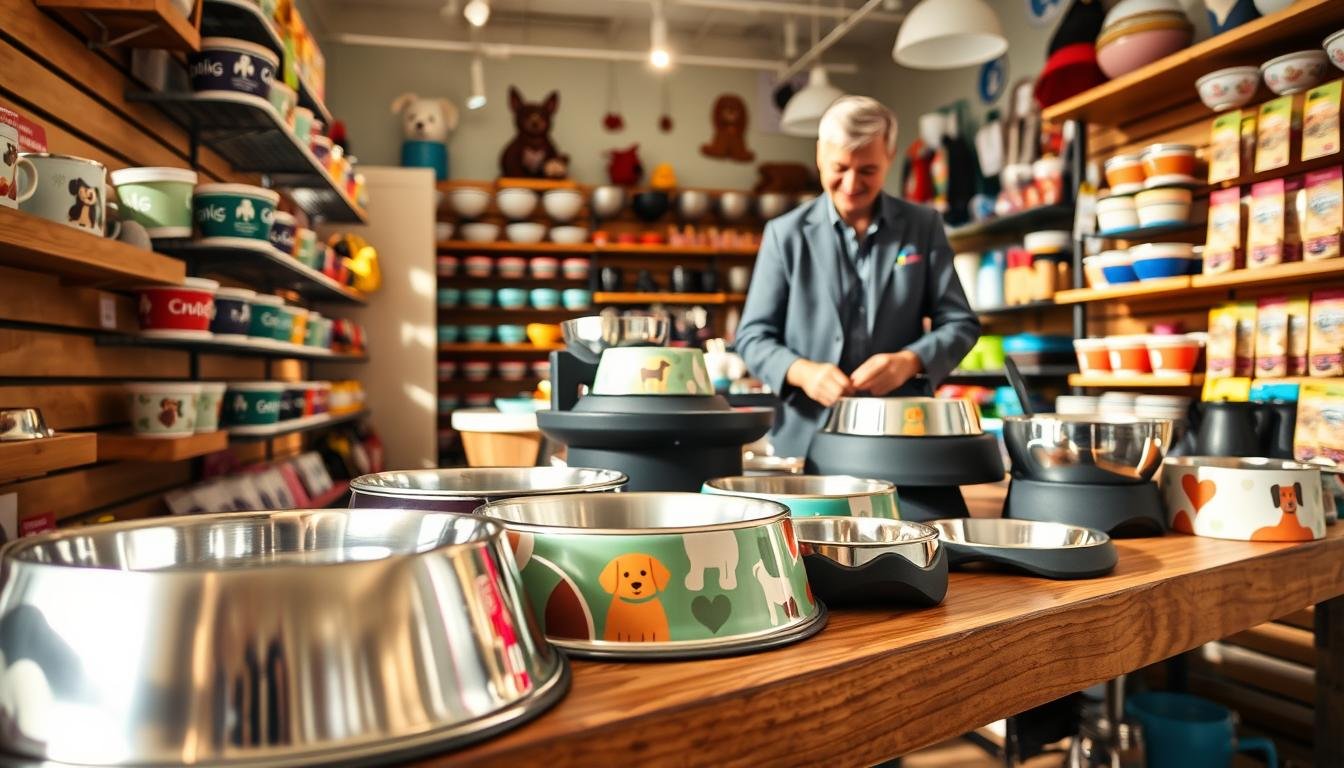
Ever stood in a pet store aisle, staring at dozens of feeding dishes, and wondered which one your pup actually needs?
I remember that exact moment myself, unsure whether my dog needed stainless steel, silicone, or something fancier with a rubber base. The choices seemed endless, and none of them explained what really mattered for my pup’s comfort.
This guide isn’t about picking a cutest-looking dish on store shelves. It’s about finding one that truly fits your pet’s size, eating style, and daily routine.
Inside, you’ll learn how bowls should be sized by breed, matched to different eating habits, and compared across materials like stainless steel, ceramic, and silicone. I’ll also break down elevated versus standard designs, plus specific picks for fast eaters, messy drinkers, frequent travelers, and everyday home use, along with a quick comparison chart near the end.
Updated for 2026, every recommendation here comes from hands-on testing and real feedback from pet owners, not marketing claims alone. My goal is simple: help you skip guesswork and land on a dish your pup will actually use, meal after meal.
Key Takeaways
- Match bowl size and depth to your pet’s breed, age, and jaw shape for comfortable eating.
- Consider eating style, as fast eaters, slow sippers, and messy drinkers each need different dish designs.
- Weigh material trade-offs among stainless steel, ceramic, and silicone based on durability, hygiene, and cost.
- Decide between elevated and standard designs based on your pet’s joint health and mealtime posture.
- Look for specific picks tailored to travel needs, multi-pet households, and everyday home use.
- Use quick-reference comparison charts to simplify final purchase decisions quickly and confidently.
- Trust recommendations backed by hands-on testing and real feedback from pet owners, not marketing hype alone.
1. Understanding Why the Right Dog Bowl Matters More Than You Think
Is a dog bowl just a bowl, or does the right choice really make a difference? The answer is a clear yes. It matters more than most pet owners think.
The right bowl impacts digestion, joint comfort, hydration habits, and even safety. Some studies link elevated dog bowls to a higher risk of bloat. This serious condition can be fatal in dogs. So, choosing the right bowl is not just about looks or matching your kitchen decor.
A bad match between your dog and their bowl causes everyday problems. Water spills on your floor. Long-eared breeds like Basset Hounds or Cocker Spaniels can get ear infections from wet food. Fast eaters often vomit soon after because their stomachs can’t handle it.
These issues may seem small, but they add up to real discomfort for your dog and extra work for you. That’s why I created this dog bowl selection guide.
In the rest of this article, I’ll explain how size, eating habits, material, and daily use case affect your dog’s needs. No need to guess, just clear advice you can use today.
2. How to Choose the Right Dog Bowl Based on Your Dog’s Size and Breed
Before buying a bowl, I always ask: what size does my dog need? It’s not just about looks. The bowl must hold enough food and water for the day. It also needs to fit your dog’s muzzle shape.
Narrow-snouted dogs do better with smaller, deeper bowls. Wide-faced breeds need bowls that fit their whole face without squishing. Finding the right size dog bowl depends on your dog’s build, not just their weight.
Toy and Small Breeds
Small dogs prefer shallow, narrow bowls that fit their tiny mouths. A bowl that’s too wide or deep can be scary and cause spills.
I look for compact designs that hold a full meal without wasting space. This makes mealtime tidy and stress-free for dogs like Chihuahuas, Yorkies, and Shih Tzus.
Medium Breeds
Medium dogs need a bit more room. A mid-depth bowl usually holds enough food and water for a full day without being too bulky.
Choosing the right size dog bowl here means finding a balance between capacity and convenience. Breeds like Beagles or Border Collies do well with bowls that hold a generous portion but fit neatly in a kitchen corner.
Large and Giant Breeds
Big dogs need wider, deeper, and often heavier bowls that won’t tip during meals. These bowls should hold larger portions to avoid constant refilling.
If your dog has long ears, like a Basset Hound or Cocker Spaniel, a narrow-mouthed bowl keeps those ears out of the food and water. This small design detail helps prevent messy meals and reduces the risk of ear infections. Matching bowl size to breed truly makes daily feeding easier for everyone.
3. How to Match a Bowl to Your Dog’s Eating Habits
Does my dog’s eating style really change what bowl I need? Yes, and the difference is bigger than you’d think.
Choosing dog feeding bowls isn’t just about size or material. It’s also about how your dog eats. A bowl that works for a slow eater might be a disaster for a fast one.
Matching the bowl to the habit solves a lot of headaches before they start. Here’s how I break down the three eating styles I run into most often.
Fast, Gulping Eaters
If your dog eats fast, you know the mess that follows. Eating too fast can lead to bloat, choking, and vomiting.
Slow-feed bowls with raised ridges help a lot here. These ridges act like tiny speed bumps, forcing your dog to eat slower.
This small design change can improve digestion and cut down on choking risks. I’ll show you my favorite slow-feeder pick later in this guide, as it deserves its own spotlight.
Slow or Picky Eaters
Some dogs have the opposite problem. They sniff around, hesitate, and sometimes walk away from a full bowl entirely.
For these pups, I lean toward shallow, low-sided bowls. A wide, open shape feels less intimidating and keeps sensitive whiskers from brushing against tall walls, which bothers some dogs more than you’d expect.
Warming the food slightly can help too. It releases more aroma and often turns a skipped meal into a finished plate.
Multi-Pet Households
Feeding more than one dog brings its own set of challenges. Bowls placed too close together can trigger food guarding, even between dogs who normally get along just fine.
- Give each dog their own bowl for both food and water.
- Space bowls several feet apart to ease tension during meals.
- Match bowl height and size to each dog instead of using one style for everyone.
A small terrier and a large retriever shouldn’t share identical bowls. Tailoring each setup to the individual dog keeps mealtime calm, fair, and stress-free for the whole household.
4. Choosing the Right Material: Stainless Steel, Silicone, and Melamine
“Which material is actually best for my dog?” I get asked this a lot. The answer depends on your dog’s habits, your cleaning routine, and your budget.
Knowing the different dog bowl material types helps avoid regret. Each has its own strengths and weaknesses. Let me share what I’ve learned from testing bowls with dogs of all sizes and temperaments.
Stainless Steel Bowls
I usually suggest stainless steel dog bowls for most homes. They’re easy to clean, won’t scratch, and safe for your dog’s food and water.
But, they can be heavy. A light steel bowl might slide or tip over if your dog pushes it during meals.
To fix this, pair steel bowls with a rubber base or non-slip mat.
Silicone Bowls
Silicone bowls are flexible and easy to carry. They fold flat for travel, don’t crack, and can survive drops.
But, they hold onto smells. You need to scrub them well after each use to remove food residue.
Melamine Bowls
Melamine bowls are stylish and affordable. They come in many colors and patterns to match your kitchen. They’re also cheaper than steel or silicone bowls.
But, they scratch easily. Tiny scratches can trap bacteria if not cleaned well. Always check if a bowl is food-grade and non-toxic before buying.
An active, chewing dog needs tough materials. A calm senior who eats slowly at home might do fine with softer materials. Choosing the right material is a lifestyle choice, not just a style preference.
| Material | Durability | Cleaning Ease | Typical Price |
|---|---|---|---|
| Stainless Steel | Excellent, resists dents and scratches | Dishwasher-safe, wipes clean instantly | $10–$25 |
| Silicone | Good, flexible and crack-resistant | Hand wash recommended, can trap odor | $8–$20 |
| Melamine | Fair, prone to surface scratching | Dishwasher-safe but wears faster | $6–$15 |
5. Elevated vs Regular Dog Bowls: Which One Does Your Dog Need?
Should I use an elevated bowl for my dog? Owners of large and giant breeds often think a raised feeder is better. But the answer is not simple.
Some studies show elevated bowls might raise the risk of bloat. Bloat is a serious issue, hitting deep-chested breeds hard. So, choosing a bowl height should be based on your dog’s health, not just looks.
When an Elevated Bowl Helps
Raised feeders can make life easier for dogs with certain health issues. They help senior dogs with arthritis or joint pain. Dogs with megaesophagus also benefit, as gravity helps food and water reach their stomachs.
If your dog has one of these conditions, an elevated bowl might be a good choice. But always talk to your veterinarian first. They know your dog’s health better than any product description.
When to Stick with a Regular Bowl
For most healthy dogs, a regular, ground-level bowl is safer. There’s a strong link between elevated bowls and bloat, even if it’s not proven. So, I recommend a floor-level bowl for most dogs.
Unless your vet says your dog needs an elevated bowl, keep it on the floor. This is true for most puppies and small dogs, too.
| Dog Type or Condition | Recommended Bowl | Why It Fits |
|---|---|---|
| Senior dog with arthritis | Elevated | Reduces neck and joint strain while eating |
| Deep-chested breed (Great Dane, Doberman) | Regular | Lower association with bloat risk |
| Dog with megaesophagus | Elevated (vet-approved) | Gravity assists swallowing and digestion |
| Healthy adult dog, no joint issues | Regular | No added benefit, avoids unnecessary risk |
| Small or toy breed | Regular | Low bloat risk, easy floor-level access |
6. Best Bowls for Fast Eaters and Bloat Prevention
Watching my dog eat her kibble in under a minute was always a worry for me.
The best bowl for a fast eater is a slow feeder dog bowl. It has raised ridges or maze-like compartments. These force your pup to slow down and chew.
These bowls turn mealtime into a puzzle, not a race. This lowers the risk of bloat, vomiting, and discomfort. My top pick is the Dog Puzzle Slow Feeder Bowl.
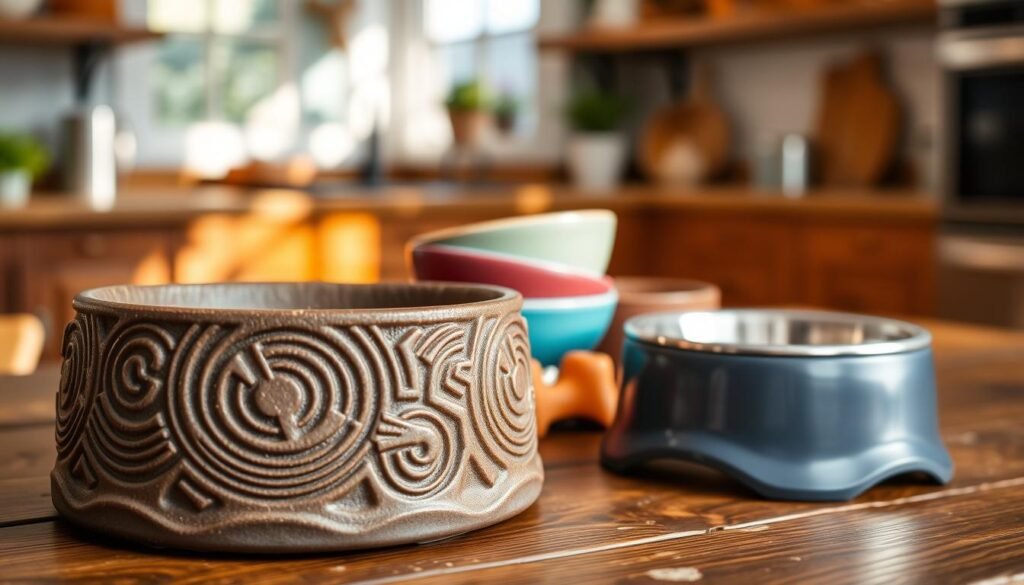
Dog Puzzle Slow Feeder Bowl
This bowl is like a brain game, not just a feeding dish. That’s its purpose.
Made from safe plastic, it challenges your dog’s nose, tongue, and paws with every bite.
Key Features
- Maze-like raised ridges that break kibble into small, manageable portions
- Durable, BPA-free food-safe plastic construction
- Works well with dry kibble and can handle lightly moistened wet food
- Non-slip base that keeps the bowl steady during enthusiastic eating
Pros
- Slows down eating speed, reducing the risk of bloat and vomiting
- Adds mental stimulation and enrichment to daily meals
- Budget-friendly compared to many other puzzle feeders on the market
- Lightweight and easy to move between rooms or pack for trips
Cons
- Some dogs get frustrated at first and need a few tries to adjust
- The ridged design is trickier to scrub clean than a flat, smooth bowl
- Not the best fit for raw diets or very wet food, which can pool in the grooves
Dogs that gulp their food too quickly face a higher risk of bloat, a fast-moving and potentially life-threatening condition that needs prompt veterinary care.
Despite the cleaning challenge, this bowl is a top choice for slow feeder dog bowls. It’s an affordable, low-risk upgrade that can make a big difference for a dog who eats too fast.
7. Anti-Tip and Non-Slip Designs for Messy Drinkers
How do I stop my dog from tipping or sliding their water bowl every time she takes a drink? I asked myself this exact question after mopping up puddles for the third time in one week.
The answer is simpler than you’d think: switch to a bowl built with non-slip dog bowl features like a weighted base and a rubberized grip. These details keep the bowl planted, even when your dog nudges it, paws at it, or drinks with more enthusiasm than grace.
Some spill-proof designs go a step further by using a floating disk inside the bowl. Your dog’s tongue pushes the disk down to reach the water, but if the bowl tips over during playtime, the disk keeps most of the water contained instead of soaking your floor.
One product that delivers on every one of these non-slip dog bowl features is the Anti-Tip Stainless Steel Dog Bowl. I recommend it often for households dealing with hardwood floors, playful puppies, or dogs who seem to think water bowls are toys.
Anti-Tip Stainless Steel Dog Bowl
This bowl combines a heavy-gauge stainless steel body with a wide, rubberized base that grips tile, hardwood, and laminate flooring alike. It’s built for dogs who drink fast, splash often, or simply refuse to stay gentle around mealtime.
Key Features
- Non-slip rubberized base that stays fixed to smooth flooring
- Wide, weighted bottom that resists tipping during rough play
- Stainless steel construction that resists staining, rust, and bacteria buildup
- Dishwasher-safe design for quick, thorough cleaning
Pros
- Stops sliding across kitchen and living room floors
- Reduces water spills from enthusiastic or clumsy drinkers
- Holds up well to daily use without denting or cracking
- Easy to sanitize between fills
Cons
- Bulkier and heavier than standard bowls, making it less portable
- Costs more upfront compared to a basic stainless steel bowl
- The rubber base can wear down over time and may need replacing
“A wide, weighted base does more to prevent spills than any lid or cover ever could.”
| Bowl Type | Best For | Floor Compatibility | Average Price Range |
|---|---|---|---|
| Standard Stainless Steel | Calm, careful drinkers | Carpet, textured surfaces | $8–$15 |
| Anti-Tip Stainless Steel | Messy drinkers, playful puppies | Hardwood, tile, laminate | $15–$28 |
| Spill-Proof with Floating Disk | Dogs prone to tipping bowls | Any indoor flooring | $18–$32 |
8. Best Travel and Collapsible Bowls for On-the-Go Dogs
What’s the best dog bowl for my pet on the go? It’s simple: look for something that’s light, folds up, and won’t leak.
Collapsible bowls are great for travel. They’re small when packed but expand to full size when needed. This makes them perfect for trips, training, hikes, or any outing.
I’ve tried two types that always make it into my dog’s travel bag. Each has its own benefits, depending on where you’re going.
Collapsible Silicone Pet Bowl
This bowl is my top choice for quick trips and short hikes. It’s perfect when every ounce counts.
Key Features
- Foldable design that flattens to almost nothing for storage
- Carabiner clips for attaching straight onto a bag or leash
- Food-grade silicone construction that’s safe for daily use
Pros and Cons
- Ultra-portable and dishwasher-safe for effortless cleanup
- Folds can trap odors or moisture if not dried fully
- Feels less stable when set on rocky or uneven ground
Collapsible Travel Dog Bowl
For windy or uneven places, like beaches or busy trails, I choose this sturdier bowl.
Key Features
- Fabric-and-silicone hybrid build for a firmer, steadier stance
- Wider base that resists tipping outdoors
- Compact carrying pouch for clean storage between uses
Pros and Cons
- Stays put during windy or bumpy outdoor use
- Slightly bulkier pack size than pure silicone models
- Takes a little longer to dry fully after washing
For serious hikers, the fabric hybrid is better on rough terrain. Casual users might prefer the silicone for its lightness and ease of packing.
9. Everyday Bowls for Home Use
What’s the best bowl for everyday use at home? For most dogs, it’s simple: a light, easy-to-clean bowl that doesn’t overdo it.
Standard bowls are the most common and easiest to use at home. They come in many sizes, colors, and materials. This variety makes feeding your dog every day simple. A healthy adult dog with normal eating habits doesn’t need fancy feeders. You just need something that holds food, cleans easily, and looks good on your kitchen floor.
I recommend the Melamine Small Dog Bowl for small and medium dogs. It’s a great balance of price and style.
Melamine Small Dog Bowl
This bowl won’t win any design awards, but it doesn’t need to. It’s the reliable workhorse in your kitchen, serving meals day after day without fuss.
Key Features
- Lightweight yet sturdy melamine construction that holds up to daily wear
- Wide range of colors and patterns to match your kitchen decor
- Food-grade safety certification for worry-free everyday use
- Compact sizing built for small dog breeds
Pros and Cons
The biggest plus is affordability paired with style. You’ll find a color or pattern that fits your home easily.
The downside is that melamine isn’t indestructible. It can scratch or discolor over time, even with regular washing.
If you want a stylish bowl that’s easy on your wallet, this is a good choice. Just remember it won’t last as long as stainless steel.
10. Quick Buying Guide by Use Case
I know you might not want to scroll back through everything I’ve covered just to find your answer. That’s completely fair. Some days you just need a straight answer, not a full breakdown.
So here’s my cheat sheet. It pulls together every bowl I’ve mentioned in this guide and lines them up side by side. You can scan it, spot your situation, and get on with your day.
Which Bowl Fits Your Situation
I built this table to answer one simple question: which bowl actually matches your dog’s needs and your budget? Use it as a shortcut, not a replacement for reading the full details if you’re not sure.
| Bowl Type | Best For | Price Range | Durability | Cleaning Ease |
|---|---|---|---|---|
| Dog Puzzle Slow Feeder Bowl | Fast eaters, bloat-prone dogs | $$ | Good, though ridges wear over time | Moderate, needs extra scrubbing |
| Anti-Tip Stainless Steel Dog Bowl | Messy drinkers, active dogs | $$$ | Excellent, lasts for years | Easy, dishwasher-safe |
| Collapsible Silicone Pet Bowl | Hikes, travel, quick outings | $ | Fair, not built for daily use | Easy, rinses clean fast |
| Collapsible Travel Dog Bowl | Road trips, camping, vet visits | $ | Fair to good, depends on material | Easy, wipes down quickly |
| Melamine Small Dog Bowl | Everyday home use, small breeds | $ | Good for indoor use only | Easy, top-rack safe |
Here’s my honest take on the trade-offs. The slow feeder bowl gives you the best value if bloat is your main worry, but expect to spend extra time cleaning around the ridges.
The anti-tip stainless steel bowl costs more upfront, yet it easily outlasts cheaper plastic or silicone options. If you travel a lot, the two collapsible picks win on convenience, though I wouldn’t rely on them as your dog’s everyday bowl.
And if you just want something simple for home use, the melamine bowl keeps things easy without draining your wallet.
11. Cleaning, Maintenance, and Longevity: Getting the Most from Your Bowl
I learned that the right bowl is less important than washing it often. Bacteria grow quickly, and a dirty bowl can harm my dog, even if it’s top-quality.
Wash water bowls every day, and food bowls after each meal for wet or raw food. Even dry kibble bowls need daily cleaning to prevent stale, sour smells that might make my dog lose her appetite.
Dishwasher-Safe Options
Choosing dishwasher-safe bowls saves me time. Most stainless steel, silicone, and melamine bowls can handle high heat without damage.
Here’s what I remember when washing bowls in the dishwasher:
- Stainless steel: Safe for top-rack washing without rust or damage.
- Silicone: Can handle heat and folds flat for easy storage.
- Melamine: Cleans well but should be on the top rack to avoid warping.
I use two bowls for each dog. One is in use, and the other is in the dishwasher. This way, there’s always a clean bowl ready for meals.
Controlling Odor and Bacteria Buildup
A sour-smelling bowl is bad for both me and my dog. It can make her lose interest in her food. Water bowls need extra care because they collect drool, dust, and food particles, perfect for bacteria.
I refill and rinse water bowls daily, even if they look clean. I also check every bowl for damage, like chips or cracks, because these can trap bacteria and hurt my dog’s mouth.
If I find damage, I replace the bowl immediately. Spending a few dollars on a new bowl is cheaper than a vet visit for a damaged, bacteria-filled bowl.
12. Conclusion
The best dog bowl isn’t about looks or matching your kitchen. It’s about what your dog needs. This includes size, eating speed, and material sensitivities. It also depends on their daily routine.
We explored many options together. We looked at sizes for different breeds and bowls for eating habits. We even compared materials and designs.
Each choice is about what your dog needs. Whether it’s for fast eaters, messy drinkers, or travel days. The goal is to find the right fit for your dog.
Finding the right bowl took me several tries. It’s normal to not get it right the first time.
Keep a comparison table nearby for quick reference. It helps you choose the best bowl for your dog.
Listen to your dog’s behavior, not trends or packaging. This leads to better mealtimes and a happy dog.
FAQ
How do I know I’m choosing the right dog bowl for my pet?
Choosing the right dog bowl is simple. It depends on your dog’s size, eating speed, the material you can clean easily, and where you’ll use it. By considering these factors, finding the best bowl becomes easy, not a guessing game.
What’s the right size dog bowl for a small breed versus a large breed?
Small breeds need shallow, narrow bowls to prevent spills. Medium dogs do well with bowls that hold food and water all day. Large breeds require wide, heavy bowls that hold more and don’t tip over.
Is there really a difference between dog bowl material types?
Yes, there’s a big difference. Stainless steel bowls are durable, easy to clean, and safe. Silicone bowls are flexible but can hold odors. Melamine bowls are affordable but scratch easily, so always check if they’re food-grade.
Should I choose elevated vs regular dog bowls for my dog?
It depends on your dog’s health. Elevated bowls are good for dogs with arthritis or neck pain. But for most dogs, regular bowls are safer to prevent bloat.
Are slow feeder dog bowls worth it for a dog who eats too fast?
Yes, they are. Slow feeder bowls make eating slower and safer. They also add fun to mealtime.
What should I look for when choosing dog feeding bowls for a multi-pet household?
For multiple pets, space bowls apart to avoid food guarding. Use separate bowls for water and food. Match each bowl to the size and height of each dog for a peaceful mealtime.
Why do stainless steel dog bowls come up as the top recommendation so often?
Stainless steel bowls are durable, easy to clean, and don’t harbor bacteria. The only issue is that light versions can slide, so use a non-slip base.
What non-slip dog bowl features actually make a difference for messy drinkers?
Look for rubberized bases, weighted bottoms, and wide bottoms. These features keep the bowl steady, preventing spills and messes.
What’s the best dog bowl for my pet when we’re traveling?
For travel, choose lightweight, collapsible, and leak-resistant bowls. Use a silicone bowl for quick trips and a sturdier one for outdoor adventures.
Does this dog bowl selection guide apply to puppies too?
Yes, it does. For puppies, size bowls for their current size and switch materials as they grow. Puppies often need sturdier bowls due to chewing.
How often should I really clean my dog’s bowl?
Clean your dog’s bowl every day, and after each meal for wet or raw food. Use two bowls to keep one clean while the other is in the dishwasher. Check for cracks or chips regularly.