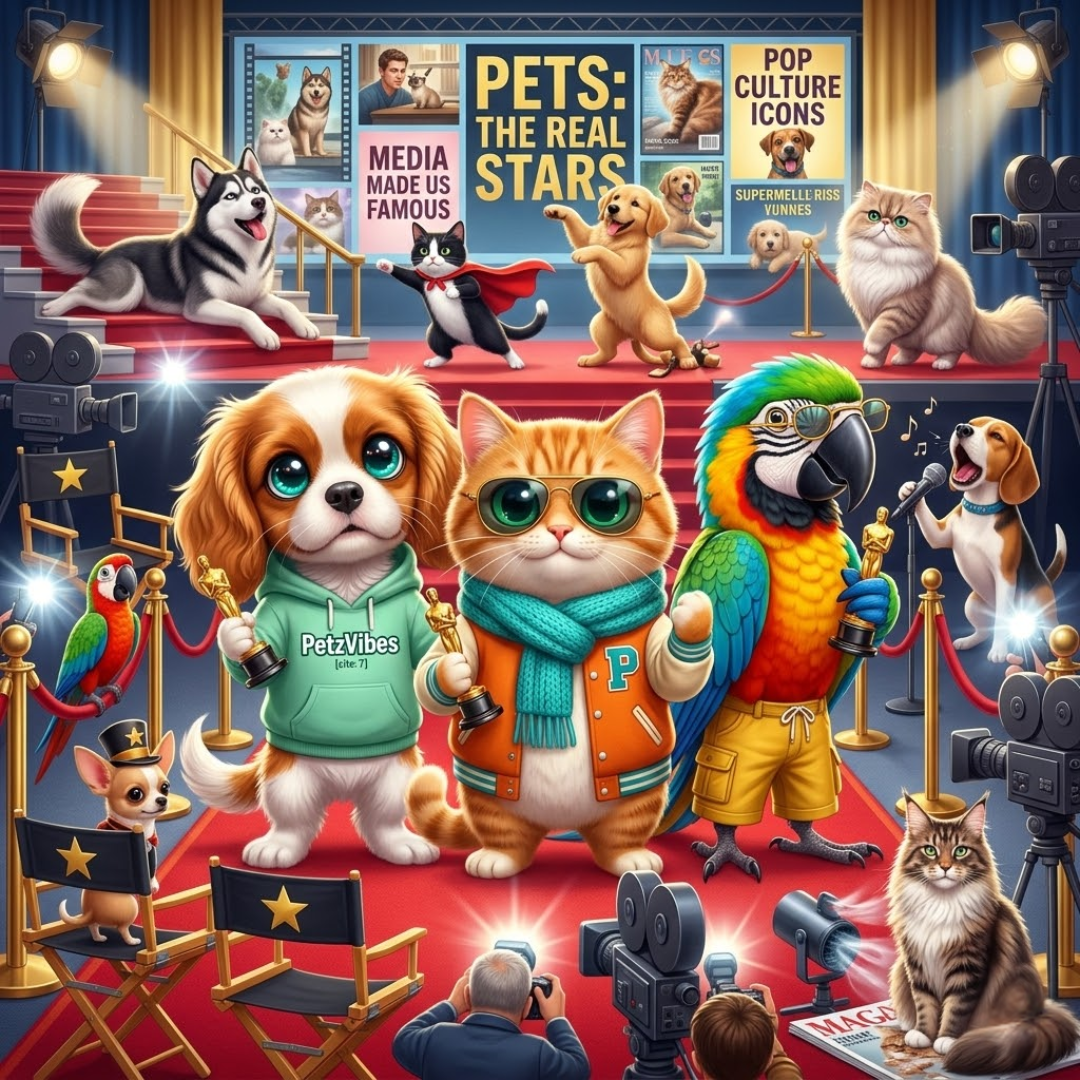
Have you ever stopped to think about how the media you consume shapes your perception of pets and animals? It’s fascinating how movies, TV shows, books, and even commercials can shape our understanding and attitudes towards animals. From the brave dog in an action-packed film to the quirky cat in a comedic show, our media is filled with animals that capture our hearts and influence our views. Let’s embark on a journey to discover how pop culture has been shaping our perception of pets and what that means for our society as a whole.
The Role of Pets in Media
Historical Depictions of Pets
Long before the age of television and film, literature and art were primary mediums for storytelling. In these early depictions, pets often served as symbols or tools for greater narratives. For example, in classical literature, dogs might symbolize loyalty, while cats might be used to emphasize mystery or independence. Understanding these roles helps shed light on how our ancestors viewed animals and how these perceptions have evolved.
The Emergence of Animals in Film and Television
With the advent of film and later television, the presence of animals in media took on new dimensions. Early films often featured animals in supporting roles, providing comic relief or emotional depth to human stories. As technology progressed, the ability to capture animals in motion added a new layer of richness to storytelling.
Modern Portrayals of Pets
Today, pets in pop culture are more complex and varied than ever. From animated features that bring animal characters to life with human-like emotions and problems, to documentaries that aim to showcase their behavior in natural habitats, the range of pet portrayals is vast. This evolution reflects our changing relationship with pets and growing awareness of their roles in our lives.
The Impact of Pop Culture on Perception
Anthropomorphism and Its Effects
Anthropomorphism is the attribution of human characteristics or behavior to animals. In pop culture, this is a common technique used to make animal characters more relatable to human audiences. While this can endear an audience to a character, it can also skew perceptions of how these animals behave and live in the real world.
Stereotypes in Animal Portrayals
Pop culture often relies on stereotypes to quickly convey character traits. For pets, this might mean the aggressive pit bull, the aloof cat, or the loyal golden retriever. While these can make for effective storytelling, they may also cement misleading stereotypes that affect real-world perceptions and treatment of these animals.
Influence on Animal Rights and Welfare
The way pets are portrayed in media can have significant impacts on real-world animal rights and welfare. Animal documentaries and exposés have brought attention to issues such as habitat destruction, poaching, and animal cruelty. Conversely, idealized portrayals of pets might gloss over the responsibilities and complexities of pet ownership, leading to unrealistic expectations.
Iconic Pets in Pop Culture
Pets in Literature
Books have a long history of featuring pets. Think of Lassie, Old Yeller, or Black Beauty—stories that have touched hearts and influenced generations. These narratives often highlight the emotional connections between humans and animals, making readers more empathetic and appreciative of these bonds.
Memorable Pets in Film
Who can forget the heartwarming tale of Marley in “Marley and Me,” or the adventurous escapades in “Homeward Bound”? Films have a unique way of capturing emotions, and when pets are central to the story, they often leave a lasting impression on viewers.
Television’s Beloved Animal Characters
Television shows also greatly influence our perceptions. From animated series like “Garfield” to real-life pets on “Friends,” these characters shape our cultural lexicon. Their everyday interactions with human characters provide a reflective mirror on how pets are seen as part of the family.
How Media Dictates Pet Trends
The Surge in Pet Popularity After Hit Shows and Movies
Following the release of certain films or shows, there are notable spikes in the popularity of specific breeds or types of animals. Take “101 Dalmatians” or “Finding Nemo”—the release of these films saw increased interest in Dalmatians and clownfish, respectively.
The Problem with Fads
While the interest drives demand, it often leads to irresponsible breeding and pet ownership. Many individuals are drawn to these animals without understanding the specific care needs, leading to increased instances of abandonment and shelter overpopulation when the fad fades.
Educating the Public through Media
Positive use of media can serve as an educational tool, informing potential pet owners of the responsibilities involved. Shows like “The Dog Whisperer” or documentaries on nature channels can provide helpful insights into various species and breeds.
Case Studies: Media’s Role in Perception Shift
Black Cats and Superstitions
Black cats have long been subject to superstitions, often portrayed as omens of bad luck. Media representations in films like “Hocus Pocus” and “Harry Potter” have played both into and against these stereotypes. It’s interesting to see how these portrayals have impacted their adoption rates, particularly around Halloween.
Pit Bulls and the Media
Pit Bulls often face a stigma largely fueled by sensationalized media reports and movies portraying them as aggressive beasts. However, advocacy campaigns and recent media portrayals are slowly changing this perception, highlighting the breed’s loving and loyal nature.
The Rise of Exotic Pets
Exotic pets such as parrots, iguanas, or even big cats have become subjects of fascination through films and reality shows. Shows like “Tiger King” have sparked conversations about the ethics of keeping exotic pets, drawing both curiosity and criticism.
Digital Media: The New Frontier in Pet Pop Culture
Pets as Influencers
The internet has opened up new avenues for animals in pop culture, with many pets becoming influencers in their own rights. Social media platforms allow audiences to follow and engage with pet personalities, making them a part of the daily digital experience.
Viral Animal Sensations
Remember Grumpy Cat or the ceaselessly looped YouTube videos of cats doing inexplicably funny things? These viral sensations highlight the enduring appeal of animals in digital media. Such content is shared widely, cementing these animals in pop culture history.
The Power of Pet Advocacy Online
Digital media is also a powerful tool for advocacy and education. Non-profits and animal rights organizations effectively use these platforms to spread awareness and rally support for various causes related to pet welfare and conservation efforts.
Ethical Considerations
The Responsibility of Content Creators
With the power to shape perceptions comes great responsibility. Content creators should be aware of the impact their portrayals can have on public perceptions and behaviors, striving to depict animals accurately and respectfully.
Balancing Entertainment with Accuracy
Finding a balance between creating engaging content and accurately representing animals is key. While anthropomorphism may be entertaining, it should not completely override the scientific understanding and realities of animal behavior.
Viewing with a Critical Eye
As consumers, it’s essential to approach media with a critical mindset. Understanding the potential biases and stereotypes portrayed in media can help maintain a realistic understanding and appreciation of animals and their complexities.
How You Can Make a Difference
Supporting Responsible Media
Encouraging and supporting media that responsibly portrays animals can create a demand for more accurate and respectful representations. It emphasizes the importance of storytelling that educates as well as entertains.
Advocating for Animal Rights
Become an advocate for animal rights by supporting films, shows, and platforms that collaborate with organizations dedicated to promoting animal welfare. Engage in conversations that highlight the importance of accurate and humane portrayals.
Educating Others
Share your knowledge and insights from critical media analysis with friends and family. Engage in thoughtful discussions about the impact of media portrayals and promote awareness about the issues various animals face.
Ultimately, pets and animals in pop culture offer much more than entertainment; they provide reflections of our own consciousness and values. By understanding how media shapes these perspectives, we are better equipped not only to enjoy the stories told but to engage with them meaningfully and responsibly.