

How do I know when to replace dog bed items in my home? Many pet parents ask me this. The answer is simple: if the mattress is flat, smells bad, or looks old, it’s time for a new one.
Your dog deserves a comfy place to sleep. A good bed is key to your dog’s health and happiness, say vet experts. When the bed loses its shape, it can make your dog uncomfortable.
I’ve researched and tested to help you spot new dog bed signs for a change. In this article, I’ll show you seven clear signs it’s time for a new bed. I’ll also suggest what to look for in a new bed, so you can choose the best for your dog’s comfort and your wallet.
Key Takeaways
- Replace bedding when the mattress becomes compressed or loses its original thickness and support
- Persistent odors or stains that won’t wash out indicate it’s time for a new sleeping spot
- A tattered or disheveled appearance means the material has broken down beyond repair
- If your pup avoids or refuses to use their resting place, it may no longer be comfortable
- Quality bedding is essential for supporting your canine’s health and overall well-being
- Knowing the warning indicators helps you make timely replacements before discomfort affects your pet
When Should You Replace Your Dog’s Bed?
Figuring out when to replace your dog’s bed isn’t just about time. The dog bed lifespan varies a lot due to several key factors.
There’s no single answer for when to replace a bed. Some high-quality beds can last for years, while others might need a new one in just a few months.
Tests show that top-notch beds keep their shape and support for over a year with daily use. But, cheaper beds can flatten or get worse much faster, sometimes in six months.
The dog bed lifespan is influenced by many things. Your dog’s size and weight are big factors in how fast a bed wears out.
A big dog puts more pressure on a bed than a small one. So, a bed that lasts three years for a small dog might only last one year for a big dog.
How active your dog is also matters. Dogs that jump a lot wear out beds faster than calm dogs.
Your dog’s habits can also affect the bed’s life. Dogs that dig, chew, or nest can damage even the toughest beds. Dogs that have accidents need their beds washed often, which can make them wear out faster.
The materials used in the bed are very important. An orthopedic bed with memory foam can last two to three years. But, a cheap bed with polyester fill might flatten in six to twelve months.
| Bed Type | Average Lifespan | Key Factors | Best For |
|---|---|---|---|
| Premium Orthopedic | 2-3 years | High-density foam, durable covers | Senior dogs, large breeds |
| Mid-Range Standard | 1-2 years | Mixed foam materials, moderate quality | Adult dogs, medium activity |
| Budget Basic | 6-12 months | Polyester fill, thin materials | Puppies, temporary use |
| Chew-Resistant | 1-2 years | Reinforced fabrics, elevated design | Destructive chewers, active dogs |
Instead of just looking at time, watch for worn out dog bed indicators. These signs tell you more about when to replace a bed than any calendar can.
A bed might look okay after two years but not support your dog anymore. On the other hand, a cheap bed might show damage after just three months.
Being proactive about replacing your dog’s bed is important. Your dog’s comfort and health depend on good sleep surfaces, just like yours do.
In the next sections, I’ll show you the worn out dog bed indicators to watch for. These signs will help you decide when to replace a bed, no matter how long you’ve had it.
Why Recognizing Signs Your Dog’s Bed Is Past Its Prime Matters
Knowing when to replace your dog’s bed is more than just keeping things tidy. It’s about your dog’s health, joint function, and happiness. Many pet owners wait until their dog shows signs of pain before acting.
Vets say a good dog bed is key to your dog’s health and happiness. This is true for older dogs and those with joint issues. A worn-out bed can lead to many health problems.
A flat or worn-out bed doesn’t support your dog’s body right. Dogs need a bed that lifts them off the floor for several reasons:
- Joint protection: A good bed spreads out your dog’s weight to ease pressure on joints
- Temperature regulation: It keeps your dog’s body temperature stable by insulating them from cold floors
- Restorative sleep: It helps muscles relax fully during sleep
Old beds also pose hygiene risks. They can harbor bacteria, allergens, and mold. These can harm your dog and the air in your home.
The risks of old beds include skin issues, breathing problems, and infections. Dogs with weak immune systems or allergies are at higher risk.
We all want to save money. But, replacing your dog’s bed is an investment in their health. It’s not just about saving money.
Spotting the signs early can prevent many health problems. In the next sections, I’ll show you how to know when it’s time for a new bed. I’ll also guide you on what to look for in a new bed that meets your dog’s needs.
1. The Bed Has Flattened and Lost Its Cushioning Support
If your dog’s bed looks like a pancake, it’s time to replace it. A lumpy flat dog bed is a clear sign it’s time for a new one. Even the best foam can flatten over time.
Many dog owners ignore this problem because it happens slowly. At first, the bed seems fine. But after months, it’s flat with deep dents where your dog sleeps.
Why Flat Beds Are a Problem for Your Dog’s Health
A flat bed is bad for your dog’s health. It’s like they’re sleeping on the floor, with only a thin layer of fabric. This defeats the purpose of a bed.
Senior dogs and big breeds are hit hard by flat beds. Without support, their joints hurt more. Dogs with arthritis or hip problems need a soft bed to rest comfortably.
“A dog bed should keep your pet elevated and supported throughout the night. When foam compresses completely, dogs experience the same discomfort as sleeping on concrete.”
Without elevation, your dog gets cold. This is bad in winter, when floors can make joints stiffer.
How to Test for Lost Support
Do a quick test to check the bed’s support. Press down with your palm and hold for a few seconds. Then, release and see what happens.
A good bed should spring back quickly. If it stays flat or slowly goes back up, the foam is bad. You should feel the floor if you press down hard.
Look for these signs of a lumpy flat dog bed:
- Permanent indentations that don’t bounce back
- A sloped center where your dog typically rests
- Areas where stuffing has shifted to the edges
- Visible thinning in high-traffic zones
Experts say mattresses should stay thick even after a year. Good foam keeps dogs off the floor. If your bed is dented or too thin, it’s time for a new one.
Check your dog’s bed now with this test. The results might shock you, if the bed is over two years old. Remember, these old dog bed problems get worse over time.
2. Persistent Odor That Won’t Wash Out
Washing your dog’s bed only to find the smell comes back is frustrating. I’ve tried washing the same bed many times, hoping the smell would go away. When smelly dog bed issues keep coming back, it’s time for a new bed.
This is a clear sign that your dog’s bed needs to be replaced. Your nose knows when something is off. If the bed smells bad after washing, it’s a sign of a deeper problem.
The Root Causes of Stubborn Smells
Understanding why smells won’t go away helps explain why you need a new bed. Your dog’s bed absorbs a lot over time.
Things like sweat, oils, drool, accidents, and dirt from outside can cause smells. These substances get deep into the bed’s materials.
Here’s what happens over time:
- Organic matter breakdown: Body oils and sweat break down, creating bacteria
- Moisture absorption: Beds without waterproof liners let liquids seep into foam
- Bacterial colonies: Bacteria grow deep in the padding, making cleaning hard
- Chemical bonding: Some smells bond with materials at a molecular level
When new smells appear, washing usually fixes them. But if smells bond with the bed’s materials, nothing can remove them. This means the bed has absorbed too much to be cleaned.
Why Lingering Odors Threaten Health
Persistent smells are not just annoying; they’re a health risk for your dog and family. If you can smell it, there’s likely bacteria present.
Bacterial growth is the main concern. These bacteria can cause infections, hot spots, and irritations. Dogs with sensitive skin or allergies are at higher risk.
The health risks aren’t just for your dog:
- Indoor air quality gets worse when bacteria spread
- People with allergies or breathing problems may get worse symptoms
- Bacteria that affect your dog can also harm humans
It’s hard to accept that a bed needs replacing, even if it looks fine. You’ve tried all cleaning tricks, including special cleaners for pet odors. But sometimes, a new bed is the only solution, and that’s okay.
Getting a new bed with a washable cover makes life easier. Look for beds with waterproof liners to prevent smelly dog bed issues. These features help keep your home smelling fresh and your bed clean longer.
3. Visible Tears, Rips, or Stuffing Coming Out
When I see tears, rips, or stuffing from my dog’s bed, it’s time for a damaged dog bed replacement. Physical damage isn’t just about looks. It’s a safety risk that can harm your pet.
A bed with holes or frayed edges has reached its end. These signs mean it’s no longer safe for your dog. Don’t ignore these warning signs as minor issues.
The quality of materials affects how long a bed lasts. Durable fabrics like ripstop nylon and tightly woven polyester last longer. They can withstand your dog’s nails and teeth.
Good beds have hidden zippers and strong seams to keep stuffing inside. Some even come with guarantees against chewing damage. These features protect both the bed and your pet.
Safety Risks From Exposed Materials
Exposed stuffing is a serious choking and ingestion hazard for dogs. Curious dogs might pull out and swallow foam, fiberfill, or fabric. This isn’t always on purpose—it’s sometimes just playful curiosity.
Ingested bedding can cause life-threatening blockages. These blockages need emergency surgery to remove. The cost and trauma of such procedures are much higher than replacing a worn-out bed.
Small pieces are a big choking risk. Puppies and enthusiastic chewers are at the highest risk. But any dog can accidentally inhale or swallow loose materials. Even dogs who don’t try to destroy their beds can face these hazards through normal wear and tear.
Here’s what can happen when dogs ingest bed stuffing:
- Intestinal obstructions requiring surgical intervention
- Choking episodes that block airways
- Digestive upset including vomiting and diarrhea
- Internal injuries from sharp fabric edges
- Toxic reactions if materials contain harmful chemicals
Assessing Repair vs. Replacement
Not every small imperfection means you need to replace the bed right away. I can tell if damage is minor or major. A small seam separation might be fixable with careful stitching, if caught early.
But if stuffing starts coming out or tears get bigger, the bed is no longer safe. Damage often gets worse fast. What starts as a small rip can quickly turn into a big hole.
I check my dog’s bed regularly, if I have breeds that like to dig or chew. Look at seams, corners, and high-wear areas weekly. Catching problems early helps avoid safety issues.
Act fast if you see damage. No savings are worth risking your dog’s health with a bad bed. A safe, intact bed is priceless for both you and your pet.
4. Mold, Mildew, or Allergen Buildup
Your dog’s bed might hide invisible threats that harm their health. Mold, mildew, and allergens are serious problems. They can cause health issues without you noticing.
These issues grow fast in beds exposed to moisture or humidity. Even indoor beds collect dust mites, dander, and allergens over time.
Identifying Hidden Contamination
Spotting these problems can protect your dog. Check your dog’s bed at least once a month. Look closely at areas with little air.
Visible mold shows as dark spots or discoloration, often green, black, or gray. Inspect seams, corners, and the underside. These spots trap moisture, perfect for mold growth.
A musty smell that’s different from your dog’s usual scent is a sign. This smell stays even after washing. It means mold or mildew has deeply penetrated the bed.
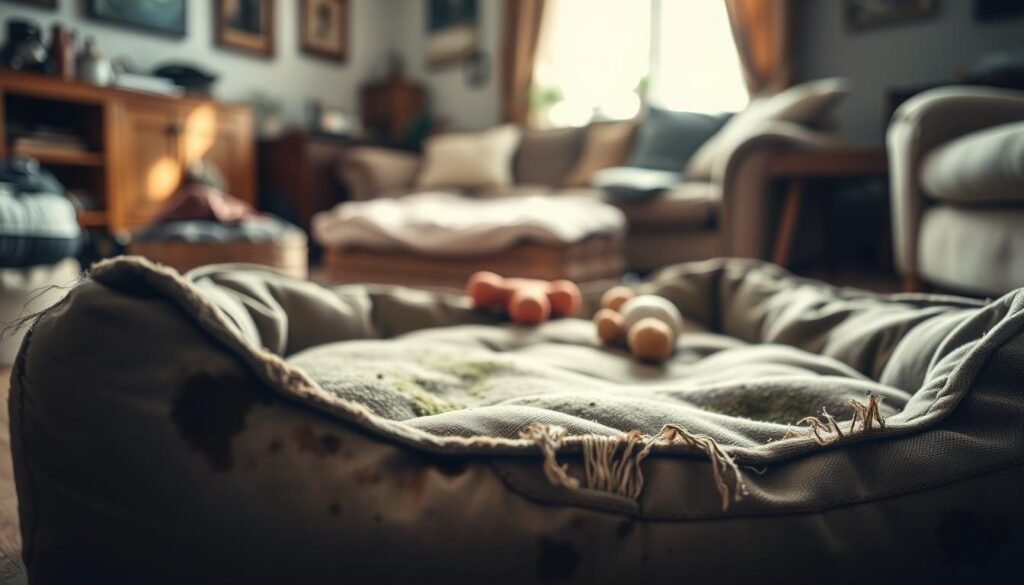
Allergen buildup is hard to see but just as dangerous. If your dog scratches a lot, sneezes, or has watery eyes near their bed, it might be due to allergens.
| Warning Sign | What to Look For | Risk Level | Action Required |
|---|---|---|---|
| Dark Spots | Black, green, or gray discoloration in seams and undersides | High | Immediate replacement |
| Musty Odor | Earthy smell that persists after washing | High | Immediate replacement |
| Persistent Dampness | Areas that remain wet or feel moist to touch | High | Stop use immediately |
| Allergy Symptoms | Excessive scratching, sneezing, or eye watering near bed | Medium to High | Replace and consult vet |
Beds in humid places face the biggest risk. Outdoor beds without UV-resistant and water-repellent materials are most at risk. Beds that get wet and aren’t dried quickly can develop mold in 24 to 48 hours.
How Contamination Affects Your Dog’s Health
Mold, mildew, and allergens can seriously harm your dog’s health. Mold spores in the air can make your dog sick. This can lead to breathing problems.
Respiratory issues show as coughing, sneezing, wheezing, or trouble breathing. Dogs with breathing problems or weak immune systems are at higher risk. I’ve seen moldy bedding cause long-lasting respiratory infections that need vet care.
Allergens can make allergies worse or create new ones. Dust mites in beds without washable covers or waterproof liners are a big problem. They can make your dog’s life harder.
Mold exposure in pets can cause serious respiratory distress and chronic health issues that worsen over time without intervention.
Skin problems can also happen from contaminated bedding. Dogs may get rashes, hot spots, and skin infections. This can make them scratch a lot, breaking their skin and letting bacteria in.
Some dogs might get stomach problems if they lick or chew on moldy bedding. This is because mold toxins can be harmful if swallowed.
Any sign of mold means immediate replacement—no exceptions. You can’t clean or sanitize a bed once mold has grown. Mold spores go deep into materials where cleaning can’t reach. Trying to keep a moldy bed is risky for your dog’s health.
Preventing problems is better. Choose beds with waterproof liners, removable covers, and materials that resist mold and mildew. For outdoor beds, look for UV-resistant and water-repellent materials to keep moisture out.
5. Your Dog Is Avoiding or Refusing to Use the Bed
If your dog is ignoring their bed, it’s a sign of something important. One clear worn out dog bed indicator is when they avoid their favorite spot. My dogs have started sleeping on the floor or couch instead of their beds.
This change isn’t random. Dogs seek out comfortable places to rest. When they stop using their bed, it means something’s wrong.
Watch where your dog sleeps during the day. If they choose other spots, their bed might not be comfy anymore.
How Sleep Preferences Reveal Bed Problems
Dogs have unique sleeping styles that can change. Some dogs stretch out a lot, needing lots of space. Others curl up tight, preferring cozy spots.
Then there are the leaners. These dogs like to lean against bolstered edges for support.
As dogs get older, their sleeping styles often change. My young retriever used to curl up in a small bed. But as he got older, he became a sprawler needing orthopedic support. This change shows that his bed wasn’t right anymore.
Observe how your dog sleeps on the floor or furniture. This shows what they’re missing in their bed. A dog who sprawls on cool tile might be too hot in their plush bed. One who squeezes into tight corners likely wants more room.
Reading the Warning Signs of Discomfort
Bed avoidance is your dog’s way of saying they’re uncomfortable. When I see this, I check the bed for problems. The bed might have lumps, lost its cushioning, or smell bad.
Some dogs circle their bed but won’t lie down. Others approach it hesitantly and then leave. These are clear worn out dog bed indicators that need attention.
Joint pain is another reason for bed avoidance. Dogs with arthritis or hip dysplasia need cushioning. If the bed is too firm, it hurts them.
Trust your dog’s instincts about their comfort. They’re not being stubborn—they’re protecting themselves. When my dog started sleeping on the carpet, I realized his bed was too firm for his joints.
This change is a clear new dog bed sign that it’s time for a new one. Your dog is saying, “This doesn’t work for me anymore.” Listen to them and find a bed that meets their current needs.
6. Your Dog’s Joint Stiffness or Pain Has Worsened
A worn-out bed can silently contribute to your dog’s increasing joint pain and mobility challenges. If your pup is waking up stiffer than usual or struggling to get comfortable at night, the bed might be one of the old dog bed health risks affecting their wellbeing. I’ve seen many pet parents overlook this connection, assuming age alone is responsible for their dog’s discomfort.
The quality of your dog’s sleeping surface plays a bigger role in their physical health than most people realize. When a bed loses its supportive properties, it stops doing its most important job—protecting your dog’s joints during rest.
The Connection Between Bed Quality and Joint Health
Proper bed support directly impacts your dog’s joint health, especialy for senior dogs, large breeds, and those with conditions like arthritis or hip dysplasia. A supportive bed distributes body weight evenly, reducing pressure on joints, hips, and shoulders during sleep. This even weight distribution is key for preventing pain and inflammation.
When beds flatten or lose their cushioning, dogs sleep on the floor. This creates pressure points that push directly against joints and bones. Over time, these pressure points cause increased pain and can accelerate joint deterioration.
Quality orthopedic beds use firm slab memory foam that keeps dogs elevated while conforming to their body shape. Dense, supportive foam provides pressure relief without being too stiff, which is the perfect balance for aging pups. After months of use, quality orthopedic beds maintain their shape and continue to offer the same level of support.
Inadequate support during rest means your dog wakes up sore and stiff. This isn’t just about comfort—it’s about their long-term mobility and quality of life. Dogs who don’t get proper joint support at night often show slower movement in the morning and increased reluctance to exercise.
Signs Your Senior Dog Needs Better Support
Recognizing new dog bed signs in aging pets helps you address problems before they worsen. I recommend watching for these specific indicators that your dog’s bed is no longer meeting their needs:
- Difficulty getting up after sleeping or long rest periods
- Limping or stiffness upon waking that improves after moving around
- Reluctance to use the bed or choosing hard floors instead
- Visible discomfort when lying down, such as circling excessively or repositioning frequently
- Increased vocalization when settling into the bed
While some stiffness is normal as dogs age, a sudden worsening often indicates the bed has lost its supportive qualities. I’ve noticed that dogs will sometimes avoid a bed that once was their favorite spot simply because it no longer feels comfortable on their aching joints.
Pay attention to how your dog moves immediately after waking. If they’re limping for the first few minutes or taking longer to stretch out their legs, these are clear new dog bed signs pointing to inadequate support. Senior dogs with arthritis or previous injuries are especialy vulnerable to poor sleeping surfaces.
This is one of the most serious old dog bed health risks because it directly affects your dog’s mobility and pain levels. The good news is that upgrading to an Orthopedic Dog Bed with Washable Cover can make a significant difference in your senior dog’s quality of life. I’ve seen dogs regain enthusiasm for activities they’d given up simply because they started getting better rest at night.
Your aging companion deserves a bed that supports their changing needs. Investing in proper orthopedic support isn’t just about comfort—it’s about giving them more pain-free days and better mobility in their golden years.
7. The Cover Is No Longer Washable or Removable
A dog bed that can’t be cleaned is a breeding ground for bacteria. This is a clear sign it’s time to replace it. Many pet owners face issues with beds that have broken zippers or covers that won’t come off. Without proper cleaning, the old dog bed health risks grow fast.
Think about what your dog’s bed goes through every day. It deals with dander, dirt, drool, and accidents. Without a way to wash the cover, the bed becomes a health risk for your pet.
Why Washability Is Essential
Cleaning dog beds regularly is key for your pet’s health. I suggest washing the covers every two weeks. For dogs who spend a lot of time outside or have skin issues, wash them more often. Removable, machine-washable covers make this easy.
When covers can’t be washed, problems arise. Broken zippers mean you can’t clean the cover. Stretched-out fabric leaves gaps for dirt. And if the material tears in the wash, it’s time for a new bed.
Covers with damaged zippers can also scratch floors and look messy. Hidden zippers prevent this and keep the bed looking good. When these fail, it’s time to replace the bedding.
Waterproof liners are a big plus for washable beds. They protect the inner cushion from accidents and spills. Without them, keeping the bed clean is much harder.
Hygiene Concerns with Non-Washable Beds
Non-washable beds are more than just smelly. They create an environment where harmful bacteria and allergens thrive. This affects both your pet and your home.
Here’s what builds up in beds that can’t be washed:
- Bacteria colonies: Staphylococcus and E. coli grow fast in unwashed fabric
- Allergen buildup: Dust mites, pollen, and dander stay in the fibers
- Fungal growth: Moisture from drool or accidents leads to mold and mildew
- Parasite eggs: Flea eggs and larvae hide in the bedding material
Some beds are marketed as “wipeable,” but this isn’t enough. Surface cleaning doesn’t get rid of deep contamination in the cushion and fabric.
The health risks for dogs on non-washable beds are serious. Vets see more skin infections, hot spots, and respiratory issues. Dogs with allergies or weak immune systems are at higher risk.
| Hygiene Factor | Washable Beds | Non-Washable Beds | Health Impact |
|---|---|---|---|
| Bacteria Control | Eliminated with regular washing | Accumulates continuously | Skin infections, digestive issues |
| Allergen Management | Removed every 2-3 weeks | Builds up over months | Respiratory problems, itching |
| Odor Prevention | Fresh after each wash | Permanent odor develops | Stress, bed avoidance |
| Parasite Prevention | Eggs and larvae washed away | Infestation risk increases | Flea infestations, discomfort |
If you can’t clean your dog’s bed, it’s a health risk. The best solution is replacing pet bedding with a new, washable bed.
Look for beds with strong zippers that last through many washes. The cover should fit well after washing. Quality materials keep their shape and protect your dog’s health.
Don’t settle for surface cleaning or air fresheners when washability is a problem. Your dog needs a clean, healthy bed. Choose one designed for easy, thorough cleaning.
What to Replace Your Old Dog Bed With
Choosing a new dog bed is more than just finding something soft. It’s about matching the bed to your dog’s needs. Consider your dog’s age, size, health, and sleeping style. The right bed can greatly improve your dog’s comfort and health.
A good dog bed replacement guide starts with understanding the different types of beds. Not all beds are the same. What works for a young, energetic puppy might not be right for a senior dog with arthritis. Let’s look at the best options for different needs.
Orthopedic Beds for Joint Support
Orthopedic beds are my top pick for dogs needing extra support. These beds have dense, supportive memory foam or egg-crate foam. They distribute your dog’s weight evenly and maintain their shape over time. Unlike standard beds, quality orthopedic beds provide consistent pressure relief.
Senior dogs greatly benefit from orthopedic support. Dogs with arthritis, hip dysplasia, or other joint issues find relief in these beds. Even younger dogs of breeds prone to joint problems can benefit from preventive support.
Large and giant breeds should always use orthopedic beds. Their extra weight puts more stress on joints, making proper support essential for long-term health. I’ve seen dogs with mobility issues improve noticeably after switching to a quality orthopedic bed.
When selecting an orthopedic bed, look for features that extend its life. Choose beds with removable washable covers and waterproof liners. These features make the bed easier to maintain and keep fresh for years.
Calming Beds for Anxious Dogs
Calming beds serve a different purpose in your dog bed replacement guide. They provide psychological comfort through their design. They feature bolstered edges and plush, nest-like construction that helps anxious dogs feel secure and protected.
Dogs who love to burrow, curl up, or lean against something while sleeping adore calming beds. The raised edges give them something to snuggle against, mimicking the feeling of sleeping next to their littermates. This design triggers relaxation responses in nervous or anxious dogs.
I recommend calming beds for dogs who show signs of anxiety during storms, when left alone, or in new environments. They work well for rescue dogs adjusting to their new homes. The cozy, enclosed feeling helps these dogs decompress and sleep more soundly.
The best calming beds combine comfort with practicality. Look for options with washable covers so you can keep the bed clean without losing its calming properties. Durable materials ensure the bed maintains its supportive shape even with frequent use.
Shop the Replacement: My Top Recommendations
If your dog’s bed is showing any of the signs above, here are a few solid replacements to consider depending on what your dog needs most.
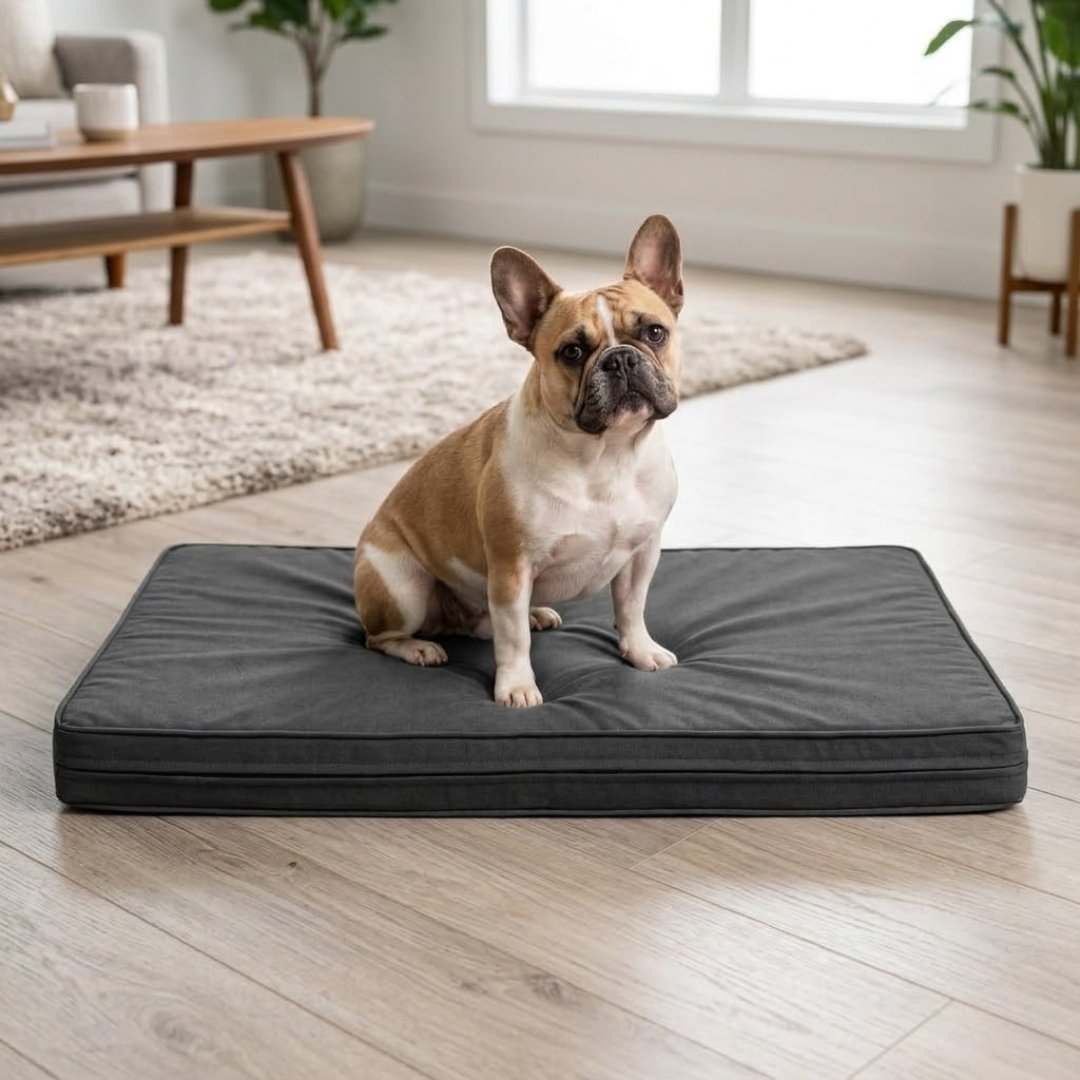
The Orthopedic Dog Bed from Egg-Crate Foam is a great pick if support and joint comfort are the priority — the egg-crate foam holds its shape far longer than a basic stuffed bed, and the removable cover is washable, so it won’t end up looking like the “before” picture again anytime soon.
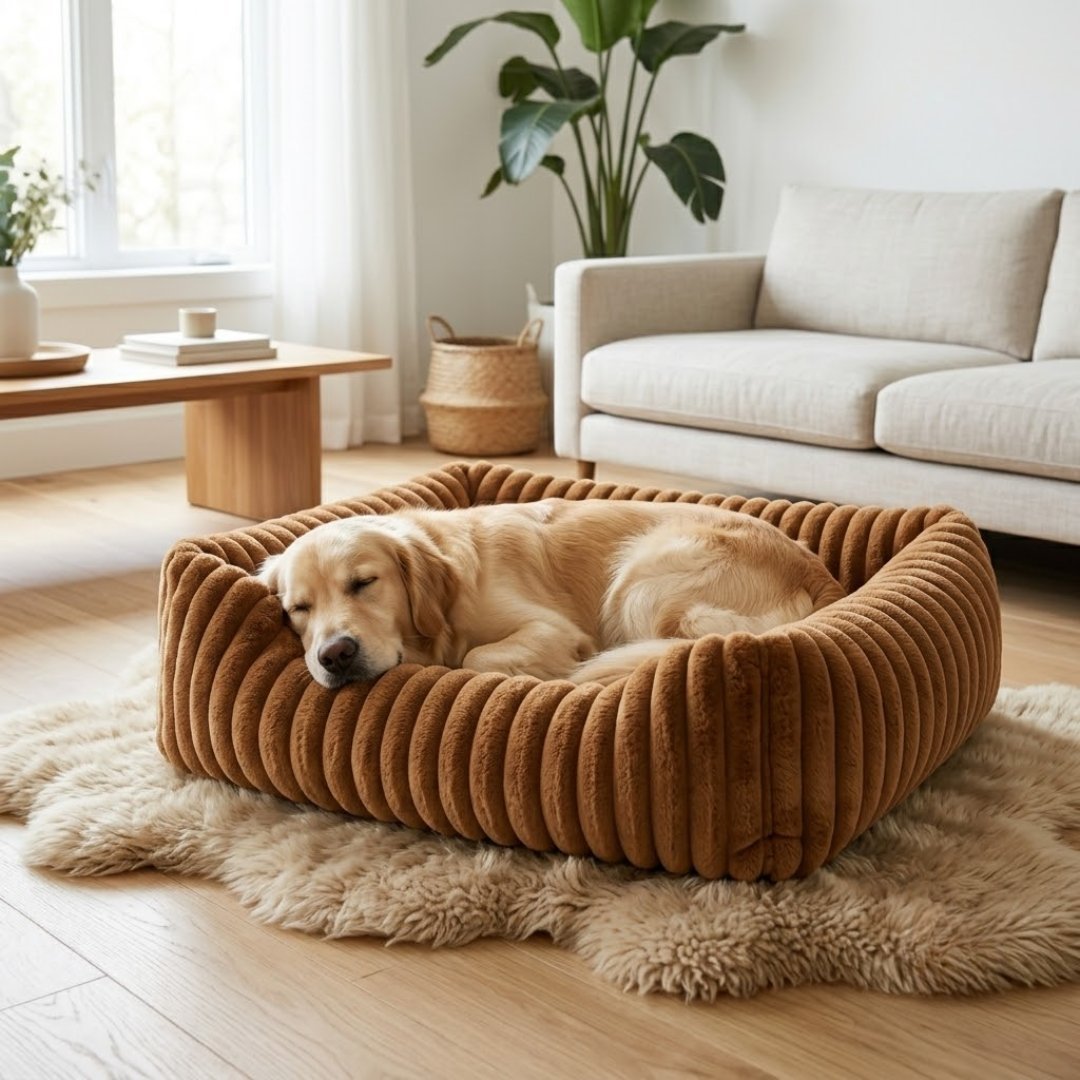
For dogs who like to burrow and feel secure, the Plush Ribbed Calming Pet Bed has raised bolster sides and comes in five colors and four sizes, with a machine-washable cover for easy upkeep.
The Round Calming Bolster Pet Bed is another strong option — plush faux fur lining, a non-slip base, and a den-like shape that anxious or senior dogs tend to settle into quickly.
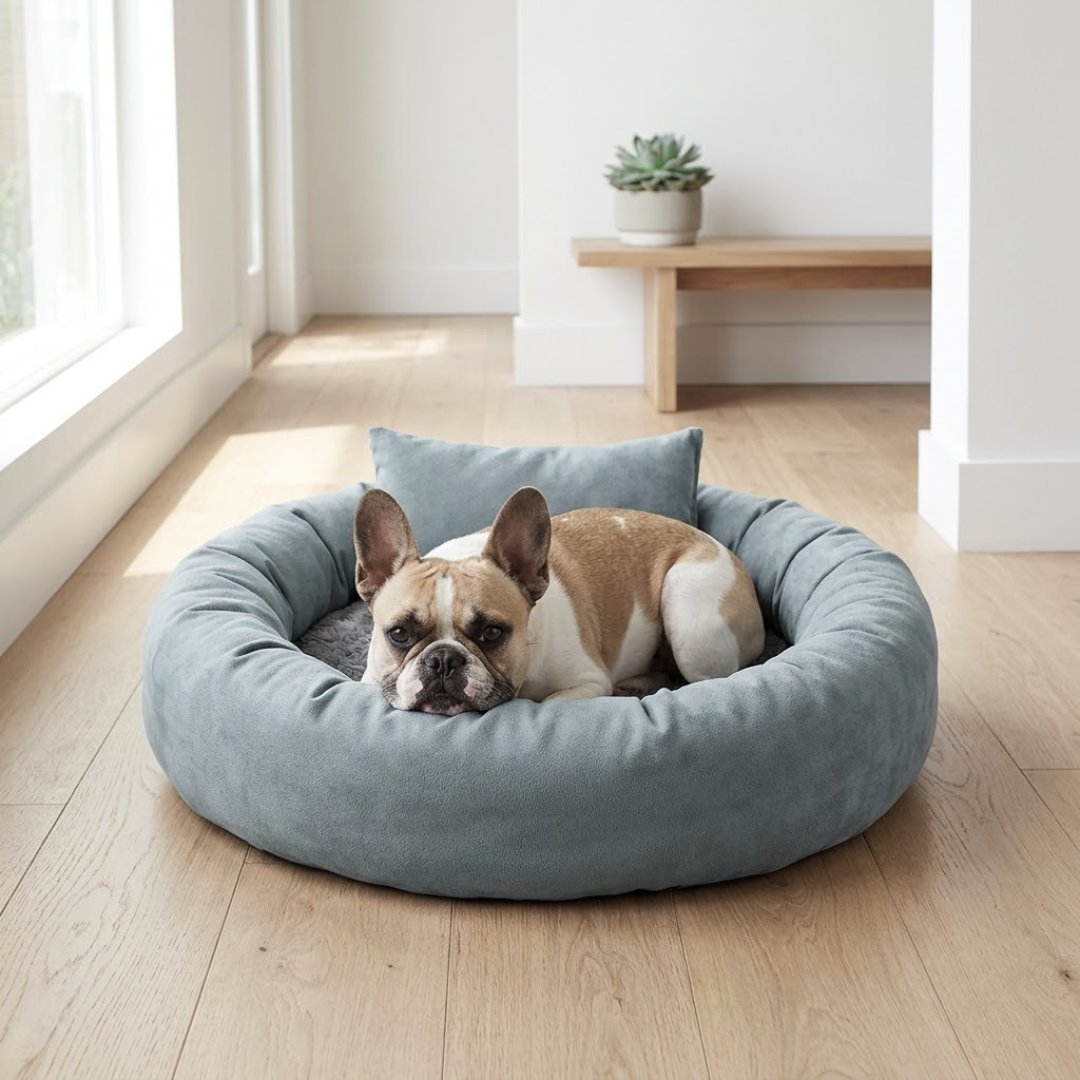
And if your dog’s old bed was more of a simple flat mat, the Calming Donut Dog Bed offers a step up with a raised rim for head and neck support, while still keeping a lower-profile design.
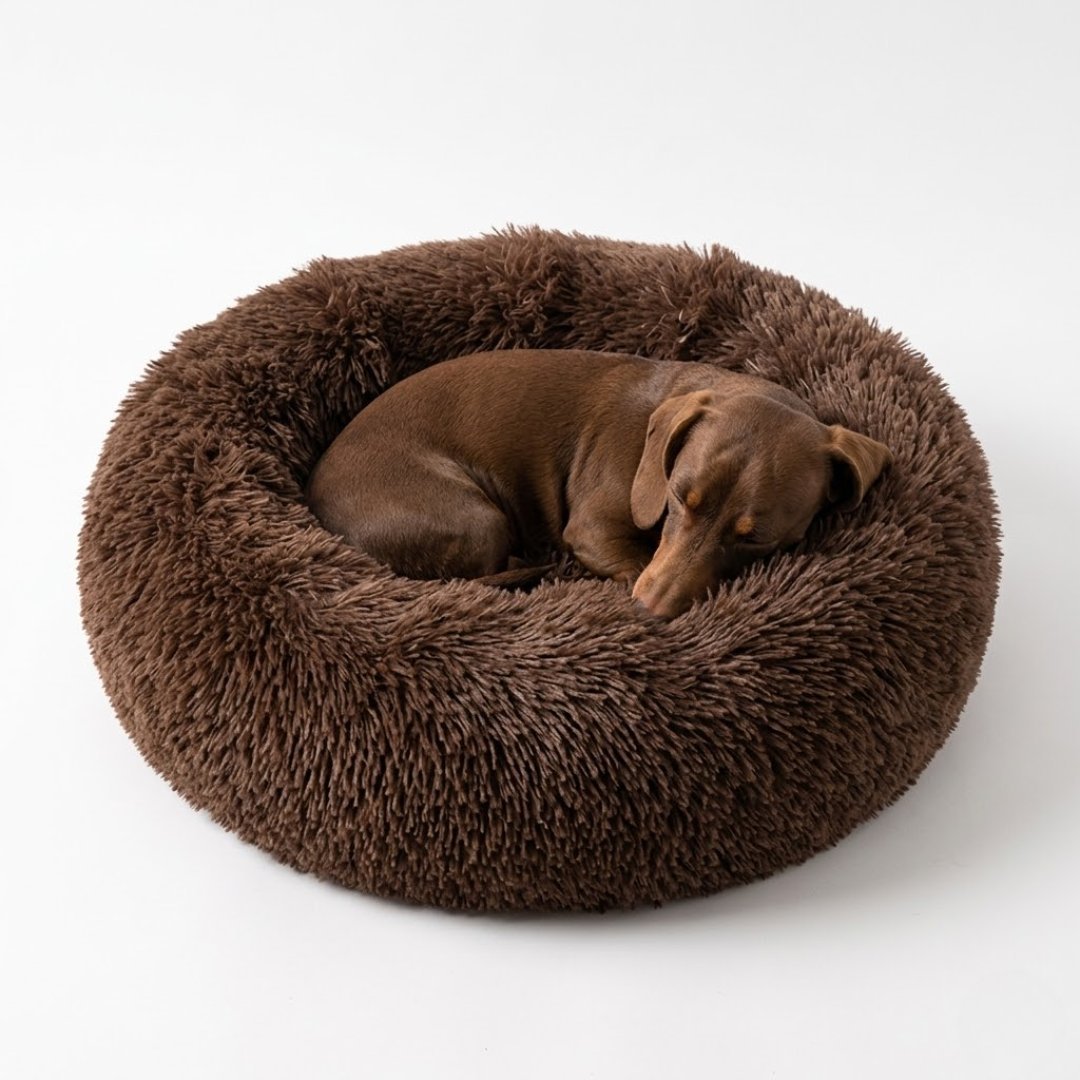
Whichever one you choose, replacing a flattened, torn-up bed with proper support makes a real difference — both for your dog’s comfort and for how your living room looks.
| Bed Type | Best For | Key Features | Primary Benefit |
|---|---|---|---|
| Orthopedic | Senior dogs, large breeds, joint issues | Memory foam, pressure relief, washable cover | Joint support and pain reduction |
| Calming | Anxious dogs, curlers, rescue dogs | Bolstered edges, plush materials, nest design | Anxiety relief and security |
| Standard | Young, healthy dogs without special needs | Basic cushioning, affordable price | Basic comfort for sleep |
| Elevated | Dogs in warm climates, outdoor use | Raised platform, breathable mesh | Cooling airflow and ventilation |
Remember that investing in a quality bed now saves money long-term. Durable construction means fewer replacements, and proper support can reduce veterinary bills. Your dog deserves a comfortable place to rest, and choosing the right replacement bed is one of the best things you can do for their health.
Conclusion
Knowing when your dog’s bed needs to be replaced is key to being a good pet owner. It affects their health, comfort, and happiness.
I’ve shown you seven signs it’s time for a new bed. A flat cushion can harm their joints. Bad smells mean it’s not clean. Tears and damage can be dangerous.
Mold and allergens are bad for their breathing. If your dog avoids their bed, it’s a sign of trouble. Joint pain can get worse without the right support. And non-washable covers can’t keep it clean.
Take a few minutes to check your dog’s bed. Look for firmness, smell, tears, and cleanliness. Also, watch how your pet acts around their bed.
Knowing when to replace your dog’s bed is as important as feeding them well or taking them to the vet. Your dog relies on you for their health.
If you see any warning signs, act fast. Getting a new, quality bed is a big step towards your dog’s health and happiness. Dogs love us unconditionally. Giving them a clean, comfy place to sleep is a great way to show that love back.
FAQ
How often should I replace my dog’s bed?
Replacing your dog’s bed depends on several factors. These include the bed’s material, your dog’s size and activity level. Also, behaviors like chewing or digging play a role. A good orthopedic bed can last 2-3 years with care. Budget beds might need replacing in 6-12 months.
Instead of a set schedule, watch for signs like flattening or smells. Visible damage or your dog avoiding the bed are clear indicators. These signs are more reliable than time alone.
What are the most obvious signs your dog’s bed is past its prime?
Look for a lumpy bed that doesn’t spring back, persistent smells, and visible damage. These signs mean it’s time for a new bed. Your dog may also show behavioral changes like avoiding the bed or stiffness after sleep.
Can a flattened dog bed cause health problems?
Yes, a flat bed can cause serious health issues. It lacks the support needed for dogs, leading to pressure sores and joint pain. This can make it hard for dogs to move and get up.
Why does my dog’s bed smell even after washing?
Smells that linger after washing mean the bed is deeply contaminated. Sweat, oils, and accidents have bonded with the bed’s materials. This can cause infections and affect your home’s air quality.
Is it dangerous if my dog’s bed has tears with stuffing coming out?
Yes, this is a serious sign. Exposed stuffing can be a choking hazard and cause intestinal blockages. Any damage that lets materials escape is unsafe. No money is worth risking your dog’s health.
How can I tell if my dog’s bed has mold or allergens?
Look for dark spots, musty smells, and damp areas. These indicate mold or mildew. Allergens may cause symptoms like scratching or sneezing. Beds in humid areas or not washed regularly are at risk.
What does it mean if my dog suddenly stops using their bed?
If your dog stops using their bed, it’s a sign of a problem. Dogs prefer comfort, so avoiding their bed means something’s wrong. Look for lumps, smells, or discomfort as reasons.
Can an old dog bed make my senior dog’s joint pain worse?
Yes, an old bed can worsen joint pain. It loses support, making joints ache. Senior dogs need a supportive bed to prevent pain and stiffness.
Why is a washable cover so important for dog beds?
A washable cover is key for cleanliness. Dogs shed and drool, needing regular cleaning. Easy-to-wash covers keep beds hygienic and prevent odors and allergens.
What type of replacement bed is best for dogs with joint problems?
For dogs with joint issues, an orthopedic bed is best. Look for dense foam that supports joints. A bed with a washable cover and waterproof liner is ideal.
When is minor damage to a dog bed acceptable versus requiring replacement?
Minor damage might be okay for a while. But if you see stuffing out or structural damage, it’s time for a new bed. Safety is the main concern.
How do I know if my dog needs a calming bed instead of an orthopedic bed?
Choose based on your dog’s needs. Orthopedic beds are best for support, while calming beds offer security. Some dogs need both. For anxious dogs, a calming bed like the [Plush Ribbed Calming Pet Bed](https://petzvibes.com/product/plush-ribbed-calming-pet-bed-for-cats-and-dogs/) is great.