

Choosing the right bed for your aging dog can be tough. Orthopedic beds use high-density foam to support joints and keep the spine straight. On the other hand, plush beds are all about softness and warmth with their fluffy fill and bolstered edges.
Did you know your dog sleeps up to 20 hours a day? Their bed is key to their health and happiness.
Memory foam beds offer comfort and support. Supportive beds help ease pain as your dog ages.
In this guide, I’ll cover everything you need to know. We’ll look at your dog’s needs, compare beds, and make a decision checklist. My aim is to help your dog sleep comfortably.
Key Takeaways
- High-density foam options support joint health and spinal alignment for aging companions
- Soft, cushioned alternatives offer warmth and emotional comfort with bolstered edges
- Dogs rest up to 20 hours daily, making sleep surface choices critical for their wellbeing
- Your companion’s age, breed, and health conditions determine which option works best
- Both sleeping surface types serve different purposes based on specific comfort and medical needs
- Understanding the distinction helps you make informed decisions for your furry friend’s quality of life
The Quick Answer: What’s the Real Difference Between Orthopedic and Plush Beds?
Let’s quickly look at the main differences between orthopedic and plush beds. When comparing senior dog beds, the key differences are in what’s inside and what each bed aims to do. Orthopedic beds are like medical tools for your dog’s joints. Plush beds, on the other hand, offer a cozy feel that gives emotional security.
The materials and purposes of these beds are quite different. Knowing these basics helps you pick the right bed for your dog’s needs.
Core Construction: Foam Density vs. Soft Fill
Orthopedic beds use high-density foam that keeps its shape even when your dog lies on it. They often have memory foam, which changes shape based on heat and pressure. This makes the bed feel like it’s giving your dog a gentle hug.
The foam in orthopedic beds pushes back against your dog’s weight. These beds have layers of foam with different densities. The bottom layer keeps your dog from sinking, while the top layer molds to their body.
Plush beds, on the other hand, are filled with soft materials like polyester fiberfill or shredded foam. These materials are fluffy and let your dog sink in. They feel like a cloud under your dog’s body.
The debate between memory foam and soft dog beds mainly focuses on how they’re made. Plush beds are all about that soft feel when your dog first lies down. They don’t offer the same support as orthopedic beds but are great at making your dog feel cozy.
Primary Purpose: Joint Support vs. Emotional Comfort
Orthopedic beds are made to help aging dogs. They spread your dog’s weight evenly to ease joint pressure. This helps keep the spine straight while your dog sleeps.
These beds help reduce pain and swelling in joints. Dogs with arthritis or hip problems might wake up feeling less stiff.
Plush beds aim to meet your dog’s need to nest and feel secure. Many anxious dogs find comfort in soft bedding. They also help keep your dog warm, which is important for older dogs who get cold easily.
When Each Type Shines
Orthopedic beds are best for dogs with joint problems. If your vet says your dog has arthritis or hip dysplasia, these beds are essential. Even big dogs can benefit from them before they get joint issues.
After surgery, orthopedic beds are also great. They help dogs move without straining their healing joints.
Plush beds are better in other situations. They’re great for dogs with anxiety, who get cold, or have cognitive decline. Small dogs under 20 pounds often do well with plush beds.
Dogs who love to burrow and nest will prefer plush beds. Some dogs sleep better when they’re surrounded by softness, not firmness.
| Feature | Orthopedic Beds | Plush Beds |
|---|---|---|
| Core Material | High-density memory foam or multi-layer supportive foam | Polyester fiberfill, cotton batting, or shredded foam |
| Primary Benefit | Joint support, pressure point relief, spinal alignment | Emotional comfort, warmth retention, nesting satisfaction |
| Best For | Arthritis, hip dysplasia, large breeds, post-surgery recovery | Anxiety, cold sensitivity, small breeds, cognitive decline |
| Firmness Level | Firm to medium-firm with contouring top layer | Very soft with significant compression |
| Weight Distribution | Even distribution prevents pressure points | Allows sinking and nestling into surface |
Knowing these basics helps you make the right choice for your senior dog. In the next sections, we’ll look at your dog’s joint health and how each bed type helps with aging.
Understanding Your Senior Dog’s Changing Joint Health
Understanding your aging dog’s joints is key to their comfort. As dogs get older, their bodies change in ways that affect movement and recovery. These changes are not just about looks or behavior; they’re deep biological shifts that impact their daily life and long-term health.
Pet owners often struggle to see when their dog’s needs change. The transition can be slow, making it easy to miss the early signs of needing more support.
The Natural Breakdown of Cartilage and Joint Tissue
Cartilage acts as a cushion between bones, allowing for smooth movement. As dogs age, this cartilage wears down. The synovial fluid that helps joints move also becomes less effective, causing the surfaces to become rough.
This process doesn’t happen quickly. It usually starts after age seven for most breeds, and even sooner for larger dogs.
With age, muscle mass decreases. This means bones and joints take more pressure when resting or moving. Less muscle means bones and joints bear more direct pressure during rest and activity. Inflammation becomes more common as the body tries to repair damaged tissues, affecting daily comfort.
Recognizing When Your Dog Needs Extra Joint Support
Dogs often don’t show pain directly, but their behavior can tell you a lot. Here are some signs that your dog might be experiencing joint discomfort:
- Difficulty rising from a lying position, specially after long rest periods
- Hesitation before jumping into the car, onto furniture, or up stairs
- Visible limping or favoring certain legs during or after walks
- Decreased enthusiasm for play, walks, or activities they once enjoyed
- Noticeable stiffness in the morning or after naps that improves with movement
- Behavioral changes such as irritability when touched in specific areas
- Reluctance to lie down on hard surfaces
- Taking longer to settle into a comfortable sleeping position
If you notice two or three of these signs, your dog might have arthritis or joint issues. At this point, finding the best bed for older dogs with arthritis becomes a health priority, not just a comfort upgrade.
How Sleep Surfaces Impact Daily Joint Health
Age seven is when most dog breeds enter their senior years. Large and giant breeds may reach this milestone even earlier, around ages five to six. This is a critical time for preventive care to make a big difference.
Your dog sleeps a lot, sometimes up to 14 hours a day. The surface they rest on affects inflammation, recovery, and mobility the next day. A bad sleep surface can worsen joint problems or speed up new ones.
Think of it this way: if your dog spends half their life on their bed, that surface is either helping their body heal or causing damage. Hard floors or thin padding offer no relief, forcing joints to bear full weight in uncomfortable positions all night.
Vets often recommend joint support beds for aging dogs as a key intervention. The right bed reduces inflammation, keeps joints aligned, and helps your dog’s body recover well during the day.
Switching to the right support is more than just comfort; it’s about managing a chronic condition and keeping your dog mobile. The changes in your senior dog’s body are irreversible, but the right sleep surface can slow down these changes and improve their daily life.
What Makes an Orthopedic Dog Bed Different from Regular Beds
Understanding what makes a bed orthopedic is key. It’s not just about being softer or thicker. True orthopedic beds have special construction that changes how your dog’s body weight is supported at night.
I’ve tested many beds and seen a huge difference. Let’s look at what makes these beds special so you know what to look for.
The Real Material Science Behind Support
The main difference is in the materials. Memory foam and high-density support foam are at the heart of orthopedic beds. Regular beds use polyester fill, cotton batting, or low-grade foam.
Memory foam adjusts to body heat and pressure. It molds to your dog’s shape, creating a custom cradle. This supports every curve and contour.
Polyester fill, on the other hand, is fluffy but loses support quickly. It clumps and shifts, losing its shape and support.
Orthopedic beds have a special design. They have a thick base layer of high-density foam (3-5 inches) and a comfort layer of memory foam (2-3 inches).
| Feature | Orthopedic Memory Foam | Standard Polyester Fill |
|---|---|---|
| Response to Pressure | Contours to body shape, then slowly returns to original form | Compresses quickly and stays compressed |
| Longevity | Maintains structure for 3-5 years with quality foam | Flattens and clumps within 6-12 months |
| Support Consistency | Even support across entire surface | Creates thin spots where dog lies most often |
| Joint Protection | Prevents bottoming out on hard floors | Minimal barrier between joints and floor |
The base layer is key. It stops your dog from sinking to the floor. The memory foam top layer adds comfort by relieving pressure points.
How Strategic Weight Distribution Protects Painful Joints
When your senior dog lies on a hard surface, their weight focuses on bony points. This is where arthritis and joint pain are worst.
Imagine pressing your elbow on a hard table. All your arm’s weight is on one point. But on a foam pillow, the pressure spreads, making it comfortable.
Orthopedic foam works the same way for your dog. It yields at pressure points, spreading weight and reducing joint stress. This means less pain and inflammation.
Regular beds with soft fill make things worse. Your dog sinks into the material until they hit the hard floor. This leaves bony joints pressing against the floor.
Decoding Foam Density Numbers for Real Support
Foam density is measured in pounds per cubic foot. This number shows how much foam is in each cubic foot.
Higher density means more foam, which means better support and longer-lasting performance. The benefits of orthopedic beds only work if the foam stays strong over time.
Quality orthopedic beds use foam with these levels:
- 3-4 lbs/cubic foot: Good for medium-sized dogs, offers solid support for 2-3 years
- 4-5 lbs/cubic foot: Excellent for large breeds and dogs with joint issues
- 5+ lbs/cubic foot: Premium foam that lasts 4-5 years, great for giant breeds
Budget beds use foam rated at 1-2 lbs/cubic foot. This foam breaks down fast, creating permanent impressions. Your dog sleeps in a sagging hammock instead of a supportive bed.
Always check the foam density before buying. If a manufacturer doesn’t list it, they might be using low-quality foam.
Investing in higher-density foam is worth it. You’re not just buying comfort. You’re buying years of joint support that stays effective night after night.
The Science Behind How Orthopedic Foam Supports Aging Joints
Orthopedic foam does more than just feel good. It changes how your senior dog’s body handles pressure and weight. The benefits for older dogs are real and help with joint pain and stiffness.
When your dog sleeps on the right surface, they can really rest and heal. Let’s explore how this works and why it’s so important for aging joints.
Even Weight Distribution Across Your Dog’s Body
Regular beds can cause pain in your dog’s hips, shoulders, and elbows. This is because most of their weight presses down on just a few spots.
Orthopedic foam is different. It molds to your dog’s body, spreading their weight evenly. This means each joint carries less stress at night.
Imagine lying on a hard floor versus a soft mattress. On the floor, your hip hurts quickly. But on a good mattress, your weight spreads out, and you sleep better.
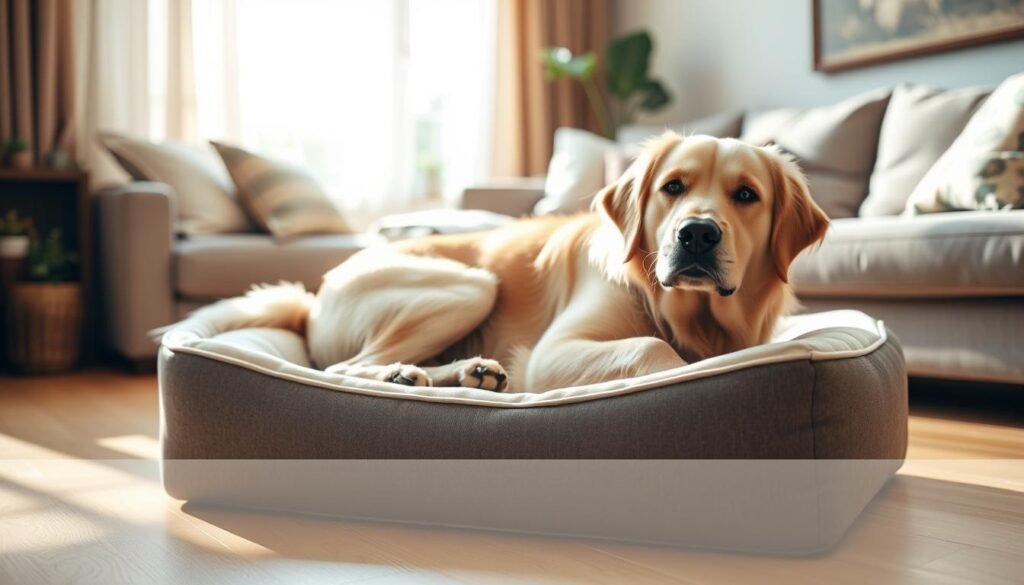
The joint support dog bed design targets these pressure points. For senior dogs with arthritis or hip dysplasia, it can make a big difference in their sleep.
Maintaining Proper Spinal Alignment During Sleep
Your dog’s spine needs to stay straight while they sleep. Soft beds let their spine curve, causing muscle strain and nerve compression.
Breeds prone to back problems wake up stiff and sore. Their spine sags into the bed, leading to pain and stiffness.
Orthopedic foam is just right. It’s soft enough to be comfy but firm enough to support your dog’s spine. This keeps vertebrae aligned and reduces nerve pressure.
Just like a good mattress supports your back, a proper orthopedic dog bed benefits for seniors by keeping their spine straight. This prevents damage from poor positioning all night.
Reducing Overnight Inflammation Through Supportive Sleep
Pressure points on joints all night can restrict blood flow. This means less oxygen and nutrients for inflamed joints. It also keeps inflammatory compounds trapped.
Better support changes this. It lets blood flow freely, bringing oxygen and nutrients to damaged cartilage and joints. This helps your dog’s body heal while they sleep.
Improved circulation also helps remove inflammatory markers. Your dog’s body can heal more effectively when they’re on the right surface.
| Sleep Surface Factor | Poor Support Impact | Orthopedic Support Impact |
|---|---|---|
| Blood Circulation | Restricted flow to pressure points, reduced oxygen delivery | Unrestricted flow, optimal oxygen and nutrient delivery |
| Inflammatory Response | Compounds trapped in joints, increased morning stiffness | Efficient removal of inflammatory markers, reduced swelling |
| Muscle Tension | Compensatory strain from poor alignment | Relaxed muscles supporting proper posture |
| Recovery Quality | Interrupted sleep cycles, poor tissue repair | Deep sleep phases, enhanced healing processes |
Quality sleep is key for your senior dog’s health. It boosts their immune system, brain function, and energy. When inflammation decreases overnight, all these systems work better.
Why Morning Stiffness Improves with Better Bedding
Many owners notice their dogs move better after switching beds. This isn’t just a coincidence. It’s because they’re sleeping in a way that doesn’t hurt their joints.
Morning stiffness comes from joints stiffening up overnight. This is due to poor positioning and restricted blood flow. Your dog’s body “locks up” around inflamed, poorly supported joints.
With orthopedic support, joints stay in better positions all night. Blood flows freely, inflammation is minimal, and muscles relax. This means your dog can move without that painful “warming up” period in the morning.
Many owners see their senior dogs enjoy mornings again. They move with more confidence and less hesitation during those critical first steps.
For dogs needing this kind of support, I recommend the Orthopedic Dog Bed with Washable Cover. It has the right foam density and practical features for easy care.
The science is clear: orthopedic dog bed benefits for seniors go beyond comfort. They create a healing environment for your dog’s body during sleep, instead of causing more damage night after night.
When Plush and Calming Beds Are Actually the Better Choice
Many senior dogs face anxiety, confusion, and a need for emotional security. The debate over plush versus supportive dog beds goes beyond just firmness. It’s about understanding that senior dogs have emotional challenges too.
Some older dogs need to feel emotionally safe more than they need therapeutic foam. Plush and calming beds are perfect for this.
Senior Dog Anxiety and the Need for Security
As dogs age, they often develop new anxieties. Vision loss, hearing decline, and decreased mobility make them feel uncertain.
The enveloping design of calming beds addresses this need. These beds have high, soft bolsters or a “donut” shape. They create a protective cocoon that feels like being held.
I’ve seen anxious senior dogs relax in these beds. The raised walls give them a sense of safety that flat beds can’t.
“Dogs experiencing age-related anxiety benefit significantly from environments that provide both physical comfort and psychological security.”
The Nesting Instinct: Why Some Dogs Prefer Softness
Many dogs have a natural instinct to create a nest before sleep. They paw, circle, dig, and arrange bedding.
Plush beds let dogs engage in this instinctive nesting behavior in ways firm beds don’t. When they burrow and shape their bed, they’re satisfying a deep need for comfort and control.
Dogs who sleep curled in a tight ball prefer soft, moldable plush beds. The enclosed, bolstered sides support their preferred sleeping position perfectly.
This is key for dogs feeling unsettled or stressed. The ability to “make their bed” gives them a sense of agency when they’re losing control.
Bolstered Edges for Head and Neck Support
The raised edges of plush beds aren’t just decorative. They serve a real purpose for many senior dogs.
These bolstered edges provide an elevated place for dogs to rest their head and neck. Some dogs find this position more comfortable, even if they have neck arthritis or breathing concerns.
The soft cushioning of the bolsters also prevents pressure points on the head and ears. For dogs who like to sleep with their chin propped up, this design is essential for quality rest.
Dogs with Cognitive Decline Benefit from Cozy Spaces
Senior dogs with canine cognitive dysfunction—like dementia in humans—often become disoriented and anxious. They may wander, seem confused about familiar spaces, or experience increased nighttime restlessness.
For these dogs, the smaller, cozier spaces created by plush beds can be grounding. The soft walls help them feel more oriented and less exposed. This protective environment can reduce confusion and promote better sleep.
The Plush Ribbed Calming Pet Bed is designed for anxious or cognitively declining senior dogs. Its raised, textured edges provide both tactile comfort and spatial boundaries that help confused dogs feel more secure.
| Condition/Need | Best Bed Type | Primary Benefit | Key Feature |
|---|---|---|---|
| General anxiety | Plush calming bed | Emotional security | Enveloping bolsters |
| Cognitive decline | Plush with defined edges | Reduces disorientation | Clear spatial boundaries |
| Nesting behavior | Soft, moldable plush | Satisfies instincts | Burrowable fill |
| Cold sensitivity | Plush with thick fill | Warmth retention | Insulating materials |
| Severe arthritis | Orthopedic foam | Joint support | High-density foam |
Choosing a calming bed for older dogs over an orthopedic option requires looking beyond physical symptoms. If your senior dog shows signs of anxiety, confusion, or strong nesting behaviors, a plush bed may provide the comfort they need most.
The question of plush versus supportive dog beds isn’t about one being better than the other. It’s about matching the bed type to your individual dog’s most pressing needs—whether those needs are physical, emotional, or both.
Temperature Regulation: Why Cold Sensitivity Matters for Older Dogs
When picking a bed for older dogs, don’t just think about joint support. Temperature control is also key. Many pet owners focus too much on orthopedic features and forget about keeping their dogs warm. It’s important to understand how aging affects a dog’s ability to stay warm.
How Metabolism Slows and Body Temperature Drops with Age
As dogs get older, their metabolism slows down. This means they don’t generate as much internal heat. This change happens to all senior dogs to some extent.
Older dogs also lose muscle mass. Muscle helps keep warm, so losing it makes it harder to stay warm. They might also have thinner coats or poor circulation, making it even harder.
Small breeds, short-haired dogs, and lean dogs tend to feel the cold more. Breeds like Greyhounds, Chihuahuas, and Whippets often look for warm spots as they age. If your dog shivers, burrows under blankets, or likes sunny spots, they need more warmth.
When Plush Beds Provide Essential Warmth
Plush beds are great for keeping older dogs warm. Their fluffy polyester fill traps air, creating a warm spot for your dog to sleep.
Plush beds with bolstered sides also help by blocking drafts. This keeps your dog from losing heat, which is important if you have tile floors or air conditioning.
For dogs who always look for warmth, a plush bed can be a game-changer. It can greatly improve their quality of life. I suggest plush beds for homes with cool floors or for dogs who have lost a lot of body fat.
Orthopedic Beds with Temperature-Neutral Properties
Traditional memory foam beds can be too warm for some dogs. This is a problem in warm climates or for dogs with thick coats.
Now, there are orthopedic beds with cooling technologies. These beds use gel, mesh, or open-cell foam to keep your dog cool while supporting their joints.
Some premium orthopedic beds even have phase-change materials. These materials help keep your dog’s body temperature stable. They absorb heat when your dog is warm and release it when they cool down. This makes these beds great for any climate.
Combining Both: Orthopedic Bases with Plush Toppers
The best beds for senior dogs are a mix of support and warmth. These beds have a firm base for joint support and a soft, warm top layer.
This design meets many needs at once. The base supports your dog’s joints, while the top keeps them warm. Many beds come with removable toppers, so you can change the bed’s feel with the seasons.
I recommend these beds for dogs with both joint and cold sensitivity issues. They offer the best of both worlds. Many manufacturers make these beds with removable toppers, so you can adjust them as needed.
| Bed Type | Temperature Properties | Best Climate Conditions | Ideal For |
|---|---|---|---|
| Plush Beds | Excellent heat retention and insulation | Cool to moderate climates, air-conditioned homes | Cold-sensitive dogs, small breeds, short-haired dogs |
| Standard Orthopedic | Moderate heat retention (may trap warmth) | Moderate climates, temperature-controlled environments | Dogs without temperature sensitivity issues |
| Cooling Orthopedic | Heat-dissipating, breathable materials | Warm climates, heavy-coated breeds | Dogs prone to overheating, summer use |
| Hybrid (Orthopedic + Plush) | Balanced temperature regulation with warmth option | All climates with seasonal adjustments | Dogs needing both joint support and warmth |
When picking a bed for senior dogs, think about your home’s temperature, your dog’s coat, and their preference for warmth or coolness. A dog who sleeps on tile in summer but burrows under blankets in winter might do best with a hybrid bed that can be adjusted.
Keeping your dog at the right temperature is more than just comfort. It affects their sleep and recovery. Cold dogs wake up more often, have stiffer joints, and might avoid their beds if they’re too cold.
Orthopedic vs Plush Pet Bed for Senior Dogs: The Complete Comparison
I’ve tested both bed types with senior dogs for years. This comparison will show you what each offers. Knowing the differences helps you choose the best bed for your aging pet.
The right bed can greatly improve your senior dog’s life. Let’s look at the main differences between orthopedic and plush beds.
Joint Support Capabilities Compared
Orthopedic beds offer better joint support than plush beds. They use high-density memory foam to evenly distribute your dog’s weight. This reduces pressure points that cause pain.
Orthopedic foam keeps your dog’s spine aligned at night. This support prevents joints from sinking into uncomfortable positions. This can reduce inflammation and stiffness.
Plush beds feel soft at first but don’t support joints well. The fiberfill filling compresses unevenly under weight.
For dogs with arthritis or hip dysplasia, orthopedic beds are a big help. They make it easier for senior dogs to stand up without struggling.
Comfort and Coziness Factor Analysis
Comfort means different things to different dogs. Orthopedic beds provide firm, stable comfort that supports easy movement and reduces pain.
Many senior dogs like the solid feel of memory foam. They can move around easily without getting stuck in deep pockets.
Plush beds are great for dogs who love to burrow. The soft fiberfill creates a cozy cocoon that comforts anxious dogs.
Plush beds often have bolstered edges for neck support. This feature makes dogs feel safe and secure.
Dogs without joint pain might prefer plush beds. But dogs with pain often choose orthopedic beds for the relief they provide.
Durability and Longevity Expectations
High-quality orthopedic beds last 5 to 10 years. Their dense foam resists compression and keeps its shape. This makes them a smart long-term choice.
Orthopedic foam bounces back after use. Even after years, it continues to support your dog as well as it did when new.
Plush beds usually last 1 to 3 years. The fiberfill stuffing clumps, flattens, and shifts over time.
I’ve had to replace plush beds often, while one orthopedic bed lasts for years. Senior dogs’ digging and nesting habits can quickly damage soft beds.
| Comparison Factor | Orthopedic Beds | Plush Beds |
|---|---|---|
| Primary Material | High-density memory foam | Polyester fiberfill stuffing |
| Joint Support Level | Excellent pressure relief and alignment | Minimal structural support |
| Expected Lifespan | 5-10 years with proper care | 1-3 years before replacement needed |
| Best For | Arthritis, hip dysplasia, mobility issues | Anxiety, cold sensitivity, nesting behavior |
| Warmth Retention | Moderate temperature regulation | High insulation and warmth |
Maintenance Requirements and Washability
Both bed types have removable, washable covers for easy cleaning. But, their maintenance needs differ.
Orthopedic foam inserts can’t be machine washed. They need spot cleaning only. Quality covers protect the foam, and accidents rarely reach the foam itself.
Plush beds may have machine-washable fills, depending on the maker. Some plush beds can be washed entirely, making deep cleaning easier after accidents or illness.
Plush beds need more washing because dogs dig and bring dirt into the bed. Dogs who dig and rearrange soft beds transfer oils and outdoor particles into the filling.
Orthopedic bed covers often have waterproof liners. This keeps the foam clean even if your dog has accidents.
Price Points and Long-Term Value
Plush beds are often cheaper, costing between $30 to $100. This appeals to those on a budget.
Quality orthopedic beds cost between $80 to $300. The higher price reflects better materials and construction for lasting performance.
Considering the cost over time, orthopedic beds are more valuable. Replacing a $50 plush bed every 18 months costs more than buying a $150 orthopedic bed that lasts 8 years.
Orthopedic beds may also save on vet bills. They reduce the need for pain medications and improve mobility, saving money in the long run.
I always suggest spending on the best orthopedic bed for your senior dog if they have joint pain. The daily relief and improved quality of life are worth the higher cost.
Decision Checklist: Choosing the Right Bed by Your Dog’s Age
Choosing the right bed for senior dogs is more than just picking a size. As dogs age, their bodies change, and so do their sleep needs. What’s perfect for a seven-year-old may not be enough for a thirteen-year-old with joint issues.
This guide helps you pick the best bed for your dog’s age. It’s like giving them preventive care while they sleep.
Early Senior Years and Preventive Care
Medium and large breed dogs usually become seniors at seven. Small breeds might not reach senior status until nine or ten. This is when preventive care is key for their joints.
Even if your dog seems fine, starting them on a supportive bed early can help prevent joint problems later.
If your dog is large or shows early stiffness, get an orthopedic bed. It keeps their spine aligned and prevents pressure points. This can slow down joint wear.
Small, active dogs might do well with a plush bed. But watch for any stiffness in the mornings. If you see hesitation, it’s time for a therapeutic bed.
Mid-Senior Stage with Active Joint Concerns
Between ten and twelve, most dogs start to feel arthritis or joint pain. They might take longer to stand up or show less interest in stairs. These signs mean they need joint support.
At this stage, joint support is a must for a good quality of life. Memory foam beds help distribute weight and reduce inflammation. This means less pain when they wake up.
I suggest orthopedic beds for most dogs in this age group, but small dogs might need something different. Look for beds that offer both support and comfort.
Advanced Senior Years Requiring Maximum Support
Dogs over thirteen have earned extra care. They face significant joint issues, muscle loss, and other age-related problems. Their joints no longer have the natural cushioning they once did.
An orthopedic bed is a necessity for managing pain and keeping them mobile. The right bed can make a big difference in their quality of life.
If your dog also shows signs of cognitive decline or anxiety, consider a hybrid bed. It should have thick orthopedic foam and plush bolsters for comfort and security.
Don’t skimp on foam density at this age. Your dog needs at least four inches of high-density memory foam for proper support.
| Age Range | Primary Needs | Recommended Bed Type | Key Features to Prioritize |
|---|---|---|---|
| 7-9 Years | Preventive joint care | Orthopedic for large breeds; plush acceptable for small, active dogs | Medium-density foam, washable cover, appropriate size |
| 10-12 Years | Active arthritis management | Orthopedic for most dogs; hybrid for small, anxious breeds | High-density memory foam, pressure relief, low entry point |
| 13+ Years | Maximum support and pain relief | Orthopedic required; hybrid if cognitive/anxiety issues present | 4+ inches high-density foam, bolsters for security, waterproof liner |
Choosing the right bed for senior dogs means matching their current physical condition. Their comfort during sleep affects their mobility, pain, and overall quality of life. By picking the right bed, you’re giving them better rest and easier mornings.
Decision Checklist: Choosing Based on Breed Size and Body Type
Choosing the right bed for your aging dog is more than just picking a cute design. Your dog’s size and build affect how well different beds support them. A tiny Chihuahua and a big Great Dane have different needs for sleep surfaces.
Many owners pick beds without thinking about their dog’s size. The right bed depends on how your dog’s body weight affects different materials.
Small Breeds Under 20 Pounds: Special Considerations
Small dogs like Chihuahuas and Yorkies face special challenges as they age. They get cold easily because their small bodies lose heat fast. They like plush beds for warmth and to burrow into soft materials.
But, small size doesn’t mean they’re immune to joint problems. Many toy breeds get arthritis early. It’s important to check your dog’s health before choosing a bed.
Thin-skinned toy breeds like Italian Greyhounds benefit from orthopedic support even if they’re light. Their lack of padding makes them prone to pressure sores on hard surfaces. Orthopedic beds cushion their frames better than regular stuffing.
Small dogs don’t compress high-density foam as much. This keeps them lifted and supported without sinking too deep. It’s a great balance for aging small breeds with joint issues.
Medium Breeds 20-50 Pounds: Balanced Needs
Medium-sized dogs like Beagles and Cocker Spaniels have balanced needs. Their moderate weight means they can do well with either bed type, depending on their health and personality.
I suggest orthopedic beds for medium breeds showing stiffness or prone to hip issues. Cocker Spaniels and Springer Spaniels often get hip dysplasia, making orthopedic beds very beneficial.
Healthy medium dogs under ten without joint issues can do well with plush beds. But, once they’re seniors around ten, switch to orthopedic support to prevent problems.
As dogs get older, their joints change subtly. Supportive bedding can help before symptoms appear. Medium breeds are where preventive bedding choices make a big difference.
Large and Giant Breeds Over 50 Pounds: Heavy-Duty Requirements
Large and giant breeds like Labradors and Great Danes need orthopedic support. They should start getting it in young adulthood to prevent joint problems.
These dogs put a lot of strain on their joints when they lie down. Without support, they risk calluses, muscle aches, and joint degeneration. Orthopedic support helps distribute their weight evenly.
Bad bedding for large breeds isn’t just uncomfortable—it’s harmful to their joints. Owners of giant breeds often see their dogs develop painful sores from sleeping on regular beds.
Thin or bony large breeds like Greyhounds need special care. They have less padding over their joints and can get sores without proper support. Their lean frames make them vulnerable to injuries from bedding.
Why Weight Distribution Matters More for Larger Dogs
Large breeds need orthopedic foam because of how their weight affects their joints. A hundred-pound dog on a regular bed puts sixty to seventy pounds of pressure on their joints. This is too much for their joints to handle all day.
Orthopedic foam spreads this weight across the entire bed. Instead of sixty pounds on one hip, it’s spread across the dog’s side. This reduces the pressure on each joint, often cutting it in half or more.
Regular polyester fill in plush beds gets squished under heavy weight, making the bed hard. Dogs over fifty pounds flatten standard beds quickly, losing any support. Orthopedic foam keeps its shape under heavy weight for years.
| Breed Size Category | Weight Range | Primary Bed Recommendation | Key Considerations |
|---|---|---|---|
| Small Breeds | Under 20 lbs | Plush (if healthy) or Orthopedic (if arthritic or thin-skinned) | Need warmth; prone to luxating patellas; light enough not to flatten foam |
| Medium Breeds | 20-50 lbs | Orthopedic after age 10 or if breed-prone to hip issues | Flexible options when young and healthy; preventive support recommended |
| Large Breeds | 50-90 lbs | Orthopedic (starting young adulthood) | Weight creates significant joint pressure; high risk of calluses without support |
| Giant Breeds | Over 90 lbs | Heavy-duty orthopedic (essential from puppyhood) | Extreme weight requires maximum support; standard beds flatten immediately |
Knowing your dog’s size helps choose the right bed before joint problems start. Large and giant breeds need orthopedic support all their lives. Smaller dogs have more options based on their health.
Decision Checklist: Matching Bed Type to Specific Health Conditions
Senior dogs have special sleeping needs due to medical conditions. Certain beds are better for them than others. Knowing your dog’s health issues helps choose the right bed.
I’ve made a simple guide to match bed types with common senior dog conditions. This helps you pick the best bed based on your dog’s medical needs.
Arthritis and Hip Dysplasia: When Orthopedic Is Essential
If your dog has arthritis or hip dysplasia, an orthopedic bed is a must. These conditions cause pain and reduced mobility. They get worse without proper support during rest.
The best bed for older dogs with arthritis spreads weight evenly. This reduces inflammation in joints overnight.
Dogs with severe arthritis find it hard to get up from soft beds. They sink too deep, straining their joints more.
Orthopedic foam keeps your dog on a stable surface. This makes standing up easier each morning.
Hip dysplasia also needs consistent support. It prevents the femur from shifting and causing pain.
Post-Surgery Recovery: Firm Support for Healing
Dogs recovering from surgery need firm beds. This includes ACL repairs, hip replacements, and spinal surgeries.
Veterinarians recommend orthopedic beds for recovery. Soft beds allow dangerous movement that stresses surgical sites.
An orthopedic bed keeps your dog aligned. This is key for the first 6-12 weeks after surgery.
I suggest using orthopedic beds even if your dog likes plush ones. It supports faster healing and reduces risks.
Anxiety, Dementia, and Cognitive Decline: Plush for Comfort
Mental conditions need different bed features. Senior dogs with anxiety, dementia, or cognitive decline prefer plush beds for comfort.
Cognitive dysfunction syndrome affects many senior dogs. They become disoriented and anxious.
A calming bed for older dogs with raised edges provides security. The soft design triggers natural denning instincts, reducing anxiety.
Dogs with dementia pace at night and have trouble settling. Plush beds with deep filling help them feel grounded and secure.
Separation anxiety worsens in senior years. Plush beds offer emotional comfort that orthopedic foam can’t match.
Multiple Overlapping Conditions: Finding the Best Compromise
Many senior dogs face both physical and emotional challenges. They might have arthritis AND anxiety, or joint pain AND cognitive decline.
This creates a dilemma. Their joints need firm support, but their emotional state requires soft comfort.
I recommend hybrid bed solutions that mix orthopedic bases with plush features. Look for beds with memory foam cores and soft, removable cushions.
Another option is adding a soft blanket or small plush cushion on top of an orthopedic bed. This offers nesting while keeping joint support underneath.
You can also use both bed types strategically. Place an orthopedic bed in your dog’s main sleeping area for overnight rest. Add a smaller calming bed for older dogs in a quiet corner for when they feel anxious.
The table below shows which bed type works best for common health conditions:
| Health Condition | Recommended Bed Type | Key Features Needed | Why This Matters |
|---|---|---|---|
| Arthritis | Orthopedic | High-density memory foam, pressure relief, firm support | Reduces inflammation and makes rising easier |
| Hip Dysplasia | Orthopedic | Even weight distribution, spinal alignment support | Prevents further joint damage during rest |
| Post-Surgery Recovery | Orthopedic | Stable surface, no sinking, medical-grade foam | Maintains proper healing alignment |
| Anxiety Disorders | Plush/Calming | Raised bolsters, soft filling, enclosed design | Provides security and reduces stress hormones |
| Cognitive Decline/Dementia | Plush/Calming | Deep cushioning, warmth retention, nest-like shape | Helps disoriented dogs feel grounded and safe |
When your dog has multiple conditions, prioritize based on daily discomfort. If joint support is more important, choose an orthopedic bed.
If emotional support is more needed, choose a plush bed. Watch your dog’s behavior to see which challenge affects their life more.
Health conditions change over time. The bed that works today might need to change in six months as your dog’s needs evolve.
Shop This Post: My Top Recommended Beds for Senior Dogs
I’ve tested dozens of beds for aging dogs. These two are the best choices — one for joint support, one for comfort and warmth. They offer the best support for your senior dog depending on their specific needs.
These beds aren’t just picks from a catalog. I’ve checked them for quality and real-world use, based on feedback from many senior dog owners.
Best Orthopedic Choice for Maximum Joint Support
The Orthopedic Dog Bed from Egg-Crate Foam with Removable Washable Cover is my top pick for senior dogs with joint issues. It’s made for aging joints without the fluff and marketing hype.
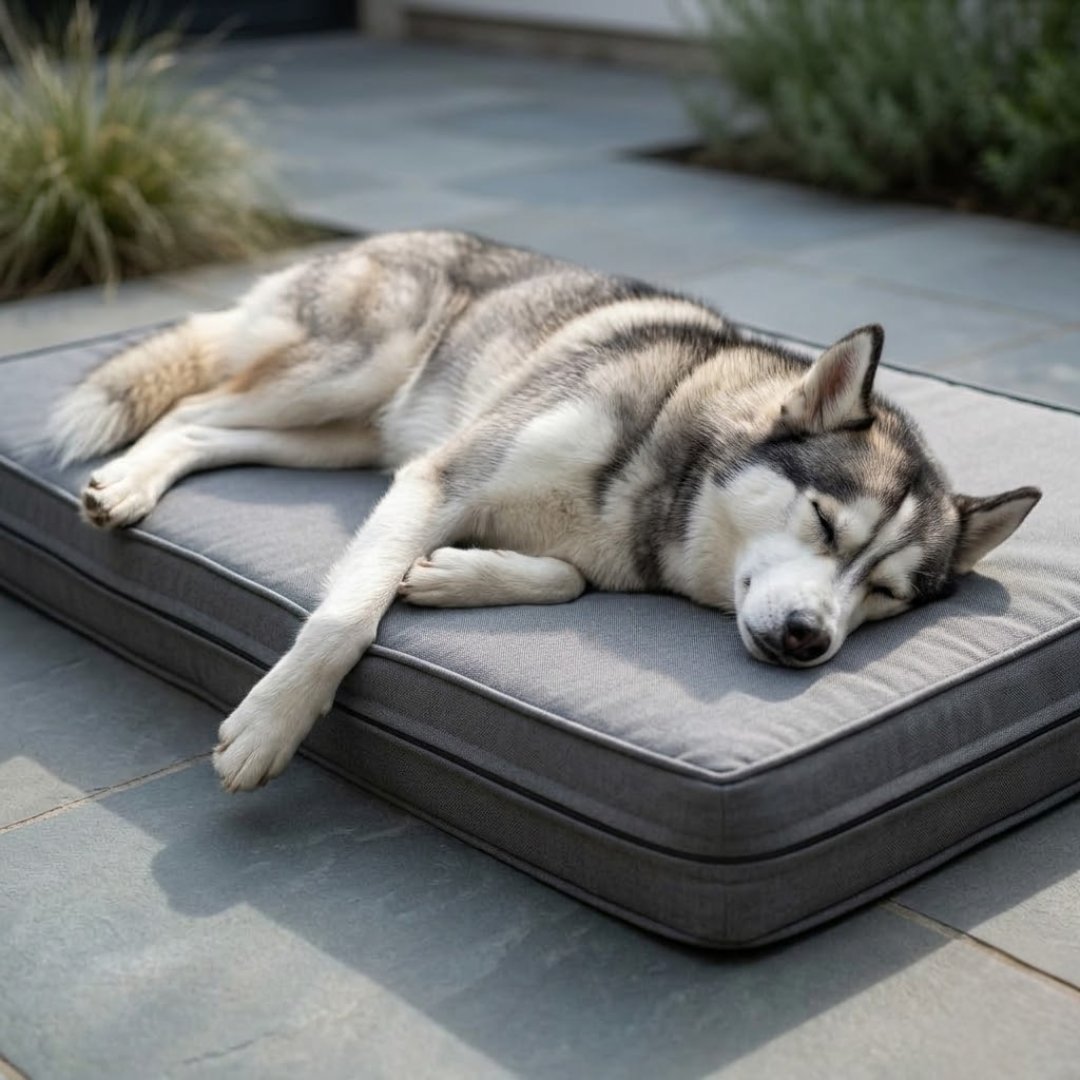
The high-density egg-crate foam in this bed keeps its shape for years. Unlike cheaper flat-foam options, the peaks-and-valleys structure bounces back and provides consistent support, so your dog gets pressure relief every night.
The removable, washable cover design is a big plus. Senior dogs might have accidents or drool more, and this design keeps everything fresh and clean without needing a new bed.
This bed is a strong fit for:
- Dogs diagnosed with arthritis or hip dysplasia
- Large and giant breeds over 50 pounds
- Senior dogs showing morning stiffness or mobility issues
- Dogs recovering from orthopedic surgery
- Any breed needing spinal alignment support during sleep
The even weight distribution reduces pressure on hips, elbows, and shoulders — meaning less inflammation and easier mornings for your senior dog. It also lays flat, fits in a crate, or travels with you, so the support goes wherever your dog rests.
Best Plush Choice for Calming Comfort and Warmth
For senior dogs needing emotional comfort and warmth, I recommend the Plush Ribbed Calming Pet Bed. It’s great for anxiety and keeping warm.
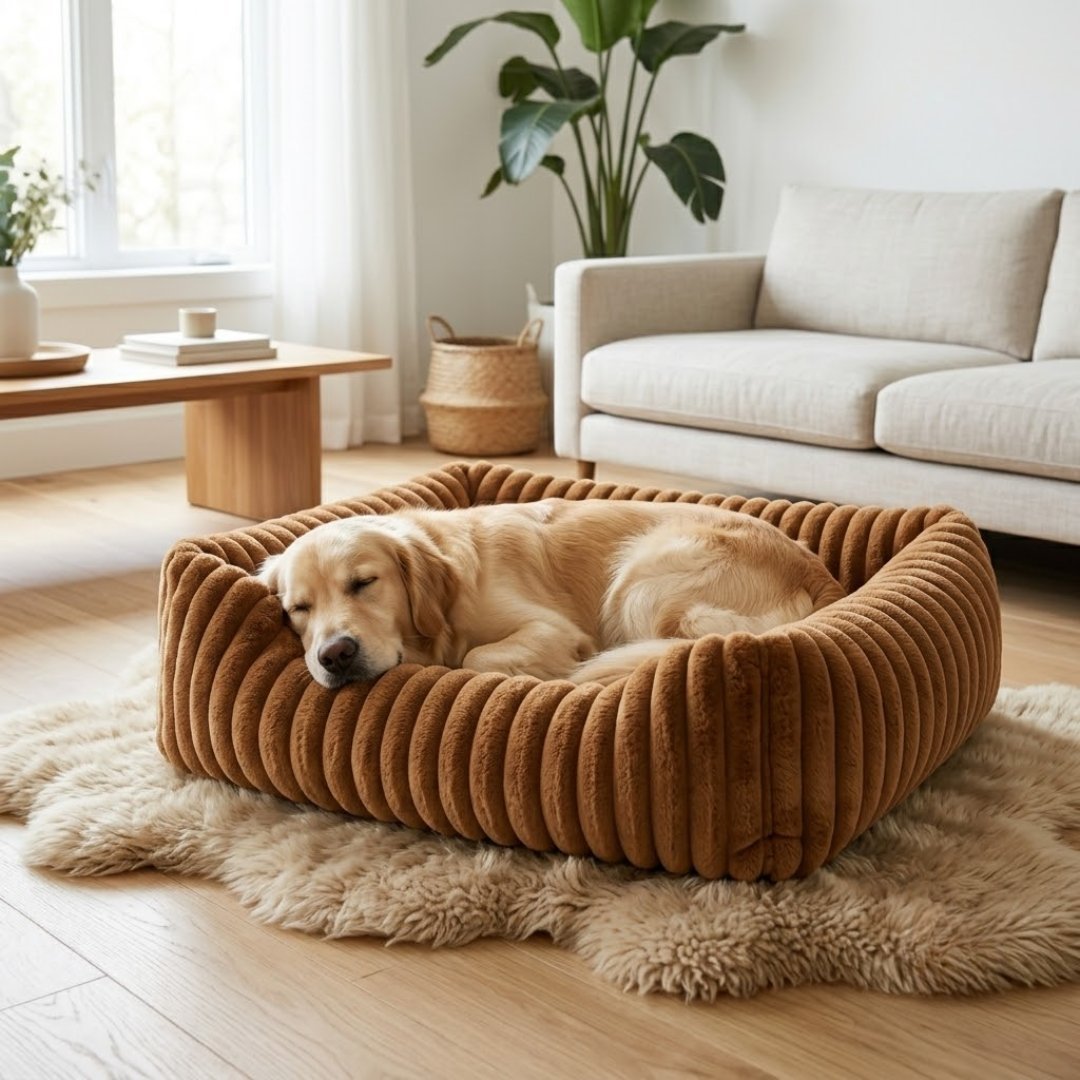
The ribbed plush design creates a cozy nest that anxious dogs love. The raised edges provide security and a comfortable spot for their head — like a warm hug in bed form.
This bed is excellent at keeping body heat in. Older dogs with slower metabolisms struggle to stay warm, and the plush material insulates naturally without needing heated elements. It comes in five colors and four sizes with a machine-washable cover, so it stays easy to maintain.
This plush bed is perfect for:
- Anxious or nervous senior dogs who startle easily
- Small breeds under 20 pounds that get cold quickly
- Dogs who naturally love to burrow and nest
- Seniors without significant joint problems but high comfort needs
- Dogs who sleep better when they feel securely nestled
The calming design helps reduce nighttime restlessness for dogs who benefit from a snug, enclosed feel.
How to Decide Which One Your Dog Needs Right Now
Choosing the best bed for senior dogs depends on their main challenge. Let’s break down a simple decision framework to make this choice clear.
If your dog struggles with physical mobility more than emotional issues, choose the orthopedic bed. Joint pain, stiffness, arthritis, and recovery from surgery all need firm, supportive foam.
If your dog’s main challenges are anxiety, temperature sensitivity, or cognitive decline without major joint problems, the plush calming bed is better. Emotional comfort and warmth are more important when joints aren’t the main issue.
| Your Dog’s Primary Need | Recommended Bed Type | Key Benefit |
|---|---|---|
| Arthritis or hip dysplasia | Orthopedic | Pressure point relief and spinal support |
| Anxiety or nervousness | Plush Calming | Security through bolstered edges |
| Post-surgery recovery | Orthopedic | Firm support for healing joints |
| Gets cold easily | Plush Calming | Superior insulation and warmth retention |
| Cognitive decline/dementia | Plush Calming | Nest-like comfort reduces confusion |
If your senior dog has both joint issues and anxiety, start with the orthopedic bed for joint health. Then add a soft blanket or small plush pillow for emotional comfort.
You can also layer solutions by placing the orthopedic bed in a quiet, secure corner of your home. This combines physical support with emotional comfort.
Remember, your dog’s needs may change over time. A 10-year-old might need orthopedic support by age 12. Stay observant and switch if you notice new challenges.
The best bed for senior dogs is the one that addresses their most pressing health concern. Trust your observations and choose wisely.
Conclusion
Choosing the right bed for senior dogs can be tough with so many choices. It’s all about what your dog needs most. Do they need support for their joints or comfort for their soul?
If your dog has joint pain or arthritis, an orthopedic bed is best. It gives them the support they need. On the other hand, if they’re anxious or love warmth, a plush bed is perfect.
Dogs sleep a lot, up to 20 hours a day. Good sleep boosts their immune system and energy. The right bed means they wake up feeling great.
Watch how your dog sleeps to know what they need. Do they have trouble standing or love soft spots? These clues help you choose the best bed.
Our senior dogs give us so much love and loyalty. Giving them a comfy place to rest is a big way to show we care. The right bed is a gift to their health and happiness.
FAQ
At what age should I switch my dog to an orthopedic bed?
Switch to an orthopedic bed when your dog is a senior, around age 7 for medium and large breeds. For smaller breeds, it’s around 9-10 years. But, watch for signs like trouble getting up or limping. These are signs to switch, no matter the age.
For big breeds like Labradors or Great Danes, start early, around age 5. This helps prevent hip problems. Early support can slow down joint damage.
Can I use both an orthopedic and plush bed for my senior dog?
Yes, many dogs do well with both types of beds. Use an orthopedic bed for nighttime and a plush one for naps. This gives your dog what they need when they need it.
Or, look for a hybrid bed that has both support and comfort. This is great for dogs with joint pain and anxiety.
How do I know if my dog’s joint pain is severe enough to need an orthopedic bed?
Don’t wait for severe pain to get an orthopedic bed. Watch for signs like trouble getting up or limping. These are early warnings.
Even if your vet hasn’t said your dog has arthritis, these signs mean they need support. An orthopedic bed helps manage pain and prevent further damage.
Will a plush bed make my dog’s arthritis worse?
A plush bed won’t make arthritis worse, but it won’t help either. The soft fill can put too much pressure on joints.
It can also make it hard for dogs to get up, straining their joints. For dogs with arthritis, an orthopedic bed is better. It provides the support they need.
Are memory foam beds the same as orthopedic beds?
Not exactly. While many orthopedic beds use memory foam, they’re not the same. Orthopedic beds are made for joint support, with high-density foam.
Some use memory foam, but the best ones combine it with a dense base. This gives the best support and lasts longer.
How long do orthopedic dog beds typically last compared to plush beds?
Orthopedic beds last much longer than plush ones. A good orthopedic bed can last 5-10 years. Plush beds usually last 1-3 years.
For senior dogs, the extra support is worth the cost. It helps them stay comfortable as they age.
What’s the best bed for a senior dog with both arthritis and anxiety?
For dogs with arthritis and anxiety, a hybrid bed is best. It should have orthopedic support and calming features.
Look for a bed with a soft, removable cover for comfort. Some beds have bolsters for extra support and security.
Do small breed senior dogs need orthopedic beds, or are those just for large dogs?
Small breed senior dogs can also benefit from orthopedic beds. They’re prone to joint issues like arthritis and luxating patellas.
Thin-skinned small breeds need support to avoid pressure sores. Assess your dog’s needs and consult your vet for advice.
Can an orthopedic bed help my dog avoid surgery for hip dysplasia?
An orthopedic bed is part of managing hip dysplasia, but it’s not a cure. It can reduce pain and inflammation, improving your dog’s quality of life.
It’s best used with other treatments like weight management and exercise. Your vet will help decide the best course of action.
What should I look for in a washable cover for a senior dog bed?
Look for a cover that’s easy to wash and maintain. It should have a durable zipper and be machine washable.
Water-resistant liners are great for senior dogs prone to accidents. Choose a cover that’s easy to remove and replace.
How do I transition my senior dog to a new orthopedic bed if they’re resistant to change?
Transitioning to a new bed can be challenging. Start by placing the new bed next to the old one.
Make the new bed appealing with familiar scents and treats. Be patient and gentle, and don’t rush the process.
Are elevated orthopedic beds better for senior dogs than floor-level beds?
Elevated beds can be good for some senior dogs, but not all. They get your dog off cold floors and improve air circulation.
But, they can be a fall risk for dogs with mobility issues. Choose a bed that’s safe and suitable for your dog’s needs.
How thick should an orthopedic dog bed be for a large breed senior dog?
For large breed senior dogs, look for a bed with at least 4-5 inches of foam. 6-8 inches is better for dogs over 80-100 pounds.
Thicker foam provides better support and pressure relief. Look for beds with multiple layers for extra support.
Will my senior dog be too hot on a memory foam orthopedic bed?
Memory foam beds can be warm, but modern ones have cooling features. Look for gel-infused foam or open-cell structures for better air flow.
Some beds have cooling covers for extra comfort. Place the bed in a well-ventilated area to keep your dog cool.
Can a calming bed help with my senior dog’s nighttime restlessness?
Yes, a calming bed can help with restlessness. The secure design and soft texture can soothe anxious dogs.
For dogs with dementia, it provides a familiar sleeping space. But, for joint pain, an orthopedic bed is better. Consider a bed with both features for dogs with multiple issues.