
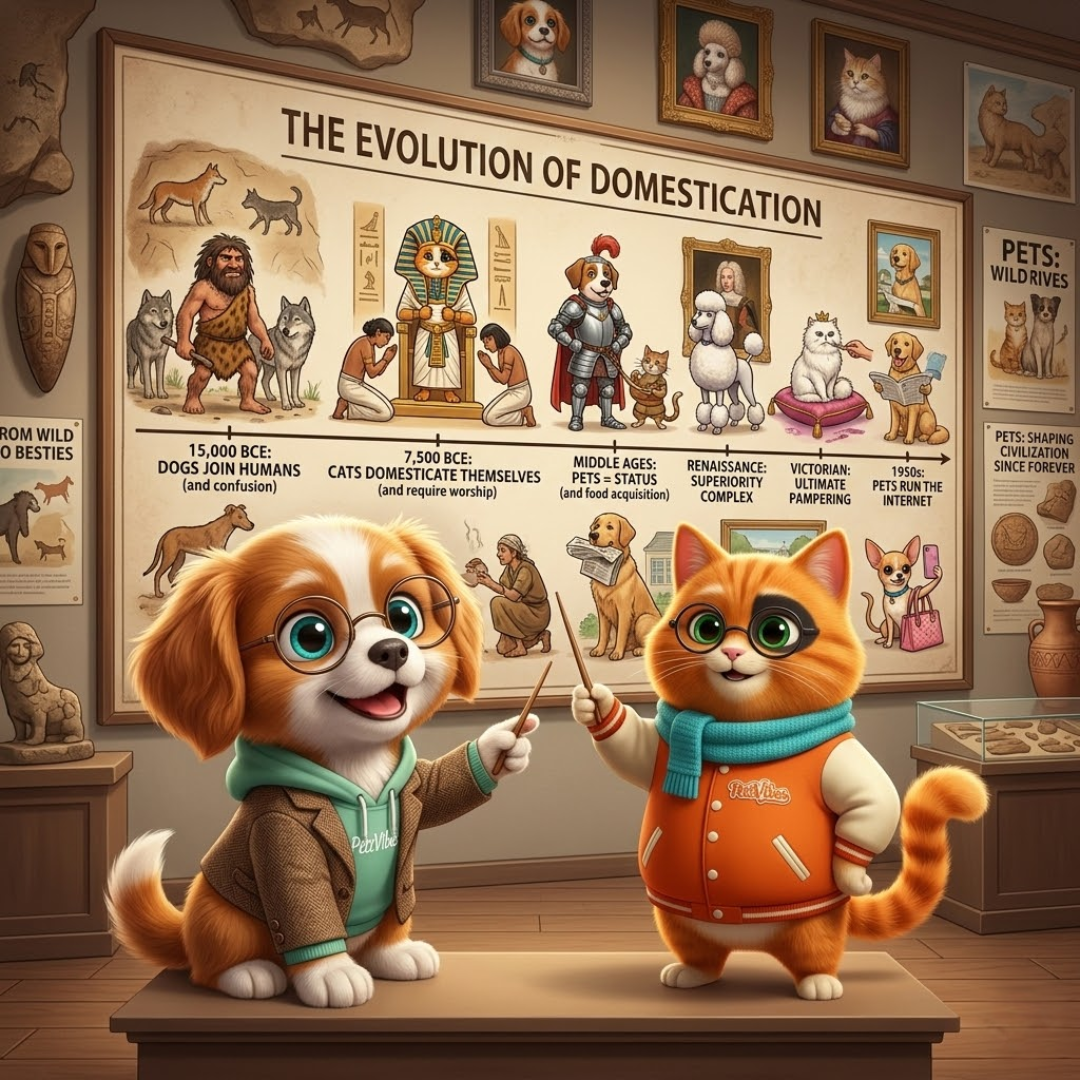
Have you ever paused to consider the profound impact that your furry, feathered, or scaly companions have had on the course of human history? It turns out that the animals we share our homes and lives with have played a significant role in shaping our society, culture, and even our own evolution. From the earliest first bonds formed with wild creatures to the complex roles pets play in modern life, the story of domestication is rich with episodes of partnership and transformation.
The Dawn of Domestication
The journey of domestication begins thousands of years ago, in the realms of prehistory. Early humans began forming symbiotic relationships with animals, which marked the start of a complex interdependence.
Early Human-Animal Interactions
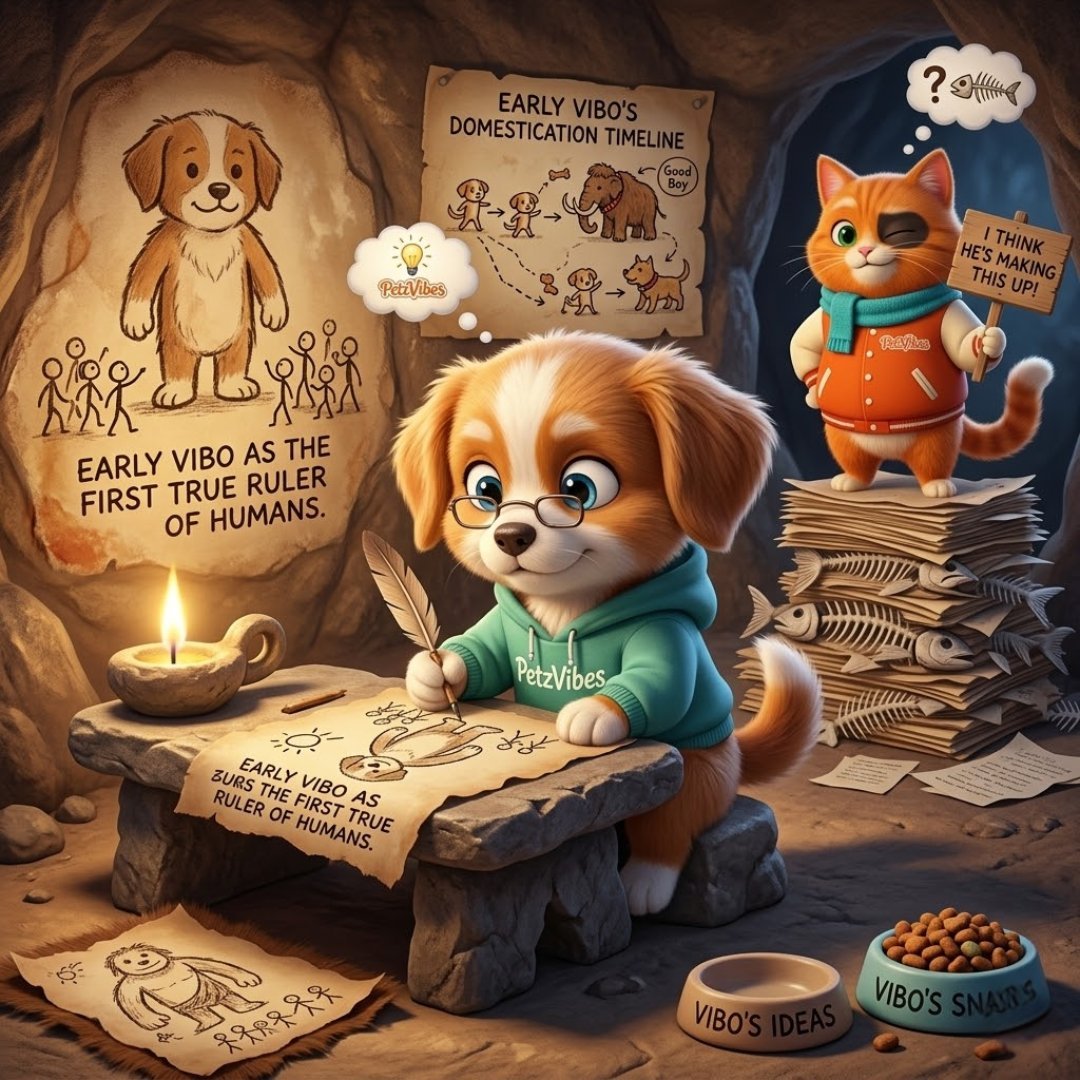
In ancient times, humans lived in small, mobile groups and were primarily hunters and gatherers. During this era, animals such as wolves may have been attracted to human settlements by the smell of food. Over generations, some of these wolves lost their fear of humans and began to be seen as companions rather than threats. These interactions were a significant step away from the typical predator-prey dynamics.
The First Domesticated Animals
The dog, believed to have descended from a now-extinct wolf species, was likely the first animal to be domesticated. This process started over 15,000 years ago and involved selective breeding by early humans for traits like temperament and physical characteristics that made the wolves more amenable companions. Dogs provided humans with help in hunting and protection, in exchange for food and care.
The domestication of livestock followed, providing consistent sources of meat, milk, and hides. Sheep, goats, and cattle were among the first to be tamed, initiating an agricultural revolution that fundamentally changed human society from nomadic lifestyles to settled agricultural communities.
The Impact on Human Civilization
As humans started to domesticate more animals, these relationships began to have broader societal implications. Domesticated animals were not just sources of food or protection; they became integral to agricultural and economic development.
Agriculture and Settlement
The domestication of animals helped facilitate the transition from foraging to farming communities. Animals like oxen and horses were used for labor, such as plowing fields and transporting goods, which significantly increased productivity. This development laid the groundwork for stable food supplies and supported the growth of larger, more settled populations.
Social and Economic Structures
With more reliable food sources, human societies could support diverse occupations and social structures. Surplus food became a tradable commodity, leading to the growth of trade networks and economies. Domesticated animals were often used as units of wealth and currency, reinforcing their importance in economic systems.
Cultural and Religious Significance
Animals also took on significant cultural and religious roles. In many ancient societies, animals were deified, seen as spiritual messengers, or used in religious rituals. Egyptian society famously revered cats, associating them with the goddess Bastet, which demonstrates how deeply intertwined domesticated animals became with human culture and spirituality.
The Evolution of Pet Keeping
As human civilization advanced, the role of domesticated animals began to diversify further, giving rise to the phenomenon of pet keeping.
From Livestock to Companionship
Initially, animals were kept primarily for utilitarian purposes: for work, food, and other resource needs. Over time, the role of some animals shifted towards companionship. This transition signaled a significant change in human society, reflecting an evolving perception of animals—from mere tools to sentient beings capable of companionship.
The Rise of Pets in Society
The concept of keeping pets found its place across various cultures and historical periods, with each society contributing its unique perspective on the human-animal bond. In ancient Rome, small lapdogs and birds were popular amongst the elite, while in East Asia, the Japanese Chin was bred specifically as a companion for the aristocracy.
Apart from providing companionship, these animals were often viewed as status symbols. The ability to support non-working animals demonstrated wealth and social standing, further embedding cats and dogs into the fabric of human social hierarchies.
Pets and Human Health
Today, the presence of pets in modern society is ubiquitous. They are valued companions that significantly influence our health and wellbeing, both physically and emotionally.
Physical Benefits of Pet Ownership
Owning pets has been linked to numerous physical health benefits. Studies have shown that pet owners often have lower blood pressure, reduced cholesterol levels, and a decreased risk of heart disease. The simple act of walking a dog can increase physical activity levels, supporting better cardiovascular health.
Emotional and Psychological Benefits
The presence of pets also has profound emotional and psychological effects. They provide companionship which can reduce feelings of loneliness and depression. The bond between humans and their pets can increase levels of oxytocin (often dubbed the “love hormone”), promoting feelings of connection and happiness. Furthermore, pets are often used in therapeutic settings to assist individuals dealing with mental health issues, trauma, and stress.
The Ethical Considerations of Domestication
With the benefits of domestication come important ethical considerations regarding the treatment and welfare of animals.
Responsibility towards Animal Welfare
As our understanding of animal emotions and intelligence has grown, so too has the awareness of our ethical responsibilities toward them. This has led to significant movements advocating against the abuse and exploitation of animals, pushing for better welfare standards and legal protections.
Balancing Tradition with Ethics
There is a delicate balance between maintaining cultural practices involving animals and advancing ethical standards. For instance, the use of animals in ceremonial or traditional settings is being re-evaluated in many societies to align with modern views on animal rights. These discussions encourage a rethinking of how human society can sustain age-old traditions while ensuring the dignity and well-being of animals.
Pets Shaping Modern Society
In the contemporary world, pets continue to play multifaceted roles that shape societal norms and personal lifestyles.
Contribution to the Economy
Pet ownership supports a substantial global industry, including sectors like pet food, veterinary services, grooming, and accessories. This industry is a significant economic driver, reflecting society’s willingness to invest in the health and happiness of their pets.
Pets in Media and Culture
Popular culture has elevated pets to icons of mass media, influencing fashion, film, social media, and beyond. Pets have become internet celebrities, with millions of followers and fans, reflecting societal enthusiasm and love for companion animals.
Shaping Social Interactions
Pets often serve as social catalysts. They bridge the gap between strangers, facilitate introductions, and foster community interactions. Whether it’s meeting fellow pet owners at a dog park or engaging in online pet communities, animals often encourage socialization among humans.
The Future of Domestication
As society progresses, the future of domestication and the role of pets are likely to continue evolving.
Genetic Engineering and Biotechnology
Advancements in genetics and biotechnology are poised to influence the future of domestication. These technologies offer possibilities ranging from improvements in animal health to designing pets with specific traits like hypoallergenic fur or enhanced longevity. However, such advancements come with complex ethical implications that need careful consideration.
Sustainability and the Environment
With growing awareness of environmental impacts, the relationship between humans, pets, and the environment is gaining focus. This may lead to more sustainable practices in pet ownership, from eco-friendly pet products to rethinking the carbon footprint of pet food production.
A Changed World for Humans and Animals
Ultimately, as societies navigate the future, the role of animals in human life will require thoughtful reflection. Emphasizing compassion, sustainability, and ethical stewardship can ensure a world where both humans and animals thrive, continuing a partnership that has been central to human history.
In conclusion, the journey from wild animals to beloved pets has been long and intricate, shaping not only the animals themselves but also the trajectory of human society. From contributing to the establishment of early agricultural communities to helping define modern lifestyle and health, domesticated animals have profoundly impacted human civilization. As you reflect on the furry (or feathered or scaly) friends in your own life, consider the incredible history of domestication and the shared future that promises ongoing interaction and adaptation.