Is your dog’s bowl making meals messy or uncomfortable? Let’s look beyond color and style to find the right bowl for your dog’s needs.
Dogs need safe, reliable bowls for eating and drinking. But the right bowl depends on many factors. Size, age, breed, and eating habits all play a role. Even a puppy or a senior dog may need a special bowl.
In this guide, we’ll compare different types of bowls. We’ll look at standard, elevated, slow feeders, puzzle feeders, and more. We’ll see where each type excels and where it might not be the best choice.
When picking bowls, we consider safety, size, and ease of cleaning. We also think about the trade-offs. Price, portability, and how easy they are to clean are important.
Wondering what’s the best bowl for your dog? We’ll give you clear advice. Whether your dog eats fast, makes a mess, or travels a lot, we’ve got you covered.
Key Takeaways
- The right bowl should match your dog’s body, habits, and health needs.
- Material, size, shape, and stability matter more than appearance.
- Slow feeders can help dogs that gulp meals too quickly.
- Non-slip and spill-resistant bowls can reduce wet floors and food messes.
- Travel bowls offer a practical way to provide water away from home.
- Easy cleaning helps keep food and water bowls safe for daily use.
How to Choose the Right Dog Bowl for Your Dog’s Daily Needs
“What does my dog actually need from a bowl every day?” I start with that simple question. The answer depends on my dog, the food I serve, and how my dog uses the bowl.
When I consider how to choose the right dog bowl, I look beyond color or price. A good bowl should fit my dog’s age, eating style, and daily habits.
| Dog Need | Helpful Bowl Feature | Why It Matters |
|---|---|---|
| Puppy that chews or flips bowls | Heavy, non-slip stainless steel bowl | It stays put and resists damage. |
| Adult dog with regular meals | Durable, easy-clean everyday bowl | It supports steady use in a dog feeding routine. |
| Senior dog | Stable bowl with easy access | It can make meals feel more comfortable. |
| Fast eater | Slow feeder or puzzle bowl | It slows down eating and adds focus. |
| Messy drinker | Weighted or spill-resistant water bowl | It helps limit splashes and tipped water. |
Breed and muzzle shape also guide my choice. Broad-faced dogs often need a wide opening, while dogs with narrow muzzles may eat more easily from a smaller bowl.
For hounds and spaniels, I would consider a narrow-mouthed bowl. It can help keep long ears out of food and water, which means less cleanup after meals.
Choosing dog feeding bowls also means matching the surface to the food. Dry kibble works well in a standard bowl, but wet food, raw meals, soaked kibble, and soft treats need a bowl or mat I can wash thoroughly after every use.
If my dog shoves a bowl across tile, chews its rim, or treats it like a toy, I choose a sturdier design with a non-slip base. That practical detail often matters more than a decorative look when I ask, “What is the best dog bowl for my pet?”
How to Choose the Right Size Dog Bowl for Food and Water
“What is the right size dog bowl for my pet?” I start by thinking about how much my dog eats or drinks at once. The bowl should hold a full meal or enough water without overflowing.
Match Bowl Capacity to Meal Portions and Water Needs
I pick food bowls with extra room for kibble and wet food. This keeps everything in during meals. The bowl should hold one complete serving, not force me to use two bowls.
Dogs need water always available. The size of my dog water bowl depends on how much they drink and how often I can refill it.
If I can’t refill water often, I choose a bigger, stable bowl. It holds enough water for the day. Still, I empty, refresh, and clean it every day.
Choose a Bowl Opening That Fits Your Dog’s Muzzle
The opening of the bowl is as important as its size. A big-faced dog needs a wide opening, while a dog with a narrow muzzle does well with a slimmer bowl.
For dogs with long ears, I look for a narrower opening. This shape helps keep their ears out of wet food and water.
Know When a Bowl Is Too Deep or Too Shallow
A bowl that’s too deep can be hard for small dogs or short-muzzled breeds to reach. A bowl that’s too shallow might spill kibble, wet food, or water.
I observe my dog during meals to choose the right bowl. My dog should easily reach food and water, without spills or straining.
Dog Bowl Material Types: Stainless Steel, Silicone, Melamine, Ceramic, and Plastic
Which dog bowl material is best? I look at hygiene, weight, durability, cleaning, and how often to replace them. The right choice depends on whether you need a daily feeder, a travel option, or a stable bowl for home.
| Material | Best Use | Key Care Point |
|---|---|---|
| Stainless steel | Daily food and water bowls | Choose food-grade Type 304 steel when listed. |
| Silicone | Travel, hikes, and training | Wash after use and let it dry fully. |
| Melamine | Stylish home feeding stations | Check for cracks and follow maker instructions. |
| Ceramic | Stable indoor feeding | Replace it at once if it chips or cracks. |
| Plastic | Low-cost and lightweight use | Replace bowls with deep scratches. |
For most homes, I prefer stainless steel dog bowls. They are non-porous, hard to break, and easy to clean. Quality steel resists rust and doesn’t hold odors or food residue well. Many are dishwasher-safe, but light bowls might slide without a rubber base or added weight.
A silicone dog bowl is flexible and light. It’s great for walks, road trips, hiking, and training classes. It can fold flat or compress inside a bag. Silicone also works well for lick mats and feeding mats.
A melamine dog bowl adds color and structure to a feeding area. Many designs use melamine as an outer shell or stand with a removable stainless steel insert. I use these under supervision, inspect them for damage, and follow the cleaning directions from the manufacturer.
A ceramic dog bowl is heavy, stable, and easy to wipe clean. Its weight may help keep an eager dog from pushing it across the floor. I choose non-toxic, food-grade ceramic, but it can crack or break when dropped and may not be dishwasher-safe.
A BPA-free plastic dog bowl is affordable, light, and often safe for the dishwasher. Still, plastic scratches more easily than steel or ceramic, and those marks can trap food residue and germs. I replace worn bowls promptly, especially when scratches are deep.
I also inspect metal bowls often. Low-quality metal can rust and may change the taste of food or water. Clear material details and routine checks help me spot damage before it becomes a hygiene issue.
Best Bowls for Fast Eaters and Bloat Prevention
“My dog eats too quickly—what bowl should I choose?” I look for a bowl that slows the pace without making meals stressful. Slow feeder dog bowls can help dogs that gulp kibble, finish in seconds, or vomit after rapid eating.
I also consider whether the dog needs more to do at mealtime. The right bowl can turn a quick meal into a calmer daily routine.
When Should I Choose Slow Feeder Dog Bowls?
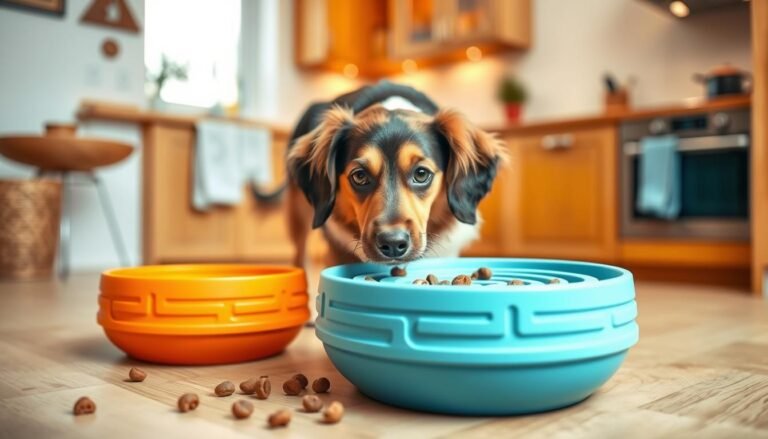
Slow feeders have raised ridges, winding channels, or low obstacles. Instead of taking a few large bites, a dog must move around the pattern to reach each piece of food.
Most slow feeder dog bowls are made from food-safe plastic, but silicone and stainless steel options are also sold. I choose a size that holds the full meal without crowding the food into a deep, hard-to-reach maze.
A bowl for dogs that eat too fast should add time, not frustration. If my dog gives up, paws at the bowl nonstop, or cannot reach enough food, I switch to a simpler pattern.
Dog Puzzle Slow Feeder Bowl for Slower, More Engaging Meals
A dog puzzle slow feeder bowl works well when a dog needs both a slower meal and a mental task. Compartments and obstacles encourage the dog to use its nose, tongue, and paws to free the food.
I view a dog enrichment feeder as a useful option for energetic dogs or dogs that seem bored after meals. Dry kibble is often easiest to use, while wet food may work best in wider channels.
These bowls need more cleaning than smooth bowls. Food can stay in corners and grooves, so I use a small dish brush or bottle brush during handwashing.
| Bowl Type | Best For | What I Check |
|---|---|---|
| Shallow slow feeder | Dogs new to paced eating | Wide channels and easy food access |
| Deep puzzle feeder | Dogs that need extra engagement | Stable base and a pattern that is not too difficult |
| Standard smooth bowl | Dogs that already eat at a calm pace | Appropriate size and easy daily cleaning |
What Owners Should Know About Bloat Risk
Slowing a fast eater is not the same as preventing bloat. Bloat is a serious, potentially fatal condition, and no feeder should be presented as a guaranteed way to stop it.
The bloat risk in dogs can depend on breed, body size, health history, and feeding habits. Some research has raised concerns about elevated bowls and higher risk in certain dogs.
For a large or giant breed, a dog with digestive trouble, or a dog with known risk factors, I would discuss the feeding setup with a veterinarian. A veterinarian can help guide meal timing, bowl height, exercise routines, and other risk-reduction steps.
Anti-Tip and Non-Slip Dog Bowl Features for Messy Drinkers
Looking for a dog bowl that won’t tip over? I search for bowls made of stable materials. They should have a low profile, a wide base, and strong non-slip features. These features keep the bowl in place.
Rubberized or silicone bases grip different floors well. This prevents the bowl from sliding while your dog eats or drinks. An anti-tip bowl also has a broad base, making it harder to knock over.
A low, wide bowl is great for active dogs. It’s perfect for puppies, dogs that drink a lot, and those who paw at their water. I prefer stainless steel bowls because they’re durable and easy to clean.
Spill-resistant bowls have a floating disk at the water’s surface. When a dog licks it, water rises for drinking. This design helps prevent splashing and keeps your dog’s fur dry.
For dogs that drink a lot, the Anti-Tip Stainless Steel Dog Bowl is a good choice. It’s made of sturdy steel, has a weighted shape, and a grip base. This bowl is perfect for dogs that slide or overturn lighter bowls.
Even spill-resistant bowls need fresh water and daily cleaning. Weighted bowls are heavier than collapsible ones, making them less portable. But at home, their weight helps keep the area clean.
Best Travel and Collapsible Bowls for On-the-Go Dogs
Do I need a separate bowl for travel? Yes, when my dog comes with me on walks, training, or trips. A travel dog bowl is a clean, simple way to offer water or snacks away from home.
Why a Collapsible Bowl Is Worth Packing
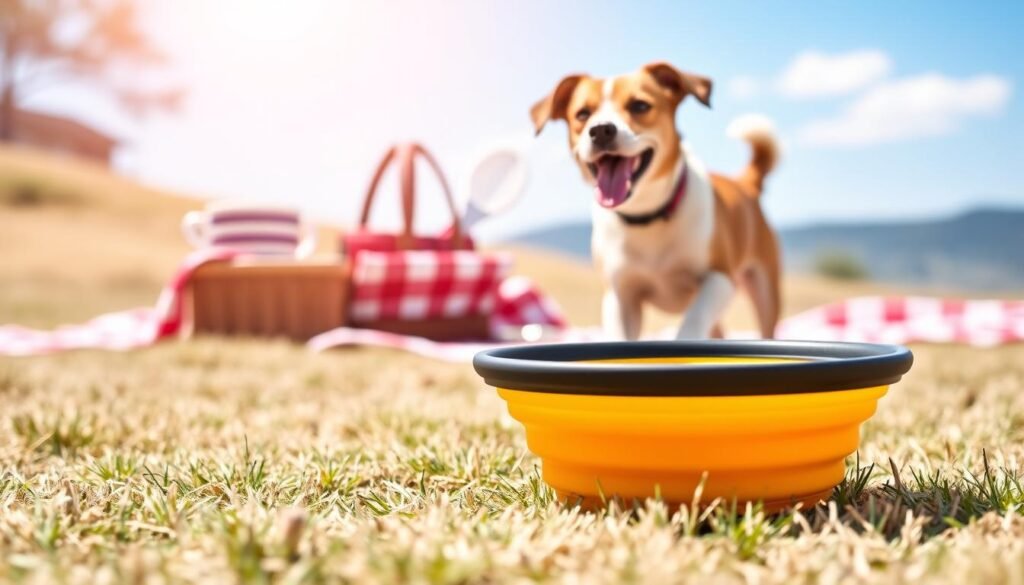
A collapsible dog bowl is perfect for packing. It folds flat and fits in a backpack or pocket. Expanding it takes just seconds, making it easy to give my dog fresh water.
It’s great for hot days, long waits, and places with little shade. It’s also useful for kibble after a class or during a drive.
Collapsible Silicone Pet Bowl for Everyday Outings
For short walks and park visits, I prefer a collapsible silicone pet bowl. It’s light, flexible, and easy to carry with a leash and waste bags. Silicone bowls hold their shape well when opened.
These bowls aren’t as stable as home bowls. I place mine on level ground, away from foot traffic and dirt. A shallow fill helps prevent spills.
Collapsible Travel Dog Bowl for Longer Trips
A collapsible travel dog bowl is ideal for road trips, camping, or hiking. I pack one with a water bottle for quick water breaks. This makes travel more comfortable, especially in hot or dry weather.
After each use, I wash the bowl thoroughly and let it dry before folding. Wet food can leave residue, and trapped moisture can cause odor. I treat a travel bowl as a useful supplement, while keeping a durable everyday bowl at home.
Everyday Bowls for Home Use and Routine Feeding
What’s the best dog bowl for daily meals at home? A simple, well-sized bowl is often the best choice. It should fit your dog’s muzzle and be easy to clean.
I use separate bowls for food and water at home. This keeps water clean and makes refilling easy. A standard bowl works well for most dogs, especially if it has a stable base and smooth interior.
Having extra bowls makes daily care easier. Dogs that eat wet or raw food need a clean bowl after each meal. This way, I can serve the next meal without washing the same bowl all day.
A melamine small dog bowl can add a touch of style to your kitchen. It’s a good choice for small dogs when looks matter. I always check these bowls for any damage.
I follow the maker’s cleaning directions for melamine bowls. Models with a removable stainless steel insert are easier to wash, especially after messy meals. This design is often part of the best dog bowl setup for homes.
| Home Feeding Need | Useful Bowl Choice | Daily Care Tip |
|---|---|---|
| Dry kibble meals | Standard dog bowl with a wide, stable base | Wash after use and check the rim for trapped crumbs. |
| Wet, raw, or soaked food | Spare stainless steel or removable-insert bowls | Wash after every meal and keep clean backups ready. |
| Small-dog feeding area | Melamine small dog bowl with a steel insert | Inspect the outer shell for damage during regular cleaning. |
| Fresh drinking water | Separate water bowl with a non-slip base | Refill often and clean it daily. |
A regular bowl may not meet all needs. Dogs that gulp food might need a slow feeder. Dogs that knock over bowls might need an anti-tip design. I also have a collapsible bowl for walks and trips.
Elevated vs Regular Dog Bowls: Which Feeding Height Is Right?
Choosing between an elevated or regular dog bowl is a big decision. For many healthy dogs, starting with a sturdy floor-level bowl is best. Regular bowls fit well into normal routines and don’t assume every large dog needs a raised setup.
When comparing elevated vs regular dog bowls, I look at comfort, stability, and daily habits. A dog’s size alone doesn’t decide the right bowl height.
When a Regular Dog Bowl Is the Better Choice
A standard bowl is simple, easy to wash, and widely available. I like one with a non-slip base, especially for eager eaters and messy drinkers.
Floor-level bowls are great for dogs that eat and drink without strain. They offer a steady, familiar feeding posture for many adult dogs.
When to Ask a Veterinarian About Elevated Dog Bowls
I would ask a veterinarian before using an elevated dog bowl for dogs with sore joints, limited movement, neck pain, or other health concerns. Professional advice is key when comfort changes during meals.
Raised bowls are often suggested for large and giant breeds. But some studies link elevated feeding with a higher bloat risk. I avoid one-size-fits-all height rules, especially for dogs with known bloat concerns.
What to Look for in an Elevated Bowl Stand
I look for a wide, non-slip base and solid construction. A light stand with narrow feet can tip, spill water, and make meals feel unsettled.
An adjustable elevated dog bowl is great for a multi-dog home or during puppy growth. Some guides suggest placing bowls near chest level; another estimate uses standing shoulder height minus about 6 inches for large dogs and 4 inches for smaller dogs.
I treat these numbers as a reference, not a fixed rule. Removable bowls also make refilling and cleaning much easier.
Choosing Dog Feeding Bowls for Puppies, Seniors, and Special Routines
Does my dog’s age or routine change which bowl I should buy? Yes. I consider life stage, medical routines, behavior, and enrichment needs before picking a feeding setup.
For a puppy dog bowl, I choose durable stainless steel with a non-slip or anti-tip base. Puppies often paw, chew, push, and flip light bowls. A stable bowl helps limit spills during busy meals.
A senior dog feeding bowl should stay firmly in place and have an easy-to-reach shape. If my dog has arthritis, poor balance, neck pain, or trouble bending, I would ask a veterinarian about bowl height and feeding posture.
For set meal times, a timed dog feeder releases a chosen portion at a planned hour. I find this useful when workdays vary or when a dog needs a steady meal routine.
| Routine or Need | Helpful Feeding Tool | How It Works | Care Need |
|---|---|---|---|
| Fast eating | dog enrichment bowl | Raised ridges and channels slow access to food. | Wash grooves well after each meal. |
| Food-focused play | Puzzle feeder | Dogs use their nose, tongue, and paws to reach food in compartments. | Check parts for cracks or loose pieces. |
| Wet food or soft treats | lick mat for dogs | Textured silicone or plastic ridges hold a thin spread of food for licking. | Clean every ridge, especially after moist food. |
| Kibble foraging | snuffle mat for dogs | Fabric pockets hide food and encourage natural scent work. | Shake out crumbs, wash often, and inspect fabric. |
I use enrichment tools with supervision when a dog chews or tears fabric. Regular washing and close inspection matter most when moist food collects in small spaces.
Cleaning, Durability, and Food Safety When Choosing Dog Feeding Bowls
How do I keep my dog’s bowl safe and sanitary? I match my cleaning routine to what the bowl holds. Wet foods and water can leave residue fast. Keeping the bowl clean helps meals stay fresh and appealing.
How Often Should I Wash My Dog’s Bowl?
I wash bowls used for wet food, raw food, or soaked kibble after every meal. I also wash lick mats after each use. This is because soft food can stay hidden in textured ridges.
For dry kibble, I clean dog bowls every day. A quick wash removes oils and crumbs. This prevents a stale or sour smell.
I empty, clean, and refill water bowls with fresh water daily. This limits buildup from drool, food bits, dust, and other contaminants.
Which Dog Bowl Materials Are Easiest to Clean?
Stainless steel dog bowls are among my top choices. They are non-porous, simple to sanitize, and built for daily use. Many are a dishwasher-safe dog bowl option, making routine care easier.
Quality ceramic can also be easy to wash. I check that the glaze is intact and the bowl is approved for the dishwasher. I choose a food-safe dog bowl with a smooth finish that has no cracks or rough spots.
Plastic and slow-feeder bowls need closer checks. Scratches, grooves, and raised obstacles can trap food. I use a bottle brush or small dish brush to reach channels and corners.
When Should I Replace a Dog Bowl?
I inspect each bowl often and replace it if it is chipped, cracked, deeply scratched, rusted, warped, or hard to clean. Even a durable dog bowl can become less safe after heavy use or damage.
I replace ceramic bowls with chips or cracks and discard plastic bowls with deep scratches. I also replace stainless steel bowls if corrosion or damage prevents a thorough wash.
Quick Dog Bowl Selection Guide by Use Case
I use this dog bowl selection guide when I need a fast answer to one question: which bowl fits my dog’s daily routine? The best dog bowl for my pet depends on eating speed, drinking habits, cleanup needs, and where we feed.
| My Dog’s Need | Bowl Type to Consider | Why It Helps | Trade-Offs |
|---|---|---|---|
| Daily food and water at home | Stainless steel dog bowl | It is durable, easy to wash, and does not hold odors. | It can slide or make noise on hard floors without a mat. |
| Fast eating or gulping meals | Slow feeder dog bowls | Raised patterns make my dog work around the food at a slower pace. | Grooves take longer to scrub than a smooth bowl. |
| Spilled water or pushed food | Bowl with non-slip dog bowl features | A rubber base or weighted design helps keep the bowl in place. | Rubber parts need regular cleaning to prevent grime buildup. |
| Walks, road trips, and camping | Travel dog bowl | A collapsible silicone bowl packs flat and gives my dog water anywhere. | It may not be sturdy enough for messy indoor meals. |
I often keep more than one bowl. A stainless steel dog bowl works well for home, while a slow feeder can make meals calmer. A lightweight travel dog bowl stays in my car or day bag for water breaks.
Conclusion
Choosing the right dog bowl starts with observing your dog’s daily habits. Watch how they eat, drink, and react at mealtime. The best bowl should make these routines easier, not harder.
When picking dog bowls, focus on a few key points. Look for the right size and a wide opening for easy eating. Stainless steel is durable for daily use, while melamine is stylish for home feeding.
I use slow feeders for dogs that eat too fast and anti-tip bowls for messy drinkers. Collapsible silicone bowls are great for walks and trips. I only add these features if they solve a real problem.
Regularly washing bowls and checking for damage is important. If your dog has special needs, get a vet’s advice on feeding. This ensures your dog’s bowl setup is safe and suitable.
FAQ
What does my dog actually need from a bowl every day?
I look beyond color or style and focus on how my dog eats, drinks, behaves, and travels. The best dog bowl for my pet depends on size, age, muzzle shape, food type, eating speed, and my daily routine. A dependable home bowl, a slow feeder, or a travel bowl may each serve a different purpose.
What is the right size dog bowl for my pet?
I choose a bowl that holds my dog’s full meal without filling it to the rim. For water, I choose enough capacity to provide clean water through the day based on how often I can refill it. My dog should always have water available, and I still empty, wash, and refresh the water bowl daily.
Does the bowl opening matter as much as capacity?
Yes. I choose a wide opening for a dog with a broad face so my dog can reach food comfortably. A dog with a narrow muzzle may do well with a smaller opening. For hounds, spaniels, and other long-eared breeds, I may choose a narrow-mouthed bowl to help keep floppy ears out of food and water.
Which dog bowl material is best?
I usually find stainless steel dog bowls to be the strongest all-around choice for daily use. Quality food-grade stainless steel, including Type 304 when listed, is durable, non-porous, easy to clean, and often dishwasher-safe. Silicone is useful for travel and lick mats, while ceramic offers weight and stability but can crack. I use plastic only when it is food-safe and BPA-free, and I replace it when scratches become deep.
Are ceramic or melamine dog bowls safe?
I choose non-toxic, food-grade ceramic and replace it right away if it chips or cracks. Damaged ceramic can trap residue and bacteria. Melamine can be a practical, attractive home-use option, especially with a removable stainless steel insert, but I inspect it for damage and follow the maker’s cleaning instructions.
My dog eats too quickly—what bowl should I choose?
I choose slow feeder dog bowls when my dog gulps meals, finishes kibble in seconds, or vomits after eating too fast. Raised ridges and channels make my dog work around the food, which can slow the meal and add engagement. I make sure the pattern is not so difficult that my dog becomes frustrated or cannot reach enough food.
Is a Dog Puzzle Slow Feeder Bowl worth buying?
I would use a Dog Puzzle Slow Feeder Bowl for a dog that needs both a slower pace and more mental activity at mealtime. Puzzle designs encourage my dog to use the nose, tongue, and paws to reach food. The trade-off is cleaning: food can stay in corners and grooves, so I use a small dish brush or bottle brush after meals.
Can a slow feeder prevent bloat?
I do not treat a slow feeder as a guaranteed way to prevent bloat. It can help slow rapid eating, but bloat is a serious and potentially fatal condition with several risk factors. If I have a large- or giant-breed dog, a dog with digestive concerns, or a dog with known bloat risk, I ask my veterinarian about the safest feeding setup.
What bowl works for a dog that pushes, tips, or splashes water?
I look for a low-profile bowl with a wide base, added weight, and non-slip dog bowl features such as a rubberized or silicone bottom. These features help on tile, hardwood, and laminate floors. For a very active drinker, I would consider an Anti-Tip Stainless Steel Dog Bowl or a spill-resistant water bowl with a floating disk that helps limit splashing.
Do I need a separate bowl for travel?
I recommend a separate travel bowl if my dog joins me on walks, car rides, training classes, hikes, or vacations. A Collapsible Silicone Pet Bowl is light, flexible, and useful for short outings. For longer trips, I would pack a Collapsible Travel Dog Bowl and place it on level ground, since collapsible designs are less stable than full-size bowls.
Should I choose an elevated or regular dog bowl?
I start with a regular floor-level bowl for most healthy dogs because it is simple, stable, and easy to clean. I consider elevated vs regular dog bowls carefully if my dog has arthritis, limited mobility, neck discomfort, or an unusual feeding posture. Some studies have linked elevated feeding to higher bloat risk in certain dogs, so I ask my veterinarian before choosing a raised setup for a dog with health concerns or bloat risk.
What should I look for in an elevated dog bowl stand?
I choose a stand with a wide, non-slip base, solid construction, and removable bowls for easy washing. An adjustable stand can help in a multi-dog home or while a puppy grows, but I do not select height by a generic rule alone. Comfort, stability, and veterinary guidance matter more than a fixed measurement.
What dog bowl is best for puppies and senior dogs?
For puppies, I prefer a durable stainless steel bowl with a non-slip or anti-tip base because puppies often chew, paw, push, and flip lightweight bowls. For senior dogs, I focus on a secure location, a bowl shape that is easy to reach, and stable placement. If my senior dog has joint pain or posture changes, I discuss bowl height with my veterinarian.
How often should I wash my dog’s food and water bowls?
I wash bowls used for wet food, raw food, or soaked kibble after every meal. I also wash lick mats after each use because soft food remains in the textured ridges. Even dry-food bowls need daily washing, and I empty, clean, and refill water bowls with fresh water every day.
Which dog bowl materials are easiest to clean?
I find stainless steel easiest to sanitize because it is non-porous, durable, and often dishwasher-safe. Quality ceramic can also be easy to clean if the manufacturer confirms it is dishwasher-safe. Plastic, slow feeders, puzzle bowls, and enrichment mats need closer inspection because scratches, ridges, and channels can hold food residue.
When should I replace a dog bowl?
I replace any bowl that is chipped, cracked, deeply scratched, rusted, warped, or difficult to clean. I discard damaged ceramic and heavily scratched plastic promptly. I also replace stainless steel bowls if corrosion develops or damage prevents thorough washing.
Can I use more than one type of bowl for my dog?
Yes. I often find that one bowl does not solve every need. A practical setup may include a durable stainless steel bowl for home, a slow feeder for fast meals, an anti-tip water bowl for messy drinking, and a collapsible silicone bowl for travel. This dog bowl selection guide works best when I match each product to a real daily need.