The first time I took my pup out in the rain without a coat, we both regretted it. She was shivering and soaked, and I spent hours drying her off. This taught me that keeping our furry friends dry is more than just a convenience—it’s essential for their health and comfort.
Dogs with short or thin fur get cold fast when wet. Even water-loving breeds need to stay dry during walks. A good waterproof raincoat keeps your pup warm, saves you from cleaning up after walks, and makes bathroom breaks more enjoyable for everyone.
Wondering if your dog needs a raincoat? Look for these signs: shivering in the rain, fur that soaks up water like a sponge, getting muddy easily, or spending a lot of time outside, rain or shine.
In this guide, I’ll share all I’ve learned about picking the right rain gear. We’ll cover health benefits, sizing tips, and more. Let’s make rainy day walks better for you and your furry friend.
Key Takeaways
- Dogs with short or thin coats get chilled quickly when wet and need extra protection from rain
- Waterproof gear prevents health issues like hypothermia and keeps your pup comfortable during outdoor activities
- Signs your companion needs rain protection include shivering, quick-soaking fur, and frequent muddy messes
- Quality rain gear reduces post-walk cleanup time and keeps your home cleaner
- Even water-loving breeds benefit from staying dry to maintain body temperature during walks
- Proper protection makes necessary bathroom breaks more pleasant in wet conditions
The Straight Answer: Does Your Dog Really Need a Raincoat?
I’m going to give you the straight truth about dog raincoats. Not every dog needs one, but most will benefit from wearing one. It depends on your dog’s breed, age, coat type, and how much time they spend outside.
Dogs like Labradors, Newfoundlands, and Golden Retrievers can handle rain well. Their fur sheds water and keeps them warm even when wet. They were bred to work in wet conditions.
But, even water-loving breeds can struggle in certain weather. Cold rain and wind can be tough for any dog.
Now, let’s talk about dogs who really need a raincoat. If your dog is short-haired, small, a senior, a puppy, or has health issues, they need one:
- Short-haired breeds: Vizslas, Greyhounds, Dobermans, and Whippets get soaked quickly because they lack insulation
- Small or toy breeds: Chihuahuas, Yorkshire Terriers, and Italian Greyhounds lose heat fast because of their size
- Senior dogs: Older dogs have trouble keeping warm and are more likely to get stiff in cold, wet weather
- Puppies: Young dogs can’t keep their body temperature steady well
- Dogs with health conditions: Arthritis, immune system issues, or circulation problems make rain exposure risky
I’ve found that dog raincoat benefits go beyond just keeping them dry. It’s convenient to avoid a soggy mess. But the real benefit is preventing health problems from wet walks.
When you protect dogs from rain, you’re stopping a chain of problems. Wet fur can cause chills. Chills stress the immune system. A stressed immune system can lead to infections and illness. A good raincoat stops this chain.
There’s also a practical side. A raincoat cuts down on drying time for my dog. It keeps my home clean and gets rid of that wet dog smell. My car stays clean too on rainy days.
What matters most to me is that raincoats let dogs keep their routine no matter the weather. Dogs need regular exercise and outdoor time for their health. Rain shouldn’t mean missing a walk and a bored pup.
Some people think raincoats are just for looks or that dogs have fur for a reason. But modern raincoats are made for function, not fashion. They work with your dog’s coat, not replace it.
In short, if your dog has a thick coat, stays outside briefly during rain, and seems fine, you might not need a raincoat. But for most dogs, a good waterproof raincoat is a health and comfort investment.
Why Every Dog Needs a Waterproof Raincoat: The Core Benefits
Walking my dog in the rain taught me a lot. I used to think a quick towel-dry was enough. But my dog would shiver, track mud, and lose interest in walks when it was rainy.
Getting the right raincoat changed everything. My dog stayed warmer, cleaner, and happier on our walks.
More Than Just Keeping Your Pup Dry
Rain protection does more than just keep dogs dry. I learned this when I got waterproof dog jackets for my pup.
The biggest benefit is preventing wind chill. Wet fur and wind can make dogs very cold. A waterproof coat keeps them warm by blocking moisture and wind.
Long-haired dogs struggle with mud and debris. Rain turns dirt into sticky muck that hurts their fur. A good raincoat keeps their bellies and chest clean, saving time and preventing pain.
Here’s what surprised me most about cleanliness:
- Less mud and water tracked into homes and vehicles
- Less frequent baths, which keeps their skin oils healthy
- Cleaner paws because they avoid deep puddles
- Less post-walk cleanup, saving time every day
- Protection from harmful chemicals in rain and road salt
Morning dew walks were much better with protective gear. Even without rain, wet grass can be uncomfortable for dogs.
Comfort That Extends Beyond Rainy Days
Waterproof protection is versatile. I bought a raincoat for rain, but it’s useful for more.
These jackets are great for mist, melting snow, fog, and windy days. They block wind, keeping dogs warm even when it’s dry and cold.
My dog loves going outside more now. When they feel safe and dry, they’re more active. This is good for their health and happiness.
Exercise is key for dogs. Weather shouldn’t stop them from staying active. Active dogs are happier, sleep better, and have stronger bonds with their owners.
Anxious dogs also benefit. A snug raincoat can make them feel secure, like anxiety wraps. This helps them feel calm during stressful times.
Keeping dogs dry helps them stay energetic. They don’t get tired from being cold and wet. My dog’s energy levels have improved a lot with the right gear.
Investing in good rain gear has many benefits. It saves vet visits, grooming costs, and keeps homes clean. It makes dogs happier and healthier, making it a smart choice for owners.
The Hidden Danger: Hypothermia and Chills from Wet Walks
I’ve seen many dogs shivering after rainy walks. It’s not just about being cold. Wet weather can be dangerous for dogs. Knowing these dangers helps keep your dog safe and healthy in rainy weather.
Many pet owners think their dog’s coat keeps them warm. But, that’s not always true. When it’s cold and rainy, even the fluffiest dogs can struggle to stay warm.
How Wet Fur Compromises Your Dog’s Body Temperature
Soaked fur loses heat fast. Water takes heat away from your dog’s body 25 times faster than air. This means your dog loses heat quickly, even when it’s not that cold outside.
Dry fur keeps warm air close to your dog’s skin. But wet fur pulls heat away. It doesn’t protect your dog like it should.
Heat loss happens quickly. In cool weather, a wet dog can show signs of distress in 15-20 minutes. Moisture, wind, and cool air make it hard for dogs to stay warm.
Long walks or playing in puddles make it harder for dogs to stay warm. It’s important to prevent hypothermia in dogs.
Which Breeds Are Most at Risk
Not all dogs are at the same risk in cold, wet weather. I watch closely for certain breeds and ages that struggle more.
Short-coated breeds are at high risk. These include:
- Greyhounds and Whippets with thin coats
- Vizslas and Weimaraners with little body fat
- Dobermans and Boxers with short fur
- Pit Bulls and American Staffordshire Terriers
Small breeds also face challenges. Dogs like Chihuahuas and Yorkshire Terriers lose heat fast. Their small size makes them colder than bigger dogs.
Senior dogs need extra care. As dogs age, they have trouble keeping warm. My older dog needs more protection than he used to.
Puppies under six months can’t handle cold well. They can’t keep warm like adult dogs. Rain gear is key for young pups in cool or wet weather.
Even double-coated breeds like Huskies struggle in rain. Rain can soak through their undercoat, making them lose heat.
Warning Signs Every Dog Owner Should Know
Knowing the signs of hypothermia can save your dog’s life. Watch for these warning signs during every rainy walk:
Shivering is the first sign. If your dog starts trembling, they’re losing heat fast. This means it’s time to get them dry and warm.
Look for changes in behavior too. Dogs in cold weather might seem tired or quiet. They might lag behind or try to hide.
More serious symptoms need quick action:
- Weakness or stumbling while walking
- Shallow or slow breathing
- Dilated pupils that don’t react to light
- Muscle stiffness or trouble moving
- Decreased heart rate (check by feeling their chest)
If you see these signs, get your dog to the vet fast. Don’t wait to see if they get better on their own.
Preventing hypothermia is better than treating it. Rain gear is a simple way to keep your dog safe. A good waterproof raincoat helps keep your dog’s body temperature stable.
Understanding these risks changes how you care for your dog in rainy weather. Using a raincoat isn’t overprotective—it’s smart and caring for your dog’s health.
Skin Problems That Start with Moisture
I’ve seen many dogs get sick from preventable skin issues. These start with just a few wet walks. A simple rainy stroll can turn into painful infections needing vet care. It’s important to understand why dog health in rainy conditions needs more than just a quick towel-dry.
Moisture is perfect for skin problems to grow and spread on your dog’s body. Wet fur against their skin increases the risk of serious issues.
Bacterial and Fungal Infections from Damp Fur
Wet fur after a walk lets bacteria and yeast grow fast on the skin. These microorganisms love warm, moist places, like skin folds and dense fur. Dogs with these features are at the highest risk.
Problem areas include armpits, between toes, and the belly. These spots stay wet long after the rest of your dog dries. Yeast infections show up as red, inflamed patches with a musty smell, often too late.
Good canine rain protection stops moisture from reaching these spots. A waterproof coat keeps the chest, belly, and back dry, stopping infections before they start.
Hot Spots and Irritated Skin After Rain
Acute moist dermatitis, or hot spots, can pop up in hours after a wet walk. These painful, weeping spots happen when dogs lick or scratch at damp, irritated skin. What starts as mild discomfort quickly turns into a spreading wound.
Golden Retrievers, German Shepherds, and Labrador Retrievers are more likely to get hot spots. Their thick coats trap moisture, causing constant irritation. I’ve seen these spots grow from small to large in just a day.
Hot spots need quick vet care, including antibiotics and anti-inflammatory meds. Prevention with proper rain gear saves your dog from pain and vet bills.
Long-Term Dermatitis Concerns
Without proper protection, repeated moisture exposure leads to chronic skin issues. Contact dermatitis develops from weeks or months of irritation. This weakens the skin barrier, making it prone to more infections.
Dogs walking in rain without protection often get chronic skin inflammation. Their skin becomes sensitive, reacting to minor irritants. This cycle of inflammation and infection causes ongoing discomfort.
Buying a good waterproof raincoat is cheaper than treating recurring skin infections. Veterinary visits, meds, and shampoos add up fast. Canine rain protection is a medical must and a smart financial choice for your dog’s skin health.
Let’s Talk About That Wet Dog Smell
Dog owners dread the smell of wet dog after rainy walks. This smell fills your car, furniture, and home. It’s not just annoying—it shows your dog’s skin is reacting to moisture.
Quality waterproof dog gear can stop this smell. It keeps your dog dry and odor-free.
I’ve researched why this smell happens and how to stop it. The solution is clear once you understand the cause.
The Science Behind Post-Walk Odor
The smell isn’t just from water on your dog’s fur. It’s from bacteria and yeast on their skin. These microorganisms live on every dog without causing trouble—until they get wet.
When your dog gets wet, these bacteria and yeast become active. They break down oils and compounds in the skin and fur. This releases compounds into the air, causing the wet dog smell.
The smell’s strength depends on several things:
- Coat type: Dogs with oily coats smell stronger because bacteria love oil
- Skin folds: Breeds with wrinkles or deep folds trap more moisture and bacteria
- Overall skin health: Dogs with skin issues have more bacteria
- Time spent wet: The longer fur stays damp, the more compounds are released
This smell isn’t just annoying. It’s a sign of microbial activity that can lead to skin infections if your dog stays wet often. The same bacteria causing the smell can lead to infections and skin problems over time.
Why Prevention Beats Air Freshener Every Time
I’ve tried many ways to deal with the smell. Air fresheners, scented sprays, opening windows, and air purifiers don’t solve the problem. They just hide the smell temporarily.
Bathing your dog after every rainy walk isn’t practical. Most vets say to bathe dogs only a few times a month to keep their skin healthy. Bathing them daily can dry out their skin.
Towel drying takes a long time and doesn’t always work. I’ve spent 20 minutes drying my dog with towels, but he often smells hours later. Blow dryers work better but take a lot of time and patience.
The better approach is to prevent your dog from getting wet. When you keep dogs dry in wet weather with waterproof gear, you solve the problem at its source. No bacterial activity means no smell.
Using quality waterproof gear has made a big difference. My home stays fresh, my car doesn’t smell after walks, and I save time and money on cleaning products. Prevention is worth it.
Think about it: would you prefer to put a raincoat on your dog for 15 seconds, or spend 30 minutes drying, cleaning, and deodorizing? For me, the choice is clear. Keeping your dog dry stops the problem before it starts, protecting your nose and your dog’s health.
Hooded vs. Regular Dog Coats: Why the Hood Makes All the Difference
Many dog owners don’t know that regular raincoats don’t fully protect their pets. They leave some areas open to rain and wind. I learned the big difference a hood makes when I started using them on my dogs.
A dog raincoat with hood offers more than regular coats. The hood is not just extra—it’s essential for your dog’s comfort and health in wet weather.
Complete Head and Ear Protection
Your dog’s head and ears are at risk from rain. Rainwater can lead to infections in the ear canal, which is a big problem for dogs with floppy ears.
Many dogs get ear infections after rainy weather. A good hood keeps water out of the ears while letting your dog hear well.
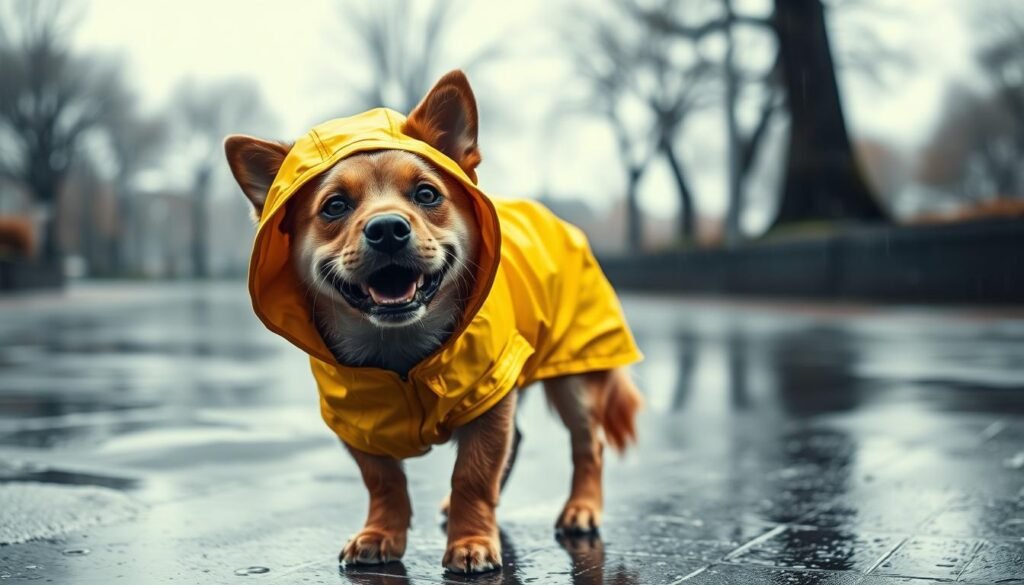
Rain on your dog’s face is uncomfortable. They try to shake it off, but this just splashes water everywhere. It also tires them out.
The hood keeps rain off your dog’s face and eyes. They can enjoy their walk without fighting the weather. Good hood designs never block vision or hearing—they just keep water away from sensitive spots.
Fuller Coverage Means Dryer Dogs
Rain doesn’t always fall straight down. Wind and puddles can splash it up. Regular coats leave the neck, upper chest, and head open to these elements.
The best waterproof coats for dogs cover more areas than regular coats. Dogs in hooded raincoats stay drier than those in standard coats, even in the same conditions.
Here’s what hooded designs protect that regular coats don’t:
- Neck and collar area: Prevents water from running down onto the chest and belly
- Upper back of head: Stops rain from soaking the most absorbent fur
- Face and muzzle: Keeps water from dripping into eyes and nose
- Ears: Blocks moisture that leads to infections
This full coverage means your dog is not just partially protected. They are fully shielded from the weather, staying dry from head to tail.
Comfort for Nervous or Anxious Pups
Some dogs get really anxious in rainy or stormy weather. The sound of rain, reduced visibility, and new sensations can make walks stressful.
I’ve seen that a hood can offer emotional comfort to anxious dogs. It creates a sense of security, similar to how anxiety wraps and thunder shirts work. It’s not too tight, but it does offer a comforting boundary.
Dogs who are scared of rain often relax when wearing hooded raincoats. The hood mutes the sound of raindrops and limits visual distractions.
For dogs stressed by thunder, wind, or new outdoor settings, this extra comfort makes walks possible. I’ve helped several anxious dogs who wouldn’t walk in rain until we tried a good dog raincoat with hood.
The difference is not just physical—it’s mental. When your dog feels secure and comfortable, they’re more likely to keep up with their exercise routine, no matter the weather. This is good for their physical and mental health.
Essential Features to Look for in a Waterproof Dog Raincoat
Choosing the right waterproof dog gear is key. It’s not just about the price. The quality of the raincoat can make a big difference. Knowing what to look for helps you pick the best one.
Quality is more important than looks or brand names. Let’s explore the features that really matter for wet weather walks.
Waterproof and Windproof Fabric That Actually Works
The fabric is the first line of defense against rain. Waterproof ratings are measured in millimeters. A 5,000mm rating is good for light rain.
For heavy rain, look for ratings of 10,000mm to 20,000mm. These fabrics can handle more rain without leaking.
Windproofing is just as important. Wind can push rain deeper into your dog’s fur. A coat that blocks both wind and water is much better.
Don’t overlook taped seams. Stitching can create holes for water to get in. Good coats seal these seams with waterproof tape.
Reflective Strips for Visibility and Safety
On rainy days, visibility is a big issue. Reflective strips on your dog’s coat help them be seen from far away.
The best coats have reflective strips on all sides. This ensures your dog is visible from any angle.
This feature is a lifesaver in busy cities. It gives you peace of mind on gloomy days.
Adjustable Chest Straps for a Secure, Custom Fit
A raincoat that moves around is useless. Adjustable straps at the chest, neck, and waist help fit your dog perfectly.
These straps keep the coat in place and prevent rain from getting in. They also prevent chafing and restriction.
Adjustability is key for comfort. Your dog should move freely without the coat rubbing or restricting them.
Strategic Leash Hole Placement
If your dog wears a harness, the raincoat needs a good leash hole. This lets the coat fit over the harness without losing control.
The hole should be in the right spot and reinforced. Poor placement can cause the coat to bunch and be uncomfortable.
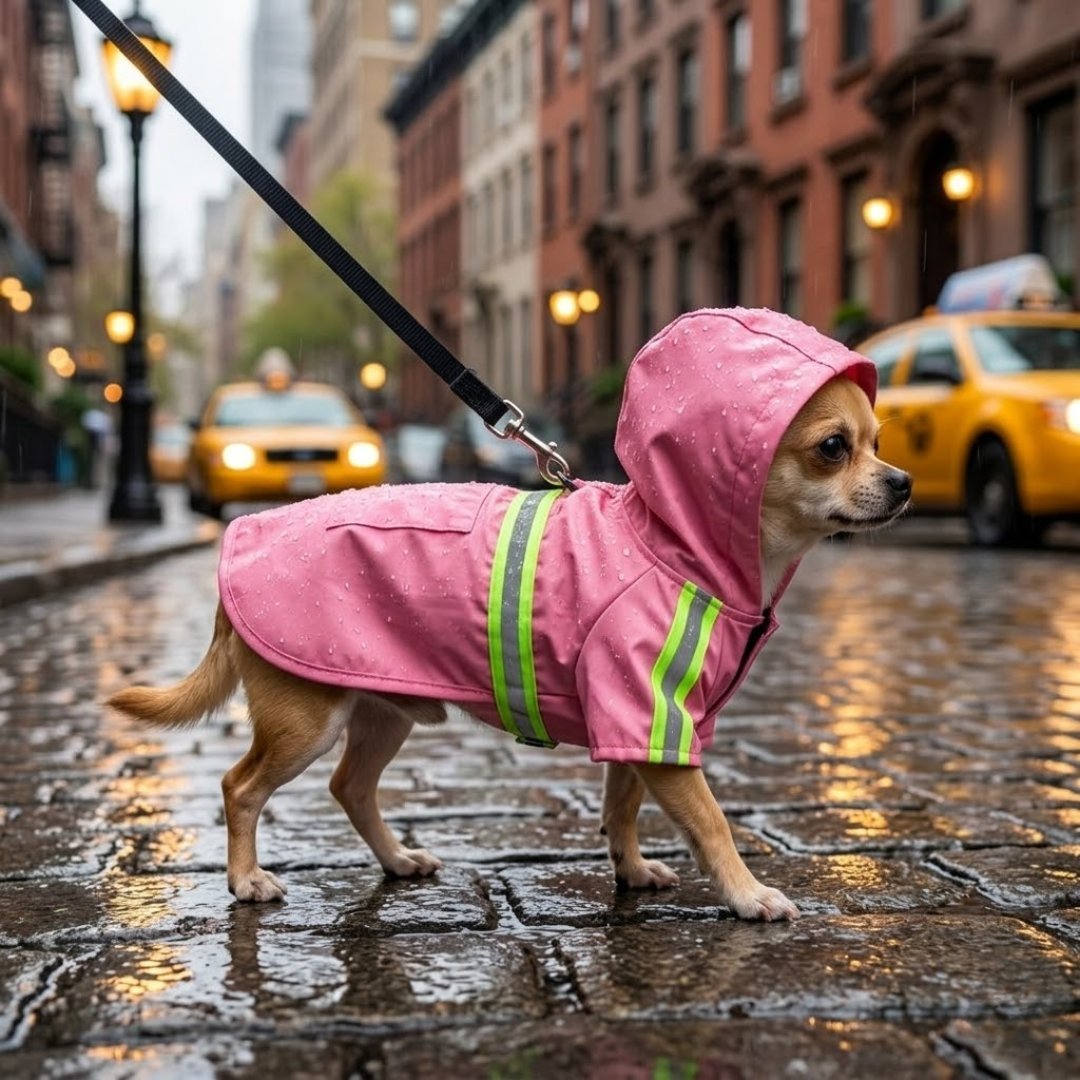
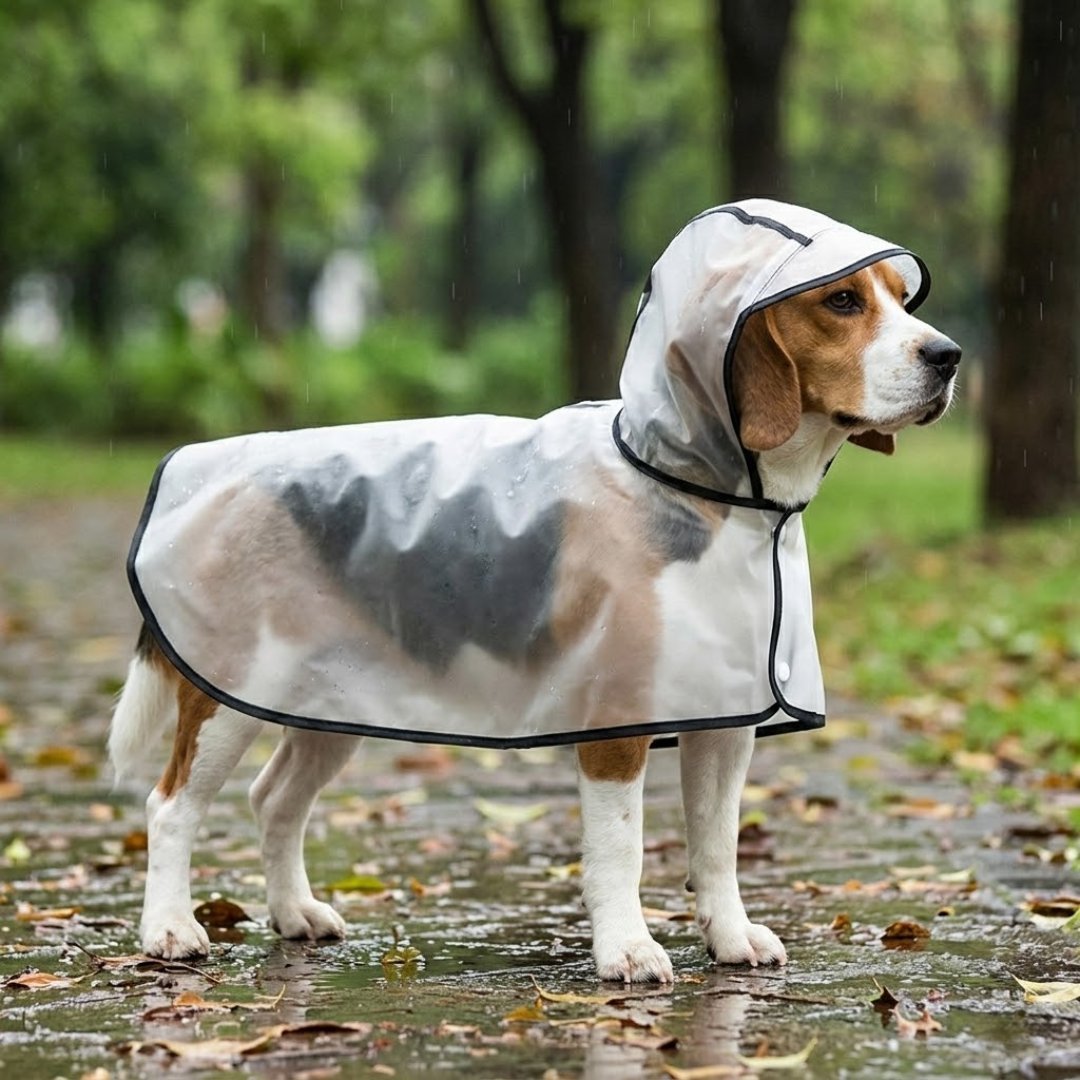
A well-designed raincoat works with your dog’s harness. The Dog Raincoat with Hood – Waterproof & Windproof is a great example.
When choosing a raincoat, look for high waterproof ratings, windproof fabric, reflective details, adjustable straps, and a good leash hole. These features ensure your dog stays dry and comfortable in any weather.
How to Get the Perfect Fit: Sizing Tips by Breed
Finding the right fit for your dog’s outdoor gear is key. I’ve seen dogs uncomfortable in raincoats that are too tight or too loose. The best waterproof coats work best when they fit just right.
A good raincoat should let your dog move freely. It shouldn’t be too tight or too loose. You need to measure carefully and know your dog’s body type.
Taking Accurate Measurements at Home
Measuring your dog yourself is better than guessing by weight. Dogs of the same weight can look very different. For example, a stocky Bulldog and a lean Whippet might both weigh 40 pounds but need different coat sizes.
Here’s how to measure accurately:
- Back length: Measure from the base of the neck to the base of the tail, not including the tail itself
- Chest girth: Wrap the measuring tape around the widest part of the ribcage, usually right behind the front legs
- Neck circumference: Measure around the base of the neck where the collar naturally rests
Use a soft fabric measuring tape for better flexibility. Have your dog stand naturally, not sit or lie down. Measuring twice helps ensure accuracy.
Add a finger’s width to each measurement for comfort. Your dog should be able to breathe and move without the coat pulling. Compare your measurements to the manufacturer’s chart, not just small, medium, or large.
Small Breed Sizing Guidelines
Small breeds like Chihuahuas and Pomeranians have back lengths between 8 and 14 inches. They need special care when choosing a raincoat.
Small dogs often struggle with coats that drag or shift. Look for styles with secure leg straps and full coverage to keep them warm.
Small breed coats often run larger. If your measurements are between sizes, size down for a snug fit. This prevents the coat from catching on things.
Medium Breed Sizing Guidelines
Medium-sized dogs, like Beagles and Cocker Spaniels, have back lengths between 16 and 22 inches. They come in many body types, making sizing tricky.
Build varies a lot in medium breeds. Some are stocky, others lean. That’s why adjustable features are key for this size range.
Look for coats with adjustable chest and belly straps. These let you customize the fit for different body shapes. Make sure the chest strap adjusts enough for various builds.
Shoulder mobility is also important. Medium breeds are active, and a restrictive coat will make walks hard.
Large Breed Sizing Guidelines
Large breeds, like Labradors and German Shepherds, need coats designed for their size and activity. They typically have back lengths of 24 to 30 inches or more.
The biggest mistake with large dog coats is restricting shoulder movement. Big dogs need room to move. Look for raglan sleeves or gusseted designs for full range of motion.
Large breeds also need strong stitching and durable materials. The stress points around the chest and leg openings take more wear and tear. Cheap construction won’t last.
Pay attention to the neck opening. It should be wide enough to go over your dog’s head but close securely to keep rain out. Adjustable neck closures work best for this balance.
When to Reach for Your Dog’s Raincoat
Raincoats are more than just for rainy days. They keep your dog dry and comfortable in various weather. It’s smart to use them in many situations, not just storms.
There are many times when your dog needs rain protection. By thinking about moisture in different ways, you’ll use the raincoat more. This makes cleaning up after walks much easier.
Not Just for Heavy Downpours
Morning dew can be a big problem for dogs. It gets their fur and legs wet quickly. I always have my dog’s raincoat ready for these mornings.
Even light mist and drizzle can make your dog wet. These conditions add up over a walk. Before you know it, your dog will be soaked.
Foggy mornings are also wet for dogs. Fog makes fur layers wet. So, a raincoat is key for these days.
Here are more situations where your dog might get wet:
- Walks near sprinklers or watered areas
- Paths through wet grass after watering
- Walks in melting snow
- Beach walks in misty weather
- Any walk that needs a towel-dry afterward
I always have a waterproof raincoat ready, even when it’s not raining. Weather can change fast. Being prepared saves you from dealing with a wet dog.
Temperature and Wind Factor
Wind and moisture are dangers many overlook. Windproof raincoats keep your dog warm by blocking wind chill. This is key for keeping them warm in cold weather.
When it’s below 45°F (7°C) and windy or wet, your dog needs a waterproof and windproof coat. This is true for most dogs, but short-coated breeds need it even more.
Wet fur loses its insulating power, and wind takes away body heat fast. This combo can cause hypothermia quickly. So, good raincoats are vital in cooler seasons.
Spring and fall are unpredictable, with temperature changes. A reliable raincoat keeps your dog safe from rain and wind, no matter the temperature. These seasons are when you need the raincoat the most.
| Weather Condition | Temperature Range | Raincoat Recommended | Primary Protection Benefit |
|---|---|---|---|
| Heavy Rain | Any temperature | Essential for all dogs | Complete moisture barrier and comfort |
| Light Mist/Drizzle | Below 60°F (15°C) | Highly recommended | Prevents gradual saturation over time |
| Morning Dew | Below 55°F (13°C) | Recommended for belly coverage | Keeps underside dry during grass walks |
| Wind + Moisture | Below 45°F (7°C) | Critical safety gear | Prevents dangerous heat loss and hypothermia |
| Melting Snow | 32-40°F (0-4°C) | Essential protection | Waterproofing against wet snow conditions |
Knowing when to use a raincoat changes your walks. Instead of drying your dog off, you can keep them dry. This makes walks better for both you and your dog, keeping them safe in bad weather.
Temperature needs vary by breed and coat type. But, if you need a jacket, your dog probably does too. Trust your gut about when they need extra protection.
Quick Care Tips: Cleaning and Drying Your Dog’s Raincoat
Keeping your dog’s raincoat in top shape is easy with the right techniques. Proper care keeps the waterproof coating intact. This ensures your investment lasts for years, protecting your pup from the elements.
Proper Cleaning Methods That Preserve Waterproofing
The waterproof coating on your dog’s raincoat is delicate. Harsh detergents and fabric softeners can damage it, reducing water resistance and breathability. Always check the care label before washing your dog’s gear.
For machine-washable coats, follow these steps. Close all buckles and straps to prevent snagging. Use a gentle, technical fabric detergent designed for waterproof gear.
Regular laundry detergent can clog the waterproof membrane. Use cold or lukewarm water on the gentle cycle setting.
Never use fabric softener on waterproof dog jackets. It blocks the breathable pores, ruining the coat. This mistake is common and damaging.
For hand washing, use lukewarm water and mild soap. Gently scrub soiled areas, focusing on the belly and chest. Rinse well to remove soap residue.
After many washes, some raincoats need a waterproofing spray. Apply every 10-15 washes or when water no longer beads up. This restores the DWR coating, making raindrops roll off.
Drying and Storage Best Practices
Air drying is best for waterproof gear. Hang the coat in a well-ventilated area, away from heat sources. High heat damages waterproof coatings and can cause delamination of taped seams.
Some raincoats can be machine dried on low heat. But this is rare. Always air dry unless the care label says low heat tumble drying is okay.
Before storing, ensure the coat is dry. Even slight dampness can lead to mildew. Let it air out for 24 hours after the last rainy walk.
Store the coat in a cool, dry place with good air circulation. Avoid compressing or folding it tightly. This can damage insulation layers and create permanent creases.
Don’t store raincoats in plastic bags or airtight containers. The fabric needs to breathe to prevent moisture buildup and maintain its properties.
Extending the Life of Your Investment
Regularly inspect your dog’s raincoat for damage. Check it after every few walks for tears, separated seams, or worn areas. Catching small problems early means a simple repair, not a full replacement.
Address minor damage immediately. Seam sealant fixes small separations, while gear repair tape fixes small tears. These quick fixes can extend the coat’s life significantly.
If you walk in muddy conditions often, use two coats. This allows one to dry while you use the other. This prevents the constant wet-dry cycle that wears down waterproof coatings faster.
Keep a photo of the size tag and product information on your phone. This makes reordering easy when needed. Also, note the purchase date to track how long each coat lasts with proper care.
Here’s a quick reference table for maintenance scheduling:
| Maintenance Task | Frequency | Key Benefit |
|---|---|---|
| Spot cleaning mud/dirt | After each muddy walk | Prevents stains from setting |
| Full washing | Every 5-7 uses | Maintains fabric cleanliness |
| DWR spray treatment | Every 10-15 washes | Restores water repellency |
| Seam inspection | Monthly during active use | Catches damage early |
With these simple maintenance practices, your waterproof dog jacket will last for many seasons. The time spent on proper care is worth it for gear that performs when your pup needs it most.
Shop This Post: My Recommended Waterproof Raincoat
Conclusion
Rainy weather doesn’t have to ruin walks or upset dogs. The right rain gear makes wet days fun for my dog. It turns them into adventures he looks forward to.
Quality rain gear does more than keep fur dry. It keeps dogs warm, prevents skin infections, and saves us from long cleanups. My home stays cleaner, my dog stays healthier, and we enjoy our time together more.
Every dog needs a waterproof raincoat for good reasons. Wet dogs get cold quickly, moisture causes skin infections, and discomfort ruins walks. A good raincoat keeps them warm, dry, and comfortable.
Investing in quality rain gear has saved me money and stress. It’s avoided vet visits, cut down on grooming costs, and given me peace of mind. My dog stays comfortable no matter the weather.
Your dog should enjoy outdoor time every day. With the right rain gear, you can keep them healthy and happy. A good raincoat is more than a pet accessory—it’s a must-have for dog owners.
FAQ
Do all dogs really need a waterproof raincoat, or just certain breeds?
Not every dog needs a raincoat all the time. But most dogs benefit from waterproof protection. Dogs with short coats, like Greyhounds, get cold and wet quickly.
Small breeds, senior dogs, puppies, and dogs with health issues are at higher risk. Even dogs with thick coats can get skin problems from wet fur. If your dog shivers in the rain or comes home wet, a raincoat is a good idea.
How do I know what size raincoat my dog needs?
Start by measuring your dog’s back length, chest girth, and neck. Use a soft tape measure and compare to the manufacturer’s sizing chart. If your measurements are between sizes, size up and adjust the straps.
A good raincoat covers from neck to tail, allows movement, and stays in place. It should fit well without gaps.
Can my dog wear a raincoat over their regular harness?
Yes, a good raincoat should work with your dog’s harness. Look for a coat with a leash hole that fits your dog’s harness. This keeps your dog safe and dry.
Make sure the leash hole is reinforced to prevent tears. This is important for dogs who pull or are training with specific harnesses.
Will a raincoat keep my dog completely dry, or will they just get wet underneath?
A good raincoat keeps most of your dog dry. But, it depends on the coat’s quality and fit. Look for taped seams and a hood for extra protection.
Areas like legs and paws might get wet. But a good coat keeps the core body dry. This prevents health issues and makes cleanup easier.
How do I clean my dog’s raincoat without ruining the waterproofing?
Always check the care label first. Use gentle, technical fabric detergent for waterproof gear. Avoid regular laundry detergent and fabric softener.
Close all buckles before washing. Wash in cold or lukewarm water on a gentle cycle. Air dry the coat in a well-ventilated area. After several washes, use waterproofing spray to restore the coat’s protection.
What’s the difference between waterproof and water-resistant dog coats?
Waterproof means the fabric won’t let water through, even in heavy rain. Water-resistant coats let water in eventually. Choose waterproof for serious rain protection.
Waterproof coats are worth the investment. You don’t want your dog soaked underneath.
Why does my dog need a hooded raincoat instead of a regular one?
Hooded raincoats protect your dog’s head and ears better. Water in ears can cause infections. They also keep the neck and upper chest dry.
Some dogs find the hood calming. It shouldn’t block vision or hearing. A hooded coat keeps your dog dry and comfortable.
At what temperature should I start using a raincoat on my dog?
Start using a raincoat when it’s below 45°F (7°C) and wet. Wet fur loses insulation, and dogs lose heat fast. Consider your dog’s breed, age, and health.
Small breeds, puppies, and senior dogs need protection sooner. Use a raincoat in warmer weather if it’s raining or windy.
Can wearing a raincoat cause overheating in my dog?
Quality raincoats are designed to be breathable. They let out moisture vapor but keep rain out. Overheating is rare if the coat is breathable.
Be cautious in warm weather or intense exercise. Monitor your dog for signs of overheating. A breathable coat keeps your dog comfortable in the rain.
How do I get my dog used to wearing a raincoat if they’ve never worn one before?
Introduce the raincoat gradually. Let your dog sniff and see it while giving treats. Then, drape it over their back without fastening.
Gradually increase the time they wear it. Keep the first experiences positive. Reward calm behavior. Most dogs adapt quickly once they realize it’s for walks.
What are the warning signs that my dog is getting too cold on a rainy walk?
Watch for shivering, lethargy, and reluctance to walk. Also, look for shallow breathing, dilated pupils, and muscle stiffness. Small breeds and puppies are more vulnerable.
If you notice these signs, go home and warm your dog up. Prevention with a good raincoat is better than treating hypothermia.
Will a raincoat prevent hot spots and skin infections in my dog?
Yes, a good raincoat keeps your dog dry and reduces skin problems. Hot spots and infections thrive in damp fur. Choose a breathable coat to prevent these issues.
Check under the coat after walks to prevent moisture buildup. This is important for dogs with dense fur or skin folds.
Are there situations where I shouldn’t use a dog raincoat?
Avoid raincoats in warm weather or for swimming. They can cause overheating or restrict movement. Check with your vet before using a coat on dogs with skin issues.
Some dogs may resist wearing a coat. Be patient and make it a positive experience. Not all dogs need raincoats, but they’re useful for many.
How long do waterproof dog raincoats typically last?
The lifespan depends on quality and use. A well-made coat can last 2-5 years. Look for signs of wear like torn seams or broken buckles.
Proper care extends the life of your raincoat. Follow cleaning instructions and store it properly. A good coat is a long-term investment.
Can I use a human raincoat or improvised cover instead of buying a dog-specific one?
While saving money is tempting, dog-specific raincoats are better. They fit canine anatomy and movement. Human gear or makeshift covers can restrict movement and cause chafing.
Choose a coat designed for dogs. It will keep your dog dry and comfortable. The Dog Raincoat with Hood – Waterproof & Windproof is a good option.