

Have you ever stood in the pet store aisle, reading label after label, wondering if there’s a better way to nourish your furry best friend?
I remember that exact moment. My hands held two different kibble bags, and I felt completely lost. The ingredient lists seemed endless, filled with words I couldn’t pronounce. That’s when I started exploring species-appropriate nutrition and discovered a whole new world of feeding.
Switching to fresh, whole ingredients changed everything for my pup. I watched his coat become shinier, his energy levels soar, and his digestion improve dramatically. Brands like Raw Pack offer complete meals with Canadian meat, organs, bone, fruits, and vegetables. Back2Raw promotes variety through rotational feeding with their organic HealthyLife™ Blend.
But here’s the truth: I was nervous at first. I had so many questions about safety, balance, and raw feeding guidelines. That’s exactly why I’m sharing this journey with you.
I’ll walk you through everything I learned, from the science behind this approach to practical meal planning. Resources like PetzVibes and handy nutrition calculator apps made my transition so much smoother. You don’t have to feel overwhelmed—I’ve got your back.
Key Takeaways
- Fresh, whole-ingredient meals can dramatically improve your dog’s coat quality, digestion, and energy levels
- Complete balanced nutrition includes meat, organs, bone, and plant-based ingredients working together
- Rotational feeding with variety helps ensure your pet receives diverse nutritional benefits
- Safety protocols and proper handling are essential foundations for successful meal preparation
- Nutrition calculator apps and trusted resources simplify the transition process for new feeders
- This approach represents species-appropriate eating backed by both ancestral practices and modern science
1. Why I Decided to Explore the Raw Food Diet for Dogs
I decided to try raw feeding for canines out of love and desperation. My dog was struggling with health issues that no one could fix. The barf diet for dogs seemed like a solution that made sense.
This wasn’t a quick choice. It was months of research and talking to holistic vets. I wanted to give my dog the best life possible.
The Health Struggles That Started This Journey
My dog Max had chronic skin issues. He scratched a lot, leaving red patches and hot spots. His fur was dull and rough.
He also had digestive problems. His stools were always off, sometimes loose, sometimes hard. Cleaning up after him was a constant worry.
We went to the vet many times. They did allergy tests and gave him special diets that didn’t work. I tried every premium kibble, hoping for a change.
Max was only four but acted like an old dog. He had no energy for playing or walks. It broke my heart to see him so tired.
- Persistent itchy skin with hot spots and redness
- Dull, brittle coat despite premium grooming products
- Inconsistent digestion and frequent stomach upset
- Low energy that didn’t match his young age
- Prescription diets that failed to deliver results
The vet bills were high, and I was worried all the time. I felt helpless watching Max suffer. I knew there had to be a better way.
When I Realized Kibble Wasn’t Enough
It all changed on a Tuesday evening. I read the ingredient label on Max’s food. The first five ingredients were shocking.
I realized I was feeding him mostly processed grains and mystery meat. It was like feeding him cereal made from factory sweepings. Why was I accepting this for my dog?
That week, I talked to a holistic vet. She explained how processed food affects dogs’ health. She introduced me to raw feeding for canines and the barf diet for dogs.
It made sense. Wolves don’t eat kibble. They eat raw meat, bones, and organs. Their bodies are designed for it.
I started researching a lot. Websites like https://petzvibes.com helped me understand the species-appropriate raw diet. I joined the Raw Feeding Community app to talk to other raw feeders.
The more I learned, the more I was frustrated with the pet food industry. Companies like Raw Pack use fresh Canadian meat for balanced meals. I realized I had been trusting the wrong brands.
What I Hoped Raw Feeding Would Change
I had specific goals for switching to a species-appropriate raw diet. I wanted to see improvements in Max’s health.
I hoped to fix his skin issues. I wanted to see his coat get better. Research said better gut health means better skin.
I also wanted his digestion to improve. Organizations like Back2Raw said raw food leads to healthy gut bacteria. I wanted Max to have healthy stools.
Mostly, I wanted him to have more energy. I hoped nutrient-rich meals would give him the energy he needed.
- Completely resolve chronic skin irritation and hot spots
- Transform his dull coat into shiny, healthy fur
- Establish consistent, healthy digestion and stools
- Restore age-appropriate energy and playfulness
- Support long-term health and longevity
Most importantly, I wanted Max to live a longer, healthier life. Every decision about his food was important for his health. I used Dog Food Advisor to compare options.
Preparing raw meals seemed hard at first. But watching Max suffer was harder. If raw feeding for canines could help, I had to try.
2. Understanding the Basics of Raw Feeding for Canines
When I decided to try raw feeding, I quickly realized I needed to learn the science behind it. I couldn’t just start throwing raw chicken at my dog and call it a day. The more I researched, the more I discovered that raw feeding is a carefully balanced nutritional approach, not just a trendy fad.
The journey to understanding raw dog food benefits started with getting the fundamentals right. I spent hours reading articles on PetzVibes and watching videos from canine nutritionists. What I learned completely changed how I viewed my dog’s dietary needs.
What BARF Really Means for Your Dog
The term “BARF” confused me at first. It sounds pretty unappetizing, right? But BARF actually stands for Biologically Appropriate Raw Food (some people say Bones and Raw Food, depending on who you ask).
The concept is simple yet powerful. Dogs evolved eating raw prey animals, and their digestive systems are designed for this type of diet. Their short digestive tracts and highly acidic stomachs can handle raw meat and bones that would make us humans sick.
I initially thought the BARF diet meant my dog would only eat meat. That was my first big misconception. Dr. Ian Billinghurst, the Australian veterinarian who popularized this approach, emphasized that dogs need more than just muscle meat.
“The BARF diet is designed to mimic what dogs would eat in the wild, providing a balance of proteins, fats, vitamins, and minerals from whole food sources.”
When I discovered raw meat diet dogs actually consume a varied diet including vegetables and fruits, everything clicked. This wasn’t about making my dog into a carnivore. It was about feeding him like the opportunistic omnivore he naturally is.
Essential Components of a Balanced Raw Diet
Once I understood the philosophy, I needed to learn the actual formula. What exactly goes into a species-appropriate raw diet? Breaking it down made it far less intimidating.
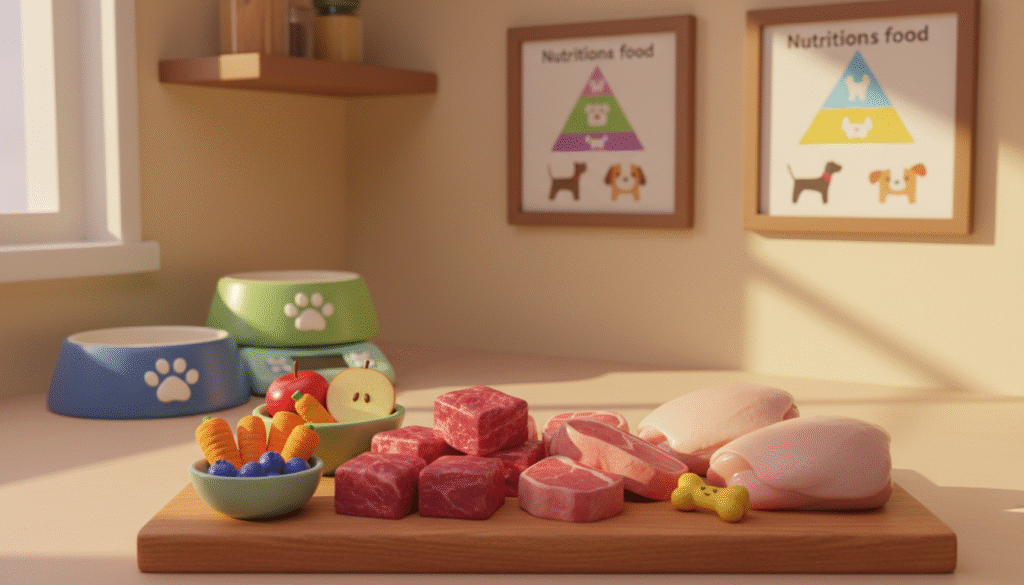
- Muscle meat (50-70%): This forms the protein foundation. I used chicken, beef, turkey, and lamb in rotation.
- Raw meaty bones (10-20%): These provide calcium and keep teeth clean. Chicken necks and wings became my go-to options.
- Organ meats (5-10%): Liver, kidney, and heart pack incredible nutritional density. I learned that liver is like a multivitamin.
- Vegetables and fruits (10-20%): These add fiber, antioxidants, and phytonutrients. I puree them to help my dog digest them.
- Supplements as needed: Fish oil for omega-3s and vitamin E became regular additions to my dog’s meals.
Commercial raw food brands like Raw Pack follow these ratios precisely. Their recipes include 50-60% fresh meat, 15-20% bone, 5-10% organ meat, and 20% fruits and vegetables. This formulation meets AAFCO standards, which gave me confidence as a beginner.
Back2Raw offers two approaches that I found helpful. Their Complete Meals feature 70% lean muscle meat, 10% organ meat, 10% bone, and 10% organic HealthyLife™ Blend (kale, spinach, broccoli, blueberries, cranberries, and Atlantic kelp). For experienced feeders, their Basic Formulas contain 80% lean muscle meat, 10% organ meat, and 10% bone, letting you add your own vegetables.
I used a meal-tracking app called “Raw Feeding Community” to calculate portions based on my dog’s weight. This tool helped me maintain the right balance without overthinking every meal.
The Visible Differences in Raw-Fed Dogs
The contrast between raw meat diet dogs and kibble-fed pups became obvious once I knew what to look for. I started noticing these differences at the dog park before I even switched my own dog over.
Raw-fed dogs typically have shinier, healthier coats. Their skin issues seem less common, and they rarely have that “dog smell” kibble-fed pups often carry. I couldn’t believe how many owners mentioned this exact same change.
Digestion works differently too. Raw-fed dogs produce much smaller, firmer stools that break down quickly in the yard. This happens because their bodies actually use more of the nutrients instead of passing them through. When I saw the raw dog food benefits in my friend’s dog first, I was amazed at the difference.
Energy levels also shift noticeably. Many raw-fed dogs maintain consistent energy throughout the day, unlike the spikes and crashes from carb-heavy kibble. Their bodies run on fat and protein instead of grain-based carbohydrates.
Dental health improves dramatically. The mechanical action of chewing raw meaty bones naturally cleans teeth, and the lack of starchy carbohydrates means less plaque buildup. My vet later confirmed this was one of the biggest advantages she’d observed.
Understanding these basics gave me the confidence to take the next step. I wasn’t just switching food brands—I was fundamentally changing how I approached my dog’s nutrition. And that knowledge made all the difference in doing it safely and effectively.
3. The Raw Dog Food Benefits I Witnessed Firsthand
I was skeptical at first, but then I saw the changes. Everyone talks about raw dog food benefits online, but I needed to see it myself. Over two months, my dog’s transformation changed my view on dog food.
I kept a journal to track the changes. Looking back, I’m amazed at how fast things improved once my dog started eating raw meat.
Shinier Coat and Radiant Skin Within Weeks
The first change I noticed was my dog’s coat. Within two weeks, he was scratching less. By week three, his fur felt softer.
By week six, a stranger at the dog park noticed his coat. They asked what I was feeding him because it looked so lustrous and healthy-looking.
Raw meat and fish have omega fatty acids that kibble can’t match. Organ meats give vitamins that help skin health.
Without grains and fillers, his body could heal. Raw Pack’s research shows a shinier coat is a common benefit of raw feeding.
Improved Digestion and Way Smaller Poops
The poop situation got much better. I went from dealing with big, smelly stools to small, odorless ones. My lawn even looked better because these poops disappeared quickly.
Raw food is more digestible, leaving less waste. Back2Raw’s data shows improved digestion and smaller stools are top benefits.
I used a notes app to track these changes. For beginners, apps like Pet Health Tracker or PetzVibes can help document progress.
The digestive improvements showed up in other ways too:
- No more bloating after meals
- Reduced gas that used to clear the room
- More regular bathroom schedule
- Better nutrient absorption visible through energy levels
Cleaner Teeth and Noticeably Fresher Breath
The dental benefits were unexpected but welcome. Raw meaty bones cleaned his teeth as he chewed. His diet lacked carbs and sugars, reducing mouth bacteria.
Within four weeks, his teeth looked cleaner. By week eight, his breath was so fresh I could kiss him without hesitation.
Back2Raw lists better oral hygiene as a benefit. My experience matched theirs perfectly. Bones and less sugar made his teeth and breath healthier.
Energy Levels That Matched His Puppy Days
The renewed vitality was heartwarming. My dog became more playful and energetic. He’d bounce around and keep up on hikes.
He’d bring me toys and keep up on hikes without lagging. Raw Pack’s data on energy levels described what I saw every day.
His diet provided sustained energy without blood sugar spikes. He was getting the fuel he evolved to run on.
The transformation included these energy improvements:
- Enthuasiasm for morning walks instead of reluctance
- Playing fetch for 20+ minutes without tiring
- Mental alertness during training sessions
- Better sleep quality leading to more daytime vigor
Tracking these benefits helped me understand what worked. I encourage beginners to track their observations. The improvements made every effort worthwhile.
4. Non-Negotiable Safety Essentials for Raw Feeding
Many pet parents worry about the safety of raw meat for their dogs. I was scared too before starting my dog on a raw diet. But, with the right guidelines, it’s safe for both you and your dog.
To keep things safe, I freeze all raw dog food until I’m ready to serve it. I thaw it in the fridge, not on the counter. After handling raw meat, I make sure to wash my hands, surfaces, and tools well.
I store everything in leak-proof containers and throw away any leftovers quickly. Raw meals stay good in my fridge for up to four days.
How much food your dog needs is also important. My active dog eats about 3% of his body weight each day. Dogs at a healthy weight do well with 2-3%, while overweight dogs need about 1.5%. I adjust this based on his energy and body condition.
When picking raw bones for dogs, I choose meaty ones that fit right. I trust brands like Raw Pack because they make their meals in human-grade facilities with HACCP food safety certification.
For more tips on pet nutrition and safety, I check petzvibes.com often. Starting a raw diet was tough at first, but these safety steps became easy for me.
FAQ
Is a raw food diet for dogs really safe, or am I risking bacterial contamination?
I worried about this a lot when I first started. But, with the right handling, raw feeding is safe. Dogs have strong stomachs that can handle bacteria that would harm us. I follow strict hygiene rules, like using dedicated cutting boards and freezing meat for three days.
I also buy from trusted suppliers. After years of raw feeding, I’ve never had a problem with bacteria. It’s all about treating raw dog food with the same care as raw meat for humans.
Can I start raw feeding for canines immediately, or does my dog need a transition period?
I learned that a slow transition is best for most dogs. I started with a 24-hour fast for adult dogs, then introduced one protein source like chicken for 3-4 days. Once he adjusted, I added more variety.
Some dogs can switch cold-turkey, but I found the slow approach prevents upset stomachs. Apps like Pet Health Tracker helped me track his adjustment and find the best proteins for him.
What exactly is the BARF diet for dogs, and how is it different from just feeding raw meat?
At first, I thought BARF meant just giving raw meat to my dog. But BARF stands for Biologically Appropriate Raw Food. It includes 70% muscle meat, 10% edible bone, 10% organ meat, 5% vegetables/fruits, and 5% supplements if needed.
It’s not just raw meat; it’s a balanced diet that mimics what dogs ate in the wild. The BARF principles ensure complete nutrition, which is why I saw such health improvements.
What are the most noticeable raw dog food benefits I can expect to see?
The changes were amazing! My dog’s scratching decreased, and his coat became softer and shinier. His digestive health improved, with smaller, firmer poops that didn’t smell.
His teeth whitened from chewing raw bones, and his breath improved. But the biggest change was his energy level. He acted like a puppy again, full of vitality all day.
How do I make homemade raw dog food that’s nutritionally complete?
Making homemade raw dog food was intimidating at first. But I developed a system. I follow the 80/10/10 guideline and rotate protein sources weekly.
I use a digital scale for accurate portions and freeze meals in individual containers. Resources like https://petzvibes.com helped me formulate meals. I also consulted a vet nutritionist to ensure I wasn’t missing nutrients.
Are raw bones for dogs actually safe, or will they splinter and cause injuries?
I was worried about raw bones at first! But raw bones are safe because they’re soft and pliable. Cooked bones are brittle and dangerous.
I feed my dog raw meaty bones like chicken backs and beef ribs. These bones provide calcium, clean teeth, and mental stimulation. I always supervise bone-chewing and choose the right size bones.
What are the essential raw feeding guidelines I must follow for safety?
Safety is top priority in my kitchen! I use dedicated cutting boards and utensils, wash hands thoroughly, and disinfect surfaces with pet-safe cleaners.
I store raw food at the right temperature, thaw it in the fridge, and feed it within 15-20 minutes. I also keep raw food separate from human food. These practices keep my dog and family safe.
How much does a species-appropriate raw diet actually cost compared to premium kibble?
I was surprised by the cost! For my 60-pound dog, a raw diet costs about .50-3.50 per day, similar to premium kibble. I save money by buying in bulk and watching for sales.
Homemade raw food is cheaper than pre-made brands. And, I save on vet bills by avoiding common health issues. Raw feeding actually saves me money in the long run.
Can puppies be fed a raw meat diet, or should I wait until they’re adults?
Puppies can thrive on raw meat diet at any age! They benefit from proper bone growth, stronger immune systems, and healthy gut flora. But, puppies need more calcium and phosphorus for bone development.
I use the same BARF principles but adjust portions for puppies. I feed them 2-3 times daily and never fast them. Resources like https://petzvibes.com offer puppy-specific guides. I also consult a vet nutritionist for puppies to ensure they get the right nutrients.
What tools or apps made your raw food transition dogs experience easier?
Technology was a huge help during my transition! I used Raw Feeding Community app for recipes and meal balancing. Pet Health Tracker helped me monitor symptoms and identify sensitivities.
Pawprint tracked weight changes, energy levels, and coat condition. I also used Dog Food Advisor to understand ingredient quality. A digital kitchen scale and a chest freezer were essential for portioning and storage. These tools made the transition easier and enjoyable.
How do I handle raw feeding when traveling or boarding my dog?
Traveling was a challenge at first, but I found solutions! For short trips, I pack pre-portioned frozen meals in a cooler. For longer trips, I look for hotels or Airbnbs with mini-fridges.
I also found pet stores along my route that carry raw brands like Stella & Chewy’s. For boarding, I found a facility that accepts raw meals. Planning ahead ensures my dog never misses his raw diet, even on the road.
What proteins should I rotate in a raw meat diet dogs thrive on?
Rotating proteins was key for complete nutrition! I use chicken, beef, turkey, pork, lamb, fish, duck, and sometimes rabbit or venison. I change proteins every 3-4 days, then weekly once my dog’s system stabilized.
This rotation prevents nutritional gaps, reduces allergies, and keeps meals interesting. Each protein offers unique benefits, ensuring my dog gets the best nutrition.