

Did you know that 80% of dogs show signs of dental disease by age three? When I found out, I realized my dog’s bad breath wasn’t normal. It was a warning sign I’d ignored for months.
This moment changed how I took care of my pet. It made me focus more on their wellness routine.
Pet dental health is key to their overall well-being. Studies show that using the right chewing toys can cut plaque by up to 40%. It also reduces tartar buildup by nearly 25%. These numbers mean more years with our furry friends.
I’ve tried many things and found what works. I’m eager to share tools, treats, and simple routines for busy owners. For more help, check out petzvibes.com for tips on better oral hygiene for dogs.
Key Takeaways
- Most canines develop mouth problems by age three, making early intervention critical
- Consistent chewing activities naturally reduce plaque accumulation by up to 40%
- Tartar buildup decreases by nearly 25% with proper preventive measures
- Bad breath often signals underlying health issues that need attention
- Simple daily routines can save thousands in veterinary costs over your pet’s lifetime
- Natural chewing instincts provide effective cleaning when properly channeled
Why I Became Obsessed with My Dog’s Teeth (And You Should Too)
I’ll never forget the moment my dog Max whimpered while chewing his favorite treat. He dropped the biscuit and pawed at his mouth. I felt a sinking feeling in my stomach.
I scheduled a quick checkup. The vet took one look inside Max’s mouth and her expression changed. She showed me the redness along his gum line, the yellowing buildup on his back teeth, and the slight looseness in one of his molars. My heart sank as she explained that Max had advanced periodontal disease, and we’d need to schedule dental surgery soon.
The guilt hit me like a truck. I’d been so focused on getting his nutrition right, making sure he got enough exercise, and keeping up with his vaccinations. But pet dental health? I’d barely given it a thought. I assumed that as long as his breath wasn’t terrible, everything was fine.
That assumption nearly cost Max his health. Here’s what I learned that day:
- Harmful bacteria don’t stay in the mouth – They enter the bloodstream through inflamed gums
- These bacteria travel to major organs – Your dog’s heart, liver, and kidneys are all at risk
- Dental disease progresses silently – By the time you notice symptoms, significant damage has occurred
- Prevention is far easier than treatment – And much less expensive and painful for your dog
The vet explained that canine tooth decay leads to gingivitis, which can progress to periodontitis. Tartar and plaque buildup create the perfect environment for infections and abscesses. But the scariest part? The bacteria causing these problems don’t just damage teeth and gums.
They circulate through your dog’s entire body. Every time Max’s heart pumped blood, it was potentially carrying harmful bacteria to his vital organs. I was horrifying to realize that by neglecting something as simple as tooth care, I’d inadvertently put his entire system at risk.
Max needed a professional dental cleaning under anesthesia. The procedure itself went well, but watching him recover was heartbreaking. He was groggy, uncomfortable, and couldn’t eat his regular food for days. The veterinary bill was over $800, but the emotional cost was even higher.
I made a promise to myself and to Max during those recovery days: this would never happen again. I dove deep into learning everything I could about oral hygiene for dogs. I discovered resources on petzvibes.com that explained the connection between dental care and overall wellness in ways I’d never understood before.
The more I learned, the more obsessed I became. Dental health isn’t just about fresh breath or white teeth. It’s about preventing oral pain that dogs often hide from us. It’s about avoiding serious health complications that can shorten your dog’s life or diminish their quality of life.
I used to think that dental chews alone were enough. I thought professional cleanings were optional or something only “high maintenance” pet owners bothered with. I was so wrong, and my ignorance caused Max unnecessary suffering.
Poor dental hygiene can lead to serious issues such as gum disease and oral pain. Dental health isn’t just about fresh breath; it’s directly connected to your pet’s overall well-being.
Now I’m that person who talks about pet dental health at the dog park. I’m the friend who sends articles about tooth brushing to other dog owners. Some people probably think I’ve gone overboard, but I don’t care.
If sharing my story prevents even one dog from going through what Max experienced, it’s worth it. If my obsession helps another owner avoid the guilt I felt sitting in that vet’s office, then I’ll keep talking about it.
You don’t have to make the same mistakes I did. You don’t have to learn about canine tooth decay the hard way, through a scary diagnosis and an expensive procedure. You can start taking preventive measures today, and your dog’s entire body will thank you for it.
I’m not a veterinarian or a dental expert. I’m just a dog owner who learned an important lesson and wants to share it with others who love their pets as much as I love Max. The journey from dismissive to obsessed taught me that sometimes the things we overlook are the things that matter most.
In the sections ahead, I’ll share everything I’ve learned about preventing dental disease in dogs. You’ll get the practical tools, routines, and product recommendations that have kept Max’s teeth healthy for three years now. But first, you need to understand why this matters so much, because motivation is what turns knowledge into action.
What I Wish I’d Known About Canine Periodontal Disease Earlier
When my vet first told me my dog had canine periodontal disease, I felt guilty. I had missed warning signs for months. I thought dental problems in dogs were just about bad breath.
I learned that dental disease is a common problem in dogs. It’s preventable with the right care and knowledge.
Seeing my dog’s gums for the first time made me feel guilty. Dogs hide pain well, and dental issues sneak up on you.
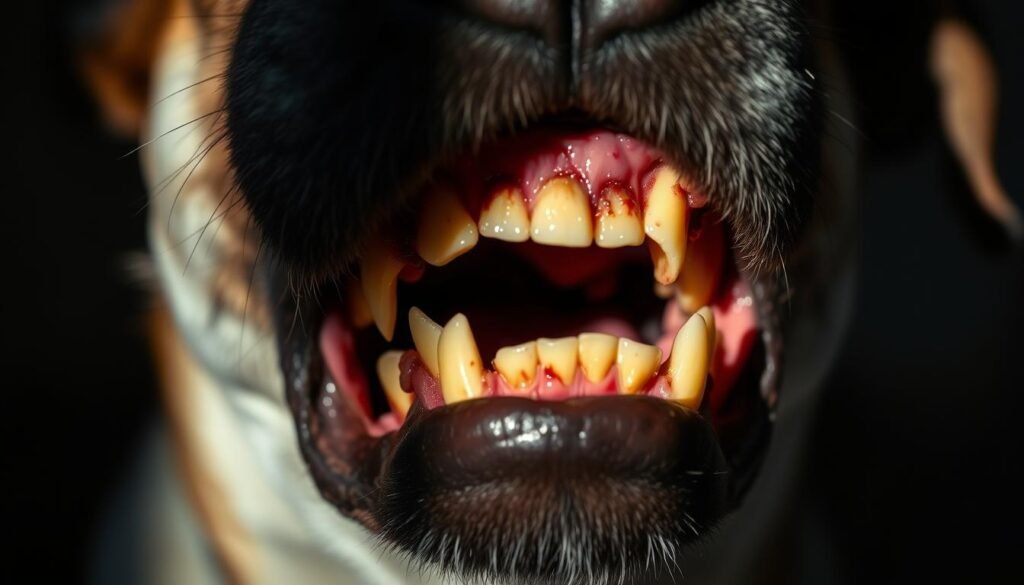
The Four Stages of Dental Disease in Dogs
Learning about dental disease stages helped me understand what was happening. My vet explained that it progresses in four stages. Catching it early is key.
Stage 1: Gingivitis is the first stage. It’s when plaque irritates the gums. I saw a thin red line on my dog’s gums that I ignored. At this stage, preventing gingivitis is easy with brushing and dental chews.
Stage 2: Early Periodontitis is when things get serious. The gums pull away from the teeth, creating pockets for bacteria. At this point, about 25% of the tooth’s support is lost. Removing dog tartar is essential here, often needing a professional cleaning.
Stage 3: Moderate Periodontitis means significant gum recession and bone loss. I saw my dog’s teeth looked longer because the gums had receded. Here, 25-50% of tooth support is lost, and teeth may become loose.
Stage 4: Advanced Periodontitis is the worst. More than 50% of tooth support is destroyed, and teeth fall out. The infection spreads deep into the jawbone. Seeing X-rays of dogs at this stage shocked me.
| Stage | Key Symptoms | Reversibility | Treatment Required |
|---|---|---|---|
| Stage 1 (Gingivitis) | Red gum line, mild plaque, slight bad breath | Fully reversible | Home brushing, dental treats |
| Stage 2 (Early Periodontitis) | Gum pockets, tartar buildup, bleeding gums | Manageable with care | Professional cleaning, daily brushing |
| Stage 3 (Moderate Periodontitis) | Visible gum recession, loose teeth, persistent bad breath | Not reversible | Deep cleaning, possible extractions |
| Stage 4 (Advanced Periodontitis) | Severe bone loss, tooth loss, facial swelling | Permanent damage | Multiple extractions, antibiotics |
How Bad Teeth Affect Your Dog’s Heart, Kidneys, and Liver
Learning about the effects of dental disease scared me into action. My vet explained that oral bacteria can travel to vital organs.
Every time your dog chews or their gums bleed, bacteria enter the bloodstream. These bacteria can cause heart infections. Dogs with severe dental disease are at high risk for heart disease.
The kidneys and liver work hard to filter out these bacteria. Over time, this can damage these organs. Dental neglect can shorten a dog’s life by 2-3 years.
When my vet shared these statistics, everything changed. I realized dental care is not just about looks or breath. It’s about protecting my dog’s health.
“Periodontal disease doesn’t just affect the mouth. The bacteria can seed infections in the heart, kidneys, and liver, leading to serious systemic illness.”
Warning Signs I Almost Missed
Looking back, I’m embarrassed about missing obvious signs. I’m sharing this so you don’t make the same mistakes.
Bad breath was my first clue, but I thought it was just “dog breath.” Healthy dogs shouldn’t have foul-smelling breath. That smell is bacteria breaking down food and gum tissue.
Here are the warning signs I wish I’d seen sooner:
- Excessive drooling: I thought my dog was just being messy, but it often means mouth pain or discomfort
- Pawing at the face: What I thought was an itch was actually my dog trying to relieve dental pain
- Dropping food while eating: I assumed my dog was being picky, but it’s a sign of chewing pain
- Reluctance to play with certain toys: I thought my dog was bored, but it was a pain response
- Visible yellow or brown buildup: I noticed the discoloration but didn’t know it was hardened tartar
- Red or bleeding gums: When I looked closely, the inflammation was clear—I just hadn’t checked
- Behavioral changes: My normally social dog became more withdrawn, which was due to chronic mouth pain
The most important lesson I learned is that dogs are masters at hiding pain. They hide pain to avoid showing weakness, even in domesticated dogs.
I now check my dog’s mouth weekly. I gently lift the lips to examine the gums and look for any swelling or discoloration. These simple checks help me catch small issues before they become big problems.
Understanding canine periodontal disease changed me. I’m now proactive about my dog’s dental care. Early intervention is key for their health and longevity.
My Complete Dog Dental Disease Prevention Toolkit
When I first started looking for dog dental products, I made a lot of mistakes. I bought things based on how they looked and what the packaging said. I also spent money on tools my dog wouldn’t use.
After talking to my vet and trying out different products, I found what really works. I looked for products my vet recommended and that had veterinary approval. Most importantly, I wanted my dog to actually use them.
These are the products I now keep in my cabinet and recommend to others.
Toothbrushes That Actually Work
Finding the right toothbrush changed my brushing dog teeth routine. I learned that not all toothbrushes are the same. Some are too big, others too flimsy, and many can’t reach where they need to.
I now have two different toothbrushes because different situations need different tools. Some days, I need a traditional brush. Other days, my dog only likes the gentle finger approach.
Virbac CET Dual-Ended Toothbrush
The Virbac CET Dual-Ended Toothbrush became my go-to once my dog got used to brushing. It has two different sized heads on opposite ends, which is great for dog tartar removal across different tooth sizes.
The larger end is perfect for my dog’s front teeth and canines. The smaller end reaches those tricky back molars where plaque loves to hide. The bristles are soft enough not to irritate gums but firm enough to actually clean effectively.
Pros:
- Dual-ended design eliminates need for multiple brushes
- Long handle provides excellent reach and control
- Angled heads access back teeth more easily
- Veterinary-grade quality that lasts months
Cons:
- Can be intimidating for dogs new to brushing
- Requires your dog to tolerate a traditional brush approach
- Slightly more expensive than basic options
Arm & Hammer Finger Brush for Beginners
The Arm & Hammer Finger Brush was my first step into brushing dog teeth. It fits over your finger like a rubber thimble, giving you great control and helping your dog get used to brushing.
This brush helped me introduce teeth cleaning without scaring my dog. My dog was already okay with me touching his mouth, so adding the textured rubber surface felt like a natural step.
I use this finger brush for quick cleanings or when my dog is being hard to brush. It’s also great for puppies learning about dental care.
Pros:
- Perfect introduction tool for resistant dogs
- Excellent tactile feedback and control
- Less threatening than traditional brushes
- Budget-friendly and easy to replace
Cons:
- Doesn’t reach back molars as effectively
- Wears out faster than traditional brushes
- May not provide thorough cleaning for larger dogs
The Only Toothpastes I Use Now
Here’s something I learned the hard way: never use human toothpaste on your dog. Human toothpaste has xylitol and fluoride, which are toxic to dogs. This mistake nearly sent me to the emergency vet, and I’ll share that full story later.
Dog-specific toothpastes are made to break down plaque and are safe to swallow. After trying many brands, I keep two specific products because they excel in different areas of pet dental health.
Petsmile Professional Pet Toothpaste
Petsmile Professional Pet Toothpaste is the only toothpaste with the VOHC Seal of Acceptance for plaque and tartar control. That seal means it’s been scientifically proven to work, which gave me confidence when I first tried it.
What impressed me most is that it doesn’t require rinsing. The Calprox formula is designed to be swallowed safely, making the brushing process much simpler. My dog tolerates the London Broil flavor better than I expected, though he’s not exactly enthusiastic about it.
I use Petsmile for our thorough evening brushing sessions when I have time to focus on technique and coverage.
Virbac CET Enzymatic Toothpaste
Virbac CET Enzymatic Toothpaste became my secondary option because of the flavor variety and my dog’s preference. They offer poultry, beef, malt, seafood, and vanilla-mint flavors. My dog goes crazy for the poultry flavor, which makes brushing significantly easier.
The enzymatic action continues working even after brushing, which provides ongoing dog tartar removal benefits. This formula is great for dogs who won’t tolerate long brushing sessions because the enzymes keep working after you’re done.
I reach for the Virbac toothpaste on rushed mornings or when my dog is being difficult about dental care.
“The best toothpaste is the one your dog will tolerate. Consistency matters more than brand loyalty when it comes to preventing dental disease.”
Water Additives: Oxyfresh vs. TropiClean Fresh Breath
Water additives aren’t replacements for brushing dog teeth, but they’ve become valuable tools in my routine. I tested both leading brands side-by-side for three months to see which delivered better results.
Oxyfresh Pet Dental Water Additive is completely tasteless and odorless, which means my dog’s water consumption stayed exactly the same. The active ingredient, Oxygene, neutralizes bacteria without harsh chemicals. I noticed fresher breath within a week, and my vet commented on less plaque buildup at our next checkup.
TropiClean Fresh Breath Water Additive has a slight mint scent that I could detect, though my dog didn’t seem to mind. It contains green tea leaf extract and zinc chloride for fighting plaque. The results were comparable to Oxyfresh, but I worried slightly about the added flavoring affecting water intake.
I ultimately stick with Oxyfresh for daily use because I never worry about my dog refusing his water. But TropiClean works wonderfully for dogs who don’t mind the subtle flavor addition.
Dental Wipes for Dogs Who Hate Brushing
Dental wipes saved me on days when brushing just wasn’t happening. These textured wipes wrap around your finger and allow you to wipe away plaque and debris manually. They’re not as effective as brushing, but they’re infinitely better than nothing.
I keep Petkin Fresh Mint Dog Teeth Wipes in my travel bag and use them after messy meals. They’re fantastic for senior dogs with sensitive mouths, puppies, or any situation where a full brushing session isn’t feasible.
The wipes work well for quick cleanings of front teeth and visible surfaces. I’ve used them at hotels, during road trips, and on evenings when my dog is too tired to brush.
| Product Category | Best For | Key Benefit | Price Range |
|---|---|---|---|
| Virbac CET Toothbrush | Regular brushing routine | Dual-ended design for all tooth sizes | $8-12 |
| Arm & Hammer Finger Brush | Beginners and resistant dogs | Non-intimidating introduction tool | $3-6 |
| Petsmile Toothpaste | Maximum plaque control | VOHC-approved formula | $14-18 |
| Virbac CET Toothpaste | Flavor variety | Enzymatic action continues after brushing | $10-15 |
| Oxyfresh Water Additive | Daily supplemental care | Completely tasteless formula | $12-18 |
This toolkit represents months of research, veterinary consultations, and real-world testing. Each product earned its place by delivering consistent results and proving its worth in my daily dental care routine. I’ve compiled detailed comparison reviews and buying guides for all these products at petzvibes.com, where you’ll find current pricing, retailer comparisons, and additional user experiences.
The right tools make all the difference between a frustrating daily battle and a manageable routine that actually protects your dog’s health. Start with the basics—a good toothbrush and toothpaste—then add supplemental products as your routine develops.
Dental Chews and Treats That Prevent Tartar Buildup
My vet showed me my dog’s molars and recommended dental chews. At the pet store, I was overwhelmed by the many products. Some claimed to improve oral hygiene, but others had no science backing them.
Then, I found the VOHC seal of acceptance. It’s a mark that shows a product really works. The Veterinary Oral Health Council tests and verifies products that reduce plaque and tartar.
I tested many dog dental chews with my dog. Some worked great, while others didn’t. This changed how I prevent gingivitis in dogs, and I’m excited to share what works.
The Gold Standard: VOHC-Approved Products I Trust
After trying many products, I stick to three VOHC-approved ones. They’ve made a big difference in my dog’s dental health. I rotate them based on my dog’s preferences and needs.
These chews have a special texture and formula. They help break down bacteria on teeth. This tackles plaque and tartar buildup.
Greenies Dental Treats
Greenies became my go-to option quickly. My dog loves the taste, which makes him chew something good. The unique shape reaches back teeth where tartar builds up.
Within two weeks, my dog’s breath was fresher. After three months, my vet saw less tartar. Greenies come in multiple sizes for any dog breed.
I give one Greenie daily after dinner. It costs about $25-30 per month for a medium-sized dog. They come in original flavor and grain-free options for dogs with sensitivities.
These chews were vet-recommended for their effectiveness. They have a different texture than Greenies, which helps clean teeth more.
Studies show they can reduce tartar buildup by up to 40%. My dog took a few days to get used to them, but now he looks forward to them.
These chews cost about $35-40 per month. Sometimes, you need a vet’s approval to buy them. The cost is worth it for their proven benefits.
Virbac CET VeggieDent Chews
I found these plant-based chews for dogs with certain sensitivities. They’re made from corn, wheat, and glycerin without animal products.
The Z-shape design helps reach different teeth angles. They contain a special enzyme formula that keeps working after chewing. This gives longer-lasting benefits than just chewing.
My dog likes these less than Greenies but are great for rotation. They cost about $30-35 monthly and come in four sizes. They also help keep breath fresh.
Nature’s Approach: Whole Food Alternatives
While VOHC-approved chews are key, I also use natural options. These aren’t a full replacement but a great supplement.
Bully sticks quickly became a favorite. They’re made from dried bull pizzle and remove plaque through chewing. The abrasive action helps scrape away plaque before it turns into tartar.
I watch my dog closely when they chew bully sticks to avoid choking hazards. I also account for their calories to prevent weight gain. A 6-inch bully stick has about 80-90 calories.
The smell of standard bully sticks can be strong. I switched to odor-free versions that keep dental benefits while reducing smell. They last 20-40 minutes, perfect for quiet time or crate training.
Yak chews (also called Himalayan chews) are a low-fat, long-lasting alternative. Made from yak and cow milk, they can last hours or days. They’re almost odorless and less messy than bully sticks.
I like that yak chews are easy to digest and have few ingredients. But, they’re very hard, so I only give them to adult dogs with healthy teeth. I watch for small pieces that could be choking hazards and remove the chew when it’s too small.
Dual-Purpose Tools: Toys That Clean Teeth
I use certain toys that entertain my dog and help his dental health. These aren’t a full replacement for dental chews but a great addition.
The KONG Dental Stick has ridges and grooves that clean teeth during play. I fill mine with frozen treats like plain yogurt or mashed banana. This encourages long chewing sessions that benefit dental health and keep my dog mentally stimulated.
The rubber is firm but gentle, avoiding damage to tooth enamel. After six months, my dog’s gums looked healthier, with less redness and inflammation.
Nylabone Dura Chew products come in various textures for different chewing strengths. I chose the moderate version for my dog. The raised bristles and textured surface help remove plaque.
These toys last months with proper care. I replace them when they get smooth or pieces start breaking off. The cost is low, around $8-15 per toy, and they encourage natural chewing that prevents tartar buildup.
Both KONG and Nylabone products increase saliva production. This helps wash away food particles and bacteria, adding to the prevention of gingivitis.
What I Stopped Buying (And Why You Should Too)
Learning which products to avoid was as important as finding good ones. I made some expensive mistakes before understanding which treats harm dental health or offer no benefits.
Tennis balls were the first to go. The abrasive fuzz wears down tooth enamel, creating grooves for bacteria. I switched to rubber balls designed for dogs, which play without harming teeth.
I stopped giving real bones and antlers after my vet warned about fracture risks. These hard materials can crack teeth, and vet bills for repairs or extractions are high.
Rawhide chews seemed like a traditional choice but have risks. They can cause digestive blockages if swallowed, and some are made with chemicals. Better options exist without these risks.
I avoid chews that are too hard to dent with my thumbnail. This simple test ensures they won’t harm tooth enamel. If I can’t make a slight impression, it’s too hard for my dog’s teeth.
| Product | VOHC Approved | Monthly Cost | Best For | Key Benefits |
|---|---|---|---|---|
| Greenies Dental Treats | Yes | $25-30 | Daily dental maintenance | High palatability, multiple sizes, proven tartar reduction |
| Purina Pro Plan DH Chews | Yes | $35-40 | Clinical-grade prevention | 40% tartar reduction, veterinary-backed research |
| Virbac CET VeggieDent | Yes | $30-35 | Plant-based option | Enzyme formula, no animal ingredients, Z-shape design |
| Bully Sticks | No | $20-25 | Natural chewing supplement | Single ingredient, extended chew time, plaque removal |
| Yak Chews | No | $15-20 | Long-lasting alternative | Low fat, highly digestible, minimal odor |
I now use VOHC-approved chews as the base and add natural options and dental toys for variety. This approach tackles oral hygiene from different angles, keeping my dog engaged and healthy.
The investment in quality products saves on vet bills and improves my dog’s health. I’ve learned that preventing gingivitis requires consistent use of proven products. By focusing on VOHC-approved options and knowing what to avoid, I’ve created an effective routine.
My Daily Routine for Brushing Dog Teeth Without the Drama
Tooth brushing doesn’t have to be a fight. It took me weeks to figure that out. At first, my dog thought I was betraying him. He squirmed and backed away, making it stressful for both of us.
But then I stopped rushing. I learned that building a positive dental care routine requires patience, not force. Now, brushing is just another part of our day. It’s not his favorite, but he tolerates it without drama.
What changed? I started working with my dog’s comfort level instead of against it. I found techniques that made brushing easier for both of us. And I focused on consistency, not perfection.
Starting Slow Made All the Difference
I didn’t start with a toothbrush in my dog’s mouth. That would have been a disaster. Instead, I spent the first week just getting him comfortable with me touching his face.
Here’s the progression that worked for me:
- Week 1: I simply touched his muzzle and lips while giving him treats. No brushing, no products—just positive associations with mouth handling.
- Week 2: I gently lifted his lips to expose his teeth for a few seconds, immediately followed by his favorite treat.
- Week 3: I let him lick dog-specific toothpaste off my finger so he’d associate the flavor with something good.
- Week 4: I used a finger brush for just 5–10 seconds on his front teeth, keeping sessions super short.
- Week 5: I introduced a regular dog toothbrush, starting with just the outer surfaces of a few teeth.
This gradual approach to pet dental health transformed everything. By the end of five weeks, my dog wasn’t running away anymore. He wasn’t thrilled, but he understood the routine and knew good things followed.
The secret was high-value treats and ending each session before he got frustrated. I used small pieces of chicken or cheese—rewards he only got during brushing time. This made oral hygiene for dogs something he could tolerate.
The Technique That Works Every Time
After months of practice, I’ve refined my brushing technique to make it quick and effective. The whole process now takes less than two minutes, which keeps my dog from getting restless.
Here’s my step-by-step approach:
- Positioning: I sit beside my dog, not in front of him. Facing him feels confrontational, but sitting alongside feels more natural and less threatening.
- The approach: I start with a calm voice and let him see the toothbrush before I begin. No surprises.
- Angle matters: I hold the toothbrush at a 45-degree angle to the gumline, using gentle circular motions.
- Priority areas: I focus on the outer surfaces of the upper back molars first—that’s where tartar builds up fastest.
- Quick coverage: I brush the outer surfaces of all teeth, spending about 5–10 seconds per section.
- Positive ending: I always end with enthusiastic praise and his special brushing treat.
I don’t worry about brushing the inner surfaces of his teeth. His tongue naturally helps clean those areas, and focusing on the outer surfaces makes the session shorter and more manageable.
The biggest game-changer was teaching him the “chin rest” command. I trained him to rest his chin in my hand, which gives me better access to his mouth while making him feel secure. It took about two weeks of practice, but now it’s our signal that brushing time is starting.
When Cooperation Isn’t Happening
Some days, my dog just isn’t having it. He turns his head, backs away, or gives me that look that says “not today.” I’ve learned that flexibility beats frustration every single time.
On difficult days, I have backup strategies:
- Dental wipes: When he won’t tolerate the toothbrush, I use dental wipes for a quick cleaning. It’s not as thorough, but it’s better than nothing.
- Breaking it up: Sometimes I do one side of his mouth in the morning and the other side in the evening.
- Position changes: If sitting doesn’t work, I try having him lie on his side or stand while I kneel beside him.
- Taking breaks: If he’s genuinely stressed, I skip that day to avoid creating a negative association.
I’ve also learned to read his body language better. If his ears are back, his body is tense, or he’s panting excessively, I stop and try again later. Forcing the issue damages the trust we’ve built and makes future sessions harder.
The chin rest technique has been my secret weapon on tough days. Because I trained it as a separate behavior with its own rewards, my dog sees it as a predictable routine.
My Realistic Weekly Schedule
I aim to brush my dog’s teeth 4–5 times per week. Not daily, because life happens. I’ve found that consistency matters more than perfection when it comes to pet dental health.
Here’s what my typical week looks like:
| Day | Dental Care Activity | Duration |
|---|---|---|
| Monday | Full brushing session | 2 minutes |
| Tuesday | Dental chew after dinner | 15 minutes |
| Wednesday | Full brushing session | 2 minutes |
| Thursday | Dental wipes (quick clean) | 1 minute |
| Friday | Full brushing session | 2 minutes |
| Saturday | Dental toy play session | 20 minutes |
| Sunday | Full brushing session | 2 minutes |
I built this habit by anchoring it to something I already do every day. Right after my morning coffee, I grab the toothbrush. This routine trigger makes it automatic—I don’t have to remember or decide when to brush.
I also use a pet care tracking app to log each session. Seeing my consistency streak motivates me to keep going, and it helps me notice patterns. If I’m skipping too many days, the app reminds me to get back on track.
Dogs that grow up accustomed to having their mouth handled are easier to care for in the long term. By caring for your dog’s teeth from a young age, you set the stage for a healthier, happier life.
Starting early makes everything easier, but it’s never too late to begin. Even if your dog is older, the gradual introduction process I described works at any age. It just requires patience and consistency.
The most important thing I’ve learned about oral hygiene for dogs is this: something is always better than nothing. If you can only brush twice a week, that’s beneficial. If some days you can only manage dental wipes, that’s helpful too. Progress isn’t about perfection—it’s about showing up regularly and doing what you can.
When to See the Vet: Professional Dental Care Explained
I was late in taking my dog for a professional teeth cleaning. I thought brushing at home was enough. I worried about the risks of anesthesia and the cost.
But my vet changed my mind. She said home brushing only cleans 60% of the tooth surface. The area below the gumline, where infections start, needs veterinary dental care.
That talk made me see things differently. Professional cleaning is not a replacement for home care. It’s a way to complete it.
Regular vet visits for dental care have saved my dog from pain. They’ve also saved me from big vet bills later.
The Complete Professional Cleaning Process
I was nervous when I first took my dog for a cleaning. I didn’t know what to expect. My vet explained every step, which helped a lot.
The process starts with pre-anesthetic bloodwork. This checks if your dog can safely get anesthesia. My vet won’t start without these results.
After being cleared, anesthesia is given. Many pet owners worry about this. But modern vet anesthesia is very safe, with less than 0.5% complications for healthy dogs.
Dogs won’t sit for 45 minutes with their mouths open. Dog tartar removal below the gumline is painful without sedation.
During the cleaning, an ultrasonic scaler is used. This tool removes tartar from above and below the gumline. Cleaning below the gumline stops canine periodontal disease from getting worse.
After scaling, each tooth is polished. This makes it harder for bacteria to stick. The vet then checks each tooth for cracks or disease.
My dog’s first cleaning found a fractured molar I didn’t know about. Finding it early meant we could treat it before it got infected. That alone was worth the whole procedure.
Warning Signs You Shouldn’t Ignore
I almost missed the signs my dog needed professional help. He was eating and seemed fine. But looking back, the warning signs were there.
Dogs hide pain well. They don’t show dental discomfort because showing weakness is against their survival instincts. So, we have to watch for subtle changes.
Here are the warning signs that mean you should take your dog to the vet right away:
- Persistent bad breath that doesn’t get better with brushing or dental chews
- Visible yellow or brown tartar buildup, near the gumline
- Red, swollen, or bleeding gums
- Reluctance to eat hard food or chew on toys
- Chewing only on one side of the mouth
- Pawing at the face or mouth
- Excessive drooling, with blood
- Behavioral changes like irritability or withdrawal
- Visible swelling on the face or under the eye
- Loose or missing teeth
The symptom that got my attention was selective eating. My dog suddenly stopped eating his favorite crunchy treats. He’d pick them up, then drop them and walk away.
When I told my vet, she checked his mouth right away. She found advanced canine periodontal disease on his back molars. I felt terrible for not catching it sooner.
Now, I check my dog’s mouth weekly. I lift his lips and look for gum color changes or new tartar buildup. Finding problems early makes treatment easier.
Scheduling Professional Cleanings
Most dogs need professional dental cleaning once a year. But needs vary based on several factors.
Small breed dogs often need cleanings more often. Their teeth are crowded, making them more prone to tartar buildup. My friend’s Chihuahua needs cleanings every six months.
Large breed dogs with good home care might go longer between cleanings. My German Shepherd mix went 18 months between cleanings because his teeth looked great.
Your dog’s diet affects cleaning frequency too. Dogs eating mostly wet food tend to get tartar faster. Dry kibble helps keep teeth cleaner.
The quality and consistency of your home care routine matter most. Brushing daily and using VOHC-approved dental chews helps. My vet said we could go longer between professional cleanings because of this.
Your vet will recommend a schedule based on your dog’s needs. Trust their assessment. They can see things we can’t at home.
Financial Planning for Dental Care
Let’s talk about the cost of dog tartar removal. I want to be open because money is a concern and planning helps.
In my area, a routine cleaning costs between $300 and $500. This includes bloodwork, anesthesia, cleaning, polishing, and an exam.
If your dog needs extractions or has advanced disease, costs go up. My dog’s first cleaning with an extraction cost $650. A friend in California paid $800 for a more complex procedure.
| Procedure Component | Typical Cost Range | What’s Included |
|---|---|---|
| Basic Cleaning | $300-$500 | Bloodwork, anesthesia, scaling, polishing, exam |
| Cleaning with Extractions | $500-$900 | Basic cleaning plus tooth removal and medications |
| Advanced Periodontal Treatment | $800-$1,500+ | Deep cleaning, multiple extractions, possible antibiotics |
Pet insurance can help a lot with these costs. But dental care coverage varies a lot between policies. Some only cover emergency procedures, not preventive cleanings.
My pet insurance covers 80% of dental cleanings after my deductible. This brought my last $450 cleaning down to $130 out of pocket. Reading the fine print before buying insurance is key.
If your current policy doesn’t cover dental care, consider these options. Many vets accept CareCredit, which offers interest-free payment plans. Some clinics also offer wellness plans that spread costs throughout the year.
I started saving $40 monthly in a pet health fund. This covers my dog’s annual cleaning and emergency dental care if needed. Having this fund eliminates the stress of unexpected vet bills.
Preventing canine periodontal disease through regular care is cheaper than treating advanced infections. A tooth root abscess requiring emergency surgery can cost $2,000 or more.
One vet I talked to put it well:
An ounce of prevention in dental care saves pounds of cure in systemic health problems. The heart, kidneys, and liver all benefit when we keep oral bacteria under control.
Finding a trusted vet who explains procedures clearly is key. Ask questions during wellness exams. A good vet will show you what they see in your dog’s mouth and explain their recommendations.
I now see veterinary dental care as essential maintenance, not optional. It’s as important as vaccinations and parasite prevention in my budget. My dog’s quality of life has improved a lot with dental care.
The mix of daily home care and annual professional cleanings has kept my dog’s teeth healthy for three years. His breath is better, his energy is higher, and I have peace of mind knowing we’re preventing serious health problems.
Apps and Trackers I Use to Stay on Top of Oral Hygiene
I’m really bad at remembering to do things without reminders. Even with the best plans, my dog’s dental care often fell by the wayside. That all changed when I found the right digital tools.
Technology became my partner in keeping up with dental care. Using apps to track brushing and set reminders made my routine consistent. Now, my dog’s teeth are healthier than ever.
Pet Care Tracking Apps Worth Downloading
I tried many pet care apps before finding three that really helped. Each one serves a different purpose, but together they keep my dog’s dental health in check.
I looked for apps that were easy to use. I wanted ones with simple reminders and easy tracking.
11pets: Premium Care
This app is my go-to for all things pet dental health. It lets me track my dog’s dental routine in one place.
The features I love most are the daily reminders for brushing. I set these to remind me at 8:00 AM, right after breakfast.
After brushing, I log the session right away. Seeing the calendar filled with checkmarks motivates me to keep up the good work. On tough days, those checkmarks remind me of my commitment.
The app also helps me track dental chews. I record when I give them to my dog, preventing overfeeding and ensuring balanced care.
I note any changes in my dog’s gum health or breath in the app’s journal. This creates a detailed history for my vet.
The app stores my vet’s contact info and my dog’s dental history. Having everything in one place makes vet visits more productive.
11pets has a free version with basic features. The premium version, which costs about $2.99 monthly, offers more advanced tracking.
PetDesk for Vet Appointment Reminders
This app connects with my vet’s system. It reminds me when my dog needs dental checkups or cleanings.
I can book appointments through the app, avoiding phone tag. This makes scheduling easier and less stressful.
PetDesk sends me instructions and reminders before appointments. Before my dog’s last cleaning, they reminded me about fasting requirements twelve hours in advance.
The app also lets me view my dog’s medical records. I can see dental charts from past cleanings, helping me track my dog’s oral health.
This seamless connection with my veterinarian has improved my engagement with dental care. I no longer forget appointments or miss important follow-ups.
Pawtrack for Overall Health Monitoring
While not just for dental care, Pawtrack helps me monitor my dog’s overall health. I track activity levels, eating patterns, and behavior.
This holistic approach has helped me catch signs of dental discomfort I might have missed. When my dog showed less interest in chew toys, the app’s data helped me notice.
I also noticed slower eating speeds logged in the app. This behavioral change prompted me to check her mouth more carefully, where I found gum inflammation early.
Pawtrack works with various pet wearables and smart feeders. The data it collects helps support dental disease prevention efforts.
Setting Up Brushing Reminders That Actually Work
I learned that generic reminders don’t create lasting habits. My notification strategy needed some tweaking before it worked.
I schedule my daily reminder for 7:45 AM, fifteen minutes before brushing. This prevents me from claiming I “missed the window” when the reminder goes off.
Consistent timing is key. Brushing at the same time every day helped solidify the routine through habit formation psychology.
I also set up weekend reminders to keep the routine consistent. These secondary notifications ensure I don’t skip brushing, even on varied weekends.
The reminder text itself makes a difference. Instead of “Brush dog’s teeth,” mine says “3-minute dental care for Max.” The specific time commitment and using my dog’s name makes the task feel more manageable and personal.
Telemedicine Options: Fuzzy and Pawp
These virtual vet services offer convenient access to advice on dog dental disease prevention. They can’t replace in-person exams, but they’re great for guidance between visits.
I used Fuzzy’s chat feature when I noticed tartar buildup. A vet responded quickly, helping me assess the situation.
The vet advised that the buildup wasn’t urgent but needed monitoring. This saved me from an unnecessary vet visit while keeping me vigilant.
Pawp helped me choose the right dental chew size for my dog. I sent photos of the chews I was considering, and they advised on the safest and most effective size.
Fuzzy operates on a membership model at $19 monthly. This includes unlimited chat access to vets and discounts on prescriptions.
Pawp charges $99 annually for six telemedicine consultations. Their response times are slightly slower, averaging about forty minutes.
Both services clearly state their limitations. They emphasize that telemedicine is a complement to regular vet care, not a replacement.
| App/Service | Primary Function | Cost | Best Feature | Limitation |
|---|---|---|---|---|
| 11pets Premium | Comprehensive health tracking | $2.99/month | Visual calendar with completed tasks | Learning curve for all features |
| PetDesk | Vet appointment management | Free | Direct practice integration | Requires participating vet clinic |
| Pawtrack | Overall health monitoring | $9.99/month | Behavioral pattern recognition | Requires compatible devices |
| Fuzzy | Telemedicine consultation | $19/month | Fast response times | Cannot perform physical exams |
| Pawp | Virtual vet access | $99/year | Cost-effective annual plan | Limited consultations per year |
I keep my reviews and affiliate links up to date on petzvibes.com. The site also offers dental care tracking sheets for those who prefer paper methods.
Technology is a powerful tool for pet dental health, but it’s just a tool. The real key is our commitment to our dogs’ wellbeing.
These apps won’t brush your dog’s teeth for you. They just help you remember and stay accountable in your efforts to prevent dog dental disease.
I encourage you to try different apps. What works for me might not work for you. The goal is to find digital support that makes staying consistent easier, not harder.
Mistakes I Made (So You Don’t Have To)
I’ve made many dental care mistakes with my dog over the years. Some were small, but others could have been serious. Sharing these mistakes helps build trust.
Learning about dog dental care was a journey of trial and error. I hope my mistakes can help you and your dog avoid similar problems. It’s clear that good intentions aren’t enough without the right knowledge.
Every mistake taught me something important about dog dental care. Let me share the biggest errors I made so you can avoid them.
The Human Toothpaste Incident That Scared Me Straight
This mistake is one I’ll never forget. I was traveling with my dog and forgot his dog-specific toothpaste. In a rush, I used my own toothpaste instead.
Within minutes, my dog started drooling and acting distressed. I panicked and called an emergency vet hotline. The vet told me that human toothpaste is toxic to dogs and can cause serious illness or death.
“Xylitol poisoning in dogs can occur with doses as small as 0.1 grams per kilogram of body weight, causing rapid insulin release and potentially fatal hypoglycemia.”
Fortunately, the amount I used was small, and my dog only had minor stomach upset. But the consequences could have been much worse. I learned that using dog-specific products is essential.
Now, I always carry dog toothpaste with me. I also keep my human toothpaste out of reach. This experience taught me that substitutions are not safe.
My False Sense of Security About Dental Chews
I thought I was doing great with my dog’s dental care for almost a year. I gave him a dental chew every day. I believed it was enough to keep his teeth healthy.
I even bragged to other dog owners about my “easy” dental care routine. But my vet visit showed me how wrong I was. My dog had significant tartar buildup along his gumline.
“But he gets dental chews every day!” I protested. My vet explained that they can’t replace brushing because they can’t clean the gumline.
Dogs chew with their back molars, leaving their front teeth and gumline uncleaned. Dental chews were just one part of the solution.
My vet told me what I should have known about preventing gingivitis in dogs:
- Dental chews work on chewing surfaces, not gumlines
- They’re supplemental tools, not replacements for brushing
- Most dogs favor one side when chewing, leaving the other side uncleaned
- Chews can’t remove plaque that’s already hardened into tartar
Now, I see dental chews as part of a bigger plan. They’re good additions to daily brushing, not shortcuts.
When I Dismissed Bad Breath as Normal
For months, my dog’s breath got worse. Instead of checking it, I thought it was normal. “Dogs just have bad breath,” I told myself.
I even joked about it with friends, calling it “dog breath.” But bad breath was a warning sign.
At a routine checkup, my vet asked about my dog’s bad breath. I admitted it had been months. She said healthy dog mouths shouldn’t have strong odors.
Bad breath means there’s too much bacteria, often from tooth decay or gum disease. Ignoring this sign let the problem get worse. My dog needed a professional cleaning.
The vet’s words stuck with me: “If your dog’s breath smells bad, it’s a cry for help.” Now, I watch breath quality as a health sign.
I learned to trust my instincts. If something seems off, it probably is. Early action could have saved my dog discomfort and money.
Size Matters: My Dangerous Chew Selection Errors
I bought dental chews on sale without checking the size. They were for small dogs, but mine is medium-sized. This nearly caused a choking incident.
One evening, I gave him a chew while I cooked dinner. He started choking. I had to do an emergency finger sweep to dislodge it. That moment taught me that choosing the right size is about safety.
Later, I made the opposite mistake. I bought extra-large, hard chews. My dog wouldn’t even chew them. They were too uncomfortable.
I learned that picking the right size involves several factors:
- Follow manufacturer weight recommendations strictly
- Observe your dog’s chewing style and preferences
- Select hardness levels appropriate for your dog’s age and dental health
- Always supervise chew sessions, specially with new products
- Replace chews when they become small enough to swallow whole
Now, I research every dental product before buying. I read reviews and talk to my vet about the best options. Safety is more important than saving money.
These mistakes taught me a lot about dog dental care. Each error showed me the importance of education, consistency, and vigilance. I share these stories to help you avoid the same mistakes.
If you’ve made similar mistakes, don’t worry. Learn from them and move forward. That’s what I did, and my dog’s dental health is better than ever.
Conclusion
Looking back, one vet visit changed everything for my pet’s dental health. Now, his breath is fresher, and he chews with joy. His energy levels have soared.
Starting to prevent dog dental disease can seem daunting. You don’t need to buy everything or learn it all at once. I began with a simple finger brush and patience. I built up my routine over months.
Choose one thing from this guide to start. Maybe it’s a vet visit or your first enzymatic toothpaste. Or, try switching to dental chews for treats.
Every small step counts for your dog’s oral health. Your efforts mean more years with your best friend. Prevention is always better than treatment for dental disease.
Watching my dog play with his KONG Dental Stick reminds me why this is important. These daily moments add up to a lifetime of health.
Visit petzvibes.com for tools, comparisons, and support from other dog owners. You’re not alone in this journey. Your dog is lucky to have you caring for their teeth.
Begin today. Your future self will be grateful for the good news at your next dental checkup.
FAQ
How often should I brush my dog’s teeth?
I aim to brush my dog’s teeth 4-5 times a week. Daily brushing is best, but starting with once a week is okay. Consistency is key.
Even brushing a few times a week helps prevent plaque and gingivitis. I brush right after my morning coffee to stay consistent. Start with twice a week and increase as you and your dog get used to it.
Can I use human toothpaste on my dog?
No, human toothpaste is toxic to dogs. It can cause vomiting, seizures, and even death. Always use pet-specific toothpaste.
I use Petsmile Professional Pet Toothpaste and Virbac CET Enzymatic Toothpaste. They’re safe and come in flavors dogs like.
Are dental chews really effective for preventing tartar buildup?
Dental chews help but can’t replace brushing. They work through chewing action and some contain bacteria-reducing ingredients. Choose VOHC-approved chews like Greenies Dental Treats.
Chews don’t clean the gumline and may not clean all teeth. Think of them as a supplement to brushing, not a replacement.
What are the warning signs of dental disease in dogs?
Watch for bad breath, red gums, and visible tartar buildup. Also, look for reluctance to eat, excessive drooling, and pawing at the mouth.
Dogs hide pain well, so symptoms may be late signs. Preventing dental disease is key, not just treating it.
How much does professional teeth cleaning cost for dogs?
Costs range from 0 to 0, depending on your location and the vet. It includes bloodwork, anesthesia, scaling, and polishing.
Extractions or advanced treatments can increase costs. Some pet insurance covers dental cleanings, so check your policy.
Can water additives replace brushing for dog dental care?
No, water additives are a supplement, not a replacement. They help reduce bacteria and freshen breath. Use them on days you can’t brush.
Think of them as mouthwash for humans. They’re part of a multi-faceted approach to dental care.
What should I do if my dog absolutely refuses to let me brush their teeth?
Start with desensitization: touch the muzzle, then lift the lip, and taste toothpaste. Use a finger brush or dental wipes if needed.
Focus on dental chews and water additives while working on desensitization. Consult a vet behaviorist if anxiety is an issue.
At what age should I start dental care for my dog?
Start as soon as you bring your puppy home, around 8-12 weeks old. Early handling makes brushing easier.
Even if you start late, it’s never too late. Adult teeth start coming in at 6–7 months, so care becomes more important then.
Are certain dog breeds more prone to dental disease?
Yes, small and toy breeds like Chihuahuas and Poodles are more prone. Brachycephalic breeds also face higher risks. All dogs can get periodontal disease without prevention.
Be vigilant with high-risk breeds, and consider more frequent dental cleanings.
Can dental disease really affect my dog’s heart and other organs?
Yes, dental disease can affect the heart, kidneys, and liver. Bacteria from gums can travel to organs and cause damage. Studies link periodontal disease to heart disease in dogs.
Untreated dental disease can shorten your dog’s life. Proper dental care is essential for overall health.
What’s the difference between plaque and tartar on dog teeth?
Plaque is a soft film of bacteria that forms on teeth. Brushing removes plaque. If not removed, it hardens into tartar, which can’t be brushed off.
Tartar provides a surface for more plaque to form, leading to gum inflammation and disease. Preventing plaque buildup is key.
Is anesthesia-free dental cleaning for dogs safe and effective?
Anesthesia-free cleaning has limitations and risks. It only cleans visible surfaces and can be stressful for dogs. Most veterinary organizations don’t recommend it as a substitute for proper cleaning under anesthesia.
Modern veterinary anesthesia is safe when proper protocols are followed. It’s better to ensure thorough dental care than risk it.
How do I choose the right size dental chew for my dog?
Choose dental chews based on your dog’s weight. They should be large enough to prevent swallowing. I use Greenies Dental Treats, which come in various sizes.
Always supervise your dog during chew sessions. If unsure, consult your vet for sizing advice.
Can diet affect my dog’s dental health?
Yes, diet plays a role in dental health. Wet food doesn’t clean teeth like kibble does. Use dental-specific dry food like Hill’s Prescription Diet t/d.
Diet alone isn’t enough. Brushing is necessary to prevent dental disease. Avoid sticky treats and table scraps.
How long does it take to see results from a dental care routine?
You’ll see improvements quickly, like fresher breath. Within three to four weeks, teeth will look cleaner. Gum health takes longer, around six to eight weeks.
Consistency is key. Use apps like 11pets Premium Care to track your efforts and stay motivated.