Did you know that dogs trained with reward-based methods learn new behaviors 40% faster than those trained with punishment? This fact changed everything for me and my pets.
My first tries to teach my dog to sit were tough. I used old methods like pushing his backside down and repeating commands until we were both tired.
Then, I found positive reinforcement training. It was like getting a secret map to unlock my pets’ full abilities.
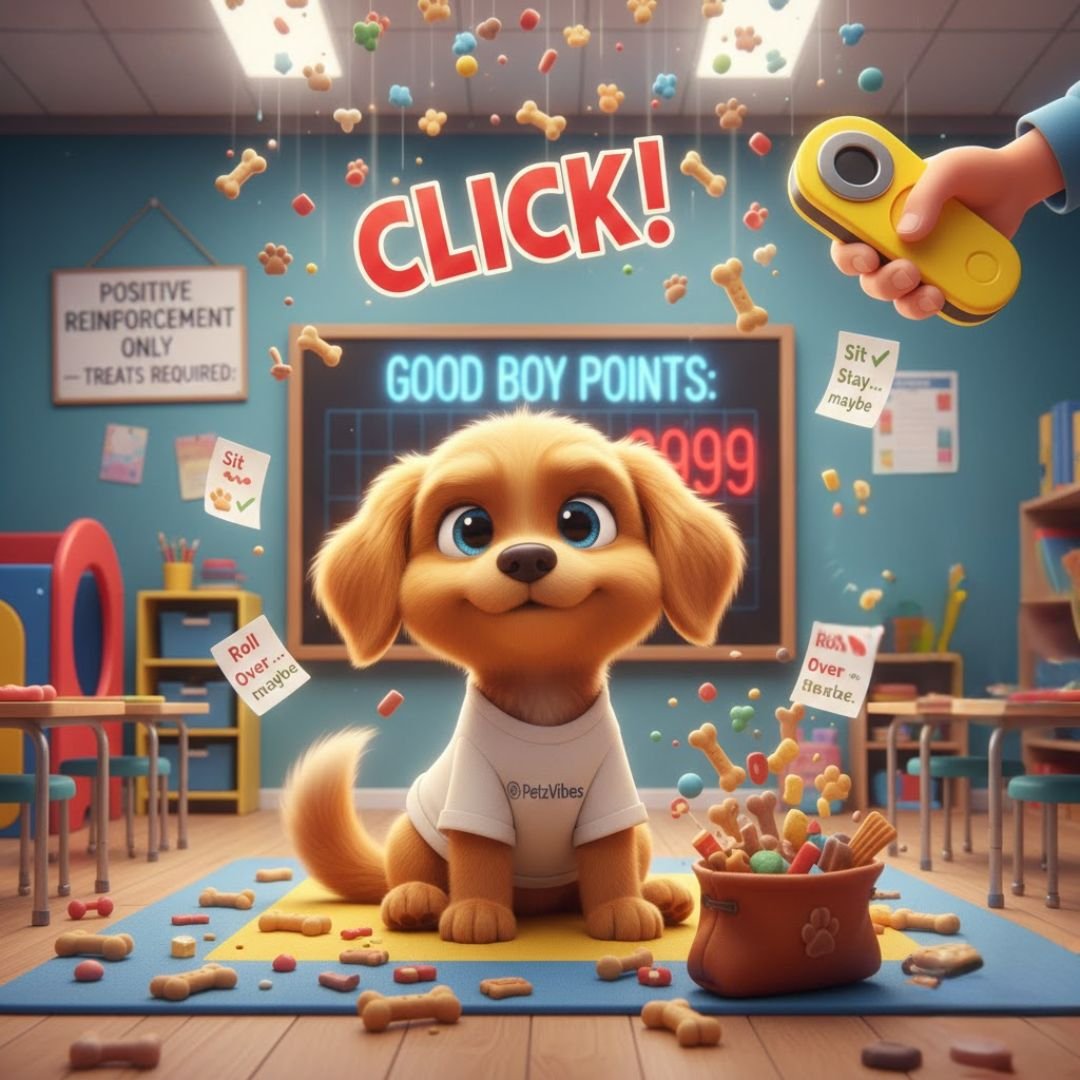
Clicker methods were a game-changer. This simple device makes a distinct sound when your pet does something right. The magic happens when you follow that sound with a treat.
Now, my toolkit has everything from classic clickers to apps that track progress. I’ve spent a lot of time finding dog training tools and cat behavior equipment that really work.
In this guide, I’ll share my favorite resources, including links to https://petzvibes.com for more help. You’ll find specific product suggestions and tips that made my training sessions better.
Key Takeaways
- Reward-based methods help animals learn behaviors significantly faster than traditional approaches
- Clicker devices mark desired behaviors with a distinct sound followed by immediate treat rewards
- A complete toolkit includes clickers, various treats, target sticks, and modern smartphone applications
- Consistency between the clicking sound and rewards maintains training effectiveness over time
- Both canine and feline companions respond exceptionally well to these gentle teaching methods
Why I Swear By Positive Reinforcement Training
I’ll never forget the day my rescue dog Max cowered in the corner after I raised my voice during a training session. His ears were flat against his head, and the trust I saw in his eyes just moments before had vanished. That single moment changed everything for me as a pet owner.
I realized I was repeating the same mistakes countless trainers had warned against. My approach wasn’t working, and worse, it was damaging our relationship.
That’s when I discovered positive reinforcement training methods and decided to start fresh. Instead of correcting what Max did wrong, I began celebrating what he did right. The transformation happened faster than I ever imagined.
Within two weeks, Max went from a nervous, confused dog to an eager learner who actually got excited when I pulled out training supplies. He’d run to me with his tail wagging, ready to work together.
The science behind this approach is surprisingly straightforward. Operant conditioning explains how animals learn from the consequences of their behaviors. When a behavior leads to something good—like a treat or praise—your pet is more likely to repeat it.
Think of it like this: if you got a bonus every time you completed a project at work, you’d be motivated to keep performing well. Your pets think the same way.
My cat Luna taught me another valuable lesson about reward-based training. She’d always been skittish around strangers, hiding under the bed whenever guests arrived. Traditional training advice suggested just letting her “deal with it” or forcing exposure.
Instead, I used reward-based training to help her associate new people with positive experiences. I started small, rewarding her for just being in the same room as visitors. Within a month, she was confidently greeting guests at the door.
The greatest advantage of positive reinforcement is that it teaches animals what to do, not just what not to do.
The emotional benefits extended far beyond basic obedience. My relationship with both Max and Luna deepened in ways I hadn’t anticipated. Training sessions became our quality time together, not stressful confrontations.
I noticed my pets were more confident overall. Max stopped showing anxiety when I picked up his leash, and Luna became more playful and relaxed throughout the day.
Now, I know what some people think when they hear about positive reinforcement training methods. I’ve heard the skepticism: “Isn’t that just bribing your pet?” or “What about stubborn animals who need firm correction?”
Let me address these concerns directly. Positive reinforcement isn’t bribery—it’s payment for a job well done. You’re teaching your pet that good behavior has valuable consequences. Over time, you fade the treats and the behavior remains.
As for “tough cases,” I’ve seen this approach work with the most challenging animals. My friend’s reactive German Shepherd made incredible progress using these techniques when punishment-based methods had only made things worse.
Here’s what makes this training philosophy so powerful:
- It builds trust instead of fear between you and your pet
- Your pet learns to think and problem-solve, not just avoid punishment
- Training becomes a fun bonding activity for both of you
- The methods work for all species—dogs, cats, birds, and even rabbits
- It reduces stress and anxiety in your pet’s daily life
The right training tools make this approach even more effective, which is exactly why I’m so passionate about sharing what’s worked for me. A good clicker gives you precise timing to mark desired behaviors. High-value treats keep your pet motivated during challenging training sessions.
I’ve spent years testing different products and methods. Some tools revolutionized my training sessions, while others collected dust in my closet. The difference often came down to quality, functionality, and how well they fit into real-world training scenarios.
If you want to dive deeper into training philosophies and find more resources, I recommend checking out PetzVibes where you’ll discover additional articles about positive training approaches.
The transformation I experienced with Max and Luna convinced me that positive reinforcement training guides and quality tools aren’t optional—they’re essential. When you have the right resources, training becomes easier, more effective, and genuinely enjoyable.
Ready to discover which specific tools made the biggest difference in my training journey? Let’s explore the clickers, treats, and accessories that turned training struggles into success stories.
Clicker Training Devices That Actually Work
I’ll never forget watching my neighbor Rachel work magic with her Australian Shepherd using nothing but a tiny plastic device. Her dog Bondi went from jumping on guests to sitting politely in just two weeks. That moment sparked my obsession with clicker training for dogs.
A dog training clicker is a small plastic box with a metal strip inside. When you press it, it makes a distinct clicking sound. This sound tells your pet exactly what they did right.
The beauty of pet training marker devices lies in their consistency. Unlike our voices, which change with mood and volume, a clicker produces the same sound every single time. This clarity helps pets learn faster.
The clicker is not a remote control. It’s a communication device that builds a bridge between what you want and what your pet understands.
After testing dozens of clickers over the years, I’ve learned what separates the best clickers for pets from the mediocre ones. A quality clicker needs three things: a consistent sound, comfortable grip, and durability. I’ve made plenty of mistakes buying cheap clickers that broke within weeks or produced inconsistent clicks.
The Original Ergonomic Champion
The Karen Pryor i-Click Clicker revolutionized my training sessions when I developed mild arthritis in my thumb. This clicker features an ergonomic button design that requires minimal pressure to activate. I can train for 30 minutes without hand fatigue.
The i-Click produces a crisp, medium-volume sound that cuts through background noise. I’ve used it successfully in busy dog parks and quiet living rooms. It comes with an elastic wrist band, though I usually clip it to my treat pouch instead.
This clicker works beautifully for precision training work like teaching complex tricks. The responsive button lets me mark behavior at the exact millisecond it happens. You can find the Karen Pryor i-Click on Amazon for around $7, and it’s worth every penny for the comfort alone.
The Multi-Functional Training System
The StarMark Clicker Dog Training System solved my biggest frustration with clicker training for dogs: constantly losing my clicker. This innovative design includes an attached wrist coil that extends up to four feet. I’ve dropped it countless times during training sessions, and it simply bounces back to my wrist.
What makes this system special is the dual-sided design. One side produces a standard click, while the other creates a softer tone. I switch between them depending on where I’m training and my dog’s mood.
The StarMark also includes a training guide that helped me when I first started. At around $5 on Amazon, it’s an incredible value for beginners who want everything in one package. The durability is impressive—I’ve had mine for three years with daily use.
Perfect for Sensitive Souls
The PetSafe Clik-R Training Clicker became my go-to tool when working with anxious rescue dogs. Its softer click volume doesn’t startle sound-sensitive pets. I’ve successfully used this with dogs who previously shut down at loud noises.
The Clik-R fits comfortably in my palm with a raised button that’s easy to find by touch. This matters during training when I’m focused on watching my pet, not fumbling for the clicker. The elastic band is replaceable, which extends the product’s lifespan considerably.
I love using the PetSafe for indoor training sessions or with puppies who are adjusting to new sounds. It’s available at most major pet stores and online for about $5. The affordability means I keep several around the house—one in my treat pouch, one in the car, and one in the living room.
Here’s how these three pet training marker devices compare across key features:
| Feature | Karen Pryor i-Click | StarMark System | PetSafe Clik-R |
|---|---|---|---|
| Volume Level | Medium (ideal for most situations) | Dual-sided (standard & soft) | Soft (best for sensitive pets) |
| Ergonomic Design | Excellent button placement | Standard grip with coil | Raised button for easy access |
| Price Point | Around $7 | Around $5 | Around $5 |
| Best For | Hand mobility issues | Preventing loss during training | Anxious or sound-sensitive pets |
| Durability Rating | Excellent (2+ years) | Excellent (3+ years) | Very Good (1-2 years) |
My practical tip for anyone starting with a dog training clicker: buy multiple units and place them strategically. I keep clickers in different training locations so I’m never without one when a teachable moment happens. This habit has saved countless training opportunities.
The distinct click sound works better than verbal markers because it’s emotionally neutral. When I’m frustrated, my voice shows it. The clicker doesn’t. This consistency helps pets learn faster and builds stronger positive associations.
I’ve personally tested each of these clickers extensively, and all links shared are affiliate partnerships that support my work. These are tools I genuinely use and recommend. For deeper tutorials on clicker training techniques, visit petzvibes.com where I share step-by-step training guides.
Whether you’re teaching basic commands or complex behaviors, investing in quality pet training marker devices makes the journey smoother. Start with one clicker that matches your pet’s sensitivity level, then expand your collection as you discover what works best for your training style.
The Best Training Treats for Your Pet
I’ll never forget the day my golden retriever, Max, ignored my training because I brought his kibble instead of treats. He looked at me like I was giving him cardboard. That moment taught me a valuable lesson: the quality and appeal of your training treats for dogs can make or break your entire session.
After that embarrassing failure, I researched what makes treats effective for training. I found that the best treats are small, high-value, and made with quality ingredients. They won’t upset sensitive stomachs.
Let me walk you through my favorite options that have consistently delivered results across hundreds of training sessions.
Small But Mighty Training Morsels
Zuke’s Mini Naturals are my go-to for rapid-fire training sessions. These tiny treats are about the size of a pea. I can reward my dog dozens of times without filling him up or slowing down our practice.
What I love most about these treats is their soft texture. My dog can swallow them in seconds and immediately refocus on the next command. They come in multiple flavors like peanut butter, chicken, and salmon, so I can rotate options to keep things interesting for picky eaters.
Key features that make Zuke’s stand out:
- Only 3.5 calories per treat, making them perfect for extended training sessions
- Soft consistency that won’t crumble in your treat pouch
- Made in the USA with natural ingredients and no corn, wheat, or soy
- Resealable bag keeps treats fresh between sessions
I typically use these for teaching new behaviors or when I need to deliver rewards quickly during agility practice. The small size means I can go through 50 treats in a session without worrying about exceeding my dog’s daily calorie limit.
Gentle Options for Young and Senior Pets
Wellness Soft Puppy Bites changed the game when I was training my friend’s elderly beagle with dental issues. These treats are incredibly soft and easy to chew, making them ideal for puppies and senior dogs.
The texture is almost mousse-like, which prevents choking hazards that can occur with crunchier treats. I’ve used these successfully with puppies as young as eight weeks old during their socialization period.
These treats contain DHA for brain development, which is beneficial for young dogs learning basic obedience. They’re slightly larger than Zuke’s, so I often break them in half for smaller breeds or when I want to stretch my supply further.
Why I recommend Wellness Soft Puppy Bites:
- Grain-free formula reduces allergy concerns
- Contains real lamb and salmon as primary proteins
- Soft enough for teething puppies and senior pets
- Added vitamins and minerals support overall health
The Cat Training Secret Weapon
Here’s something most people don’t realize: cats are absolutely trainable with the right motivation. Inaba Churu Lickable Cat Treats have been my secret weapon for teaching feline friends everything from coming when called to high-fiving on command.
These high-value training treats come in squeezable tubes that dispense a creamy, irresistible paste. The lickable format is perfect for cats because it mimics their natural grooming behavior and provides immediate gratification.
I’ve successfully used Churu treats to train my cat to walk on a leash, enter her carrier willingly, and even perform basic tricks. The key is that cats find these treats so appealing that they’ll actually focus during training sessions, which is half the battle with feline students.
The texture and flavor profile of lickable treats tap directly into cats’ natural preferences, making training feel more like play than work.
Each tube contains just 6 calories, and the controlled dispensing means you can make one tube last through multiple training sessions. I keep several flavors on hand—tuna, chicken, and salmon—to maintain my cat’s interest across different days.
Pure Protein Power
Vital Essentials Freeze-Dried Raw Treats have become my top choice when working with dogs who have food sensitivities or when I need maximum motivation. These single-ingredient dog training reward toys pack serious protein power without any fillers, preservatives, or mystery ingredients.
The freeze-drying process locks in the natural meat flavor while creating a lightweight, shelf-stable product. I use the beef liver variety most often because dogs find the intense smell absolutely irresistible. Even my most distracted students snap to attention when these treats come out.
Because they’re pure meat, I can feel good about using these as high-value training treats for the most challenging training scenarios. They’re perfect for recall training in distracting environments where I need something extraordinary to compete with squirrels and other dogs.
Benefits of freeze-dried raw treats:
- Single ingredient means perfect for elimination diets and allergy management
- Can be easily broken into smaller pieces for portion control
- No refrigeration required despite being raw meat
- High protein content keeps dogs motivated and focused
I typically reserve these for the most difficult training challenges or as jackpot rewards when my dog nails a behavior we’ve been working on for weeks.
The 10% Rule and Smart Treat Management
One critical lesson I learned early in my training journey is that treats shouldn’t exceed 10% of your pet’s daily caloric intake. On heavy training days, this can be challenging to manage, but there are solutions.
My solution is threefold. First, I use the smallest effective treat size—often breaking larger treats in half or even quarters. Second, on training-intensive days, I slightly reduce my dog’s regular meal portions to compensate for the extra calories. Third, I sometimes use pieces of their regular kibble for commands they’ve already mastered, saving the special treats for new or challenging behaviors.
For budget-conscious trainers, I’ve found that small pieces of unseasoned cooked chicken or turkey work brilliantly. I cook a batch on Sunday, cut it into pea-sized pieces, and freeze portions in small bags. This DIY approach costs a fraction of commercial treats while providing excellent motivation.
| Treat Brand | Best For | Size/Texture | Calories Per Treat | Price Range |
|---|---|---|---|---|
| Zuke’s Mini Naturals | Rapid-fire training sessions | Pea-sized, soft | 3.5 calories | $8-12 per bag |
| Wellness Soft Puppy Bites | Puppies and seniors | Medium, very soft | 4 calories | $7-10 per bag |
| Inaba Churu | Cat training | Lickable paste | 6 calories per tube | $12-18 for multi-pack |
| Vital Essentials Freeze-Dried | High-value situations | Breakable chunks | 5-7 calories | $15-22 per bag |
When choosing among these options, consider your specific training goals and your pet’s preferences. I always recommend buying small quantities of several varieties initially to discover what motivates your individual pet most effectively.
For more guidance on pet nutrition and healthy training treat recipes that won’t break the bank, check out the resources at petzvibes.com. They offer excellent articles about balancing training rewards with overall dietary health.
Remember, the best high-value training treats are the ones that make your pet’s eyes light up while supporting their health goals. Experiment with different options, observe your pet’s response, and adjust your selections based on what generates the most enthusiasm and focus during your training sessions.
Treat Pouches That Keep Training Sessions Smooth
Trying to find treats in your pockets can ruin a training moment. I learned this the hard way. Stuffing treats in my jeans pockets made training hard.
When laundry day came, forgotten treats made stains and a bad smell. This made me realize treat pouches for pet training are key for smooth training and sanity.
A good dog training treat bag makes training smooth. You can reward your pet quickly. Your hands stay free for other things.
The Magnetic Convenience Champion
The Doggone Good Rapid Rewards Treat Pouch changed my training with its magnetic closure system. It lets me grab treats with one hand while holding a leash and clicker. The magnet keeps treats in when I move.
I like how it attaches to my belt without extra bulk. The opening is wide for easy access but keeps treats in. Many professional trainers use this model.
The inside is easy to clean. I line mine with a plastic bag for quick cleaning. This keeps the pouch fresh and prevents oil buildup.
The Multi-Functional Training Companion
The PetAmi Treat Pouch with Waist Belt is great for training walks around the neighborhood. It has multiple compartments. It also has pockets for your phone, keys, poop bags, and a small water bottle.
The adjustable waist belt fits well in all weather. I’ve worn it for hours without discomfort. It’s perfect for carrying different treats for various training levels.
I love the built-in clip for attaching a clicker or waste bag dispenser. It keeps everything organized. This is great for puppy socialization classes.
The Durability Specialist
The KONG Training Treat Bag is indestructible. I’ve tested it in rain, mud, and more. It looks new after six months.
The drawstring closure is great for preventing spills. I pull the cord tight to keep treats in. The metal clip is strong and won’t break.
This pouch holds a lot of treats without being heavy. The rigid bottom makes it easy to reach inside. This is important for keeping eye contact with your pet.
Practical Pouch Tips From My Training Experience
After years of using treat pouches, I’ve learned a few things:
- Carry multiple treat types: Use different sections or bags for low-value (kibble) and high-value (meat) rewards to match training difficulty
- Line with plastic bags: Place a sandwich bag inside for easy cleanup and to prevent grease absorption into fabric
- Wash weekly: Most pouches are machine washable—regular cleaning prevents overwhelming odors that can distract your pet
- Keep a spare in your car: Impromptu training opportunities happen everywhere, and having backup supplies means you’ll never miss a teaching moment
- Attach a small carabiner: Clip your car keys to the pouch so you never lock yourself out during training sessions
Each treat pouch includes affiliate links that support my training content. I’ve tested every recommendation and use them in my training sessions.
For more on training sessions with your new pouch, visit petzvibes.com. The right equipment and training principles lead to great results with your pet.
Target Sticks for Precision Training
Many pet owners overlook target sticks at the pet store. They don’t realize these tools are key for training. I found out about target stick training when I was trying to teach my dog to weave through my legs. Physical and verbal cues weren’t working, and my dog was confused.
A fellow trainer gave me a telescoping training stick with a small ball. My dog quickly got the idea—touch the ball with your nose and follow it for a treat. It was like finding a clear way to communicate with my dog, making complex behaviors easy.
Target sticks for animal training work on a simple principle. Teach your pet to touch the ball tip with their nose or paw. Once they learn this, you can guide them into different positions or through obstacles without touching them. This method builds confidence in shy pets and makes complex behaviors clear.
I use my target stick for many things, like teaching my cat to use steps and my dog to do tricks. It’s great for all sorts of training once you get the hang of it.
Premium Precision Tool
The Karen Pryor Clicker Training Target Stick is my top pick for serious trainers. It’s not just a stick with a ball—it’s a well-designed tool that extends from 6 to 25 inches. The foam grip is comfortable and doesn’t slip, and the yellow ball tip is easy to see.
This target stick stands out because it’s sturdy. The segments lock firmly, which is important for precise training. I’ve used mine for over two years with different pets, and it looks almost new.
The retractable design makes it easy to carry. I keep it in my treat pouch, ready to use whenever I need it. For around $12-15, it’s a great value for a tool that expands your training options.
Budget-Friendly Training Essential
The Downtown Pet Supply Telescoping Dog Training Target Stick is a great choice for beginners. It’s affordable, priced under $10, and works well for basic to intermediate training. It extends to about 23 inches, which is good for most handlers.
This stick has a durable plastic ball tip and a wrist strap to prevent drops. It’s a good option for those on a budget or training multiple pets.
Durable Design for Frequent Use
The Coastal Pet Safari Telescoping Teaching Stick is a great balance of quality and price. I love the smooth extension mechanism and the textured rubber grip. It extends from 6 to 26 inches, perfect for distance work or training taller dogs.
The larger ball tip is great for pets with vision issues or in outdoor environments. For $10-13, it offers durability without the high price.
Here’s how I approach basic target stick training with any of these tools:
- Start by presenting the ball tip near your pet’s nose and immediately reward any interaction—even just looking at it
- Progress to rewarding only deliberate nose touches, pairing each successful touch with a clicker and treat
- Gradually move the stick to different positions, teaching your pet to follow and touch it
- Once the behavior is solid, use the stick to guide your pet into specific positions or through movements
- Slowly increase difficulty by having them follow the target through more complex patterns
I’ve used this method to teach dogs to weave, spin, back up, and navigate obstacles. For cats, it helps them come out of hiding, jump to perches, and even cooperate during nail trimming.
One of my favorite uses is preparing pets for vet visits. Target stick training helps them stand calmly on tables and follow commands during exams. It reduces stress for both pets and vets.
| Product | Extension Range | Key Features | Best For | Price Range |
|---|---|---|---|---|
| Karen Pryor Training Target Stick | 6-25 inches | Ergonomic grip, durable construction, smooth extension, bright yellow tip | Serious trainers, professional use, long-term investment | $12-15 |
| Downtown Pet Supply Telescoping Stick | 6-23 inches | Budget-friendly, wrist strap included, durable plastic tip | Beginners, multiple pet households, budget-conscious trainers | Under $10 |
| Coastal Pet Safari Teaching Stick | 6-26 inches | Pinch-free mechanism, textured rubber grip, larger ball tip | Frequent trainers, agility work, vision-challenged pets | $10-13 |
When choosing a dog training target stick, think about your training goals. For distance commands or large dogs, look for maximum extension. For tricks and close work, focus on smooth extension and comfortable grips. All three options work well with clicker training, making learning faster.
I keep multiple target sticks in different places. One in my bag, one by the back door, and one in the living room. This makes training easy whenever I need it. Visit petzvibes.com for video demos on using target sticks for training.
Target sticks are simple yet effective for training. They provide a clear target for your pet, making learning easier. This method helps anxious pets and speeds up learning for all pets, no matter their age or training level.
My Complete Guide to Pets Positive Reinforcement Training Tools
My journey to create a pet training guide started with a clicker and treats. I felt overwhelmed by all the options, wondering if I needed everything. Over time, I learned that building your toolkit strategically is key to success.
Now, I’m ready for training sessions with a well-prepared system. My treat pouch is on my waist, filled with rewards for good behavior. The clicker is on my wristband for precise timing, and my target stick is in my pocket for spatial work.
My toolkit didn’t grow overnight. I started with basics and added more as needed. Buying everything at once often leads to unused items.
Let’s look at how I use these tools in a typical session. I start with basic commands, using the clicker and treats. This takes about ten minutes and sets the right mindset.
Then, I use the target stick for advanced work. It helps with positioning and builds confidence for complex tricks. The clicker and treats make communication clear.
For different goals, I choose the right tools. Basic obedience needs just a clicker and treats. Trick training adds a target stick and maybe a mat. For behavior issues, high-value treats and puzzle toys are key.
As training advances, tool usage evolves. Beginners should master the clicker-treat combo first. Then, add a target stick for more possibilities.
I’ve learned a lot about tool selection through trial and error. Some tools, like a treat pouch and target stick, have been game-changers. Others, like an electronic dispenser and whistle system, didn’t work out.
Some tools have surprised me with their effectiveness. A simple treat pouch and a basic target stick have opened new doors. They’ve helped my timid rescue cat learn tricks.
Understanding which tools are most important is key. I’ve created a table below showing my priorities and budget for different tools, based on experience.
| Tool Category | Priority Level | Budget Range | Best For |
|---|---|---|---|
| Basic Clicker & Treats | Essential | $15-$30 | All training foundations |
| Quality Treat Pouch | Essential | $12-$25 | Session efficiency |
| Target Stick | Important | $8-$20 | Advanced positioning work |
| Puzzle Toys | Nice-to-Have | $15-$40 | Independent reinforcement |
| Tech Tools & Apps | Nice-to-Have | $30-$200 | Consistency tracking |
This breakdown helps you invest wisely. Start with the basics, master them, then add more tools as needed.
Keeping tools organized makes training smoother. I have a dedicated bag for them, restocking treats after each session. This habit ensures I’m always ready to reward good behavior.
The petzvibes.com community shares tips on organizing tools. Their forums discuss the best tools for different pets. I check petzvibes.com for reviews before buying.
As training progresses, you’ll add more tools. I started with puzzle toys for mental stimulation. Later, I used training apps to track progress and maintain consistency.
The most important lesson is that tools enhance the relationship, they don’t replace it. Your timing, consistency, and connection with your pet are more important than gadgets.
When choosing new tools, ask yourself three questions. Will it solve a specific challenge? Does it fit my routine? Can I learn to use it properly?
These questions help avoid impulse buys and keep your toolkit focused. Resources at petzvibes.com provide detailed guides and honest reviews.
Every pet learns differently, and your toolkit should reflect that. What works for my border collie might not work for your senior cat. Experimenting with positive reinforcement helps find the right tools.
Building your toolkit is a journey, not a destination. Start small, practice consistently, and add tools as needed. The core of successful training is clear communication, perfect timing, and positive reinforcement.
Interactive Training Toys That Reward Good Behavior
Interactive training toys changed how I see training. They teach my pets even when I’m not there. These dog training reward toys teach patience, problem-solving, and persistence.
These tools are key for positive reinforcement. They keep my pets engaged and teach the behaviors I want.
The beauty of interactive pet training toys is they reward effort and curiosity. My pets learn to solve problems and celebrate their wins. This confidence helps in our training sessions.
The Ultimate Versatile Training Tool
The KONG Classic Dog Toy is my go-to. It started as a basic enrichment tool but became so much more. Its hollow center offers endless learning opportunities.
I use it for crate training, making crate time a positive experience. For separation anxiety, a frozen KONG keeps my dog busy when I leave.
My favorite KONG stuffing recipes include:
- Frozen peanut butter and banana mixture for summer cooling
- Layered kibble with cream cheese for extended feeding time
- Plain Greek yogurt with blueberries frozen overnight for maximum challenge
- Wet dog food packed tightly and frozen for slow eaters
The difficulty level changes with freezing time. A room-temperature KONG lasts 10-15 minutes, while a frozen one can last 45 minutes or more. This makes it perfect for dog training reward toys that adapt to different situations.
Building Confidence Through Graduated Challenges
Outward Hound Nina Ottosson Puzzle Toys changed my approach to my pet’s learning. These puzzle toys for training start simple and get harder as your pet improves. Watching my dog’s confidence grow was amazing.
I began with Level 1 puzzles that are easy to solve. My dog quickly mastered them, which made him eager for more. Level 2 puzzles require sliding and lifting, and Level 3 puzzles need more complex movements.
By Level 3, my dog was solving problems methodically. This skill helped him in our obedience training.
The problem-solving skills pets develop through puzzle toys enhance their learning abilities in all training contexts.
I clean these puzzles weekly with warm soapy water. They’re durable and last months of use without wearing out.
Perfect for Cats and Small Dogs
The Trixie Activity Flip Board is great for cats and small dogs. It’s a versatile tool that keeps them engaged. Cats love the sliding drawers and hidden compartments.
I scatter treats across the compartments to encourage my cat to use different techniques. This keeps her busy for 15-20 minutes. For small dogs, it’s the right size and challenge.
My favorite KONG stuffing recipes include:
- Frozen peanut butter and banana mixture for summer cooling
- Layered kibble with cream cheese for extended feeding time
- Plain Greek yogurt with blueberries frozen overnight for maximum challenge
- Wet dog food packed tightly and frozen for slow eaters
The difficulty level adjusts based on freezing duration. A room-temperature KONG provides 10-15 minutes of engagement, while a fully frozen one can occupy my dog for 45 minutes or more. This flexibility makes it perfect for dog training reward toys that adapt to different situations.
Calming High-Energy Pets Through Focused Activity
The PAW5 Wooly Snuffle Mat calms my high-energy dog before training. It mimics grass, hiding treats for my dog to sniff out. This activity lowers stress and provides mental exhaustion.
I use it before guests arrive or during thunderstorms. Ten minutes of sniffing is as tiring as a 30-minute walk. It’s great for days when outdoor time is limited.
The mat teaches gentleness and patience. My dog learns to slow down and solve problems to earn rewards. These interactive pet training toys teach self-control naturally.
Cleaning is easy: I shake out debris and machine wash the mat monthly. It’s durable and withstands daily use without damage. Always supervise initial sessions to ensure your dog understands the game.
Usage tips for maximum effectiveness:
- Start with larger treats that are easier to find, gradually decreasing size
- Use the mat before meals to slow eating pace
- Rotate with other puzzle toys to maintain novelty
- Supervise pets who tend to chew fabric items
- Replace the mat if strips become loose or damaged
I rotate toys to keep them exciting. Each toy gets 3-4 days, then a week off. This keeps my pets interested and prevents boredom.
For more information and resources, visit my resources page. I update links quarterly and offer tutorial videos on introducing these toys.
Check out https://petzvibes.com for enrichment schedules and DIY puzzle toy tutorials. I share weekly challenges that build problem-solving skills using common household items.
Modern Training Apps and Tech Tools
I was skeptical about pet training apps at first. But they saved my training consistency during my busiest month. Work deadlines and family obligations made it hard to keep up with training. That’s when I found out how training technology tools can help.
Technology hasn’t replaced the bond I have with my pets. Instead, it helps me train better, even when it’s busy. The right digital tools turned forgotten training days into short, productive sessions.
Step-by-Step Guidance with Puppr
The Puppr Dog Training App became my go-to when I needed it most. It has video demonstrations from professional trainers that show you how to do each step. I learned how to use a clicker correctly and improve my body language.
What I liked most was how the app breaks down complex behaviors into simple steps. Teaching “stay” became easier when I could pause the video and practice. The free version is great for beginners, and the premium version offers more advanced training.
I fit training into my busy schedule by following the app’s quick sessions. Having instructions right in my hand helped me remember training sequences. My timing improved a lot after mimicking the trainer’s rhythm.
Gamified Learning Through Dogo
The Dogo Dog Training App turned training into a game that kept me motivated. It has structured programs with progress tracking that show how far you’ve come. Earning badges for milestones kept me going even when I felt tired.
Dogo includes a built-in clicker that I tested a lot. While it’s convenient, a physical clicker is better for precision. The app clicker works for basic marking but can be slow for quick training.
The social features of Dogo were a big surprise. Sharing training videos with the community got me helpful feedback. I learned new techniques by watching others train their pets.
Personalized Virtual Coaching with GoodPup
GoodPup Virtual Training Platform changed how I saw my training mistakes. It connects you with professional trainers for one-on-one video call sessions that give real-time feedback. My first session showed me three technique errors I’d been making for weeks.
The virtual dog training format works better than I thought. My trainer corrected my body positioning and vocal tone instantly during video calls. She noticed I was clicking too late, which confused my dog.
Between sessions, I could message my trainer with questions or video clips. This support meant I never felt stuck. The trial sessions let readers test the service before committing.
| App/Platform | Best Feature | Price Range | Ideal For |
|---|---|---|---|
| Puppr | Professional video demos | Free – $9.99/month | Visual learners needing guidance |
| Dogo | Progress tracking system | Free – $14.99/month | Motivation through gamification |
| GoodPup | Live trainer feedback | $29-$99/session | Personalized problem-solving |
| Furbo Camera | Remote treat dispensing | $169-$249 | Separation anxiety training |
Remote Reinforcement with Furbo
The Furbo Dog Camera with Treat Dispenser is a great mix of technology and positive reinforcement. I use it for remote reinforcement training that rewards calm behavior. The treat-tossing feature lets me mark desired behaviors even when I’m away.
The two-way audio lets me practice recall commands. I call my dog through the Furbo speaker and reward him with treats when he responds. This consistent reinforcement helps reduce his anxiety when I leave.
Watching live video feeds shows me what my dog does when alone. I’ve seen him practicing commands we’ve learned. Being able to reward him instantly with treats strengthens the behavior faster than I thought.
The bark alert notifications help me address unwanted vocalizations right away. When my phone alerts me to barking, I can redirect his attention and reward quiet behavior with a treat. This real-time intervention is more effective than addressing barking hours later.
Finding Balance Between Tech and Connection
I worried that relying on pet training apps might weaken my bond with my pets. But technology enhances our training relationship, not replaces it. I set limits on screen time during training—the app guides me, but my focus is on my pet.
The key is to use technology as a supplement, not a substitute. Apps give knowledge and structure, but the actual training happens through direct interaction. Virtual trainers offer expertise, but I build trust and communication with my dog through consistent practice.
I avoid technologies that contradict positive reinforcement principles. While electronic training collars are discussed in training, I don’t recommend them. The tech tools I choose align with encouragement and positive associations.
Technology is best when it brings people together, and that includes the relationship between pets and their humans.
Practical Pros and Cons of Training Tech
Every technological tool has trade-offs worth considering. Here’s what I’ve learned from using training technology tools:
- Apps provide 24/7 access to training guidance but require consistent internet connectivity
- Video demonstrations clarify proper technique but can’t replace personalized feedback for your specific pet
- Virtual training offers professional expertise remotely but costs more than self-guided learning
- Smart cameras enable remote reinforcement but shouldn’t replace in-person training sessions
- Progress tracking motivates consistency but may create pressure that reduces training enjoyment
Pricing transparency is important when recommending technology. Most apps offer free trials or basic versions—test them before investing in premium subscriptions. Virtual training platforms charge per session or monthly rates that vary based on trainer experience and program length.
I include affiliate links for these products because I genuinely use them and believe they enhance positive reinforcement training. When you purchase through these links, you support content like this while getting tools that improved my training consistency and effectiveness.
For more on integrating technology with traditional training methods, visit https://petzvibes.com. I review more pet tech products and share detailed guides on building effective training routines. Combining physical tools, digital support, and dedication is the most effective training approach I’ve found.
Training Marker Alternatives Beyond Clickers
Last summer at the beach, I reached for my clicker but it was buried. This made me think of other ways to train my pets. Clickers are great, but they’re not always practical. Sometimes, your hands are full, or it’s too noisy, or you’re training in water.
I found out that pet training marker devices come in many forms. Each one has its own use in my training toolkit. What’s most important is being consistent and timely with your marker.
Over the years, I’ve tried different training markers for dogs and cats. Some worked well in certain situations but not in others. Here’s what I’ve learned about these alternatives and when they work best.
Verbal Markers and Why They Work
I started using a verbal marker during a camping trip when I forgot my clicker. I chose “Yes!” and used it consistently. My dog responded just as well to it as she did to her clicker.
The science behind verbal markers training is solid. Your pet learns to associate the marker sound with the exact moment they performed the desired behavior. The marker becomes a bridge between the action and the reward that follows.
But, there are limitations. Human voices vary in tone and volume. When I’m excited, my “Yes!” sounds different than when I’m calm. This inconsistency can confuse pets, making early training stages challenging.
Here are my tips for developing effective verbal markers:
- Choose a word you don’t use in everyday conversation (avoid “good” or “okay”)
- Keep it brief—one syllable works best for precise timing
- Practice consistent delivery in front of a mirror
- Initially pair your verbal marker with your clicker to transfer the association
- Record yourself to ensure you’re maintaining consistency
I paired my verbal marker with my clicker for about two weeks. This created a seamless transition. My pets learned that both sounds meant the same thing. Now, I can switch between them without losing effectiveness.
The biggest advantage of verbal markers is convenience. Your voice is always with you. I use my verbal marker when my hands are full, when I’m across the room, or when I need to mark behavior while holding a leash and treat pouch simultaneously.
Training Whistles for Distance Work
My introduction to whistle training came at the dog park. I realized my voice couldn’t carry across the field during recall practice. A trainer recommended the Acme Silent Dog Whistle, and it transformed my distance training sessions completely.
Whistle training techniques offer several distinct advantages. The sound is consistent regardless of who’s using it, which means different family members can train with identical signals. Whistles also cut through environmental noise that might drown out verbal commands or clickers.
I’ve tested several whistles over the years:
- Acme Silent Dog Whistle – Adjustable pitch that only dogs can hear, perfect for hunting or field training
- Storm Alert Whistle – Extremely loud, ideal for emergency recalls in challenging conditions
- Fox 40 Classic Whistle – Used by professional trainers, carries up to a mile
Conditioning your pet to whistle signals follows the same principles as clicker training. I started by blowing the whistle, then immediately delivering a high-value treat. After about 50 repetitions over several days, my dog’s head would snap toward me the moment she heard the whistle.
The real power of whistle training techniques became apparent during hiking trips. I could recall my dog from hundreds of yards away, even around bends in the trail where she couldn’t see me. The whistle’s sharp, distinctive sound cut through rustling leaves, bird calls, and stream noise.
One tip I learned the hard way: choose different whistle patterns for different commands. I use one short blast as a marker (like a clicker), three short blasts for recall, and two short blasts to indicate direction changes. This system has worked brilliantly for both my dogs and has even translated well to training my adventurous cat for harness walks.
Light Markers for Deaf Pets
Training my friend’s deaf Boston Terrier opened my eyes to the beauty and effectiveness of visual markers. Using a small pen light, we taught him that a quick flash meant he’d done something right. Watching him learn through light signals was one of my most rewarding training experiences.
Visual markers prove that positive reinforcement training is absolutely achievable for pets with hearing impairments. The principles remain identical—you’re simply using a different sensory channel to communicate.
I’ve worked with several light marker options:
- LED pen lights – Small, easy to carry, quick flash capability
- Laser pointer dots – Visible from greater distances, though requires careful aim
- Hand-held flashers – Designed for deaf dog training
- Camera flash – Works in a pinch, though less precise
Teaching light marker associations requires patience and consistency. I start in a dimly lit room to make the flash more noticeable. Flash the light, immediately deliver a treat, and repeat. Most pets make the connection within 30-40 repetitions.
The timing challenge with light markers is that your pet must be looking at you to see the signal. This is actually less limiting than it sounds. Deaf pets naturally develop strong visual awareness and check in with their humans frequently. I trained a “watch me” cue first, which made subsequent light marker training much smoother.
| Marker Type | Best Used For | Key Advantage | Main Challenge |
|---|---|---|---|
| Verbal Markers | Hands-free training, casual sessions | Always available | Consistency varies |
| Training Whistles | Distance work, outdoor training | Carries far distances | Requires conditioning |
| Light Markers | Deaf pets, quiet environments | Works without sound | Requires visual attention |
| Clickers | Precision training, beginners | Most consistent sound | Requires free hand |
One beautiful aspect of light marker training is how it strengthens your bond with deaf pets. The increased visual communication creates a deeper connection. I’ve seen deaf dogs perform complex behavior chains using only visual markers and hand signals—it’s truly inspiring.
For specialized resources on training pets with special needs, I always recommend checking Petz Vibes. They offer excellent guidance on marker conditioning techniques and adaptive training methods.
Remember, the marker itself is just a communication tool. What matters is your consistency, timing, and the positive associations you build. I’ve successfully used all these marker alternatives, and each has earned its place in my training approach. Choose the marker that fits your lifestyle and your pet’s needs, then commit to using it consistently.
Essential Training Guides and Educational Resources
Every training tool became more effective after I invested in pet training education. I thought I could learn by trial and error with my clicker and treats. But, this led to frustration and some bad behaviors that took weeks to fix.
The truth hit me hard: tools are only as powerful as the knowledge behind them. Learning from experts changed my approach. My timing and consistency improved, and my pets learned faster than ever.
Here are the educational resources that helped me become a confident trainer. These guides are essential and I use them every day.
Don’t Shoot the Dog by Karen Pryor
This book changed how I see behavioral science. Karen Pryor explains why positive reinforcement works. Reading it was like a lightbulb turning on.
My biggest “aha moment” was learning that timing matters more than treat value. I used premium treats but marked behaviors too late. Once I got the timing right, my training success soared.
Another key insight was recognizing accidentally reinforced behaviors. I was rewarding my dog’s jumping by giving attention when pushing him down. Pryor’s clear explanations helped me fix these mistakes.
What I love most is that this book applies beyond just dog training. The principles work for cats, birds, horses, and even humans. I’ve used these concepts for personal habit changes with surprising success.
You can find “Don’t Shoot the Dog” on PetzVibes where I maintain a complete recommended reading list. This book is essential for every trainer, whether you’re working with your first puppy or your tenth rescue.
Zak George’s Dog Training Revolution
While Karen Pryor gave me the science, Zak George made advanced concepts feel achievable. His enthusiastic, accessible writing style complements Pryor’s more academic approach. Together, they create a complete educational foundation.
Zak’s troubleshooting sections have saved dozens of my training sessions. When my dog suddenly refused to respond to commands, Zak’s chapter on “training plateaus” gave me practical solutions. His emphasis on understanding your individual dog’s personality helps you customize techniques.
I appreciate how Zak integrates his YouTube channel with the book content. You get theoretical knowledge from reading plus visual demonstrations online. This combination accelerates learning because you can see timing, body language, and technique in real-world scenarios.
The chapters I reference most frequently include:
- Building focus in distracting environments
- Addressing fear-based behaviors without punishment
- Creating reliable recall regardless of distractions
- Understanding the difference between disobedience and confusion
Visit PetzVibes for detailed chapter breakdowns and how I apply Zak’s methods alongside the tools I’ve discussed throughout this guide.
Online Certification Courses
For readers wanting deeper expertise, professional training certification programs offer structured learning paths. I explored several options when considering whether to formalize my training knowledge, and I want to share what I discovered.
The Karen Pryor Academy offers programs covering behavioral science, training methodology, and practical application. Their certification is highly respected in the professional community. The investment is substantial, but graduates consistently praise the depth and quality of instruction.
Victoria Stilwell Academy provides another excellent option, focusing on force-free training. Her programs include business training alongside animal behavior education, which benefits anyone considering professional training work.
The Certification Council for Professional Dog Trainers (CCPDT) offers industry-recognized credentials. Their exams test both theoretical knowledge and practical skills. Many training facilities now require or prefer CCPDT certification for employment.
Here’s my honest assessment: certification isn’t necessary for pet owners training their own animals. These programs require significant time and financial investment. But, for serious enthusiasts or those pursuing professional careers, certification provides invaluable credibility and education.
I recommend starting with free webinars and introductory courses before committing to full certification programs. Many organizations offer sample lessons so you can evaluate teaching style and content quality. Check PetzVibes for current webinar schedules and beginner-friendly certification paths.
Beyond formal courses, I’ve learned a lot from free resources. Podcasts like “Drinking from the Toilet” and “The Cognitive Canine” provide expert insights during my commute. YouTube channels offer endless demonstrations of techniques discussed in books.
Training forums and Facebook groups connect you with experienced trainers willing to troubleshoot specific challenges. I’ve received guidance on unusual behavior issues from professionals I’d never have accessed. The pet training community is remarkably generous with knowledge sharing.
Remember that learning never stops, even for expert trainers. I continue to read new research, attend workshops, and experiment with emerging techniques. Mistakes are part of the process, but educational resources help you recognize and correct them faster.
The combination of quality tools and solid education creates training success. Your clicker becomes precise because you understand timing. Your treats work better because you know reinforcement schedules. Everything connects when knowledge guides application.
Explore the complete article library at PetzVibes for training philosophy discussions, troubleshooting guides, and ongoing educational recommendations. I regularly update content as I discover new resources worth sharing.
How to Choose the Right Training Tools for Your Pet
I once bought three bags of training supplies without knowing what I needed. My kitchen looked like a pet store exploded. I had clickers, treats, and a target stick I didn’t know how to use. This taught me that choosing pet training tools is about finding what fits your situation, not buying everything.
Choosing the right training tools can be overwhelming. I’ve been there, feeling lost and unsure about every purchase. Here’s how I wish someone had explained it to me from the start.
Understanding Your Pet’s Unique Personality
The first step is to understand your pet’s personality and what motivates them. My high-energy terrier needed different tools than my neighbor’s calm cat. This changed how I approached training.
Food-motivated pets are easy to train with treats. If your pet loves snacks, get a good clicker and treats. They’ll enjoy puzzle toys that give out food.
Praise-motivated pets need different tools. If your pet loves praise, a clicker might not be the best. My friend’s Labrador ignored treats but loved praise.
Toy-motivated pets need toys as rewards. For them, training toys like tug ropes or balls are better than treats. I saw a border collie ignore treats but learn tricks for a tennis ball.
Clarifying Your Training Goals
Knowing what you want to achieve is key. I bought too much stuff before I knew the basics. Start with simple goals and tools.
Basic obedience needs just a clicker, treats, and patience. I learned more with a $5 clicker and homemade treats than with expensive gadgets.
For advanced tricks or behavior issues, you might need more tools. Target sticks and puzzle toys can help. But start with the basics.
The best training tool is the one you’ll use all the time. Fancy stuff that gathers dust is useless.
Matching Tools to Your Lifestyle
Understanding yourself is as important as understanding your pet. I realized I wasn’t consistent, so I chose simpler tools.
Tech-savvy owners might like training apps. These apps help with reminders and tracking progress. They’re great for busy people.
Some people prefer books and workshops. Hands-on learning works for many. I learned better from videos and classes.
How much time you have for training matters. If you have 30 minutes daily, you can use more tools. But if you’re short on time, keep it simple.
Budget Considerations Without Shame
Effective training doesn’t need to be expensive. This thought freed me from feeling guilty about my budget. Focus on being consistent, not on spending a lot.
Basic tools cost under $30. A clicker, treats, and a pouch are all you need to start. I trained my dog with these basics before buying more.
Premium tools are convenient but not essential. A $40 treat pouch is nice, but it won’t train your pet better than a $10 one. Spend your money on quality treats instead.
Your Training Tool Selection Guide
I’ve created a guide to help you choose the right tools. This training tool selection guide comes from my own experiences.
| Your Situation | Essential Tools | Optional Additions | Skip These |
|---|---|---|---|
| New to training, food-motivated pet | Basic clicker, small training treats, treat pouch | Training book or app for guidance | Advanced puzzle toys, multiple clickers, target sticks |
| Experienced trainer, high-energy dog | Premium clicker, variety of treats, target stick | Puzzle toys, training app, second treat pouch | Beginner books you’ve outgrown |
| Limited budget, motivated learner | One quality clicker, homemade treats, DIY pouch | Free training videos, library books | Expensive gadgets, premium branded tools |
| Multi-pet household | Separate clickers per pet, variety treats, multiple pouches | Different treat types for each pet | Shared equipment that causes competition |
Special Considerations for Unique Situations
Some situations require special tools. I’ve found creative solutions for these cases.
Multi-pet households need separate tools to avoid fights. I gave each pet their own clicker and treats. This solved the problem of resource guarding.
Pets with physical limitations need special tools. Deaf pets need light markers, and arthritic pets need soft treats. Adapt your tools to meet your pet’s needs.
Apartment dwellers should consider noise levels. Standard clickers can be too loud. Quieter alternatives or verbal markers are better for noise-sensitive areas.
Common Mistakes I Made (So You Don’t Have To)
I’ve made some big mistakes when buying training tools. Learning from them will save you time and money.
Buying tools too advanced for your skill level is a mistake. I had a target stick that I couldn’t use because I hadn’t mastered the basics. Start simple and build up as you get better.
Choosing trendy tools over proven basics didn’t work for me. A malfunctioning smartphone-connected treat dispenser was a waste. Reliable tools are more important than fancy ones.
Not considering your pet’s size when buying tools caused problems. Oversized treat pouches overwhelmed my small terrier. Make sure the tools fit your pet’s size.
Building Your Toolkit Gradually
Start with the basics and add more tools as needed. This approach prevents waste and builds confidence. Master each tool before moving on to the next.
Begin with a clicker and treats in month one. Focus on basic commands. I spent six weeks on these basics before adding more tools.
In month two, add one new tool. Maybe a treat pouch or a training app. Choose based on specific challenges, not just because you can.
By month three, expand your toolkit based on your pet’s progress and your goals. Target sticks and puzzle toys can help with advanced tricks or behavior issues. Let your pet’s needs guide your purchases.
Remember, consistency is more important than the quality of tools. I’ve seen dogs trained well with basic tools, while expensive gadgets were ignored. Your dedication, not your budget, determines success.
For personalized tool recommendations, visit petzvibes.com. They offer comparison charts and discussions on favorite tools for different breeds. These resources helped me refine my toolkit and connect with other trainers.
Start simple, stay consistent, and let your pet’s response guide your next purchase. That’s the training tool selection guide wisdom I wish I’d known from the start.
Conclusion
My training journey changed when I found the right tools for positive reinforcement. Last week, my reactive dog walked calmly by three other dogs. This was a huge breakthrough for us.
It happened because I had a clicker, high-value treats, and confidence from consistent practice. Training challenges will come up, but the right tools make solving them easier.
These tools aren’t just gadgets. They help you communicate clearly with your pet. Start small if you’re feeling overwhelmed. Choose one tool and commit to five-minute daily sessions.
Effective pet training comes from being consistent, not from long sessions. Your pet will learn faster with short, focused practice. I’d love to hear about your positive reinforcement training success.
Visit petzvibes.com to share your progress, ask questions, or connect with others. The affiliate links in this article help me create more helpful content. I only recommend tools I genuinely use or would give to a friend.
Grab your first clicker, fill your treat pouch, and start building an amazing relationship with your pet. I’m cheering for you every step of the way.
FAQ
What exactly are pets positive reinforcement training tools and why do I need them?
Pets positive reinforcement training tools help you reward good behavior. They make training fun and effective. Tools like clickers, treat pouches, and puzzle toys are essential.
These tools help you train consistently. A clicker sounds the same every time, and a treat pouch keeps rewards handy. Puzzle toys teach problem-solving.
Without these tools, training can be tough. But with a basic toolkit, like a clicker and treats, training becomes easier. These tools help you communicate clearly with your pet.
Do clicker training devices really work better than just saying “good dog”?
Yes, clicker training is better than just saying “good dog.” It’s because the clicker sounds the same every time. This makes training precise.
Verbal praise can be inconsistent. But a clicker is always clear. This helps your pet learn faster.
Clicker training is great for complex tricks. It’s also better for dogs that are noise-sensitive. The PetSafe Clik-R and Karen Pryor i-Click are good options.
What should I look for in dog training reward toys?
When choosing dog training toys, look for durability and excitement. My terrier needs tough toys, while my neighbor’s Lab does well with soft ones.
Choose toys that are more exciting than regular ones. High-value toys make training more engaging. Interactive toys like puzzle feeders are great for teaching patience.
Make sure the toys can grow with your training. Adjustable difficulty levels are helpful. Easy-to-clean toys are also important.
Are treat pouches for pet training really necessary, or can I just use my pockets?
Treat pouches are essential for pet training. Using pockets can lead to messy laundry and lost focus. A good pouch keeps training flowing.
The Doggone Good Rapid Rewards Treat Pouch is great. It has a magnetic closure and fits everything you need. It’s a game-changer for training.
Keep one pouch in your living room and another in your car. It makes training easier and more organized.
What are target sticks for animal training and how do I use them?
Target sticks are great for guiding your pet. They help teach complex behaviors without pushing or pulling. The Karen Pryor Clicker Training Target Stick is excellent.
Start by letting your pet touch the stick with their nose. Then, move the stick to different positions. This teaches them to follow your guidance.
Target sticks are also useful for cats. They help teach recall and walking on a leash. Start simple and build gradually.
Can I really train my cat with positive reinforcement training tools?
Yes, you can train your cat with positive reinforcement tools. Cats are trainable, but they’re motivated differently than dogs. Use high-value treats like Inaba Churu Lickable Cat Treats.
Clickers work well for cats too. Use a softer clicker like the PetSafe Clik-R. Keep training sessions short. Cats lose interest quickly.
Teach your cat to sit, high-five, and come when called. Use puzzle toys for mental stimulation. Respect their independent nature and use positive reinforcement.
What are pet training marker devices and which one should I choose?
Pet training marker devices signal the exact moment of good behavior. Clickers are the most common, but you can also use verbal markers or whistles. The StarMark Clicker Dog Training System is a good starting point.
Choose a marker that you’ll use consistently. The PetSafe Clik-R is softer for noise-sensitive pets. For distance training, a training whistle is better.
For deaf pets, use a visual marker like a flashlight. The best marker is the one you’ll use all the time.
How do electronic training collars fit into positive reinforcement training?
Electronic training collars don’t fit into positive reinforcement training. They use aversive stimulation, which is the opposite of positive reinforcement. They can cause anxiety and fear-based aggression.
Instead, use long training leashes and high-value treats. The Furbo Dog Camera with Treat Dispenser is a good tool for positive reinforcement. It delivers treats remotely.
What makes a good positive reinforcement training guide?
A good positive reinforcement training guide combines science with practical advice. “Don’t Shoot the Dog” by Karen Pryor is a foundational text. It explains operant conditioning in simple terms.
“Zak George’s Dog Training Revolution” offers step-by-step instructions and troubleshooting. Look for guides that acknowledge the importance of the pet-owner relationship. Video components are also valuable for learning correct technique.
Online platforms like GoodPup offer personalized guidance. They provide real-time feedback on your technique. You can find more recommendations at PetzVibes.
How much should I spend on training treats and tools?
You can start positive reinforcement training with less than . A basic toolkit includes a clicker and quality treats. This is enough to teach basic commands and tricks.
Add tools gradually based on your progress. A treat pouch is a worthwhile investment. Training treats are an ongoing expense, but you can save money by using regular kibble for easier commands.
Target sticks and interactive toys are nice additions for advanced training. Tech tools like training apps are optional. The relationship and consistency matter more than expensive equipment.
What training tools do I need for a puppy versus an adult dog?
The core tools for positive reinforcement training are the same for puppies and adult dogs. But you’ll need to adjust specific products based on the pet’s age. Puppies need soft, tiny treats and interactive toys.
Adult dogs may need behavior modification tools. Use high-value treats for adult dogs. Adjust the tools based on the pet’s needs and your budget.
Can I use the same training tools for multiple pets?
You can share some training tools, but it’s better to have separate ones. Clickers and target sticks can be shared. But treat pouches and toys should be separate to prevent jealousy and resource guarding.
Keep each pet’s training treats and toys separate. This makes training more organized and prevents conflicts. Training apps can help manage multiple pets.
How do I know if positive reinforcement training is working?
Track several indicators to see if positive reinforcement training is working. The behavior should improve over time. Keep a training journal to track progress.
Your pet should become more enthusiastic about training. If they start avoiding training or seem stressed, something’s wrong. The trained behaviors should work in different contexts without extensive retraining.
See if your pet is more responsive and attentive outside of training sessions. A stronger relationship with your pet is a good sign. If you’re not seeing improvement, consult a certified trainer or check resources at PetzVibes.