
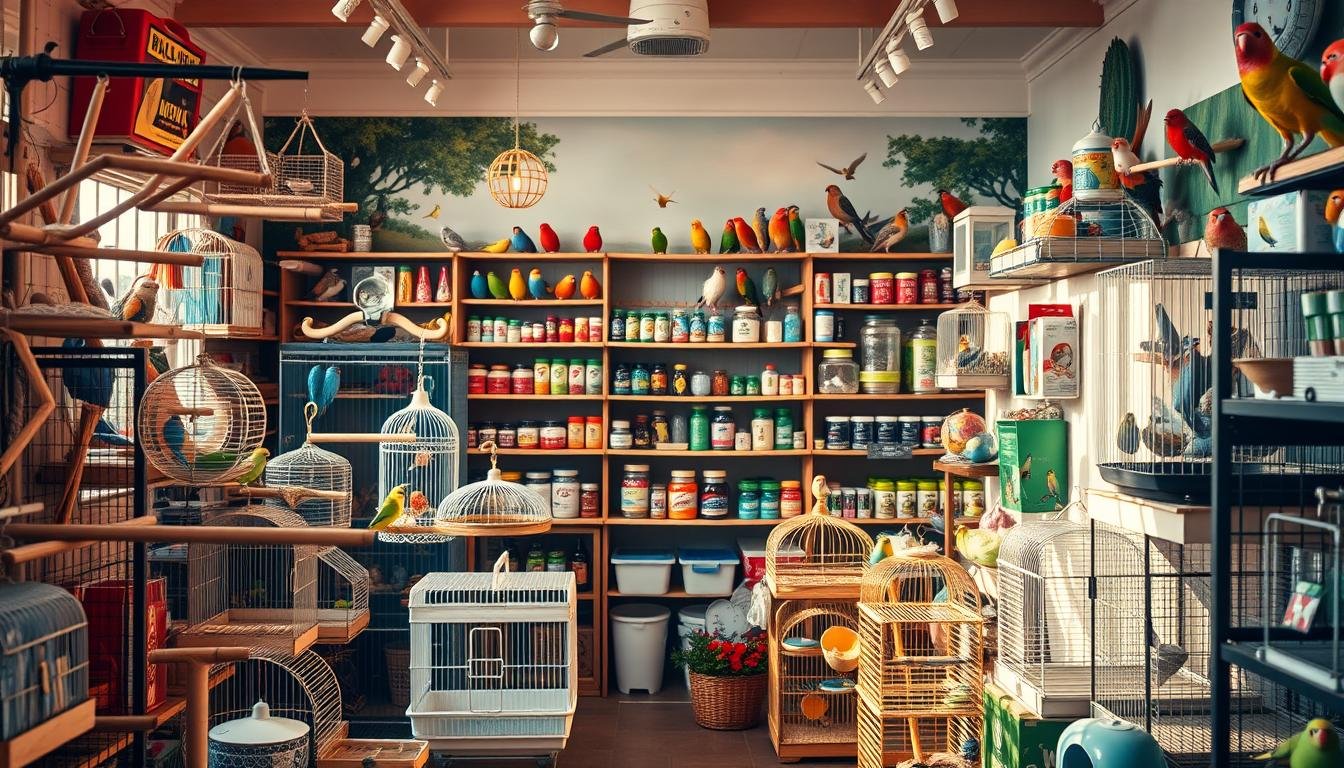
Did you know that nearly 65% of new bird parents return to the pet store within their first week? They forgot essential supplies. I learned this the hard way when I brought home my first feathered companion.
The excitement of choosing my first budgie was quickly replaced by panic. I had the cage but no perches. I had food but the wrong type. The feeling of wanting everything to be perfect for my new friend kept me up that first night.
Looking back, I wish someone had handed me a complete checklist. That’s exactly why I created this guide. Whether you’re considering parakeets, cockatiels, or lovebirds, proper preparation makes all the difference between a stressful experience and a joyful one.
I’ve spent countless hours researching and learning from resources like petzvibes.com. I’m excited to share everything I’ve discovered. By the end of this guide, you’ll have a complete shopping list covering 10 essential categories. You’ll feel confident and ready to welcome your feathered friend home with everything they need to thrive.
Key Takeaways
- Most new bird parents forget critical supplies during their initial setup, leading to multiple store trips
- Beginner-friendly species like budgies, cockatiels, and lovebirds adapt well to home environments with proper preparation
- A complete shopping checklist eliminates stress and ensures your feathered companion’s immediate needs are met
- Understanding that parrots require social interaction, mental stimulation, and emotional care beyond basic supplies
- Proper setup from day one establishes the foundation for your long-term relationship with your pet
- Having all essentials ready before bringing your new companion home reduces their stress during transition
What I Learned About Preparing Before Bringing My Bird Home
Before getting my cockatiel, I made many mistakes. I thought I could just pick up supplies on the way home. This approach almost cost me a lot, and I want to help you avoid it.
I soon realized I didn’t have an avian vet. Most vets don’t know much about birds. Finding one in an emergency is hard. I had to call many clinics, only to find the nearest avian vet was far away and booked.
This taught me a key lesson: preparation is essential. It’s vital for your bird’s health and your peace of mind.
Before getting my cockatiel, I spent two weeks researching. I watched YouTube videos, read forums, and checked trusted sites like petzvibes.com. I learned that different birds have different needs.
Cockatiels can live 15-20 years with proper care. African Greys can live up to 60 years. That’s a big commitment!
Each bird has its own personality. My cockatiel needed daily interaction and got anxious if left alone. I didn’t realize how much time he would need from me.
Here’s what I wish someone had told me about avian supplies and preparation:
- Find your avian vet first – Schedule a meet-and-greet before you bring your bird home
- Research your specific species – Diet, temperament, lifespan, and social needs vary dramatically
- Bird-proof your home – Remove toxic plants, secure windows, cover ceiling fans, and eliminate non-stick cookware
- Understand the mess factor – Seeds, feathers, and droppings will become part of your daily life
- Accept the noise level – Morning chirps and contact calls are non-negotiable with most species
The mess surprised me the most. Seed hulls on my floor every day was different from reading about it. My cockatiel would scream when I left, and I had to change my morning routine.
I started waking up 30 minutes earlier to spend time with him. I rearranged my living room for his cage. I also got a HEPA air purifier because feather dander affects air quality.
The biggest lesson is: impulse decisions don’t work with bird ownership. Birds are intelligent and sensitive, needing your preparation and commitment.
When I brought my cockatiel home, everything was different. I had the right avian supplies and knew what foods were safe. I had my avian vet’s number ready.
Most importantly, I had realistic expectations. I knew he’d be messy, demanding, and sometimes loud. This mental preparation helped us have a good relationship from the start.
If you’re a first-time bird owner, take time to prepare. Your future self and bird will thank you. The effort you put in now will lead to a happy, healthy bird and a stress-free experience.
The Perfect Cage: Size, Style, and Setup Essentials
I remember staring at many bird cages, unsure which one was right for my new bird. A sales associate pushed a small cage, but I did more research. This saved my bird from a bad cage.
The cage is your bird’s home. They spend a lot of time there, so choose wisely.
Your bird cage setup is the most important thing when you bring home a bird. Don’t skimp on size to avoid problems later.
Selecting the Right Cage Dimensions for Your Bird Species
Researching cage sizes, I was surprised by how much space birds need. The sizes online seemed small compared to what stores showed. But, seeing my cockatiel in her big cage made me understand why size matters.
Different birds need different cages. What’s good for a canary won’t work for an Amazon parrot.
Small birds like parakeets and canaries need more space than you might think. Start with a cage that’s at least 18x18x18 inches. A bigger cage is even better for your bird’s activity.
Finches are very active and need horizontal space for flying. A 24x16x16 inch cage is great for them.
Parakeets love to climb, so height is important. A 20x20x30 inch cage with multiple perches is perfect for them.
Medium Birds: Cockatiels, Conures, and Lovebirds
Medium birds need more room than small ones. For cockatiels, conures, and lovebirds, choose a cage that’s at least 24x24x24 inches. But, bigger is always better.
My cockatiel has a 30x20x20 inch cage. She uses every inch, climbing and stretching without touching the bars.
Conures are very energetic and playful. They need cages of at least 24x24x30 inches for their acrobatics.
Large Birds: African Greys, Amazons, and Cockatoos
Large parrots need a lot of space for their health and happiness. African Greys, Amazons, and Cockatoos need cages that are at least 36x36x48 inches. Even bigger is better.
These smart birds spend a lot of time in their cages. They need room for toys, climbing, and perches. A small cage can cause problems.
I visited a friend with an African Grey in a 40x30x60 inch cage. The bird could stretch her wings and climb without limits.
| Bird Size Category | Species Examples | Minimum Cage Dimensions | Recommended Dimensions |
|---|---|---|---|
| Small Birds | Parakeets, Finches, Canaries | 18x18x18 inches | 24x18x24 inches |
| Medium Birds | Cockatiels, Conures, Lovebirds | 24x24x24 inches | 30x24x30 inches |
| Large Birds | African Greys, Amazons, Cockatoos | 36x36x48 inches | 40x36x60 inches |
Bar Spacing, Materials, and Door Placement
Bar spacing is very important to prevent injuries and escapes. It’s a key part of setting up your bird’s cage.
Small birds need bar spacing of 1/2 inch or less to avoid getting stuck or escaping. I’ve heard of finches getting stuck, but proper spacing can prevent this.
Medium birds do well with 1/2 to 3/4 inch spacing. My cockatiel’s cage has 5/8-inch spacing, which is safe and allows for good airflow.
Large parrots need 3/4 to 1 inch spacing. Wider spacing can risk getting stuck, while narrower bars can make the cage feel too small.
Always choose stainless steel or powder-coated cages from reputable makers. Avoid cages with zinc, lead, or rust, as these are toxic to birds.
I made sure my cage was powder-coated with safe paint. Stainless steel cages are more expensive but last longer and are safer.
Door placement is important for easy access. I chose a cage with a big front door for my bird and smaller side doors for cleaning.
The large door should be big enough for you to reach inside for cleaning. I learned this the hard way with a small cage that made cleaning hard.
My Recommended Cages: Prevue Hendryx, Vision, and Yaheetech Models
After researching and talking to bird owners, I found some great cages that won’t break the bank.
Prevue Hendryx Flight Cages are my top pick for durability and design. I’ve had one for three years, and it looks new. The powder-coated finish and horizontal bars are great for climbing.
The Prevue Hendryx cages come in various sizes for different birds. Their medium cages are around 31x20x53 inches, perfect for cockatiels and conures.
Vision bird cages are great for keeping your home clean. They have a high plastic base and sloping sides to catch messes.
I recommended a Vision cage to my neighbor for her lovebirds. She loves how clean her living room stays. The design is a bit different, but it’s worth it.
Yaheetech models offer good value for those on a budget. They are well-made and the right size at a lower price than premium brands.
My cousin got a Yaheetech 36-inch cage for her parakeets and is very happy. The quality is great for the price, making it perfect for beginners.
For more information and reviews, check out https://petzvibes.com. I also use the Chewy app to compare prices and read reviews before buying.
Remember, your cage choice is key to your bird’s happiness. Invest in quality now to avoid problems later.
Food, Feeders, and Hydration Supplies
My vet once told me I was feeding my bird like it was eating candy and chips all day. I thought I knew how to care for my bird, but the colorful seed mix I bought was not enough. This changed how I fed my bird, and I want to help you avoid the same mistake.
Learning about proper bird nutrition changed my bird’s health quickly. His feathers got shinier, he had more energy, and stopped plucking at his chest. The key was the right mix of pellets, fresh foods, and some seeds.
High-Quality Pellets and Seed Mixes
The base of a healthy bird diet is the 60-70% rule. This means 60-70% of your bird’s food should be pellets. These pellets are made to give your bird all the nutrients it needs, unlike seed mixes that birds often pick through.
Seeds should only be 10% of your bird’s diet because they’re very high in fat. Think of them as treats, not meals. The rest should be fresh veggies and fruits, which I’ll talk about next.
I slowly changed my bird from seeds to pellets. I ground pellets into powder and mixed them with his favorite seeds. Each day, I added more pellets until he ate them willingly. Being patient was key.
Brands I Trust: Zupreem, Harrison’s, and Roudybush
Zupreem is great for transitioning picky eaters. Their fruit-flavored pellets are colorful and appealing. They come in different sizes for various bird species and taste great.
Harrison’s is the top choice for bird nutrition. Their organic pellets have no artificial colors, flavors, or preservatives. They’re more expensive but worth it for the quality.
Roudybush offers good nutrition at a lower price. Their pellets are consistent in shape and size, making it easy to monitor food intake. I like their steam-pelleting process that keeps more nutrients than other methods.
Fresh Foods to Stock in Your Kitchen
Fresh veggies and fruits give your bird essential vitamins and minerals. I prep a big batch every Sunday and store it for easy serving. Here’s what I keep ready:
- Dark leafy greens: Kale, spinach, Swiss chard, and dandelion greens (my bird’s favorite)
- Orange vegetables: Carrots, sweet potatoes, butternut squash, and bell peppers
- Cruciferous vegetables: Broccoli, cauliflower, and Brussels sprouts
- Safe fruits: Papaya, mango, banana, apple (no seeds), berries, and melon
- Other favorites: Snap peas, green beans, corn, and cooked beans
I give fruits in moderation because of their sugar. Maybe three times a week as treats. Vegetables can be given daily, and I change them to keep things interesting and nutritious.
Never feed your bird avocado, chocolate, caffeine, onions, garlic, or apple seeds. These are toxic and can be deadly, even in small amounts. I keep a list on my fridge to remember what to avoid.
Stainless Steel Bowls and No-Spill Water Dispensers
After trying plastic and ceramic bowls, I switched to stainless steel bowls. They’re dishwasher-safe, don’t hold odors, and last forever.
I change my bird’s water twice a day with filtered water. Tap water quality can vary, and some has too much chlorine for birds. Using filtered or bottled water solves this problem.
The JW Clean Water Silo Bird Waterer fixed my water bowl spillage issue. It keeps water clean longer and reduces mess. I change it daily, but no more shredded paper and droppings in the water.
For my bigger cage, I use multiple water sources. This makes sure my bird always has fresh water, even during playtime.
Treat Holders and Foraging Feeders
Wild birds spend a lot of time finding food. Domestic birds need this mental challenge too. Foraging feeders are key avian supplies. They make birds work for treats, preventing boredom and destructive behaviors.
I use kabob-style holders to skewer veggies and fruits vertically in the cage. My bird loves pulling them apart, keeping him busy for hours. The stainless steel skewers are easy to clean and don’t rust.
Planet Pleasures foraging toys are a weekly must-buy. These natural fiber balls hide treats inside, requiring my bird to shred and explore. I fill them with pellets, dried fruits, or small nuts for variety.
Acrylic puzzle feeders with sliding doors teach problem-solving skills while dispensing treats. I started with simple designs and added more complex ones as my bird’s skills grew. Watching him solve new challenges is always exciting.
I buy most supplies through Petz Vibes, where I can compare and read reviews. Auto-delivery for pellets and supplies saves time and ensures I never run out.
Perches That Promote Healthy Feet and Natural Behavior
I didn’t realize how important perches were when I first set up my bird’s cage. I thought the dowel perches that came with it were fine. But my avian vet quickly told me they could cause serious foot problems.
She said smooth dowel perches can lead to bumblefoot. Birds need variety in texture, diameter, and material for healthy feet.
This conversation changed how I set up my cage. I learned perches are more than just places for my bird to sit. They’re key for exercise and preventing health issues.

Natural Wood Perches: Manzanita, Java, and Dragonwood
Natural wood perches became a key part of my bird care routine. They’re not like uniform dowels. They have different diameters, which helps my bird’s feet exercise.
Manzanita wood is my favorite. It’s dense and lasts a long time, even with my bird’s chewing. The natural shapes are beautiful and offer climbing fun.
Java wood perches are great for texture and are harvested sustainably. They’re good for grip without being too rough. My bird loves them for active play.
Dragonwood has twisted shapes that encourage climbing. They challenge my bird’s balance and coordination. I place them to create fun paths in the cage.
I buy most of my natural wood perches from PetzVibes. They offer a variety of woods and sizes. Investing in quality perches is essential for my bird’s care.
“In the wild, birds perch on branches of varying diameters, textures, and angles throughout the day. Replicating this variety in captivity is key for healthy feet and preventing arthritis.”
Rope Perches and Flexible Options
Rope perches added a new level to my cage setup. They’re flexible, so I can shape them into different paths. This encourages exploration and exercise.
My bird loves the rope perches for sleeping. They’re softer than wood and provide comfort. Rope perches are great for resting.
But rope perches need regular checks for fraying threads. I replace them weekly to avoid any harm. Safety is more important than saving money.
I choose brands that use bird-safe cotton materials without metal cores. Cheap rope perches can have wire centers that harm birds. Quality is critical.
Rope perches are also great for connecting cage levels. They create challenging routes that keep my bird’s mind active.
Cement and Conditioning Perches for Nail Maintenance
Cement perches help maintain my bird’s nails and beak. The texture gently files down overgrowth as she moves. This reduces the need for manual trimming.
I learned to place cement perches carefully. My best strategy is to put one near the food bowl. This way, my bird naturally conditions her nails.
One mistake I made was placing a cement perch where my bird sleeps. The texture is too rough for long periods. Birds need soft perches for resting.
I also make sure cement perches aren’t the highest in the cage. Birds prefer elevated spots for sleeping. This prevents overuse of the conditioning perches.
The nail maintenance benefits are amazing. My vet says my bird’s nails show healthy wear. This makes caring for my bird easier for both of us.
How Many Perches You Actually Need
I recommend having at least 3-4 perches of different types in your bird’s cage. It’s about variety, not quantity. This promotes healthy movement.
Here’s my current setup that works well:
- One Java wood perch at the highest point for sleeping (my bird’s favorite spot)
- One Manzanita branch at mid-level near toys for active play
- One rope perch creating a curved path between levels
- One cement conditioning perch positioned near the food bowl
Place perches at varying heights and angles to encourage movement. Avoid direct placement above each other to prevent unsanitary conditions. Instead, stagger them horizontally for an interesting landscape.
The goal is to give your bird choices. Sometimes my bird prefers rope perches; other times, she loves climbing the Manzanita branch. This variety prevents boredom and keeps her feet exercised.
Make sure perches don’t block food bowls, water dispensers, or flight paths. Your bird needs clear space to move comfortably. Overcrowding limits natural behavior.
Understanding the importance of perch variety has been key to my bird care education. What seemed minor at first has become essential for my bird’s health and happiness. Investing in quality, varied perches is one of the most important decisions I’ve made as a bird owner.
Toys and Enrichment Items Your Bird Will Love
Watching my bird ignore every pretty toy I bought taught me that enrichment is about function, not aesthetics. I spent my first month filling the cage with colorful plastic toys that looked adorable in photos. My bird gave them one glance and never touched them again.
That experience taught me the most important lesson about bird care basics: toys must engage natural instincts. Birds in the wild spend hours foraging, climbing, and chewing. Our job is to recreate those activities indoors.
Understanding what your feathered friend actually needs makes shopping for toys much easier. I now look for items that encourage natural behaviors, not just decoration.
Chewing Toys for Different Beak Sizes
Chewing is essential for beak health and mental stimulation. Birds need to wear down their beaks naturally, and chewing toys provide the perfect outlet. Without proper chewing opportunities, birds may develop destructive behaviors like cage bar biting or furniture destruction.
The key is matching toy hardness to beak size and strength. I learned this after buying rock-hard wood blocks for my cockatiel, who couldn’t make a dent in them.
For small beaks like parakeets, finches, and canaries, choose softer materials. Balsa wood, thin vine balls, and paper-based toys work perfectly. These birds enjoy shredding more than heavy chewing.
Medium beaks including cockatiels, conures, and lovebirds need medium-density options. Java wood pieces, thicker rope toys, and layered cardboard provide the right resistance. My cockatiel absolutely loves the Super Bird Creations Mini Flying Trapeze toy with its combination of wood and rope.
Large beaks like African Greys, Amazons, and Cockatoos require serious chewing power. Manzanita blocks, thick leather strips, and hardwood branches satisfy their need to destroy. The Planet Pleasures Pineapple Forager made from natural palm leaves is perfect for these powerful beaks.
I rotate between different textures and hardness levels to keep things interesting. This variety prevents boredom and ensures complete beak maintenance.
Foraging Toys and Puzzle Feeders
Foraging toys changed everything for my bird’s behavior. Wild birds spend 60-80% of their day searching for food. Captive birds need that same mental challenge.
When I introduced foraging toys, my bird’s screaming decreased dramatically. He was too busy solving puzzles to demand constant attention. This aspect of feathered friend care cannot be overstated.
Different foraging styles keep birds engaged:
- Hidden compartment toys like the Creative Foraging Systems Foraging Wheel require birds to open doors and flip lids
- Puzzle boxes such as the JW Pet Activitoy Birdie Puzzle Box need manipulation and problem-solving
- Shredding foragers including paper-wrapped treats satisfy destruction instincts
- Hanging foragers like the Bonka Bird Toys Foraging Star combine physical and mental exercise
Budget-conscious owners can create DIY foraging toys easily. I stuff paper cups with treats and crumpled paper, then hang them in the cage. Cardboard tubes filled with shredded paper and hidden snacks work wonderfully too.
The goal is making birds work for rewards. This taps into their natural food-seeking behavior and provides hours of entertainment.
Swings, Ladders, and Climbing Structures
Physical exercise is just as important as mental stimulation. Swings, ladders, and climbing structures encourage movement throughout the cage.
My bird spends his evenings gently swinging while preening. It’s his relaxation routine. The Prevue Pet Products Naturals Rope Ladder connects different cage levels and gets constant use during playtime.
The JW Birdie Basketball Bird Toy became an instant favorite in my household. This interactive toy strengthens the human-bird bond through play. My bird learned to drop the ball through the hoop, and now he shows off this trick to visitors.
Climbing structures should vary in difficulty. Easy rope ladders build confidence, while challenging branch networks provide advanced exercise. I positioned a Java wood climbing tree in one corner that offers multiple perching levels.
These avian supplies promote healthy weight maintenance and prevent obesity. Birds that exercise regularly also sleep better and display fewer behavioral problems.
Safe Materials vs. Dangerous Toy Components
Learning which materials are safe versus dangerous prevented several close calls with my bird. Not all pet store toys meet safety standards, so I became my own quality control inspector.
Here’s what I check before introducing any new toy:
| Safe Materials | Dangerous Materials | Why It Matters |
|---|---|---|
| Untreated wood (pine, balsa, manzanita) | Zinc and galvanized metal | Heavy metal toxicity can be fatal |
| Vegetable-tanned leather | Lead-containing items | Causes neurological damage |
| Natural paper and cardboard | Toxic paints and dyes | Ingestion leads to poisoning |
| Stainless steel hardware | Brittle plastic pieces | Choking and crop impaction risks |
I avoid anything with small parts that could be swallowed. Bells should have sealed clappers, not loose pieces inside. Chains must be welded, not twisted wire that can unravel.
Natural materials require extra verification. I use apps like PlantSnap and PictureThis to identify branches before giving them to my bird. These apps quickly confirm whether wood types are safe or toxic.
Quick-link connectors should be stainless steel only. I check for sharp edges by running my finger along every surface. If it could scratch me, it could injure my bird.
The investment in safe, quality toys pays off through your bird’s long-term health. Cheap toys with questionable materials aren’t worth the risk.
Rotating Toys to Prevent Boredom
Even the best toys become boring when available constantly. My rotation system keeps my bird engaged without constantly buying new items.
I divided my toy collection into three sets. Each set stays in the cage for one week before I swap it out. This weekly rotation makes old toys feel new again.
The system works because birds have short-term memory for objects. A toy that disappeared three weeks ago seems brand new when it reappears. This approach saves money while maintaining high enrichment levels.
During rotation, I thoroughly clean each toy set. I inspect for wear, loose parts, or damage. Anything questionable gets repaired or discarded immediately.
I also vary toy placement during rotations. The same toy in a different cage location provides a fresh experience. My bird investigates familiar toys like they’re new discoveries.
For current toy reviews and updated safety ratings, I regularly check PetzVibes. They maintain complete testing data and recall information that every bird owner should know.
Starting with 9-12 quality toys allows for effective rotation. This number provides enough variety without overwhelming your bird or your budget. As you learn your bird’s preferences, you can adjust the collection.
Cage Accessories Every First-Time Bird Owner Needs
I was wrong to think I could save money by skipping cage accessories. They make a big difference in daily care. After trying many things, I found the must-haves for your bird cage setup.
These accessories are like the supporting cast in your bird’s home. They solve real problems every day.
Cage Liners: Paper, Corn Cob, or Pelleted Options
Choosing the right cage liner was a big debate. The type you pick affects cleaning and health checks.
I started with newspaper because it’s free and easy to find. It’s great for watching droppings, which is a key health sign. Any changes in droppings show up right away.
After trying different liners, here’s what I found:
| Liner Type | Advantages | Disadvantages | Best For |
|---|---|---|---|
| Plain Paper/Newspaper | Inexpensive, easy droppings monitoring, quick daily changes | Less attractive appearance, needs frequent replacement | Budget-conscious owners who prioritize health monitoring |
| Commercial Cage Paper | Clean appearance, grease-resistant, pre-cut sizes available | More expensive than newspaper, same replacement frequency | Owners wanting neat presentation with easy monitoring |
| Corn Cob Bedding | Natural look, controls odor initially, some absorption | Mold risk when wet, hides droppings, ingestion danger | Not recommended due to health risks |
| Pelleted Bedding | High absorption, controls odor well, lasts longer | Expensive, obscures droppings, harder to clean fully | Larger aviaries where daily monitoring is less critical |
I avoid corn cob bedding because it can grow mold and bacteria. It can also cause respiratory issues and impaction if eaten.
I change paper liners every morning. It takes less than two minutes and gives me a quick health check. If you notice any big changes in droppings, you can catch problems early.
Cuttlebones, Mineral Blocks, and Calcium Supplements
I thought cuttlebones were just for show, but they’re really important. They help with bone health and egg formation, which is key for female birds.
Calcium deficiency can lead to serious problems like egg binding. This is a life-threatening issue that proper calcium can prevent.
I attach a cuttlebone to the cage with a metal clip. My bird uses it for calcium and to condition her beak. You’ll see scrape marks where she’s been working on it.
Not all birds like cuttlebones. Some prefer mineral blocks, which offer more minerals. I’ve tried Manu Mineral Block and seen good results with birds who ignore cuttlebones.
If your bird won’t use either, your vet might suggest calcium supplements. Always check with a vet before adding supplements to your feathered friend care routine.
I offer both a cuttlebone and a mineral block. My bird chooses which one she wants, ensuring she gets what she needs.
Cage Covers for Establishing Sleep Routines
This accessory changed my bird’s behavior for the better. I wish I’d started using it from the beginning. Birds need 10-12 hours of uninterrupted darkness every night for hormonal balance and to prevent behavioral issues.
Without a consistent sleep schedule, birds can become cranky and develop hormonal aggression or chronic egg-laying problems. My bird started screaming at dawn because of ambient light.
A proper cage cover blocks light while allowing airflow. I made the mistake of using blackout curtains, but they trapped heat. A cover made from breathable fabric works much better.
I use a breathable cotton cover from Prevue Pet Products. I put it on around 8 PM every night. This signals bedtime, and my bird settles down right away.
The cover also reduces nighttime disturbances. It prevents startling if someone walks by or a car’s headlights shine through the window. Your bird feels safe and secure in her dark space.
Choose a cover made from breathable fabric. Never use plastic or non-porous materials. Proper ventilation prevents overheating and ensures fresh air circulation.
Travel Carriers for Vet Visits
I learned the hard way that a proper travel carrier is essential. My bird injured her foot, and I didn’t have a carrier ready. We ended up in a chaotic cardboard box situation.
A dedicated travel carrier is a must-have before an emergency happens. You’ll use it for vet visits, emergencies, and during evacuations or household emergencies.
Here’s what makes a quality travel carrier:
- Secure latches that won’t pop open if dropped or jostled
- Adequate ventilation on multiple sides for airflow
- Easy-to-clean surfaces that can be wiped down or disinfected
- Appropriate size where your bird can sit comfortably but won’t get tossed around
- Multiple perch options or textured bottom for secure footing
For smaller birds like budgies and cockatiels, I recommend the Prevue Travel Carrier. It’s sturdy, well-ventilated, and small enough to feel secure.
Medium to large parrots need something more substantial. The Celltei Pak-o-Bird is expensive but worth it for frequent travel. For occasional vet visits, the Midwest Avian Adventures carrier offers great value with proper ventilation and security.
Get your bird comfortable with the carrier before you need it. Leave it in the room with the door open, put treats inside, and let your bird explore it. When you actually need to use it, your bird won’t be stressed.
I keep a small perch, a water cup, and millet spray packed with my carrier. This way, I’m always ready. During longer trips, having familiar items helps reduce stress.
These accessories might not be exciting, but they’re essential for daily care. For more detailed comparisons and updated recommendations, check out petzvibes.com. Investing in proper avian supplies from the start saves you money, time, and stress.
Grooming Tools and Basic Health Supplies
My first month as a bird owner was scary. I learned the importance of being ready with the right tools and supplies. I saw my parrot’s nail break and bleed, and I had nothing to stop it. This taught me how critical bird care basics are.
Now, I keep a grooming kit and first aid supplies near my bird’s cage. These tools have made stressful moments easier. Here’s what I’ve learned about keeping your supplies organized and ready.
Nail Clippers and Styptic Powder
It’s wise to have a vet do your bird’s first few nail trims. This teaches you the right technique and shows you where the blood vessel ends. But, you’ll need your own supplies at home for regular care and emergencies.
I prefer scissor-style clippers for my medium-sized parrot because they give better control and visibility. Guillotine clippers are better for smaller birds like budgies and cockatiels. Choose what feels right in your hand and fits your bird’s nail size.
Styptic powder is a must-have in your supplies. I accidentally cut too close and hit the quick once. Luckily, I had Kwik Stop styptic powder ready. It stopped the bleeding quickly.
Keep your styptic powder where you can easily get to it. I store mine in a small container next to the cage. Replace it every year or so, as it can lose effectiveness over time.
Bird-Safe Grooming Spray and Bathing Dishes
Regular baths keep your bird’s feathers healthy and their skin moisturized. I’ve learned to respect my bird’s bathing preferences, making grooming time enjoyable for both of us.
My parrot likes three different ways to bathe. Sometimes, he splashes in a shallow ceramic dish at the cage bottom. Other times, he prefers a misting with a clean spray bottle. On special days, he enjoys a shower on a special perch.
I use bird-safe grooming spray between baths to keep feathers conditioned. Never use human shampoos, conditioners, or styling products on birds. These can be toxic. Use products made for avian use, like Mango Pet Focus or Avitech Featheriffic.
I made bathing fun by using positive reinforcement. I started with brief misting sessions and gave treats right after. Now, he gets excited when he sees the spray bottle.
Building Your Avian First Aid Kit
Every bird owner needs a first aid kit ready to go. I keep mine in a clear plastic container labeled with a red cross, near my bird’s cage. This way, you don’t waste time searching for supplies during emergencies.
Emergency Supplies to Keep on Hand
Here’s what I keep in my bird’s first aid kit, based on my vet’s advice and my experiences:
- Styptic powder for stopping bleeding from broken blood feathers or nails
- Sterile gauze pads in various sizes for wound care
- Self-adhesive bandages (vet wrap) that don’t require clips or tape
- Avian-safe antiseptic solution like chlorhexidine for cleaning minor wounds
- Tweezers and small scissors for removing debris or broken feather shafts
- Penlight or small flashlight for examining your bird closely
- Emergency contact numbers including your avian vet and 24-hour emergency clinic
- Copies of medical records and current medication information
- Small towel for safely restraining your bird if needed
- Heating pad to provide warmth if your bird goes into shock
I check my first aid kit every three months to replace expired items and ensure everything is accessible. This habit gives me peace of mind, knowing I’m prepared.
When to Call Your Avian Vet
Birds hide illness well as a survival instinct. By the time symptoms show, the condition may be serious. Watch for these warning signs that need immediate vet attention:
- Fluffed feathers combined with lethargy or sitting motionless
- Respiratory distress including open-mouth breathing, tail bobbing, or wheezing
- Bleeding that won’t stop after applying styptic powder
- Sudden behavior changes like aggression, depression, or loss of balance
- Not eating or drinking for more than 12-24 hours
- Sitting at the cage bottom when your bird normally perches
- Discharge from eyes, nose, or beak
- Abnormal droppings that are consistently watery, discolored, or absent
- Vomiting or regurgitation (different from normal feeding behavior)
- Visible injuries including broken wings, legs, or severe wounds
If unsure, call your avian vet. I’ve never regretted a precautionary call, but I’ve regretted waiting too long. Most avian practices offer advice over the phone and help determine if immediate care is needed.
Digital Thermometer and Kitchen Scale for Health Monitoring
The most valuable tool in my bird care basics is a simple digital kitchen scale. Weight loss may be an early signal of illness in birds, often before other symptoms appear.
I weigh my bird every Sunday morning before breakfast. This takes less than two minutes but gives me valuable health data. I record each weight in a notebook and also use the BirdLog app on my phone to track trends over time.
Even a 10% weight loss can indicate serious illness in birds. My parrot normally weighs around 280 grams. If his weight drops to 252 grams or below, I contact my avian vet immediately, even if he seems fine.
For accurate weighing, I use a digital kitchen scale that measures in grams and has a tare function. I place a small perch on the scale, zero it out, then coax my bird onto the perch with a treat. You can find excellent options for under $20, and I’ve found detailed reviews at https://petzvibes.com that compare different models suitable for various bird sizes.
Regarding digital thermometers, while they’re useful, taking a bird’s temperature is tricky and potentially stressful. I leave temperature checks to my veterinarian during wellness exams. But, I do use an infrared thermometer to monitor my bird’s environment temperature, ensuring it stays within the comfortable 65-80°F range.
Consistent health monitoring has helped me catch problems early. Last winter, I noticed my bird’s weight slowly declining over three weeks despite normal eating behavior. My vet found an early respiratory infection that we treated successfully because we caught it before severe symptoms developed. This experience shows why regular weighing is so important in feathered friend care.
| Health Monitoring Tool | Frequency of Use | What It Detects | Approximate Cost |
|---|---|---|---|
| Digital Kitchen Scale | Weekly | Weight changes indicating illness, nutritional issues, or egg production | $15-$30 |
| Visual Daily Inspection | Daily | Feather condition, droppings, behavior changes, appetite | Free |
| Infrared Thermometer | As needed | Environmental temperature problems affecting bird comfort | $20-$40 |
| Avian Vet Wellness Exam | Annually | Internal health issues, bloodwork abnormalities, early disease | $150-$300 |
Investing in proper grooming tools and health monitoring equipment protects your bird’s wellbeing and your peace of mind. These supplies have made me a more confident, prepared bird owner. Start building your collection before you need it, and your future self will thank you during those inevitable moments when quick action makes all the difference.
Cleaning Products and Maintenance Tools
I wasn’t ready for how messy birds could be when I first got one. The seed husks, droppings, and food splatters surprised me. I learned that keeping a bird and a home clean is key.
Having the right tools makes cleaning easier. I’ve gathered a cleaning kit that’s always ready. It helps me keep my bird and home clean without spending too much time.
Safe and Effective Cleaning Solutions
Choosing the right cleaning products is critical for bird care. Birds have sensitive respiratory systems. What’s safe for us can harm them.
I learned this the hard way with a kitchen cleaner near my bird’s cage. My parrot showed signs of respiratory distress quickly. I never use cleaners with ammonia, bleach, or artificial fragrances near my bird.
I use Poop-Off spray for daily spot cleaning. It’s an enzymatic cleaner that works well on dried droppings. I spray, wait 30 seconds, and wipe clean. It’s safe for birds and doesn’t leave residue.
For deep cleaning, I trust F10 disinfectant. It’s a veterinary-grade product that kills bacteria and viruses without harming birds. I dilute it according to the package instructions.
I also make a DIY cleaning solution for everyday use. I mix apple cider vinegar with water in a spray bottle. It’s safe and effective for cleaning perches, bars, and dishes.
The key to safe bird cleaning is simple: if it has a strong smell or requires gloves, it doesn’t belong near your bird.
Always rinse surfaces thoroughly after cleaning. Even bird-safe solutions should be completely removed before your bird touches the area.
Essential Maintenance Equipment
Having the right tools makes cleaning easier. I’ve gathered a cleaning kit that’s always ready. It helps me keep my bird and home clean without spending too much time.
I use old toothbrushes for cage cleaning. They’re perfect for scrubbing bars, corners, and tight spots. I keep about five on hand for a clean brush every time.
For removing stuck-on food and droppings, I use plastic scrapers. Metal scrapers can scratch surfaces and hide bacteria. Small scrub brushes with stiff bristles are great for cleaning perches and toys.
A handheld vacuum has been a game-changer for me. I use a BLACK+DECKER dustbuster for bird mess. It quickly picks up debris before it spreads. I vacuum around the cage every morning.
One tip that saves me time is using the “blowing method” for seed husks. I take the dish outside and blow across the surface. The husks fly away, leaving the seeds. This prevents waste and keeps food fresh.
You can find reviews of these avian supplies and more recommendations at petzvibes.com. I regularly update my favorite cleaning products there.
Your Complete Cleaning Schedule
Consistency is key to manageable bird care. I used to feel overwhelmed by cleaning. Now, I follow a schedule that breaks tasks into daily, weekly, and monthly routines.
This schedule keeps my bird’s environment clean without taking over my weekend. Here’s my cleaning schedule:
| Frequency | Tasks | Time Required | Products Used |
|---|---|---|---|
| Daily | Change food and water, remove cage liner, wipe dishes, spot-clean droppings, sweep floor, quick health check | 15-20 minutes | Paper towels, vinegar solution, Poop-Off spray |
| Weekly | Full cage scrub-down, wash all dishes in hot soapy water, clean perches, rotate and wash toys, vacuum thoroughly | 45-60 minutes | Dish soap, vinegar solution, scrub brushes, vacuum |
| Monthly | Disinfect entire cage with F10, inspect for damage or rust, deep-clean all accessories, wash cage cover, reorganize layout | 90-120 minutes | F10 disinfectant, toothbrushes, scrapers, repair tools |
I fit this schedule into my life by doing daily tasks with my coffee. Weekly cleaning is on Sundays, and monthly deep cleaning is on the first Saturday of each month.
The daily visual health check is critical. While changing food and water, I observe my bird’s droppings, activity level, and appetite. This helps me catch health issues early.
During weekly cleanings, I remove my bird to a safe area. This keeps them safe from cleaning products and gives them enrichment time. I always ensure the cage is dry before returning my bird to prevent respiratory issues.
Managing Bird Dander and Dust
Air quality is important for bird care. Some birds produce a lot of powder down, a fine dust that coats everything.
Cockatiels, cockatoos, and African Greys are known for this. When I got my first cockatiel, I was shocked at how quickly surfaces became covered with a fine white powder. My allergies worsened, and I worried about my bird’s respiratory health too.
Investing in a quality HEPA filter air purifier changed everything. I run a Levoit Core 400S continuously in my bird room. HEPA filters capture 99.97% of particles as small as 0.3 microns, including bird dander, feather dust, and airborne bacteria.
Important warning: Never use ionizing air purifiers or ozone generators around birds. These produce harmful chemicals that can damage your bird’s delicate respiratory system. Stick with mechanical HEPA filtration only.
I position the air purifier about 6-8 feet from the cage, running it 24/7 on medium setting. I change the filters every three months instead of the recommended six months because of the heavy dust load from my birds.
Regular cleaning and continuous air filtration create the healthiest environment for you and your bird. These aren’t optional luxuries—they’re essential for responsible bird ownership that protects respiratory health and prevents disease.
Training Supplies and Digital Tools I Use Daily
Using both old and new methods has changed how I care for my bird. At first, I only used physical tools and talked to people in person. Now, I mix old training ways with new apps that help track health and learn bird care basics. These tools have made me a better caretaker, ready for anything.
Let me share the key supplies and apps I use every day with my bird.
Clicker Training Kits and Target Sticks
Clicker training was a game-changer for me. It uses a small device that makes a sound to mark good behavior. It’s simple yet very effective for teaching birds.
Here’s how it works: you click when your bird does something good, then give them a treat. The click links the sound to the reward. Your bird learns to associate it with good things.
I started with a basic clicker kit and a guide. Soon, my bird got the connection. Target sticks are also key—they help teach your bird to follow and touch a point. This is the start of teaching them to step up, turn around, and come back to their cage.
My top parrot training tips include keeping sessions short. I train for 10-15 minutes, ending on a positive note. Birds remember well but focus for only a short time, so short, frequent sessions work best.
I also watch my bird’s body language closely. If they look away or show disinterest, I stop. Training should be fun and rewarding, not stressful.
For more parrot training tips and clicker kits, check out https://petzvibes.com. The cost is low, but the results are amazing.
Helpful Apps for Bird Care Tracking
Digital tools have changed how I care for my bird. I used to rely on physical supplies and advice from others. Now, I use apps to track health, order supplies, and learn bird care basics. These tools have made me a more confident caretaker.
Let me share the apps and supplies that are part of my daily routine with my bird.
BirdLog for Health and Behavior Monitoring
BirdLog and similar apps are my digital diary for tracking my bird’s health. I record his weight, behavior, what he eats, and even his droppings. Monitoring bird poop might sound strange, but it’s a great health indicator.
The app shows charts and patterns over time, making it easy to spot problems. When my bird seemed less energetic, the app showed his weight had dropped. This led to a vet visit that caught a minor infection early.
My vet loves the detailed information I bring to appointments. Instead of relying on memory, I show concrete data about bird care basics like eating habits and behavior. This helps vets make better decisions.
Avian Medicine for Emergency Reference
Emergency apps have saved me from panic many times. They provide quick access to lists of toxic foods, common illness symptoms, and basic first aid for birds. When my bird got into something he shouldn’t have, I checked the app to see if it was dangerous.
Having reliable information about feathered friend care available instantly gives me peace of mind. I also appreciate the searchable databases of safe versus toxic plants, foods, and household items. Before bringing anything new near my bird’s area, I do a quick search to verify safety.
These apps include emergency contact information for avian vets and poison control hotlines. I’ve customized mine with my specific vet’s after-hours number so everything I might need in a crisis is in one place.
Chewy and Amazon Apps for Recurring Supply Orders
Managing supplies used to mean last-minute pet store runs. Now, I use the Chewy and Amazon apps to set up auto-delivery schedules for everything my bird needs regularly. This ensures I never run out of essentials and often get better prices than local pet stores.
I’ve set up recurring orders for pellets, natural perches, toys, and cage liners that arrive every six weeks. The apps send reminders before each shipment, giving me a chance to adjust quantities or add items. This convenience has greatly simplified my approach to bird care basics.
The subscription options usually include discounts, and free shipping thresholds are easy to meet when ordering bird supplies in bulk. I also appreciate reading verified customer reviews before trying new products—other bird owners share honest feedback about what worked or didn’t work for their feathered companions.
Books and Online Resources for Continued Learning
My education as a bird owner didn’t stop after bringing my feathered friend home. I continue learning through books, websites, and online courses that deepen my understanding of avian behavior, health, and training. Bird care basics evolve as research uncovers new information about nutrition, enrichment, and wellness.
Some of my favorite resources include detailed care guides specific to my bird’s species, behavior books written by avian experts, and nutrition guides that explain the science behind healthy diets. I also regularly visit https://petzvibes.com for updated articles about bird care, product reviews, and parrot training tips from experienced owners.
I recommend building a small reference library with at least one care book and one behavior guide. These become invaluable when you encounter new situations or want to understand why your bird acts certain ways. Knowledge truly empowers better feathered friend care.
Online webinars and video courses offered by avian veterinarians and certified bird trainers have also expanded my skills. Many are free or low-cost, making professional-level education accessible to regular bird owners like me.
Joining Communities on Reddit and Facebook
Connecting with other bird owners has been surprisingly valuable for both practical advice and emotional support. Communities like r/parrots on Reddit and species-specific Facebook groups have helped me through tough times and celebrated happy moments with people who truly understand.
These communities offer real-world parrot training tips and troubleshooting advice you won’t find in books. When my bird developed a new behavior I didn’t understand, posting a video to my Facebook group resulted in dozens of helpful responses from experienced owners who had dealt with the same thing.
I’ve learned to identify quality communities by looking for groups with active moderators, evidence-based advice, and members who cite veterinary sources. Unfortunately, some groups spread misinformation, so I cross-reference advice with veterinary resources before implementing suggestions.
The emotional support aspect shouldn’t be underestimated either. Bird ownership comes with unique challenges that non-bird people don’t always understand. Finding a community that celebrates your bird’s first successful trick or offers sympathy when you’re dealing with screaming phases makes the journey less lonely. Sharing experiences about feathered friend care with people who genuinely care creates friendships I truly value.
Here’s a comparison of the most helpful bird owner communities I’ve found:
| Community Platform | Best Features | Ideal For | Activity Level |
|---|---|---|---|
| r/parrots (Reddit) | Quick responses, diverse species representation, voting system highlights best advice | General questions and daily sharing | Very High |
| Species-Specific Facebook Groups | Detailed conversations, experienced breeders and long-term owners, photo sharing | Species-specific health and behavior questions | High |
| Avian Avenue Forums | Organized by topic, searchable archives, veterinary professional participation | In-depth research and complex problem-solving | Moderate |
| Local Bird Clubs | In-person meetups, shared resources, local veterinary recommendations | Building local connections and finding bird sitters | Varies by Location |
The combination of training supplies, digital tools, educational resources, and community connections has made me a more confident and capable bird owner. These modern approaches to traditional bird care create a support system that benefits both me and my feathered companion every single day.
Conclusion
This shopping list might seem too much at first. I felt the same way when I started with my bird. But, you don’t need to buy everything right away.
Start with the basics: a good cage, quality food, clean water, and a few toys. Add more as you learn what your bird likes. I found that caring for my bird became easier over time.
I made mistakes, like buying toys my bird didn’t like. But, that’s okay. What’s important is that you’re trying your best to care for your bird.
Getting everything ready takes time and effort. But, the joy and companionship my bird brings are worth it. Watching him grow and learning to trust me has been amazing.
By learning and preparing, you’re already doing great. Keep this guide handy and visit Petzvibes for more tips and support.
Believe in yourself. Your bird will do well because of your hard work. Enjoy every moment with your feathered friend.
FAQ
How much should I budget for my first-time bird owner shopping list?
Budget 0-0 for your first bird. The cage is the biggest expense, costing 0-0. Add for food, for perches, and for toys. Don’t forget for accessories.
I spent 0 on my cockatiel’s setup. This included a quality cage, perches, toys, food, and grooming tools. You can find deals on Chewy and Yaheetech cages. Remember, monthly costs for food, toys, and vet care are -.
What are the best beginner bird species for first-time owners?
Parakeets, cockatiels, and green-cheeked conures are great for beginners. I chose a cockatiel for its social nature and quietness. Parakeets are smaller and cost less but are playful and trainable.
Cockatiels are more affectionate, while conures are playful but challenging. Avoid large parrots like African Greys and Amazons for beginners.
Do I really need to buy a cage before bringing my bird home?
Yes, you need a cage ready before bringing your bird home. A proper cage setup takes time. It includes perches, food dishes, toys, and a cage liner.
Set up the cage 2-3 days before your bird arrives. This ensures everything is safe and ready. Resources like https://petzvibes.com can help with setup.
What’s the difference between pellets and seed mixes for a healthy bird diet?
Seeds are unhealthy for birds, high in fat and lacking nutrients. Pellets provide balanced nutrition. I switched my cockatiel to pellets and saw improved health.
The ideal diet is 60-70% pellets, 20-30% veggies and fruits, and 10% seeds. This prevents obesity and health issues. Transitioning to pellets takes patience.
How many toys does my bird actually need?
Quality is more important than quantity. Keep 4-6 toys in your bird’s cage. Include chewing, foraging, and interactive toys.
Too many toys can be overwhelming. Rotate toys weekly to keep things interesting. Use resources like https://petzvibes.com for safety ratings.
Can I use regular household cleaning products around my bird?
No, birds are sensitive to cleaning fumes. Avoid ammonia, bleach, and scented products. Use bird-safe cleaners like Poop-Off and F10.
Keep your bird’s room well-ventilated. Only use products labeled as bird-safe. Strong smells or chemical warnings mean it’s not safe for your bird.
How often do I need to take my bird to an avian vet?
Schedule annual wellness exams for your bird. Find an avian vet before you need one. The first visit should be within the first week for a health check.
Healthy birds need annual checkups. Take your bird to the vet if you notice any warning signs. Keep your vet’s emergency number handy.
What’s the best way to bird-proof my home?
Bird-proofing is essential. Cover ceiling fans and windows to prevent accidents. Remove toxic plants and secure cabinets and drawers.
Use resources like https://petzvibes.com for bird-proofing guides. Keep your bird’s room well-ventilated and free from hazards.
How do I transition my new bird from seeds to a pellet-based diet?
Transitioning to pellets takes patience. Start by mixing pellets with seeds. Gradually increase the pellet ratio over weeks.
Be patient and consistent. Use high-quality pellets like Zupreem FruitBlend. Monitor your bird’s weight daily to ensure they’re eating enough.
What are the essential parrot training tips for beginners?
Positive reinforcement is key. Use a clicker and treats to reward good behavior. Keep training sessions short and end on a positive note.
Never punish or yell. Consistency is important. Start with basic commands like “step up.” Use resources like https://petzvibes.com for training guides.
Should I get one bird or two for companionship?
It depends on your lifestyle. I started with one cockatiel for dedicated interaction. Single birds need 2-3 hours of interaction daily.
If you work long hours, two birds might be better. But they’ll bond more with each other. Start with one bird and establish a strong bond before getting a second.
What’s the most important item on this first-time bird owner shopping list?
The cage is the most important item. Choose the largest, highest-quality cage you can afford. A proper cage setup is essential for your bird’s health.
Undersized cages can lead to health problems. Use resources like https://petzvibes.com to compare cage options.
How do I know if my bird is healthy or sick?
Learn to read bird health signals. Watch for changes in movement, droppings, breathing, and appetite. Monitor weight weekly.
Warning signs include fluffed feathers, tail bobbing, and discharge. Use apps like BirdLog to track observations. Consult your vet for any concerns.
Can I use apps to help manage my bird care routine?
Yes, apps can help. Use the Chewy app for orders and the BirdLog app for tracking. Apps like Amazon can help with toy orders.
Keep emergency vet information handy. Online communities like Facebook groups and Reddit can offer advice. https://petzvibes.com is a valuable resource for care guides and safety information.