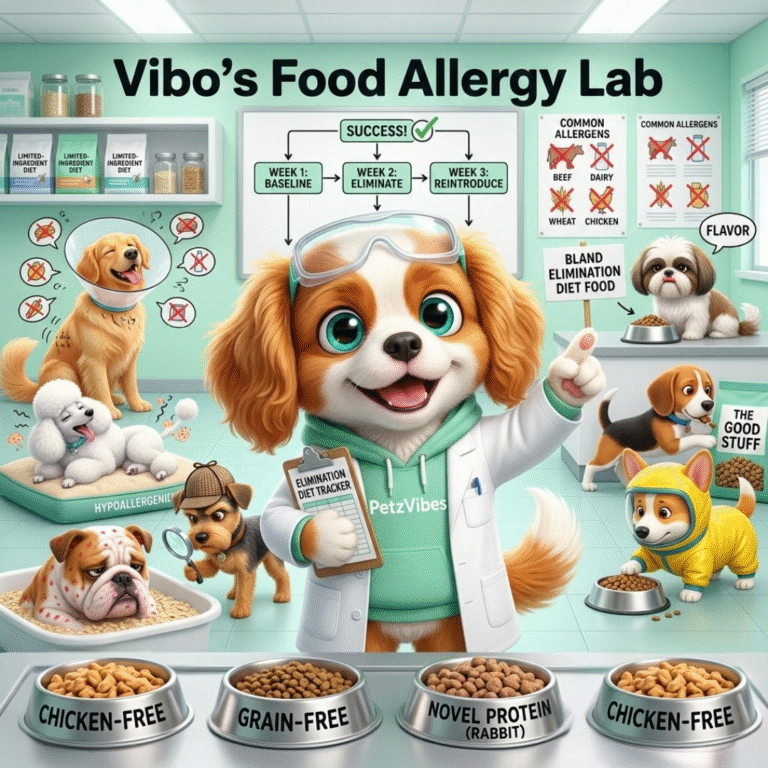

Grain-Free vs. Grain-Inclusive What’s Best for Your Dog
Did you know that 67% of pet parents feel confused when choosing between different dog food formulas? I was one of them.
Last year, I stood in the pet store aisle for nearly 30 minutes. My golden retriever, Bailey, needed a new food. The bags all looked impressive with their fancy labels and promises.
Some claimed grain-inclusive formulas were natural and wholesome. Others insisted their recipes without grains were healthier. I felt overwhelmed and, honestly, a bit frustrated.
I wanted the absolute best for Bailey. She’s family, after all. But the conflicting advice from breeders, pet store workers, and online forums made canine diet choices feel impossible.
So I did what any concerned dog parent would do. I researched everything about dog nutrition. I talked with three different veterinarians.
Now I’m sharing what I learned. This guide will help you make an informed pet food comparison without the confusion I experienced.
Key Takeaways
- Most dog owners struggle with choosing between different food formulas due to conflicting information from various sources
- Both grain-inclusive foods and those without grains can provide complete nutrition when properly formulated
- Understanding your individual dog’s nutritional needs matters more than following trendy feeding recommendations
- Consulting with veterinarians provides science-based guidance for your specific pet’s health situation
- Quality ingredients and balanced nutrition are more important than whether a formula contains grains or alternative carbohydrates
- Making informed decisions requires looking beyond marketing claims to understand actual nutritional content
1. Why I Started Questioning Everything About My Dog’s Food
My journey into questioning dog food options began on an ordinary Tuesday. My Golden Retriever, Bailey, refused to eat her dinner for the third night in a row. I had recently switched her to an expensive grain-free brand, thinking it was better.
But Bailey turned her nose up at the new food, which cost twice as much as her old kibble. This made me wonder if I was really helping her or just following trends.
The Moment I Realized I Was Just Following Trends
I switched to grain-free food without doing my homework. A pet store employee convinced me it was “more natural” and “what wolves would eat.” The packaging looked good, and the price suggested quality. I thought I was making a smart choice.
But then I read about pet nutrition trends and the FDA’s investigation into dilated cardiomyopathy. My stomach dropped. Was I harming Bailey by following marketing claims without checking the facts?
The truth hit me hard when I compared what I thought I knew with what science showed:
| What I Believed | What Research Shows | Impact on Choices |
|---|---|---|
| Grain-free means healthier | No evidence supports this claim | Marketing influenced my decision |
| Dogs can’t digest grains well | Dogs evolved to digest grains efficiently | I overlooked nutritional benefits |
| More expensive equals better quality | Price doesn’t guarantee nutrition value | I wasted money without results |
| Everyone’s switching to grain-free | Trend-driven, not science-driven | I followed the crowd blindly |
What Sparked My Deep Dive Into Pet Nutrition
The guilt I felt after learning about risks made me determined. I couldn’t keep making choices based on trends and packaging. Bailey deserved better than my guesses.
I dove into canine dietary research, reading veterinary journals and talking to a board-certified nutritionist.
What I found changed how I look at dog food. It’s not just “grain-free good, grains bad.” The truth is more complex and interesting than any pet store employee told me.
2. What “Grain-Free” Actually Means and What It Doesn’t
What really shocked me about grain-free dog food was its true meaning. I thought it meant healthier, cleaner, and less carbs. But, I soon found out I was misled by marketing tricks.
Grain-free formulas don’t cut out carbs entirely. They just swap one carb for another.
Decoding the Grain-Free Label Claims
Grain-free doesn’t mean carb-free or even low-carb. When I looked at nutritional labels, some grain-free foods had more carbs than grain-inclusive ones. The key difference is the type of carb, not the amount.
I felt tricked when I found out that manufacturers use different carbs instead of grains. The “grain-free” label just tells you what’s not in the food. It doesn’t promise better quality or nutrition.
“The term ‘grain-free’ is a marketing descriptor, not a nutritional standard. These diets need carbs for energy, fiber, and kibble formation.”
The Surprising Ingredients That Replace Grains
Manufacturers need something to hold kibble together and provide energy. Here’s what replaces grains:
- Sweet potatoes – Known for their natural sweetness and fiber
- White potatoes – A cheap starch for binding
- Tapioca – Made from cassava root, used as a binder
- Peas – Adds protein and serves as a carb base
- Lentils – Offers protein and complex carbs
- Chickpeas – Provides protein and fiber
These ingredients aren’t inherently bad. But they’re not automatically better than grains like rice or oats. The debate between grain-free and grain-inclusive needs a deeper look.
Legumes, Potatoes, and Peas: The New Base Ingredients
Legumes became popular in grain-free foods because they have carbs and protein. This lets brands increase protein percentages without grains. Sounds good, right?
But, research shows high legume content over 35% can be bad for dogs. It might lead to heart problems like dilated cardiomyopathy (DCM).
Potatoes and peas make up the rest of these recipes. They’re okay for most dogs but lack the nutritional variety of whole grains. I learned that having different carbs is more important than I thought.
| Ingredient Category | Grain-Inclusive Sources | Grain-Free Alternatives | Primary Function |
|---|---|---|---|
| Energy Carbohydrates | Brown rice, oats, barley | Sweet potato, white potato, tapioca | Calories and sustained energy |
| Protein-Rich Carbs | Wheat (gluten), corn gluten | Peas, lentils, chickpeas | Protein supplementation |
| Fiber Sources | Whole grains, bran, oatmeal | Legumes, potato fiber, pea fiber | Digestive health and bulk |
| Binding Agents | Rice flour, wheat flour | Tapioca starch, potato starch, pea starch | Kibble structure and texture |
Knowing what’s in your dog’s food is key to making smart choices. The grain-free vs. grain-inclusive debate is less important than the overall quality and balance of ingredients your pet eats every day.
3. Understanding Grain-Inclusive Dog Food Ingredients
Grains in dog food got a bad rap for years. I ignored their nutritional value until I dug deeper. I found that many grains in dog food are good for pets.
The key is knowing which grains are in your dog’s food and how they’re processed.
Common Grains You’ll Find in Dog Food
When I started reading labels, I saw certain grains often. Here’s what I found:
- Brown rice – A gentle, easily digestible grain that provides steady energy and B vitamins
- White rice – Often used in sensitive stomach formulas because it’s so easy to digest
- Oatmeal – Rich in soluble fiber that supports digestive health
- Barley – A low-glycemic option that won’t spike blood sugar levels
- Millet – A gluten-free grain packed with minerals like magnesium
- Quinoa – Technically a seed, but often grouped with grains, it offers complete protein
I was surprised to learn that whole grains for dogs can be just as nutritious as they are for humans.
How Different Grains Benefit Your Dog
Learning about grain benefits for pets was eye-opening. Brown rice gives B vitamins and minerals for energy. Oats help with digestion and heart health.
Barley is great for dogs with stable blood sugar needs. It’s perfect for less active or senior dogs.
Millet adds magnesium and phosphorus for bone health and cellular function. These grains are not just fillers; they’re essential for wellness.
Whole Grains vs. Grain By-Products: What’s the Difference
This difference changed how I read dog food labels. Whole grains have the whole kernel, keeping all nutrients. Grain by-products are what’s left after processing removes the good stuff.
| Aspect | Whole Grains | Grain By-Products |
|---|---|---|
| Nutritional Value | Complete nutrition with fiber, vitamins, and minerals | Reduced nutrients after processing |
| Digestibility | High digestibility with intact fiber | Variable, often lower quality |
| Ingredient Examples | Brown rice, whole oats, whole barley | Brewers rice, wheat middlings, corn gluten meal |
| Label Position | Usually listed in first 5 ingredients | Often appears lower on ingredient lists |
Quality is more important than just having grains. I look for whole grain listings over by-products.
4. The DCM Heart Disease Scare That Changed Everything
I’ll never forget the day my vet mentioned dilated cardiomyopathy and grain-free diets. My heart sank. She explained the concerns in the veterinary community. Suddenly, the premium grain-free food I’d been feeding felt like a gamble with my dog’s health.
This conversation marked a turning point in how I approached dog nutrition. The confidence I’d built choosing grain-free options crumbled overnight. I needed to understand what was really happening.
What I Learned About the FDA Investigation
The FDA pet food investigation started in 2018. Veterinary cardiologists noticed something alarming. Dogs that shouldn’t develop heart problems were showing up with dcm in dogs at unusual rates. These weren’t the typical breeds known for genetic heart conditions.
The FDA identified a pattern connecting these cases to what they called BEG diets—boutique, exotic-ingredient, and grain-free formulas. Between 2014 and 2019, reports climbed steadily. Most affected dogs were eating diets where peas, lentils, or potatoes replaced traditional grains as primary ingredients.
What shocked me most was learning that over 90% of reported cases involved grain-free formulations. This wasn’t just coincidence. Something about these diets seemed to trigger cardiac problems in healthy dogs.
The Connection Between Grain-Free Diets and Dilated Cardiomyopathy
The science behind grain-free heart disease involves a nutrient called taurine. This amino acid is essential for proper heart function in dogs. When researchers tested affected dogs, many showed low taurine levels—even when their food contained adequate amounts on paper.
Here’s where it gets complex: legume-heavy diets contain high lectin content that may interfere with taurine absorption. Peas, lentils, and chickpeas became the go-to grain replacements, but they might actually block your dog’s ability to use taurine properly. The balance of methionine and cystine also plays a critical role in taurine synthesis.
Veterinary nutritionists recommend keeping the legume and potato ratio below 35% of total ingredients. Higher percentages may increase risk, though researchers don’t fully understand the exact mechanism. This uncertainty made the situation even more frightening for pet parents like me.
“The FDA investigation revealed concerning patterns, but we’re working to understand the complete picture of how diet-associated DCM develops in dogs.”
Breeds at Higher Risk for DCM
Not all dogs face equal risk when it comes to diet-related heart problems. Certain breeds appeared repeatedly in FDA reports, raising red flags for their owners. Understanding breed vulnerability helped me assess my own dog’s risk level.
Golden Retrievers and Their Vulnerability
Golden Retrievers became the poster children for this investigation, and for good reason. These dogs aren’t genetically predisposed to dilated cardiomyopathy—it’s not in their typical health profile. Yet they showed up in alarming numbers in the FDA database.
What made this even more concerning was that many affected Golden Retrievers recovered after switching foods and receiving taurine supplementation. This suggested the problem was dietary, not genetic. Their hearts could heal when the underlying cause was addressed.
Other At-Risk Breeds to Watch
Golden Retrievers weren’t alone in their vulnerability. The FDA reports identified several other breeds showing increased dcm in dogs cases:
- Labrador Retrievers – appeared frequently despite no genetic predisposition
- Mixed breed dogs – proving this wasn’t purely a purebred issue
- Standard Poodles – another breed without typical DCM genetics
- Miniature Schnauzers – smaller dogs also affected by dietary concerns
Even breeds not traditionally associated with heart disease needed monitoring. This broad impact made the investigation relevant to virtually every dog owner feeding grain-free diets.
Where the Research Stands Today
I wish I could give you definitive answers, but the truth is that research continues to evolve. The FDA hasn’t issued final conclusions about the grain-free connection. Multiple universities are conducting long-term studies to understand the mechanisms better.
What we do know: many veterinary cardiologists now recommend caution with grain-free diets, for at-risk breeds. Regular cardiac screenings and taurine level testing have become standard recommendations for dogs eating these formulations. Some dogs may need these diets for medical reasons, but ongoing monitoring becomes essential.
The controversy hasn’t been fully resolved, which leaves pet parents in an uncomfortable gray area. I decided that until more definitive research emerges, I’d prioritize formulas with proven safety records. Your veterinarian can help you weigh the risks for your specific dog’s situation.
5. Busting the Myths That Almost Fooled Me
I’m a bit embarrassed about how many dog food myths I believed without questioning them. The marketing was slick, and online forums seemed convincing. But, when I looked into the science behind dog nutrition, I found out I was wrong.
These myths were not just simple mistakes. They were affecting my dog’s health and my wallet. Here are the truths I discovered.
Myth 1: Dogs Are Natural Carnivores Who Can’t Digest Grains
This myth had me convinced for years. I thought dogs were just wolves with carnivore digestive systems. But, the truth about canine digestion was a real eye-opener.
Dogs are actually omnivores, not carnivores. They’ve evolved with humans for about 15,000 years. They have genes that wolves don’t, including the ability to digest starches and carbohydrates.
Studies show dogs have up to 28 copies of the AMY2B gene for starch digestion. Wolves have only two. This big difference shows how dogs have adapted to eat different foods.
Myth 2: Grain Allergies Are Common in Dogs
I thought grain allergies were common in dogs. But, the real numbers were surprising: grain allergies are less than 1% of all food allergies in dogs.
The most common food allergens are proteins like beef and chicken. Environmental factors are more likely to cause allergic symptoms than grains.
Many dogs thought to have grain allergies actually have protein sensitivities. This mistake costs pet owners a lot in specialty diets.
Myth 3: Grain-Free Automatically Means Higher Quality
I thought grain-free meant better ingredients. But, what I found was shocking: some grain-free foods use cheap fillers like legumes and potatoes.
Swapping one filler for another, often at a higher price, is common. I found grain-free foods with low-quality proteins and fillers like peas and lentils. These aren’t necessarily better than whole grains.
Quality depends on the whole formulation and ingredients, not just if there are grains. Some top-rated foods by vets include quality grains as nutritious parts.
Myth 4: Wolves Don’t Eat Grains, So Dogs Shouldn’t Either
The “ancestral diet” argument seemed logical. But, it ignores important evolutionary science. Dogs and wolves diverged about 15,000 years ago, leading to different nutritional needs.
What surprised me most was: wolves do eat plant matter from their prey’s stomach contents. They’re not strict carnivores, and their grain digestion is much worse than dogs.
Using wolf diets for dogs is like trying to feed humans ancient diets. We’ve evolved and have different digestive needs.
Here’s a quick guide to debunking these myths:
- Dogs evolved to digest grains: They have 28 copies of starch-digesting genes versus wolves’ 2 copies
- Grain allergies are rare: Less than 1% of food allergies involve grains; proteins are the main culprits
- Grain-free doesn’t equal quality: Check the entire ingredient list, not just the grain status
- Dogs aren’t wolves: 15,000 years of evolution created different nutritional requirements
- Science beats marketing: Research-backed nutrition trumps trendy diet philosophies
6. When Your Dog Actually Needs a Grain-Free Diet
Grain-free diets are not just a trend for some dogs; they’re medically needed. I spent weeks debunking myths and questioning the grain-free movement. I learned that a small percentage of dogs genuinely benefit from eliminating grains.
This section helped me understand when grain-free is necessary. It also showed me how to tell if your dog needs it.
Real Food Allergies vs. Food Sensitivities
My vet taught me a key difference: true food allergies and food sensitivities. True grain allergies in pets cause severe reactions like hives or breathing problems. These cases are rare.
Food sensitivities, on the other hand, are common and cause digestive issues. I found out that most dogs with food problems have sensitivities, not allergies. Their symptoms are uncomfortable but not life-threatening.

Symptoms That Point to Grain Issues
Tracking my observations, I noticed certain symptoms in dogs with dietary problems. My vet said these signs often point to protein sources, not grains. Here’s what I learned to watch for:
Skin and Coat Problems
Chronic itching was the first sign I recognized. Dogs with food issues often have hot spots or excessive licking. I also learned that dull, brittle coats can indicate nutritional problems. These symptoms are more often linked to chicken or beef allergies than grain issues.
Digestive Disturbances
Persistent digestive problems caught my attention next. Chronic diarrhea or frequent vomiting can signal food intolerance. If these issues don’t improve with standard treatments, it’s time to investigate further.
Chronic Ear Infections
This connection surprised me most. Recurrent ear infections can indicate food-related problems. My vet said while environmental allergies are common, persistent ear issues warrant a food trial to rule out dietary causes.
How to Properly Test for Food Allergies
I learned that testing for food allergies requires patience and vet guidance. The gold standard is an 8-12 week elimination diet trial. This involves feeding your dog a new protein source or a hydrolyzed diet.
My biggest lesson? Never self-diagnose food allergies. Blood tests for food allergies are controversial and often unreliable. Working with a vet ensures you’re not restricting your dog’s diet unnecessarily or missing other health issues.
7. The Nutritional Powerhouses Hiding in Grains
I used to think grains were just cheap fillers. But then I learned about their amazing nutritional profile. This changed my view on what makes the best pet food ingredients.
Essential Vitamins and Minerals Grains Provide
Whole grains offer a lot of nutrients that help your dog stay healthy. Seeing this breakdown was a real eye-opener for me.
| Grain Type | Key Vitamins | Key Minerals | Primary Benefit |
|---|---|---|---|
| Brown Rice | B vitamins, Vitamin E | Magnesium, Selenium | Energy metabolism |
| Oats | Thiamine, Niacin | Iron, Zinc | Skin and coat health |
| Barley | Riboflavin, Folate | Phosphorus, Copper | Bone development |
| Quinoa | B-complex vitamins | Manganese, Magnesium | Immune function |
These nutrients support your dog’s nervous system and immune response. Grains offer more than just calories for pets.
Why Fiber Matters More Than You Think
Fiber was a nutrient I overlooked before my research. There are two types, each with different roles.
Soluble fiber from oats and barley feeds good gut bacteria. It also helps control blood sugar, preventing energy highs and lows.
Insoluble fiber from brown rice and wheat bran helps move food through the digestive system. Switching to grain-inclusive food made my dog’s bathroom schedule more regular.
Grains as Quality Energy Sources
Whole grains provide steady energy all day. This is different from simple sugars that cause energy spikes.
I saw this difference on our weekend hikes. My dog’s energy level stayed better on grain-inclusive food than grain-free formulas.
Active and working dogs really benefit from these energy sources. The nutritional value of grains is clear when your dog’s endurance improves.
The Role of Grains in Digestive Health
Grains support digestive health in ways I never thought of before. The fiber content feeds good gut bacteria.
This fiber also helps dogs feel full after meals, which is key for weight management. Dogs on grain-inclusive diets often feel fuller longer than those on grain-free diets.
Gentle grains like white rice are often recommended for dogs with upset stomachs. They’re easy to digest and soothe the GI tract.
With vitamins, minerals, fiber, and steady energy, whole grains are important for a balanced canine diet.
8. Grain-Free vs. Grain-Inclusive: My Complete Comparison
When I compared grain-free and grain-inclusive pet foods, the differences were clear. This comparison took weeks to complete. Now, I’m sharing my findings so you don’t have to spend months researching.
Breaking Down the Nutritional Content
I looked at the actual nutritional values, not just marketing claims. Both grain-free and grain-inclusive foods meet AAFCO standards for complete nutrition. The real difference is where those nutrients come from.
Grain-free foods use legumes, potatoes, and peas as carbs. These provide protein but are different from meat. Grain-inclusive foods use rice, oats, or barley for complex carbs and fiber.
I made this comparison using average values from premium brands in both categories:
| Nutrient Component | Grain-Free Average | Grain-Inclusive Average | Key Difference |
|---|---|---|---|
| Protein Content | 28-32% | 24-28% | Grain-free appears higher but includes plant protein |
| Fat Content | 15-18% | 14-16% | Similar ranges in quality formulas |
| Fiber Content | 3-5% | 3-6% | Whole grains provide consistent fiber |
| Carbohydrate Source | Peas, lentils, potatoes | Rice, oats, barley | Different digestibility profiles |
The quality of ingredients matters more than percentages. Amino acid profiles and bioavailable nutrients are key, not just crude protein numbers.
The Real Cost of Each Option
Money matters. Grain-free dog food costs 20-40% more than grain-inclusive. My own spending showed a big difference over three months.
For my 50-pound dog eating 3 cups daily, grain-free cost $78 monthly. Switching to a premium grain-inclusive brand saved me $26 monthly. That’s over $300 a year saved without sacrificing quality.
Price doesn’t always mean quality. Some mid-range grain-inclusive foods have better ingredients than expensive grain-free brands. The premium for grain-free doesn’t always mean better nutrition.
How Well Dogs Actually Absorb These Nutrients
Digestibility and bioavailability are simple concepts. Digestibility is how well your dog breaks down food. Bioavailability is how much of those nutrients get absorbed and used.
I was surprised to learn grain-inclusive foods digest better than legume-heavy grain-free foods. My vet said dogs have evolved to digest grains well over thousands of years.
Some dogs have trouble with high legume content in grain-free foods. My dog had firmer, more consistent stools on grain-inclusive food. His energy levels stayed steady, not spiking and crashing.
What This Means for Your Dog’s Future Health
The long-term health picture is concerning. Grain-inclusive diets have decades of research backing their safety. Grain-free diets, heavy in legumes, are under investigation for DCM connections.
This doesn’t mean grain-free foods are automatically dangerous. They lack the established safety track record of grain-inclusive formulas. For dogs without grain allergies, the proven option seems safer.
Both diet types can support lifelong health with proper formulation by reputable companies. The key is choosing brands that conduct feeding trials and employ veterinary nutritionists.
The Sustainability Angle I Hadn’t Considered
Environmental impact wasn’t on my radar initially, but it should have been. Growing legumes versus grains has different effects on land use, water consumption, and carbon footprint.
Locally-sourced grains often have a smaller environmental footprint than exotic ingredients shipped from across the globe. Many grain-free formulas use imported peas and lentils, while grain-inclusive options can source rice or oats regionally.
I started checking where ingredients were grown. Supporting sustainable agriculture felt like an added benefit of choosing grain-inclusive food. It’s not the deciding factor, but it’s worth thinking about.
9. How I Learned to Read Dog Food Labels Like a Pro
I first read a dog food label and was lost. The numbers and names meant nothing to me. But learning to read dog food labels changed how I shopped for my dog’s food.
Once I knew what to look for, I could spot quality food fast. I also caught the marketing tricks that fooled me before.
The Guaranteed Analysis Section Explained
Every dog food bag has a guaranteed analysis panel. It shows the minimum percentages of protein and fat, and the maximum percentages of fiber and moisture. The word “crude” just means the testing method.
To compare wet and dry foods, you need to convert them to a dry matter basis. Subtract the moisture percentage from 100, then divide the nutrient percentage by that number. This shows the true protein content after removing moisture.
Understanding Ingredient Lists and Order
Ingredients are listed in descending order by weight before cooking. The first five ingredients make up most of the food. So, I focus on them when looking for the best pet food ingredients.
This order is important because it shows what your dog gets most of in their bowl.
What “Chicken” vs. “Chicken Meal” Really Means
Learning about moisture content was a big moment for me. Whole chicken has about 70% water, so it drops down the list after processing. Chicken meal, on the other hand, is already concentrated protein with moisture removed.
Both can be great ingredients. Chicken meal actually has more protein per pound than whole chicken because the water is already gone.
Spotting Ingredient Splitting Tricks
Manufacturers sometimes list peas, pea protein, and pea flour separately. This makes each appear lower on the list. But together, these pea ingredients might be the top ingredient.
I now add up related ingredients mentally. If I see three or four pea-based ingredients in the top ten, I know peas dominate that formula.
AAFCO Statements and Why They Matter
The Association of American Feed Control Officials sets pet food quality standards. I look for the AAFCO statement on every bag, near the guaranteed analysis.
There are two approval methods: formulation and feeding trial. Feeding trials are the best because real dogs ate the food for months and thrived. Foods saying “formulated to meet AAFCO standards” haven’t been tested.
The statement also shows the life stages—growth, maintenance, or all life stages. This tells me if the food suits my dog’s current needs.
Red Flags That Made Me Put Bags Back on the Shelf
After studying many labels, I made a checklist of warning signs. These red flags helped me avoid questionable products, even if the packaging looked good.
- Vague protein sources: Terms like “meat meal” or “animal fat” without specifying the animal source signal low transparency
- Artificial colors: Dogs don’t care about food color—these additives serve only marketing purposes
- Excessive salt: If salt appears in the first ten ingredients, it’s likely used to enhance palatability of poor-quality ingredients
- Missing AAFCO statement: Without this certification, the food hasn’t been verified to meet basic nutritional standards
- No manufacturer contact information: Quality brands provide phone numbers and website details for customer questions
- “Made with” claims: This phrasing indicates minimal amounts of the advertised ingredient
These label-reading skills gave me confidence in the pet food aisle. I no longer felt overwhelmed or tricked by marketing. I could quickly see if a food met my quality and nutrition standards.
10. The Apps and Tools That Made My Life Easier
I was lost in spreadsheets and notes before finding pet food apps. They made comparing dog food options easy. Now, I make informed decisions about my dog’s nutrition. Technology turned hours of research into minutes. I use tools for managing my dog’s nutrition and health.
Dog Food Advisor App: My Go-To for Quick Checks
This app is always with me at the grocery store. I scan barcodes or search for brands to see ratings and recall history. The 1-5 star rating system gives a quick quality check. It has saved me from buying bad food. I love the recall alert feature. It tells me if a brand has had safety issues, helping me make choices.
All About Dog Food UK: Detailed Analysis Tool
This UK website gives detailed nutritional info for dog food worldwide. Its side-by-side comparison helps me evaluate foods. The dry matter calculator saves me time. It converts percentages to dry matter basis for accurate comparisons.
Pet Nutrition Apps for Tracking Health Changes
These apps help me track how diet changes affect my dog’s health. I see patterns I missed before.
Puppr for Overall Pet Care Management
This app has training tips, health tracking, and feeding reminders. I log my dog’s health and diet changes here. The correlation feature shows how diet changes affect my dog’s coat. It’s free on iOS and Android.
11Pets for Health Record Tracking
This app is great for tracking my dog’s health during the elimination diet trial. I log vet visits and symptoms here. The photo diary feature lets me document skin reactions and coat changes. It helps me show my vet how my dog responds to different foods.
Chewy and Amazon Subscribe & Save for Budget Management
Auto-ship programs offer 5-10% discounts and ensure I never run out of food. I set up subscriptions for my chosen food. Chewy’s customer service is top-notch. They made cancellations easy and sent a replacement bag overnight when mine was damaged.
I also use browser extensions like Honey and Rakuten for more savings. They apply coupon codes and offer cashback, stretching my budget.
| Tool | Best For | Platform | Cost |
|---|---|---|---|
| Dog Food Advisor | Quick quality checks | iOS, Android, Web | Free |
| All About Dog Food | Detailed analysis | Web | Free |
| Puppr | Overall pet management | iOS, Android | Free/Premium |
| 11Pets | Health tracking | iOS, Android | Free |
11. What Veterinary Nutritionists Really Say About This Debate
I wish I had asked experts instead of trusting marketing claims. Weeks of online research led me to reach out to animal nutrition science experts. Their advice changed how I choose dog food.
Board-certified specialists gave me new insights. Most of my worries were unfounded.
Insights from Board-Certified Pet Nutritionists
Experts disagree with what I read in pet food ads. Diplomates of the American College of Veterinary Nutrition say grain-free diets aren’t inherently harmful. But they’re not needed for most dogs. What matters most is the quality of ingredients.
I was shocked to learn many trendy brands don’t have qualified nutritionists. Yet, big brands have teams dedicated to animal nutrition science. Tufts University’s veterinary nutrition department backs this up.
Experts say dogs can digest many foods, including grains. They’ve evolved with humans for thousands of years.
The WSAVA Guidelines I Wish I’d Known Sooner
The World Small Animal Veterinary Association’s veterinary nutrition guidelines changed how I pick dog food. These WSAVA pet food standards offer clear criteria to cut through marketing. I wish I’d known about them sooner.
These guidelines focus on a company’s credibility, not just ingredients. They make sense.
Manufacturer Transparency Standards
WSAVA standards suggest choosing companies that share specific details. They should reveal where food is made, who makes the recipes, and their quality control. Many boutique brands couldn’t answer these questions.
Ask manufacturers about their research and safety testing. Big companies usually provide detailed answers, while small ones often don’t.
Nutritional Expertise Requirements
WSAVA emphasizes that recipes should be made by qualified animal nutritionists with PhDs or board certification. Not just vets, and definitely not human nutritionists.
I made a list of major brands that meet these standards. Companies like Hill’s, Purina, and Royal Canin have many board-certified nutritionists. Many boutique brands lack nutritional expertise.
Questions I Now Ask My Veterinarian
With better information, I ask my vet specific questions. These help me make informed decisions for my dog.
| Question Category | Specific Question | Why It Matters |
|---|---|---|
| Breed Risk Factors | Does my dog’s breed have DCM risk factors? | Certain breeds are more susceptible to heart issues related to diet |
| Health Conditions | Are there any conditions that might benefit from grain-free feeding? | Some dogs genuinely need grain elimination for medical reasons |
| Personal Recommendations | What specific brands do you feed your own pets? | Veterinarians’ personal choices reveal what they truly trust |
| Monitoring Needs | Should we monitor taurine levels? | Taurine deficiency connects to the DCM concerns |
| Long-Term Planning | How often should we reassess diet as my dog ages? | Nutritional needs change throughout a dog’s life |
These questions led to important conversations with my vet. The answers were tailored to my dog’s needs, not generic advice.
Why “Boutique, Exotic, and Grain-Free” Became a Concern
The FDA calls the pattern in DCM cases BEG diets. BEG stands for Boutique, Exotic, and Grain-free. This mix is a concern for veterinary nutritionists.
Boutique brands often lack research backing. Exotic proteins like kangaroo or venison are not well-studied. Grain-free diets linked to heart disease add to the risk.
UC Davis Veterinary School says not all boutique or exotic-ingredient foods are bad. But extra scrutiny is warranted when these three factors are present. The lack of long-term safety data makes these diets risky.
I learned that veterinary nutrition guidelines recommend proven, transparent formulations. The marketing claims that drew me to boutique brands now seem like red flags.
12. How I Decided What’s Actually Best for My Dog
I made my decision based on what my dog really needed, not just what was trendy. I stopped seeing the grain-free versus grain-inclusive debate as a one-size-fits-all issue. Instead, I looked at dog food options through the lens of what was best for my dog.
This new way of thinking changed how I viewed pet nutrition. I focused on creating a balanced pet diet that was tailored to my dog’s unique needs.
Factors That Should Guide Your Personal Decision
Choosing the right food for my dog required looking at several key factors. These factors helped me understand what my pet truly needed from their food.
My dog’s medical history was a big part of my decision. Dogs with diabetes might do better with lower-glycemic grains like barley. Dogs with kidney disease need careful phosphorus management, regardless of grain content.
I looked at my dog’s veterinary records to find any conditions that would affect their diet. Allergies, digestive sensitivities, or chronic conditions all played a role in choosing the right dog food options.
Breed-Specific Considerations
Certain breeds have special nutritional needs that I couldn’t ignore. Golden Retrievers and Labrador Retrievers, for example, need to be careful with grain-free diets due to DCM concerns.
Breeds prone to obesity benefit from the satiety that fiber-rich grains provide. I researched my dog’s breed tendencies to understand these specific requirements better.
Age and Activity Level
My dog’s life stage was a big factor in what I looked for on food labels. Puppies need formulas that support growth with proper AAFCO statements. Active working dogs need higher calories, possibly from complex carbohydrates.
Senior dogs need fewer calories but more joint-supporting nutrients. I matched the food formula to where my dog was in life, not just what seemed trendy.
Signs Your Dog Is Thriving on Their Current Diet
I created a checklist to see if my dog’s current food was working. If most boxes were checked, I realized that switching foods wasn’t necessary, even with debates about personalized pet nutrition.
| Health Indicator | What to Look For | Red Flags |
|---|---|---|
| Weight and Body Condition | Maintains healthy weight, visible waist, ribs felt easily | Unexplained weight gain or loss, difficulty feeling ribs |
| Coat and Skin | Shiny coat, minimal shedding, no itching | Dull fur, excessive shedding, constant scratching, hot spots |
| Digestive Health | Consistent firm stools, regular bowel movements, no gas | Diarrhea, constipation, vomiting, excessive flatulence |
| Energy and Behavior | Age-appropriate energy, enthusiasm at meals, contentment | Lethargy, refusing food, restlessness after eating |
My dog showed consistent firm stools, maintained a healthy weight, and had a shiny coat without excessive shedding. These signs told me the current balanced pet diet was working well.
Good energy levels appropriate to age and enthusiasm at mealtimes were additional positive indicators. Fresh breath and healthy teeth rounded out the checklist of thriving indicators.
When It’s Time to Consider Making a Switch
I also identified concerning signs that would prompt dietary changes. Persistent digestive issues lasting more than a few days signaled something wasn’t working right.
A dull coat or excessive shedding suggested nutritional deficiencies. Weight changes despite consistent portions indicated the current food wasn’t meeting my dog’s needs.
Decreased energy levels or signs of food boredom, like refusing meals, were red flags I couldn’t ignore. Any new health diagnosis requiring dietary management obviously necessitated a food change.
Working with Professionals vs. Going It Alone
I learned that while DIY research works for healthy dogs without issues, professional guidance becomes essential when health concerns exist. I consulted both my regular veterinarian and a board-certified veterinary nutritionist.
The investment in professional advice gave me peace of mind that I was making informed choices. My veterinarian helped me understand how my dog’s specific health profile influenced food selection.
For straightforward situations with healthy dogs, researching reputable sources and reading labels carefully can suffice. But complex health issues, multiple medications, or breed-specific concerns warrant expert consultation.
A board-certified veterinary nutritionist can create customized diet plans that address multiple health concerns simultaneously, something that’s nearly impossible to achieve through trial and error alone.
I also noted that while some principles overlap, cat nutrition choices require separate research. Cats are obligate carnivores with unique requirements. What works for dogs doesn’t automatically translate to feline dietary needs.
Conclusion
My journey through the grain-free vs. grain-inclusive debate taught me something valuable. It’s not about finding one perfect answer for every dog. It’s about understanding what matters for your specific furry friend.
I stopped chasing trends and started paying attention to science. True grain allergies affect fewer than 10% of dogs with food sensitivities. The DCM investigation reminded me that caution beats marketing hype every time. Quality ingredients and transparency matter more than any label claim.
I decided to feed my dog a grain-inclusive food from a company with veterinary nutritionists on staff. That choice works for us. Your dog might thrive on something completely different.
Balanced dog nutrition comes from watching your dog’s response to their diet. Shiny coat, healthy energy levels, and solid digestion tell you more than any Instagram post ever could. Your veterinarian knows your dog’s health history and can guide decisions better than any online forum.
You won’t make perfect decisions every time. Nobody does. But you can make informed ones based on individual needs, professional guidance, and careful observation. That’s what really matters for keeping our dogs healthy and happy.
FAQ
Is grain-free dog food actually healthier than grain-inclusive food?
Grain-free isn’t always better. It just means different carbs like legumes or potatoes instead of rice. What’s key is the quality of ingredients and whether it meets your dog’s needs. Grain-inclusive foods can be healthier than grain-free, unless your dog has a grain allergy.
What is DCM and should I worry about my dog getting it from grain-free food?
DCM is a serious heart condition. The FDA found a link between grain-free diets and DCM in some breeds. It’s not clear why, but it might be due to taurine deficiency. If your dog is at risk, talk to your vet about grain-free diets.
How do I know if my dog is allergic to grains?
Grain allergies are rare in dogs. The most common allergies are to proteins like beef or chicken. If your dog has itching, digestive issues, or skin problems, it might not be a grain allergy. The only way to know for sure is through a vet-supervised diet trial.
Are dogs carnivores who can’t digest grains properly?
Dogs are actually omnivores, not carnivores. They can digest grains well. Wolves, their ancestors, are different from domestic dogs. Dogs have evolved to eat a variety of foods, including grains.
What ingredients replace grains in grain-free dog food?
Grain-free foods use carbs like sweet potatoes or peas instead of grains. These ingredients provide energy and structure. But, some grain-free foods have more carbs than grain-inclusive ones, which might be linked to DCM.
How much more expensive is grain-free dog food compared to grain-inclusive?
Grain-free food is 20-40% pricier than grain-inclusive. For my dog, it cost an extra -50 monthly. Grain-inclusive foods from established brands are often better and cheaper.
What are the WSAVA guidelines and why do they matter?
The WSAVA guidelines help choose quality pet food. They recommend looking for transparency and expertise from manufacturers. Many established brands meet these standards, unlike some trendy grain-free brands.
What’s the difference between whole grains and grain by-products in dog food?
Whole grains have all parts of the grain kernel, providing more nutrients. Grain by-products are leftovers from human food processing, lacking in nutrients. Choose whole grains for better nutrition.
Which dog breeds are at higher risk for DCM from grain-free diets?
Golden Retrievers and Labrador Retrievers are at risk for DCM on grain-free diets. These breeds are not usually prone to heart issues. Regular vet checkups and taurine testing are recommended for at-risk breeds.
How do I read dog food labels to identify quality ingredients?
Start with the ingredient list. Look for specific proteins and avoid vague terms. Check the AAFCO statement and Guaranteed Analysis for nutritional standards. Be wary of artificial colors and excessive salt.
Can grain-free diets help with my dog’s digestive issues?
Grain-free isn’t always better for digestion. Many digestive problems are due to protein sensitivities or low fiber. Grain-inclusive foods with gentle grains like rice or oats can be better for sensitive stomachs.
What nutritional benefits do grains provide that I might be missing in grain-free food?
Grains offer B vitamins, minerals, and fiber. They provide sustained energy and can improve coat shine and digestion. Whole grains are a key part of a balanced diet.
Should I switch my dog from grain-free to grain-inclusive food based on the DCM concerns?
The decision depends on your dog’s health and breed. If your dog is thriving on grain-free, a switch might not be necessary. But, at-risk breeds should consider grain-inclusive diets from reputable companies.
Are grain allergies in dogs as common as pet food marketing suggests?
Grain allergies are rare in dogs. The most common allergies are to proteins like beef or chicken. Misinformation about grain allergies is common, so consult a vet for accurate diagnosis.
What apps or tools can help me choose the right dog food?
Tools like Dog Food Advisor and All About Dog Food UK help evaluate ingredients and nutritional content. Apps like 11Pets track health changes during food transitions. These resources can guide your choices.
Do cats have the same grain considerations as dogs?
Cats have different nutritional needs than dogs. They require more protein and certain nutrients found in animal tissues. Grain-inclusive cat foods are available, but cats have unique dietary requirements.
What questions should I ask my veterinarian about grain-free versus grain-inclusive food?
Ask about DCM risk, specific health conditions, and the vet’s own pet food choices. Inquire about taurine levels and the need for diet reassessment as your dog ages. A board-certified veterinary nutritionist can offer specialized advice.
How long does it take to see if a grain-free or grain-inclusive diet is working for my dog?
Changes in health and energy can take 2-4 weeks. Digestive issues may improve in 5-7 days. For food allergies, an 8-12 week elimination diet trial is recommended.
Can I feed both grain-free and grain-inclusive foods by rotating them?
Rotating foods can provide variety but also risks digestive upset. It’s best to rotate between foods from the same manufacturer and ensure they meet AAFCO standards. Grain-inclusive foods are safer for most dogs.
What are the warning signs that my dog’s current diet isn’t working?
Look for dull coat, unexplained weight changes, digestive issues, skin problems, and low energy. These signs indicate your dog might not be thriving on their current diet. Consult a vet for a proper assessment.
Are grain-free diets more natural or ancestral for dogs?
Grain-free diets are not more natural for dogs. Dogs have evolved to eat a variety of foods, including grains. Feeding them as if they were wolves ignores their domestication and nutritional needs.
Where can I find ongoing updates and reliable information about dog nutrition science?
Veterinary school nutrition departments and the WSAVA also provide reliable information. Stay informed to make the best choices for your dog.