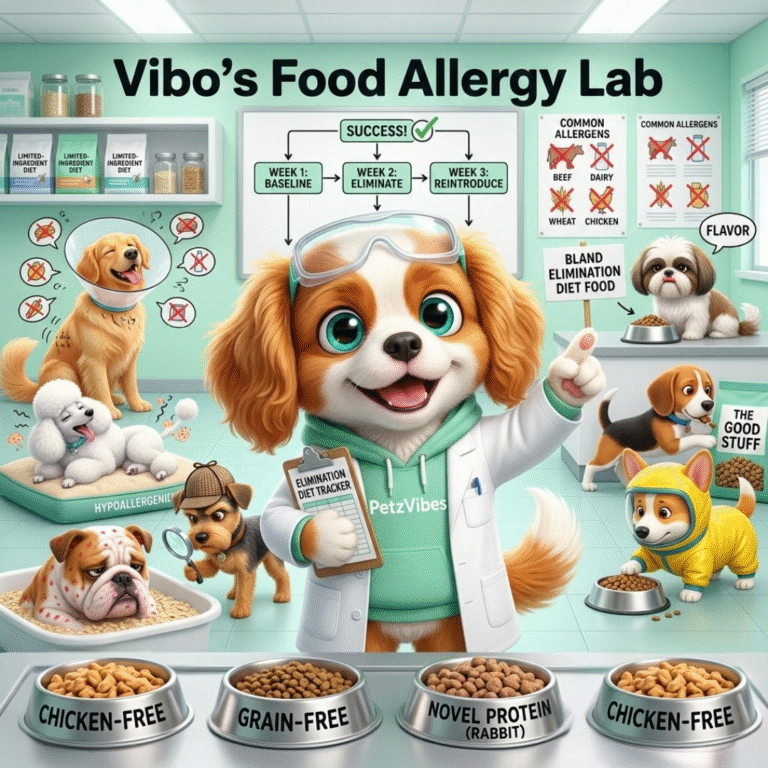

“All disease begins in the gut.” Hippocrates’ words hit home when my rescue pup, Bailey, had chronic digestive issues. Her energy dropped, her coat lost its shine, and her anxiety rose. It all started with an unbalanced digestive system.
This experience led me to dive deep into research. I found that dog gut health is more than just avoiding accidents. It’s key to their overall health.
What really stunned me was that over 70% of your pup’s immune cells live in their digestive tract. A healthy gut microbiome affects their immune system, stress, and anxiety levels.
With Bailey and hours of research, I learned many pet problems come from an imbalanced gut. But, we can fix this with the right probiotics, prebiotics, and nutrition.
Key Takeaways
- Your canine companion’s digestive system houses over 70% of their immune cells, making microbiome balance critical for overall wellness
- Many chronic health issues in pets stem from imbalanced bacteria and microbes in the digestive tract
- Probiotics introduce beneficial bacteria while prebiotics feed the good microbes already present
- Specific whole foods can naturally support and restore canine gut flora without expensive supplements
- Tracking your pup’s digestive patterns helps identify improvement and spot possible issues early
- A balanced microbiome affects immunity, behavior, skin condition, energy levels, and even mood regulation
Why I Started Paying Attention to My Dog’s Gut Health
It was a Tuesday morning when I realized I’d been treating symptoms, not the real problem. One of my dogs, Bailey, was having accidents, and I was tired of cleaning up. I was worried about her discomfort and frustrated that nothing worked for long.
For months, Bailey had been dealing with chronic soft stools. Some days were better, but we never knew when the next accident would happen. I’d tried different foods, including grain-free and expensive limited-ingredient diets.
But Bailey’s problems weren’t just about accidents. Her coat was dull, and she had itchy skin. She scratched a lot, mainly around her paws and ears.
Ear infections were the worst. Every few weeks, we’d visit the vet for more medication. One night, Bailey couldn’t sleep because of the pain, and neither could I. Acute diarrhea is a common reason dogs see the vet, often caused by stress, bad food, parasites, or medication changes.
Looking back, I see several reasons for Bailey’s problems. We’d moved to a new apartment and I’d changed my work schedule. Bailey had also eaten things she shouldn’t have from the trash.
Then, after a minor surgery, Bailey got antibiotics. Her digestive system fell apart soon after. The diarrhea was constant, and she lost interest in food.
I started researching more. Traditional vet visits helped with immediate problems but didn’t explain why they kept happening. I spent hours online, reading about canine health.
Learning about dog gut health and the microbiome was a breakthrough. It all made sense. Bailey’s digestive issues, skin problems, dull coat, and behavior changes were all connected.
Her gut had trillions of bacteria, both good and bad. When bad bacteria outnumbered the good, it affected her whole body. The antibiotics had killed off the good bacteria in her gut.
I realized that rapid food changes had stressed her system. Each change made it harder for her gut microbiome to stabilize. I’d been making things worse while trying to help.
This was both frustrating and empowering. Frustrating because I’d spent months on surface-level symptoms. Empowering because I had a new direction. Understanding dog gut health became my mission to help Bailey.
This journey changed not just Bailey’s health but how I viewed canine wellness. The answers weren’t in fancy foods or expensive supplements. They were in understanding the digestive system and supporting it right.
Understanding Dog Gut Health: The Foundation of Canine Wellness
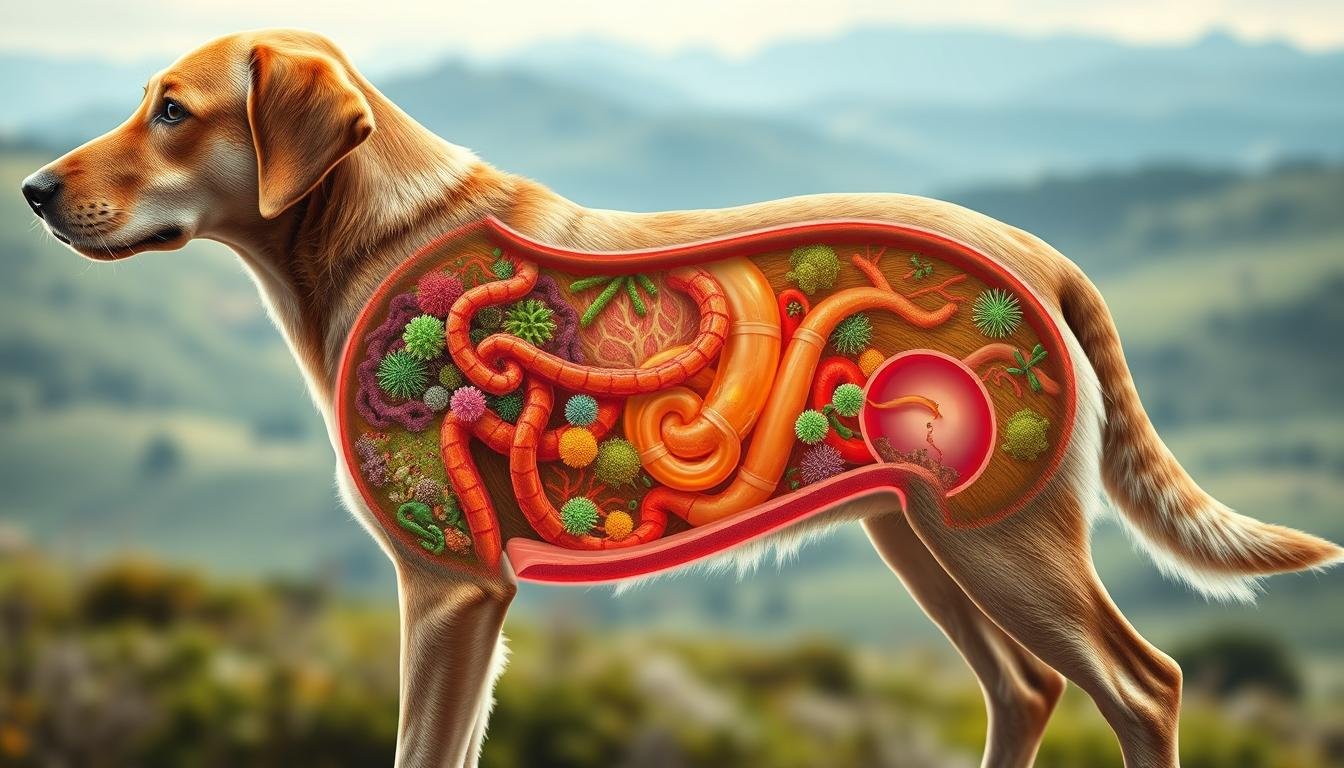
Your dog’s gut is like a bustling city with trillions of tiny workers. They keep everything running smoothly. This invisible ecosystem affects your pup’s health, from digestion to behavior.
Learning about the healthy dog microbiome changed how I care for my dog. Many health challenges are linked to the gut. It’s a game-changer.
What Is the Canine Gut Microbiome?
The canine gut microbiome is a complex mix of bacteria, fungi, yeasts, and more. They live in your dog’s large intestine. These tiny organisms work together to keep your dog healthy.
I compare the canine gut flora to a thriving garden. Just like a garden needs different plants, your dog’s gut needs diverse bacteria. Some microbes break down proteins and fibers, while others protect against harm.
These microbes ferment dietary fiber to create short-chain fatty acids (SCFAs). SCFAs reduce inflammation and provide energy for intestinal cells. This is key for a strong gut barrier.
Did you know 70 to 90 percent of your dog’s immune system lives in their gut? The healthy dog microbiome teaches immune cells to recognize good from bad. This training prevents infections and allergies.
The gut microbiome also makes essential nutrients your dog can’t produce. It synthesizes B-vitamins and vitamin K. These nutrients support blood clotting and energy metabolism.
The gut produces neurotransmitters like serotonin and dopamine. It’s called the “second brain” because of its strong connection to the brain. The balance of canine gut flora affects mood, stress, and behavior.
Signs Your Dog May Have Digestive Issues
Dog digestive issues can show up in many ways. I used to think they only meant upset stomachs. But it’s much more complex.
When the healthy dog microbiome is out of balance, your dog’s body sends warning signs. Some are obvious, while others seem unrelated to digestion. Here are common signs:
- Inconsistent stool quality – diarrhea, constipation, or stools that change day to day
- Excessive gas or bloating – uncomfortable rumbling or visible stomach distension
- Frequent vomiting – often after meals
- Persistent bad breath – not just occasional doggy breath, but chronic halitosis
- Itchy skin or hot spots – constant scratching, licking, or red patches
- Dull or dry coat – lack of shine despite regular grooming
- Chronic ear infections – recurring yeast or bacterial infections
- Low energy or lethargy – less playfulness or enthusiasm than normal
- Food sensitivities or allergies – reactions to foods that were previously fine
- Behavioral changes – increased anxiety, irritability, or restlessness
The connection between these symptoms and gut health often surprises people. For example, my dog’s chronic ear infections were linked to digestive issues. The vet explained how gut imbalance triggers inflammation.
When the canine gut flora loses diversity or gets dominated by harmful bacteria, the system struggles. The gut barrier weakens, allowing toxins and undigested food particles to leak into the bloodstream. This triggers immune responses that show up as skin problems, allergies, and chronic inflammation.
If you notice several of these signs in your dog, it’s time to check their gut health. Supporting the healthy dog microbiome through proper nutrition and supplements can make a big difference. I’ve seen it work wonders for my own pup, and I’ll share how in the next sections.
1. Probiotics for Dogs: The Beneficial Bacteria Your Pup Needs
The gut microbiome revolution isn’t just for people anymore. Probiotics for dogs have become a trusted canine digestive supplement. When I first heard about giving my dog probiotics, I was skeptical. I thought they were just another expensive product marketed to worried pet parents like me.
Then my dog started having recurring digestive issues. Her stools were inconsistent, she seemed uncomfortable after meals, and her energy levels weren’t what they used to be.
My veterinarian suggested trying a quality probiotic supplement. Within just a week, I noticed improvements. Her bathroom habits became more regular, and she seemed more comfortable overall.
That experience turned me into a believer. Now I understand that probiotics are live microorganisms—beneficial bacteria and sometimes yeast—that help balance the gut microbiome. They’re not just for dogs with problems; they support optimal health in all canines.
I’ve spent countless hours researching which strains work best and comparing products on petzvibes.com to find the most effective options. The more I learned, the more I realized probiotics do so much more than just settle an upset stomach.
How Probiotics Support Your Dog’s Digestive System
Understanding how probiotics actually work helped me make better decisions about my dog’s health. These beneficial bacteria aren’t just passengers in the digestive tract—they’re active participants in your dog’s wellness.
Probiotics function like reinforcements for the good bacteria team already living in your dog’s gut. They help maintain the delicate balance between beneficial and harmful microorganisms.
Here’s what I’ve learned about the specific ways probiotics support digestive health:
- Enhanced nutrient absorption: Probiotics help break down food more efficiently, allowing your dog to extract more vitamins and minerals from meals
- Vitamin production: Certain strains manufacture B-complex vitamins and vitamin K that your dog’s body needs
- Immune defense: About 70% of the immune system lives in the gut, and probiotics strengthen this critical defense network
- Inflammation control: Beneficial bacteria produce short-chain fatty acids (SCFAs) that reduce inflammation throughout the body
- Mood regulation: The gut produces serotonin, and probiotics support this “happiness hormone” production
- Protective barrier: Probiotics strengthen the gut lining to prevent “leaky gut” syndrome
I noticed these benefits firsthand with my own dog. After starting probiotics, her coat became shinier, which my vet explained was due to better nutrient absorption. Her occasional skin irritations also decreased significantly over several weeks.
Probiotics create an inhospitable environment for harmful bacteria by producing natural antibacterial substances. They literally crowd out the bad guys, leaving less room for pathogens to establish themselves.
The gut-brain connection is real, too. When my dog’s digestive system improved, her anxiety during thunderstorms seemed to lessen. Research shows that a healthy gut microbiome can positively influence behavior and stress responses.
Dogs with chronic digestive issues, immune dysfunction, skin problems, or those recovering from antibiotic treatment benefit most from probiotic supplementation. But even healthy dogs can maintain peak wellness with regular probiotic support.
Best Probiotic Strains for Dogs
Not all probiotics are created equal, and this was one of the most important lessons I learned. Specific strains perform specific jobs in your dog’s digestive system.
When I started comparing products, I felt overwhelmed by the scientific names and CFU counts. But understanding which strains do what made choosing the right supplement much easier.
I always look for products with CFU (colony-forming units) counts in the billions and multi-strain formulas. The best canine digestive supplements combine several beneficial strains to provide complete support.
Lactobacillus Acidophilus and Lactobacillus Casei
These are the workhorses of the probiotic world. Lactobacillus strains are the most researched and commonly used beneficial bacteria for dogs.
I chose a supplement with these strains first because they’re found naturally in fermented dairy products. This meant they had a long safety record and plenty of scientific backing.
Lactobacillus acidophilus excels at general digestive support. It helps break down lactose, produces lactic acid that creates an unfavorable environment for harmful bacteria, and supports immune function.
Lactobacillus casei is particular effective for dogs with inflammatory bowel conditions. It helps regulate the immune response in the gut and reduces inflammation.
When I gave my dog a supplement containing both strains, I noticed her gas and bloating decreased within just a few days. These strains are excellent all-around performers for everyday digestive wellness.
Bifidobacterium Animalis
This strain became my go-to recommendation for friends whose dogs struggle with regularity issues. Bifidobacterium animalis targets bowel movement consistency.
My neighbor’s dog had chronic constipation that made her uncomfortable and lethargic. After adding a probiotic with this strain, her regularity improved dramatically within two weeks.
Bifidobacterium strains live mainly in the large intestine. They help with water absorption and stool formation, making them effective for dogs with irregular bowel movements.
This strain also produces acetate and lactate, which lower the pH in the colon. This creates an environment where beneficial bacteria thrive and harmful bacteria struggle.
I’ve found that dogs taking antibiotics benefit greatly from Bifidobacterium animalis. It helps reestablish healthy gut flora faster than probiotics without this strain.
Enterococcus Faecium
Veterinarians frequently recommend this strain, and for good reason. Enterococcus faecium is incredibly resilient and effective at quickly recolonizing the gut.
When my dog needed antibiotics for an ear infection, her vet prescribed a probiotic containing this strain. The goal was to prevent antibiotic-associated diarrhea that often follows treatment.
It worked beautifully. My dog completed her antibiotic course without any digestive upset, which had been a problem during previous treatments.
Enterococcus faecium survives stomach acid better than many other strains, meaning more live bacteria reach the intestines where they’re needed. This makes it valuable for dogs recovering from illness.
This strain is also naturally present in the canine digestive tract, so supplementing with it feels like you’re just boosting what’s already there. It integrates seamlessly with your dog’s existing gut bacteria community.
I’ve learned to check supplement labels carefully for these specific strains. Products listing only “proprietary blend” without naming strains don’t give me the confidence that I’m getting proven, effective bacteria.
The best approach I’ve found is rotating between different probiotic formulas every few months. This exposes my dog to various beneficial strains and prevents her gut from becoming too dependent on any single formula.
2. Prebiotics: The Food That Feeds Good Gut Bacteria
Learning about prebiotics was like finding a missing puzzle piece for my dog’s gut health. I had been giving my dog probiotic supplements for weeks but wasn’t seeing the expected improvements. My vet told me that probiotics need food to survive and grow in the gut.
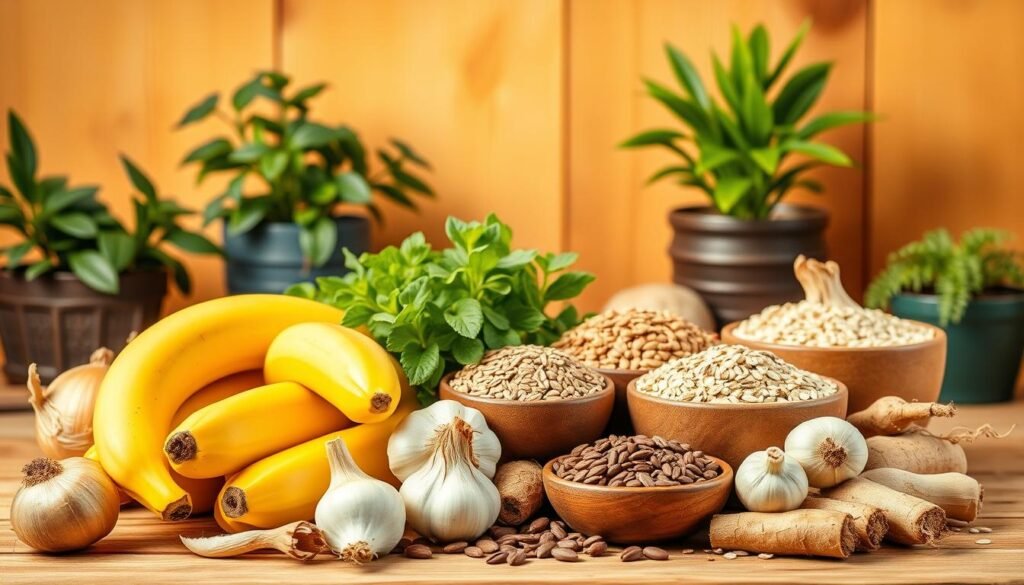
Prebiotics are special plant fibers that dogs can’t digest but gut bacteria love. They are like fertilizer for your dog’s gut. Without these fibers, even the best probiotics struggle to stay in the digestive system.
How Prebiotics Differ from Probiotics
I used to confuse prebiotics and probiotics until someone explained it simply. Probiotics are like workers in your dog’s gut garden, and prebiotics are the food that keeps them energized. This changed how I cared for my dog’s digestive health.
Probiotics are live bacteria that you add to your dog’s system. Prebiotics are non-digestible fibers that feed these bacteria. They travel to the colon where bacteria ferment them, creating short-chain fatty acids.
These fatty acids give energy to the intestines and reduce inflammation. I noticed my dog’s digestion became more consistent when I added prebiotics to probiotics.
Prebiotics do more than feed good bacteria. They create an environment where beneficial microbes thrive and harmful ones struggle. They also improve mineral absorption by making the gut slightly more acidic.
Research on PetzVibes showed that prebiotics target beneficial bacteria. They don’t feed harmful microbes, supporting a healthy microbiome. This natural process helps crowd out bad bacteria without antibiotics.
Natural Prebiotic Sources I Add to My Dog’s Diet
After learning about prebiotics, I started adding natural sources to my dog’s meals. I prefer whole foods over supplements because they offer a variety of prebiotic fibers and nutrients. Here are the sources I use:
- Chicory root powder: I sprinkle about 1/4 teaspoon over my dog’s food. It’s rich in inulin, a prebiotic fiber that feeds beneficial bacteria exceptionally well.
- Dandelion greens: When available fresh, I chop a small amount and mix it into meals. These greens contain both inulin and other supportive compounds.
- Asparagus tips: Lightly steamed and chopped, these provide fructo-oligosaccharides (FOS) that support canine gut flora.
- Bananas: I use small pieces as training treats. They contain resistant starch and FOS that beneficial bacteria love.
- Apples with skin: Chopped into bite-sized pieces, apples provide pectin and various prebiotic fibers. I always remove the seeds first.
- Functional mushrooms: I’ve recently started exploring reishi and turkey tail mushroom powders, which contain unique prebiotic compounds.
One important lesson I learned: start small with prebiotics. When I first added chicory root, my dog had gas and loose stools. Now, I introduce new prebiotics gradually over 7-10 days.
I keep a rotation schedule to provide variety. Monday through Wednesday, I use chicory root powder. Thursday and Friday, I add chopped apples or bananas. Weekends feature lightly steamed asparagus. This variety supports a diverse and resilient gut microbiome.
Tracking which foods work best has been invaluable. My dog responds well to chicory root and bananas, showing improved stool consistency within three days. Asparagus works well but needs to be well-cooked. Every dog is different, so keep notes on what works for your dog.
Foods like garlic and onions are toxic to dogs, so it’s important to research safe options before adding them to your dog’s diet.
Combining prebiotics with probiotics had a synergistic effect I didn’t expect. My dog’s digestion became more regular, his coat healthier, and his energy levels improved. This combination has become the core of my gut health strategy.
3. Top Probiotic-Rich Foods I Feed My Dog
Discovering everyday foods full of good bacteria for my dog was a game-changer. I love using natural probiotics for dogs from whole foods. They offer extra nutrition and are easy on the wallet.
I started adding probiotic-rich foods to my dog’s diet to boost gut health. The best part? Most of these foods were already in my kitchen or easily found at local stores.
Plain Greek Yogurt and Kefir
Plain Greek yogurt was my first step in supporting my dog’s digestion. I started with small amounts—about one tablespoon per 20 pounds of body weight—mixed into their regular meals.
It’s important to choose yogurt with “live active cultures” on the label. I look for these specific strains:
- Lactobacillus acidophilus
- Lactobacillus casei
- Bifidobacterium
- Streptococcus thermophilus
I avoid yogurt with artificial sweeteners, like xylitol, which is toxic to dogs. Plain, unsweetened yogurt works best.
Kefir took my probiotic game up a notch. It has 30 or more probiotic strains compared to yogurt’s 5 to 7. Its thin consistency makes it easy to mix into food or serve as a treat.
I saw improvements in my dog’s digestion in two weeks with these dairy options. Start small if your dog isn’t used to dairy—too much too quickly can upset their stomach.
Fermented Vegetables (Sauerkraut and Kimchi)
Fermented vegetables surprised me as great additions to my dog’s diet. I use only unpasteurized sauerkraut because pasteurization kills the good bacteria.
When picking sauerkraut, I look for these qualities:
- Raw and unpasteurized (found in the refrigerated section)
- Minimal ingredients (just cabbage, salt, and water)
- No added sugars or preservatives
- Organic when possible
I give just one to two teaspoons as a topping on meals. My dog enjoys the tangy flavor, though I introduced it gradually over several days.
With kimchi, I’m more selective. I choose mild versions without garlic or onion, which can be bad for dogs. Some pet-specific kimchi products are now available that exclude these ingredients while maintaining probiotic benefits.
These fermented vegetables provide probiotics for dogs while adding variety to meals. The different bacterial strains complement those found in dairy products.
Goat’s Milk
Raw or fermented goat’s milk became a game-changer in my dog’s digestive routine. It’s easier for dogs to digest than cow’s milk because of its smaller fat globules and different protein structures.
I find goat’s milk at health food stores and pet supply stores. Many brands now offer fermented versions for pets. These products combine the digestibility of goat’s milk with additional probiotic cultures.
My dog treats goat’s milk as a special reward. I pour a small amount over kibble or serve it separately as an afternoon treat. The consistency is similar to regular milk but with better tolerance for sensitive stomachs.
I typically offer about one ounce per 10 pounds of body weight, starting with smaller amounts initially. This natural source of probiotics also provides calcium, vitamins, and electrolytes.
Bone Broth
While bone broth itself isn’t inherently probiotic, it became essential to my gut health strategy when combined with probiotic-rich foods. The healing properties go beyond beneficial bacteria to support overall digestive wellness.
I make my own bone broth using these simple ingredients:
- Beef or chicken bones (with marrow)
- Apple cider vinegar (helps extract nutrients)
- Water
- Optional: safe vegetables like carrots or celery
The slow-cooking process extracts collagen and gelatin that help repair the intestinal lining. These proteins create a protective barrier in the gut while amino acids like glutamine support tissue regeneration.
I simmer bones for 24 to 48 hours, then strain and refrigerate the broth. The result is a nutrient-dense liquid my dog loves. I serve it warm as a meal topper or frozen in ice cube trays for hot summer days.
When I add a spoonful of kefir or yogurt to cooled bone broth, I create a powerful combination for dog food for digestion support. This mixture provides both prebiotics from the broth and probiotics from the dairy.
High-quality commercial bone broths are available too. I look for brands with minimal ingredients and no added salt or seasonings. Some companies even add probiotics directly to their bone broth products.
The warm, savory taste makes bone broth perfect for picky eaters or dogs recovering from illness. I’ve used it successfully to encourage eating during times when my dog felt under the weather.
Throughout my experience with these probiotic-rich foods, I learned that gradual introduction is key. I started with one food type, observed my dog’s response for several days, then slowly added others. This approach helps identify any sensitivities while building a diverse gut microbiome.
I track my dog’s reactions in a simple notebook—noting stool quality, energy levels, and any changes in appetite. This information helps me adjust portions and combinations for optimal results.
For detailed recipes and feeding guidelines specific to your dog’s size and needs, check https://petzvibes.com for additional resources. These natural foods have transformed my approach to supporting digestive health without relying solely on commercial supplements.
4. Best Prebiotic Foods for a Healthy Dog Microbiome
I used to think supplements were the complete answer, but then I learned that certain everyday foods could supercharge my dog’s gut bacteria naturally. After introducing probiotics, I quickly realized those beneficial bacteria needed proper fuel to survive and multiply. That’s when I started researching prebiotic foods—the fiber-rich ingredients that feed good gut bacteria and create a healthy dog microbiome.
The transition from supplements alone to including whole food sources changed everything for my dog’s digestive health. I noticed firmer stools, less gas, and more energy within just a few weeks. The best part? Most of these prebiotic foods were already in my kitchen.
Pumpkin and Sweet Potato
These were my gateway prebiotic foods because every dog owner I talked to recommended them. Plain pumpkin puree became my go-to solution for both diarrhea and constipation. The secret is its rich soluble fiber content that absorbs water and adds bulk to stool.
I always use pure pumpkin puree—never pumpkin pie filling, which contains spices and sugar that can upset a dog’s stomach. My standard serving is about one tablespoon per ten pounds of body weight, mixed directly into meals. For my forty-pound dog, that’s roughly four tablespoons mixed with his regular food.
Sweet potatoes became another staple in our routine. I bake or steam them plainly, then mash them before adding to meals. They provide excellent prebiotic fiber while also delivering beta-carotene and essential vitamins. When my dog had a sensitive stomach week, sweet potato mixed with plain chicken became his entire diet for three days.
Bananas and Apples
I discovered that ripe bananas contain resistant starch, which acts as a powerful prebiotic. The riper the banana, the more accessible this starch becomes for beneficial bacteria. I typically mash a few slices and mix them with other foods, or freeze small pieces for a cooling summer treat.
Moderation matters with bananas due to their sugar content. Small dogs get just a few slices, while my larger dog gets about half a banana a few times per week. I noticed he loves the taste, which makes sneaking in other supplements much easier.
Apples surprised me with their prebiotic benefits. The skin contains most of the pectin—a prebiotic fiber that feeds good bacteria. I always remove seeds and core, then chop the apple into appropriate bite-sized pieces. As a bonus, the crunchy texture helps clean teeth and freshen breath naturally.
Here’s my practical guide to serving sizes and preparation methods for these common prebiotic foods:
| Prebiotic Food | Serving Size (per 25 lbs body weight) | Preparation Method | Frequency |
|---|---|---|---|
| Pumpkin Puree | 2-3 tablespoons | Plain, canned (not pie filling) | Daily during digestive issues |
| Sweet Potato | 1/4 cup mashed | Baked or steamed, no seasoning | 3-4 times per week |
| Banana | 1/4 banana | Mashed or small chunks | 2-3 times per week |
| Apple | 1/2 small apple | Chopped, seeds/core removed | 3-4 times per week |
| Ground Flaxseed | 1/2 teaspoon | Freshly ground, mixed in food | Daily |
Asparagus and Leafy Greens
Asparagus became my secret weapon after learning it’s high in inulin, a powerful prebiotic fiber. I lightly steam the tender tips and chop them finely before mixing into meals. My dog wasn’t thrilled at first, but mixing them with his favorite foods helped with acceptance.
The key with asparagus is preparation—raw asparagus is too tough for dogs to digest properly. Steaming softens the fiber and makes the nutrients more bioavailable. I typically add just a few chopped pieces per meal, maybe two to three spears worth for my medium-sized dog.
Leafy greens like spinach, kale, and dandelion greens required more research. Dogs can’t digest raw greens effectively, so I learned to lightly steam and puree them. This process breaks down the cell walls and releases the prebiotic fibers and nutrients.
Dandelion greens became a particular favorite after I found information about them on https://petzvibes.com. They’re both prebiotic and have natural detoxifying properties. I started adding small amounts of pureed dandelion greens to meals twice weekly, and I noticed improvements in my dog’s coat quality alongside better digestion.
Important tips for introducing leafy greens:
- Start with very small amounts (1 teaspoon for small dogs, 1 tablespoon for large dogs)
- Always cook and puree for better digestibility
- Avoid onions and garlic, which are toxic to dogs
- Watch for gas or bloating and reduce amounts if needed
- Rotate different greens for variety and balanced nutrition
Oats and Flaxseed
Plain cooked oatmeal became my gentle option for sensitive stomach days. The soluble fiber in oats is incredibly soothing for irritated digestive systems. I cook it with water (never milk) and let it cool completely before adding a few spoonfuls to meals.
For dog food for digestion, oats work wonderfully because they’re bland enough not to upset sensitive stomachs while providing prebiotic benefits. I typically add about one to two tablespoons of cooked oatmeal per meal during recovery from digestive upset.
Flaxseed required a learning curve. Whole flaxseeds pass through dogs undigested, so grinding them fresh is essential. I bought a small coffee grinder dedicated just for flaxseed. Ground flaxseed provides both prebiotic fiber and omega-3 fatty acids that support overall health.
I sprinkle about half a teaspoon of freshly ground flaxseed over my dog’s food daily. Storage matters—I keep the whole seeds in the refrigerator and grind only what I need for a few days at a time. Oxidation reduces the nutritional benefits, so freshness is key.
The combination of these prebiotic foods transformed my approach to dog food for digestion. I rotate them throughout the week, keeping notes on which ones my dog responds to best. Within a month of consistently including prebiotic foods, I noticed his stool became more regular, his energy increased, and those random digestive upset days became much less frequent.
One critical lesson I learned: introduce new prebiotic foods gradually. I started with tiny amounts and increased slowly over seven to ten days. This prevents gas, bloating, and digestive upset from too much fiber too quickly. The beneficial bacteria need time to adjust and multiply as you increase their food supply.
5. Digestive Enzymes for Dogs: When and Why They Help
After months of trying different foods, I learned about digestive enzymes. My dog was eating high-quality kibble and getting probiotics but had gas and inconsistent stools. My vet asked if my dog was digesting all the nutrients.
I found out that digestive enzymes for dogs can make a big difference. Adding an enzyme supplement to my pup’s meals made a huge change. I saw firmer stools, less gas, and more energy.
Many dogs on commercial diets lack enzyme support. Modern processing methods remove these critical helpers, leaving dogs’ digestive systems working hard.
The Role of Enzymes in Breaking Down Food
Digestive enzymes are like tiny molecular scissors that break down food for your dog’s body to absorb. Without enough enzymes, even the best food may not be fully digested.
Raw food has natural enzymes, but commercial dog food is cooked at high temperatures. This process destroys all natural enzymes.
Your dog’s pancreas must produce all the enzymes needed for digestion. Some dogs can handle this, but others, like those eating only kibble, may struggle.
- Amylase breaks down starches and carbohydrates into simple sugars for energy
- Protease splits proteins into amino acids needed for muscle, tissue repair, and immune function
- Lipase breaks down fats for healthy skin, coat, brain function, and hormone production
- Cellulase helps digest plant fiber (dogs don’t naturally produce this enzyme)
I realized my dog might not be fully digesting premium food. She had gas, soft stools, and a dull coat. These symptoms were subtle but persistent.
Research shows dogs have varying ability to digest carbohydrates. Some struggle more with starch digestion. This explains why some dogs thrive on high-carb kibble while others don’t.
| Enzyme Type | What It Breaks Down | Benefits for Your Dog | Natural Sources |
|---|---|---|---|
| Amylase | Carbohydrates and starches | Provides energy, reduces bloating | Raw honey, bananas, mangoes |
| Protease | Proteins | Supports muscle growth, immune function | Raw meat, pineapple, papaya |
| Lipase | Fats and oils | Improves coat health, brain function | Raw dairy, avocado, coconut |
| Cellulase | Plant fiber | Better nutrient absorption from vegetables | Fermented foods, certain fungi |
Which Dogs Need Enzyme Support Most
Not every dog needs canine digestive supplements, but some situations make them very helpful. I wish I had known these signs earlier—it would have saved my dog months of discomfort.
Dogs eating mainly kibble or cooked foods benefit most from enzyme support. The high-heat processing destroys natural enzymes completely. Your dog’s body must produce everything needed for digestion, which can be taxing over time.
I started paying closer attention to these warning signs:
- Chronic gas and bloating, specially after meals
- Inconsistent stool quality—sometimes firm, sometimes loose, with no diet changes
- Undigested food particles visible in stool
- Low energy despite eating adequate calories
- Dull coat or persistent skin issues
- Food sensitivities that seem to get worse over time
Dogs with diagnosed pancreatic insufficiency (EPI) absolutely need enzyme supplementation. Their pancreas doesn’t produce enough enzymes naturally. Without supplementation, they can’t properly digest food, leading to weight loss and malnutrition.
Senior dogs often benefit from enzyme support too. As dogs age, their natural enzyme production declines. I noticed this with my older dog—she needed enzyme help even though her younger self never did.
Dogs recovering from illness or with compromised digestive systems also fall into this category. When the gut is damaged, enzyme production drops. Supporting the system with digestive enzymes for dogs gives it time to heal while providing adequate nutrition.
Products That Made a Real Difference
I’ve personally tested several enzyme supplements with my dogs, and I can honestly say they’re not all created equal. Some worked beautifully, while others seemed to have little effect. Here’s what I discovered through trial and experience.
Volhard’s Digestive Enzymes became my go-to choice after trying multiple brands. What sets this product apart is its complete formula combining Pancreatin with prebiotics and probiotics. It’s like getting three types of support in one supplement.
I give this powder with every meal when my dog is eating kibble. Within about 10 days, I noticed firmer stools and significantly less gas. The powder mixes easily with food, and my picky eater never rejected it. One container lasts about 6-8 weeks for a 50-pound dog, making it cost-effective compared to some alternatives.
The only downside is that you need to measure it out for each meal. It’s not pre-portioned like some chewable options. But the results were worth the extra 30 seconds of preparation time.
Zesty Paws Digestive Enzymes offered a more convenient chewable format that my dog actually enjoyed as a treat. These soft chews contain a blend of enzymes plus probiotics and papaya extract. The flavoring makes them highly palatable, which solved the problem I had with dogs who refused powdered supplements.
I found these worked best for mild digestive issues and as a maintenance supplement. For dogs with more serious enzyme deficiencies, the powder formulas seemed more effective. But the convenience factor made these my choice for travel or busy mornings.
NaturVet Digestive Enzymes provided another solid option at a more budget-friendly price point. These soft chews include enzymes plus prebiotics and probiotics. I used these successfully with my younger dog who had occasional digestive upset but didn’t need daily intensive support.
When shopping for canine digestive supplements, I learned to look for products containing all four main enzyme types. Formulas that combine enzymes with prebiotics and probiotics offer more complete digestive support. I avoid products with lots of fillers, artificial colors, or unnecessary additives.
I typically give enzyme supplements with meals, specially when feeding kibble or cooked foods. Raw meals already contain natural enzymes, so supplementation is less critical on those days. Consistency matters—enzymes work best when given regularly, not just when problems appear.
Most dogs show improvement within 1-2 weeks of starting enzyme supplementation. I track changes in stool quality, gas levels, energy, and coat condition. If I don’t see positive changes within three weeks, I consult my vet to rule out other underlying issues.
You can find these products on Chewy.com, Amazon, or directly from manufacturer websites. I recommend starting with smaller sizes to test tolerance before committing to bulk purchases. Some dogs respond better to certain formulas than others.
The website petzvibes.com offers detailed comparison charts that helped me evaluate different enzyme supplements side-by-side. They break down ingredients, pricing per dose, and customer feedback in ways that made decision-making much easier.
Adding digestive enzymes transformed my dog’s health in ways I didn’t expect. Better nutrient absorption meant more energy, a shinier coat, and elimination of those embarrassing gas episodes. For dogs struggling with digestive issues despite quality food, enzymes might be the missing link your pup needs.
6. Commercial Dog Foods That Support Digestive Health
Exploring the pet food aisle used to overwhelm me. I learned to spot the real nutritional value behind the labels. This helped me distinguish between marketing claims and actual benefits.
When I couldn’t make homemade meals, the right commercial food was a game-changer. My dog needed gut support every day, even on busy days. I focused on finding formulas that support a healthy digestive system.
What to Look for on the Label
I became a detective with ingredient lists. The first ingredient should be a high-quality protein source like chicken or salmon. These are easier for dogs to digest than generic meat meals.
Fat content is key for sensitive stomachs. Look for moderate fat levels between 10-15%. Too much fat can upset the stomach, while too little affects nutrient absorption.
Fiber sources are important. I look for both soluble fibers like pumpkin and specific prebiotic ingredients. These feed the beneficial bacteria in the gut.
Probiotics caught my attention on premium brands. Strains like Bacillus coagulans survive the manufacturing process well. Some formulas also include digestive enzymes for better nutrient breakdown.
I avoid foods with artificial additives. My dog’s sensitive system doesn’t need them. Limited ingredient formulas are great for dogs with food sensitivities.
Omega fatty acids are also important. They reduce inflammation in the digestive tract. Look for specific amounts of omega-3 and omega-6 fatty acids on the label.
Brands I Trust for Gut Health
After trying many brands, I found a few that consistently deliver. Each brand offers unique benefits for different needs. Here’s a guide to help you choose.
| Brand | Key Digestive Features | Best For | Price Range |
|---|---|---|---|
| Hill’s Science Diet Sensitive Stomach | Prebiotic fiber blend, omega fatty acids, vitamin E | Intermittent digestive issues | $50-60 per 30 lb bag |
| Royal Canin Gastrointestinal | Highly digestible proteins, therapeutic formula, prebiotic blend | Diagnosed GI conditions | $80-95 per 30 lb bag |
| Purina Pro Plan Sensitive Stomach | Live probiotics, easily digestible ingredients, prebiotic fiber | Daily maintenance | $45-55 per 30 lb bag |
| Wellness CORE Digestive Health | Probiotics, prebiotics, digestive enzymes, grain-free option | Comprehensive gut support | $60-70 per 26 lb bag |
Hill’s Science Diet Sensitive Stomach and Skin
My vet recommended this brand for my dog’s recurring soft stools. The formula has prebiotic fiber and easily digestible ingredients. Within a week, my dog’s stool quality improved, and energy levels increased.
This food also supports skin health. The omega-6 fatty acids and vitamin E made my dog’s coat shinier. Both dry and wet formulas are available, catering to different preferences.
This food is widely available at pet stores and vet clinics. Its availability ensured I never ran out, even on road trips. It’s a good choice for dogs with mild to moderate digestive sensitivities.
Royal Canin Gastrointestinal
This therapeutic diet requires a vet’s recommendation. It saved us during acute digestive crises. The highly digestible proteins and moderate fat content are designed for dogs recovering from GI issues or managing chronic conditions.
The price was a concern, but it was worth it during a serious digestive episode. My dog recovered faster than with regular food.
Working with your vet is essential to determine if this option is right for your dog. It’s not a casual purchase but is often the best choice for diagnosed digestive conditions. The higher digestibility rates mean more nutrients are absorbed.
Purina Pro Plan Sensitive Skin and Stomach
This became my go-to daily dog food for digestion. The guaranteed live probiotics (Bacillus coagulans) survive the manufacturing process. I started with the salmon and rice formula and later tried the turkey and oatmeal for variety.
My dog’s response was impressive. Within two weeks, his stool became predictable and firm. His coat became healthier, and energy levels stabilized throughout the day.
The combination of prebiotic fiber and live probiotics provides a complete gut support system. I didn’t need separate supplements for basic digestive maintenance. The price makes it sustainable for long-term feeding.
Wellness CORE Digestive Health
This grain-free option offers a complete digestive support system. It includes probiotics, prebiotics, and digestive enzymes all in one kibble. I tried it to see if grain-free made a difference for my dog’s sensitive system.
The high-quality protein sources impressed me. Real turkey is the first ingredient, followed by chicken meal for concentrated protein. The digestive enzymes help break down food more efficiently, reducing gas and improving stool formation.
There’s ongoing debate about grain-free diets and heart health. I discussed this with my vet before switching. Rotating between grain-inclusive and grain-free options provided variety without long-term commitment.
Each brand offers different purchasing options through Chewy, Amazon, or local pet stores. Autoship programs save money and ensure a steady supply. Tracking my dog’s response to different foods helped me find the best formula for his needs.
Remember, every dog is different. What worked for my dog might not work for yours. Transitioning gradually over 7-10 days and monitoring your dog’s response is key.
7. Canine Digestive Supplements I Recommend
Finding the right dog supplements can be tough. But, after trying many, I found four that really work. They help when my dog has digestive problems, after antibiotics, or during stress.
I’ve built a “gut health toolkit” for my dog. Some supplements are for everyday use, while others help in emergencies. Each one has proven effective for my dog.
Choosing good probiotics for dogs is key. Look for products with clear bacterial strains, CFU counts, and fresh manufacturing dates.
Purina Pro Plan Veterinary Diets FortiFlora
My vet recommended FortiFlora for my dog’s antibiotic diarrhea. I was desperate, but FortiFlora helped fast.
What I Like About It
FortiFlora has Enterococcus faecium SF68, a strain proven to help dogs’ intestines. This gave me confidence when my dog needed help.
The single-serve packets are easy to use. I sprinkle one packet on my dog’s food daily. Even my picky dog eats it without a problem.
Results came quickly. Within 48 hours, my dog’s stools got firmer. His appetite came back, and he felt better.
FortiFlora also has vitamins A, E, and C. These vitamins boost immune function and digestive health. It’s a two-for-one deal.
Best For
- Dogs with acute diarrhea or digestive upset
- Pets on antibiotics or just finished
- Dogs with stress-induced digestive problems
- Picky eaters who won’t take pills or chews
- Daily maintenance for sensitive stomachs
I always carry FortiFlora packets with me. They’re great for emergencies or when traveling with my dog.
Nutramax Proviable Digestive Health Supplement
I found Proviable during a tough digestive time. It offers quick relief and long-term support.
What I Like About It
Proviable has a paste for emergencies and capsules for ongoing care. This combo meets my needs for fast help and long-term health.
The paste tastes good, which is key when your dog is sick. I used it for acute diarrhea and then switched to capsules for daily use.
It has seven beneficial bacterial strains. This mix offers a stronger probiotic effect than single-strain products.
Proviable also includes prebiotics. These feed the probiotics, making them more effective.
Best For
- Dogs facing acute digestive crises
- Needs for both emergency and maintenance support
- Multi-pet households (includes cat formulas)
- Dogs transitioning from crisis to preventive care
- Pets with recurring digestive sensitivity
The starter kit has everything for digestive support. I found more info on https://petzvibes.com to help decide when to use the paste or capsules.
Zesty Paws Probiotic Bites
Zesty Paws Probiotic Bites are my go-to for daily use. They make supplement time feel like treat time. My dog loves them.
What I Like About It
These chews have six probiotic strains with 3 billion CFU per chew. They include digestive enzymes and prebiotics for all-around support.
The soft chew format is easy for my dog. He thinks they’re treats, making it simple to give them daily. No more hiding pills in cheese or fighting to give medication.
Ingredients like pumpkin and papaya offer natural digestive support. This one chew addresses many digestive needs.
The price is affordable for daily use. I find them at major retailers and through auto-ship programs that save money.
Best For
- Dogs who refuse pills, capsules, or powder supplements
- Daily digestive maintenance and prevention
- Pets with mild, chronic digestive sensitivity
- Multi-dog households needing cost-effective solutions
- Pet parents wanting convenient, all-in-one supplements
I’ve recommended these to friends with picky dogs. They’ve all seen positive results. The taste makes these supplements worth trying.
VetriScience Laboratories GI Balance
For ongoing digestive sensitivity, I needed something more. VetriScience GI Balance supports my dog’s gut health long-term.
What I Like About It
GI Balance combines prebiotics, probiotics, and digestive enzymes in chews. It tackles multiple digestive issues at once.
The inclusion of L-Glutamine impressed me. It supports gut lining health, which is important for dogs with leaky gut or chronic inflammation.
Ginger in the formula helps with digestive comfort. My dog had less bloating and more energy after starting GI Balance.
With 5 billion CFU of five probiotic strains, it’s potent. VetriScience’s quality control gives me confidence in the product.
Best For
- Dogs with chronic digestive sensitivity or recurring issues
- Pets suspected of having leaky gut syndrome
- Dogs needing more than basic probiotics for digestive support
- Animals recovering from gastrointestinal illnesses
- Senior dogs with age-related digestive decline
I keep notes on which supplements work best for different situations. GI Balance is great for managing chronic digestive issues.
Each supplement has its purpose in my gut health toolkit. I choose based on my dog’s needs—whether it’s for an emergency, daily care, or chronic sensitivity.
Investing in quality supplements has cut down on vet visits and improved my dog’s life. Start with one product and build your toolkit based on your dog’s response for a personalized approach to digestive wellness.
Managing Dog Diarrhea and Other Digestive Problems
Managing dog digestive issues is key to keeping your pet healthy. When my dog first had diarrhea, I was worried. Now, I know when to handle it at home and when to see the vet.
Knowing when to act is critical. I’ve learned to spot the difference between mild upset and serious issues. This knowledge has saved me and my dog from many sleepless nights.
I used to think a chicken and rice diet was the answer. But, I learned that rice can actually harm your dog’s gut. Now, I follow vet-approved diets that help my dog recover faster.
When to Try Probiotics First
Probiotics and diet changes can help with some digestive issues. I know when to try these at home and when to seek vet help. This approach helps me keep my dog comfortable and healthy.
Here are the situations where I start with probiotics and home care:
- Mild, occasional loose stools without other concerning symptoms like lethargy or loss of appetite
- Digestive upset clearly related to a known trigger such as stress from traveling, a change in routine, or a small dietary indiscretion
- Preventive support before or after known stressors including boarding, travel, or vet visits
- During or after antibiotic treatment to prevent antibiotic-associated diarrhea
- When my dog is othewise acting normally and maintaining their usual energy level, eating, drinking, and playing
When I notice mild upset, I start with probiotics and prebiotics. I also make sure my dog always has fresh water. This helps prevent dehydration.
I simplify the diet to easy-to-digest foods and add digestive enzymes. I watch for improvement within 24 to 48 hours. If things get worse, I seek vet help right away.
When to Call Your Vet
Knowing when to call the vet is important. I’ve learned to recognize serious signs. This has saved me from unnecessary vet visits and helped my dog recover faster.
I call the vet if I see any of these signs:
- Diarrhea lasting more than 3 days despite home management efforts
- Blood in the stool, whether bright red or dark and tarry
- Black or tarry stools indicating possible internal bleeding
- Concurrent vomiting, specially if persistent or containing blood
- Signs of dehydration including sunken eyes, dry gums, skin that doesn’t bounce back when gently pulled, or reduced urination
- Lethargy or significant behavior changes that indicate my dog doesn’t feel well
- Loss of appetite for more than 24 hours
- Abdominal pain or bloating when I gently touch the belly area
- Diarrhea in puppies or senior dogs with other health conditions, as they’re more vulnerable
- Known ingestion of toxic substances or foreign objects
My dog once had what I thought was simple stress-related diarrhea. But after two days, he seemed more tired. I took him to the vet, and he had a bacterial infection needing antibiotics. My vet said another day could have made things worse.
This experience taught me the importance of knowing when to seek vet help. I’d prefer to make a vet call too early than too late. My vet appreciates my proactive approach.
My Emergency Gut-Health Protocol
I’ve developed a step-by-step plan for digestive upset. This approach gives me confidence in managing my dog’s health. I keep notes on what works best for my dog.
Here’s my emergency protocol:
- Hour 0 (Onset of Symptoms): I assess the situation right away. For mild to moderate cases, I manage at home. If it’s severe, I call the vet.
- Hours 0-12 (Fasting Period): I withhold food for 12 hours. This allows the GI tract to reset. My dog has access to water or ice chips.
- Hour 12 (First Intervention): I offer a small amount of room-temperature bone broth. This provides gentle nutrition. If it stays down, we’re on the right track.
- Hours 13-24 (Gradual Reintroduction): I start small, frequent meals. I use cooked turkey or lean ground beef and add banana and pumpkin for fiber. Sometimes, I add yogurt for probiotics.
- Hour 12-24 (Slippery Elm Addition): I add slippery elm bark powder to the diet. This soothes the GI tract and aids in healing.
- Hour 24 (Supplement Support): Once my dog can keep down bland foods, I introduce digestive support supplements. I use probiotics and digestive enzymes.
- Days 2-5 (Gradual Transition): I continue the bland diet with supplements for 2 to 3 days. Then, I gradually add regular food back in.
- Day 5+ (Maintenance): Once my dog is back to normal, I keep using probiotics for 2 weeks. I also ensure their diet includes prebiotics to keep their gut healthy.
I keep an emergency kit ready for any digestive issues. Having these supplies has made managing problems easier. Here’s what I always have on hand:
| Emergency Supply | Purpose | How I Use It |
|---|---|---|
| Canned Pumpkin (plain, not pie filling) | Provides soluble fiber to normalize stools | 1 tablespoon per 10 lbs body weight mixed with bland protein |
| Slippery Elm Powder | Coats and soothes the GI tract lining | ¼ teaspoon per 10 lbs body weight mixed with water, given 30 minutes before meals |
| Bone Broth (homemade frozen portions) | Provides gentle nutrition and hydration | First food offered after fasting period, 1 oz per 10 lbs body weight |
| FortiFlora Probiotic Packets | Introduces beneficial bacteria quickly | One packet twice daily at onset, then once daily for 2 weeks |
| Digestive Enzyme Supplement | Helps break down food during recovery | Sprinkled on each bland meal according to package directions |
I also have ground turkey and Pedialyte ready for emergencies. This kit gives me everything I need to act quickly when my dog has digestive problems.
This protocol works well for mild to moderate issues. But, it’s not a substitute for vet care when needed. I use this approach for manageable situations while watching for serious signs. Having a clear plan has been invaluable, and my dog recovers faster because I act quickly.
Tools and Apps I Use to Track My Dog’s Digestive Health
I used to struggle remembering when to give my dog supplements. But then, I found technology to help. It made keeping track of my dog’s gut health much easier.
When I started paying attention to my dog’s digestive health, I noticed a lot. I needed a way to remember when symptoms started and what supplements I gave. I also wanted to track diet changes.
That’s when I found apps and tools that changed everything. They made managing my dog’s digestive health more organized and consistent.
Using PetDesk for Vet Appointment Reminders and Health Records
PetDesk is my go-to for keeping my dog’s vet info in one place. It’s free and works on both iOS and Android. Many vet clinics already use it.
The features I use most include:
- Appointment reminders and easy scheduling directly with my vet’s office
- Digital health records where I store lab results, vaccination records, and detailed notes from vet visits
- Medication and supplement reminders for daily probiotics, digestive enzymes, and other supplements
- Symptom tracking that I can share directly with my veterinarian when troubleshooting issues
- Direct messaging with my veterinary clinic for quick questions
Having all this information in one place has been invaluable. When I switched vets last year, I didn’t have to dig through old paperwork. The app made the transition smooth, and my new vet had all the records right away.
Tracking Daily Health with Puppr
I discovered Puppr’s health tracking features by accident. Now, I use it daily to log my dog’s health observations.
I track bathroom habits, energy levels, appetite changes, and supplements given each day. This creates a detailed health journal that helps me spot patterns over time.
When digestive issues start, I look back at my logs to find triggers. Seeing what happened before symptoms helps manage dog diarrhea.
Positive reinforcement training has also helped reduce stress-related digestive problems. It’s improved my dog’s gut health by reducing anxiety and improving mental stimulation.
Maintaining Consistency with Chewy Autoship
Setting up Autoship for regular supplies has been a game-changer. It ensures I never run out of essential items for gut health.
The benefits include:
- Automatic delivery ensures I never run out of probiotics or digestive enzymes
- Discounts on autoship orders typically save me 5-10% off regular prices
- Flexibility to adjust delivery frequency or skip shipments when needed
- One-stop shopping for food, supplements, and treats all in one place
- Convenience of delivery instead of making multiple pet store runs
My autoship includes probiotics, digestive enzymes, prebiotic fiber, gut-friendly food, and emergency supplies like canned pumpkin.
I also keep bone broth on my autoship list. Using my Chewy affiliate link supports content like this while giving you the same prices and benefits.
I found many of these products through recommendations on https://petzvibes.com and other trusted sources. Having consistent delivery keeps my dog’s gut health routine on track.
Additional Pet Health Tracker Apps Worth Trying
Beyond my main apps, I’ve found several other tools useful for tracking. Each serves a different purpose in my gut health management system.
11Pets and PetPro offer detailed poop logs with photo capability and fecal scoring systems. Yes, I take photos of my dog’s stools during digestive issues—I know it sounds gross, but vets really appreciate these records!
These apps make organizing those photos easy and provide context with dates and symptoms. The fecal scoring charts help me communicate more accurately with my veterinarian about what’s happening.
Pet Minder Pro handles medication and supplement scheduling with customizable reminders. I set multiple daily alerts to ensure I never miss a probiotic dose.
The app tracks when I’ve given supplements and sends notifications if I’m late. This consistency is key for maintaining a healthy dog digestive system.
I also use general note-taking apps like Evernote or Notion to organize my gut health research. I keep links to helpful articles, including favorites from https://petzvibes.com, all organized by topic.
My dog’s complete health history lives in these apps, categorized by digestive issues, supplements tried, and vet recommendations. Having everything searchable has saved me hours of hunting through old notes.
I’ve even created spreadsheets in Google Sheets to track which foods or supplements I’ve tried. My personal database includes effectiveness ratings, costs, and where to purchase each product.
This systematic approach transformed my management from reactive and scattered to proactive and organized. When dealing with managing dog diarrhea or other digestive concerns, having detailed records makes all the difference.
Even using just one or two of these tools will make a significant difference in consistency and outcomes. You don’t need to adopt every app I mentioned—start with what addresses your biggest challenge.
The technology helps me stay accountable and catch problems early. Instead of waiting until symptoms become severe, I can intervene at the first sign of digestive upset.
Conclusion
My journey into understanding dog gut health started with a simple probiotic supplement. I didn’t change everything at once. I learned slowly, added things one at a time, and saw my dog change.
You can start where it feels right for your pup. If your dog has diarrhea, try a good probiotic. If they seem healthy, add foods like pumpkin or sweet potato. The key is to be consistent and pay attention.
By focusing on my dog’s gut health, I’ve saved on vet bills and sick days. My pup now has more energy, better skin, and fewer tummy troubles. That peace of mind is priceless.
Every dog is different. What worked for mine might not work for yours. Keep exploring and learning. Your vet is your best ally, for sure.
I encourage you to share your stories. What has helped your dog’s gut health? What are you wondering about? Together, we can help all our pets be their best.
For more tips on dog nutrition and health, check out petzvibes.com. I’m always finding new research and products to support our dogs’ health.
Investing in your dog’s gut health today means giving them a better life. It’s the best gift we can give our furry friends.
FAQ
How long does it take for probiotics to work in dogs?
I’ve seen improvements in my dog’s stool within 24-48 hours with probiotics for diarrhea. For chronic issues, I notice changes in 2-4 weeks. It’s important to be patient as the gut microbiome takes time to rebalance.
I give new probiotics at least 3-4 weeks to see if they work. I use health apps to track progress and see gradual improvements.
Can I give my dog human probiotics, or do they need dog-specific formulas?
Human probiotics can work for dogs, but I use dog-specific formulas like Purina Pro Plan FortiFlora. These formulas have strains researched for canine gut health. Dog probiotics are also formulated for canine body weight and metabolism.
When using human probiotics, avoid additives, sweeteners, and fillers. I prefer dog-specific formulas for peace of mind.
What’s the difference between probiotics and digestive enzymes, and does my dog need both?
Probiotics are beneficial bacteria that support gut health and immunity. Digestive enzymes break down food into nutrients. Both are important for my dog’s health.
I give digestive enzymes with meals and probiotics once daily. Dogs eating kibble benefit from both. Raw diets may need fewer enzyme supplements.
How much pumpkin should I give my dog for digestive issues?
I give my dog 1 tablespoon of pumpkin puree per 10 pounds of body weight. For my 50-pound dog, that’s 4-5 tablespoons daily. Start with small amounts to avoid gas or bloating.
Pumpkin works within 24-48 hours for mild issues. I keep canned pumpkin in my emergency kit. If issues persist, I contact my vet.
Can gut health issues cause behavioral problems in dogs?
Yes, gut health affects behavior. The gut produces neurotransmitters that communicate with the brain. I’ve seen my dog’s behavior improve with probiotics.
Research supports the link between gut health and behavior. Improving gut health can lead to calmer behavior and better stress resilience.
Should I give my dog probiotics every day or just when they have digestive issues?
I give my dog probiotics daily for ongoing gut health. I also increase the dose during acute issues. This approach supports my dog’s gut health and prevents problems.
Daily probiotics are beneficial for dogs on processed diets and with chronic conditions. Consistent use maintains a healthy gut microbiome.
What should I feed my dog after a bout of diarrhea?
I fast my dog for 12 hours, then reintroduce food gradually. I use bland, easily digestible options like ground turkey and pumpkin. I avoid rice as it can feed harmful bacteria.
I add slippery elm bark powder to soothe the digestive tract. I continue probiotics and digestive enzymes with meals. Gradually transition back to regular food over 3-5 days.
Are grain-free diets better for dog gut health?
Grain-free diets are debated, and my perspective is nuanced. While some dogs benefit, others may face heart issues. Grains like oats provide beneficial fiber.
I choose dog food with easily digestible ingredients and added probiotics. Consult your vet to determine the best diet for your dog.
Can probiotics help with my dog’s itchy skin and allergies?
Yes, probiotics can help with skin issues. The gut produces neurotransmitters that affect the skin. I’ve seen improvements in my dog’s skin with probiotics.
Research supports the connection between gut health and skin conditions. I use probiotics with strains shown to support skin health and add omega-3 fatty acids.
How do I know if the probiotic supplement I’m using is actually working?
I track several indicators to assess probiotic effectiveness. I look for improvements in stool consistency and reduced gas and bloating.
I also monitor coat quality, skin health, energy levels, and behavior. I use health apps to track these observations. Quality probiotics should list specific strains and have guaranteed CFU counts.
Is it safe to give my dog probiotics long-term, or should I take breaks?
I give my dog probiotics continuously without breaks. Unlike antibiotics, probiotics don’t cause dependency. Consistent use supports gut health and immunity.
While most dogs benefit, some may need veterinary guidance. I rotate between different probiotic formulas to provide different strains.
Can I make my own probiotic foods for my dog at home?
Yes, I make homemade bone broth and fermented vegetables for probiotics. I also use kefir. While homemade options are cost-effective, I supplement with commercial probiotics for guaranteed strains.
The combination of homemade probiotic-rich foods and quality supplements supports my dog’s gut health.
What are the signs that my dog’s gut health is improving?
I watch for consistent stools, regular bowel movements, reduced gas and bloating, and improved appetite. I also look for better coat quality, decreased skin issues, and more consistent energy levels.
Improved breath, better stress resilience, and improved behavior are also signs. I track these observations using health apps. Improvements typically appear gradually over 2-6 weeks.
Should I give probiotics to my dog during antibiotic treatment or wait until after?
Give probiotics during antibiotic treatment, but separate them by 2-3 hours. Antibiotics kill both good and bad bacteria. Probiotics help maintain beneficial bacteria populations.
Use resilient strains like Enterococcus faecium or Saccharomyces boulardii during treatment. Continue probiotics after treatment to rebuild the gut microbiome.
What’s the best way to introduce probiotics and prebiotic foods to avoid digestive upset?
Start low and go slow when introducing probiotics and prebiotic foods. Begin with half the recommended dose for 3-5 days, then gradually increase. Monitor for any adverse reactions.
Introduce only one new food or supplement at a time. Gradually increase amounts over 1-2 weeks. This allows the gut bacteria to adjust and multiply.
Are there any dogs who shouldn’t take probiotics?
While probiotics are safe for most dogs, some situations require caution. Dogs with severely compromised immune systems should only use probiotics under veterinary supervision.
Dogs with indwelling catheters or recent surgery should also consult their vet. Puppies under 8 weeks should receive probiotics only with veterinary guidance. Always consult your vet before starting any new supplement.
Can stress and anxiety affect my dog’s gut health?
Yes, stress and anxiety can affect gut health. The gut-brain axis means that stress impacts digestive function. I’ve seen my dog’s stools become loose during stressful events.
Stress can reduce beneficial bacteria populations and increase gut permeability. Improving gut health can help my dog become more resilient to stress.
How much do quality probiotics and digestive supplements typically cost?
I budget -60 per month for my dog’s digestive supplements. Costs vary based on product quality and dog size. Purina Pro Plan FortiFlora costs about