
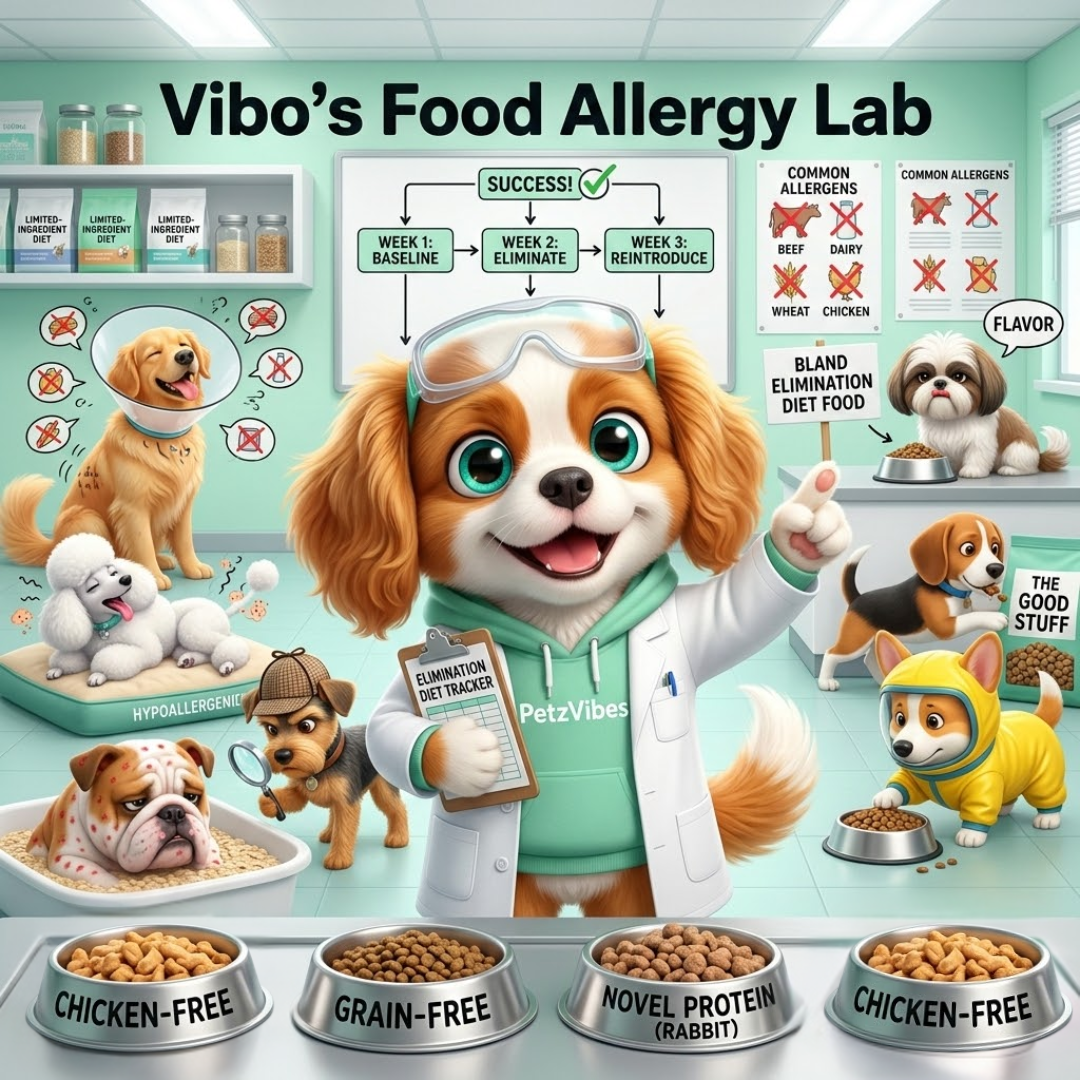
Quick Note: I remember the night I realized something was wrong. My golden retriever, Max, had scratched himself raw again. His belly was red and inflamed, and he’d developed yet another ear infection in just two months.
I felt helpless watching him suffer. Every vet visit ended with another round of antibiotics or steroids, but the symptoms always came back.
Then a holistic veterinarian asked me a simple question: “Have you considered his diet might be the problem?” That moment changed everything for us.
I started researching and discovered that up to 10% of all canine allergies are triggered by ingredients in their daily meals. Common proteins like beef and chicken can become enemies instead of nutrition sources.
The journey to finding the right allergy-free dog food wasn’t easy. I tried multiple brands, read countless labels, and made plenty of mistakes along the way.
But after committing to a proper elimination diet, Max found relief. His scratching stopped, his coat became shiny again, and those painful ear infections disappeared.
I connected with other pet parents facing similar struggles through the community at https://petzvibes.com. Their support and shared experiences became invaluable during the toughest weeks of the transition.
Now I want to share what I learned with you. This guide will walk you through everything I wish someone had told me from the start.
Did you know that identifying the exact trigger ingredient can take 8 to 12 weeks of careful monitoring? That timeline surprised me too, but patience pays off when you see your furry friend comfortable again.
Throughout this guide, I’ll show you how to identify symptoms that point to dietary issues. You’ll learn about elimination diet dog food protocols that actually work.
I’ll explain which ingredients cause the most problems and introduce you to novel proteins that might save the day. We’ll explore hydrolyzed protein options and discuss when they make sense.
Most importantly, I’ll share honest reviews of brands I’ve personally tested with Max. Some worked wonders, while others fell short despite their marketing promises.
You’ll also learn about common mistakes that can sabotage your efforts. Even tiny treats or table scraps can ruin months of progress during an elimination trial.
I know this process feels overwhelming right now. Trust me, I’ve been exactly where you are. But there’s real hope on the other side of this journey.
Key Takeaways
- Elimination diets require a minimum commitment of 8 to 12 weeks to accurately identify trigger ingredients
- Common allergens include beef, chicken, dairy, wheat, eggs, soy, and corn that appear in most commercial formulas
- Symptoms like chronic itching, skin inflammation, digestive upset, and recurring ear infections often signal dietary sensitivities
- Novel proteins (like duck, venison, or rabbit) and hydrolyzed proteins offer two proven approaches for managing reactions
- Success depends on strict adherence with absolutely no treats, table scraps, or flavored medications during the trial period
- Proper identification of trigger ingredients allows you to select appropriate long-term nutrition solutions for your companion
1. Understanding Food Allergies in Dogs: What I’ve Learned from Experience
When my vet explained the difference between food allergies and intolerances, I was lost. I thought all bad food reactions were the same. But I was wrong.
Learning about food allergies changed how I cared for my dog. Research and talking to other pet owners at https://petzvibes.com helped me understand. This knowledge helped me pick the right allergy-free dog food for my dog.
Knowing the difference between food allergies and intolerances is key. It affects which hypoallergenic dog food you choose and how you manage your dog’s diet. Here’s what I’ve learned through my experience and research.
The Difference Between Food Allergies and Food Intolerances
My vet showed me a simple diagram that changed everything. Food allergies make your dog’s immune system think a harmless protein is dangerous. This leads to a full immune response, creating antibodies and releasing histamines.
This reaction causes symptoms like intense itching, hives, swelling, and skin inflammation. My dog would scratch until she bled, which broke my heart every single time.
Food intolerances are different. They’re digestive problems without the immune system attacking. It’s like lactose intolerance in humans—uncomfortable, but not dangerous.
Food allergies are an immune-mediated response to specific proteins, while food intolerances are non-immunologic reactions typically affecting the digestive system.
Here’s what helped me understand the practical differences:
- Food allergies: Cause skin problems, ear infections, and face swelling
- Food intolerances: Lead to gas, bloating, diarrhea, and vomiting
- Food allergies: Require strict elimination and hypoallergenic dog food
- Food intolerances: May improve by simply reducing the problem ingredient
- Food allergies: Can trigger life-threatening anaphylaxis (though rare)
- Food intolerances: Never cause systemic allergic reactions
This distinction completely changed my approach to finding the right allergy-free dog food. I stopped focusing solely on digestive formulas and started looking at true allergen elimination.
How Common Are Food Allergies Really?
I used to think food allergies were everywhere. Every dog parent I met seemed convinced their pet had one. The reality surprised me.
Food allergies account for only about 10-15% of all canine allergies. Environmental allergies—to pollen, dust mites, and mold—are far more common. But here’s the catch: food allergies significantly impact quality of life despite being less prevalent.
When I learned these statistics, I felt both relieved and validated. My dog’s suffering wasn’t imaginary or exaggerated. It was real, just less common than I thought.
| Allergy Type | Percentage of Allergic Dogs | Primary Symptoms | Treatment Approach |
|---|---|---|---|
| Environmental Allergies | 70-80% | Seasonal itching, paw licking, sneezing | Antihistamines, immunotherapy |
| Food Allergies | 10-15% | Year-round itching, ear infections, digestive issues | Elimination diet, hypoallergenic dog food |
| Flea Allergy Dermatitis | 15-20% | Intense scratching at tail base | Flea prevention, topical treatments |
| Contact Allergies | 1-5% | Localized skin reactions | Remove allergen source |
What struck me most was learning that certain breeds face higher risks. Labrador Retrievers, German Shepherds, and Cocker Spaniels appear more susceptible. My mixed-breed rescue fell into this category too.
The veterinary community helped me understand that while food allergies aren’t as common as internet forums suggest, they’re serious enough to warrant proper diagnosis and management through quality allergy-free dog food.
Why Food Allergies Develop Over Time
This concept confused me more than anything else. My dog ate chicken-based food for three solid years with zero problems. Then suddenly, at age four, she started breaking out in hives and scratching constantly.
How could something she’d always eaten suddenly become a problem?
The answer lies in repeated exposure and immune system sensitization. Each time your dog eats a particular protein, their immune system takes note. In some dogs, after months or years, the immune system mistakenly decides that protein is dangerous.
Think of it like a bucket slowly filling with water. Eventually, one more drop causes it to overflow. That’s what happens with food allergies—the immune system reaches a tipping point.
Several factors contribute to this delayed development:
- Genetic predisposition: Some dogs inherit sensitive immune systems
- Gut health changes: Digestive problems can increase allergen exposure
- Environmental triggers: Stress or illness may activate latent sensitivities
- Repetitive exposure: Eating the same protein daily for years increases risk
My veterinarian explained that this is precisely why rotation diets sometimes help. By varying proteins, you potentially reduce the chance of sensitization. But once an allergy develops, you need strict elimination and carefully selected hypoallergenic dog food.
Understanding this timeline helped me stop blaming myself. I didn’t cause my dog’s allergy by feeding her chicken—her immune system simply changed over time. This knowledge empowered me to move forward with solutions instead of guilt.
The journey from confusion to understanding took months. I read research papers, consulted multiple veterinarians, and connected with experienced pet parents online. Every piece of information brought me closer to finding the right allergy-free dog food approach that would give my beloved companion relief.
2. Seven Signs Your Dog Needs Allergy-Free Dog Food
I spent nearly a year treating individual symptoms before I understood they were all connected pieces of the same food allergy puzzle. My dog showed me clear warning signs for months, but I kept missing the bigger picture. Each vet visit addressed one problem—ear infections, skin issues, stomach troubles—without connecting the dots.
Looking back now, I wish someone had given me a straightforward checklist of symptoms to watch for. That’s exactly what I’m sharing with you today. These seven signs were my wake-up call to explore elimination diet dog food, and recognizing them earlier could have saved my dog months of discomfort.
Chronic Itching and Scratching (Especially Paws and Ears)
The scratching started slowly at first. I’d hear my dog scratching at night, but I blamed it on dry skin or seasonal allergies. Then came the 3 AM wake-up calls when she’d scratch so violently that I’d find blood on her bedding by morning.
Her paws became her obsession. She’d gnaw at them constantly, leaving them red and raw between her toes. I didn’t know then that paws and ears contain more histamine receptors than other body parts, making them more itchy during allergic reactions.
The ear scratching was equally relentless. She’d scratch behind her ears with such intensity that she’d yelp in pain, yet couldn’t stop herself. This was my first real clue that something deeper was wrong—something that eventually led me to research elimination diet dog food.
Red, Inflamed Skin and Hot Spots
I discovered the angry red patches completely by accident during a routine belly rub. Under her fur, which had hidden the problem, her skin looked like she’d been burned. The patches felt hot to the touch and were clearly causing her distress.
Hot spots appeared overnight. One evening she seemed fine, and the next morning I found a weeping, oozing patch of skin on her hip that she’d licked raw. These moist, inflamed areas spread quickly and smelled awful—a sign of secondary bacterial infection.
What shocked me most was learning these weren’t isolated skin problems. They were visible signs of internal allergic reactions happening throughout her body. Her immune system was in overdrive, attacking proteins it mistakenly identified as threats.
Recurring Ear Infections
We became regulars at the vet clinic for ear infections. Every three to four weeks, my dog would start shaking her head and pawing at her ears. The vet would prescribe antibiotics and ear drops that would clear things up temporarily.
But the infections always came back. I spent hundreds of dollars treating symptoms without addressing the root cause. The inside of her ears stayed red and inflamed, with a distinctive yeasty odor that I learned to recognize immediately.
My vet suggested that chronic ear infections often indicate food sensitivity instead of environmental allergies. That conversation changed everything. Ears are actually an extension of your dog’s digestive system, and inflammation there often reflects gut inflammation from food triggers.
Digestive Issues: Vomiting and Diarrhea
I’d convinced myself that occasional vomiting was just “normal dog stuff.” Maybe she ate too fast, or found something questionable in the yard. But when I started tracking it, I realized she was vomiting two to three times per week—far from normal.
The diarrhea followed a similar pattern. Soft stools became our everyday reality. I tried switching proteins and brands randomly, which only made things worse because I never gave her system time to stabilize.
These digestive symptoms were her body’s most direct way of rejecting problem ingredients. Finding the best dog food for food allergies meant understanding that her gut was trying to tell me something important. Chronic digestive upset isn’t something to dismiss or manage—it’s a red flag demanding attention.
Hair Loss and Dull Coat
My dog’s coat used to shine like silk. I’d get compliments at the park about how healthy she looked. But gradually, her fur became brittle, dry, and lifeless—like straw instead of soft hair.
Then came the patchy hair loss. Small bald spots appeared around her tail base, on her belly, and near her elbows. The hair would fall out in clumps during brushing, and what remained looked dull and unhealthy.
I learned that your dog’s coat is a direct reflection of internal health. When the body fights constant allergic reactions, it diverts resources away from “non-essential” functions like maintaining a healthy coat. Poor nutrition absorption from inflamed intestines compounds the problem, creating that characteristic dull, thinning appearance.
Excessive Licking and Chewing
The licking drove me absolutely crazy. My dog would lick her paws for twenty minutes straight, making wet, smacking sounds that echoed through the house. I’d redirect her, but she’d return to licking within minutes.
She also chewed at her legs, tail base, and flanks obsessively. The constant moisture from licking created additional skin problems, including bacterial and yeast infections. It became a vicious cycle—the more she licked, the more irritated her skin became, which made her lick even more.
My veterinarian explained that excessive licking is a self-soothing behavior dogs use to cope with discomfort. It releases endorphins that temporarily relieve itching and anxiety. When I started her on elimination diet dog food, watching the licking behavior decrease was one of the most satisfying signs of improvement.
Changes in Energy and Behavior
My once-playful dog became a couch potato. She’d greet me at the door with less enthusiasm and showed little interest in her favorite toys. I attributed it to aging, but she was only four years old—far too young for such dramatic energy decline.
Her mood changed too. She became irritable and would snap when I tried to examine her itchy spots. Sleep became difficult for both of us because she couldn’t settle down comfortably.
Chronic inflammation from food allergies is exhausting for dogs. Their bodies are in constant fight mode, which drains energy and affects mood. When you’re uncomfortable all the time, it’s hard to be your best self—true for dogs just as much as humans.
Quick Symptom Checklist: Does Your Dog Need Allergy-Free Food?
Use this checklist to assess whether your dog might benefit from the best dog food for food allergies:
- Persistent scratching that doesn’t respond to flea treatments or seasonal allergy medications
- Red, inflamed skin specially on the belly, paws, ears, or face
- Ear infections that keep returning despite antibiotic treatment
- Chronic digestive problems including vomiting, diarrhea, or excessive gas
- Coat changes such as dullness, dryness, or patchy hair loss
- Obsessive licking or chewing of paws, legs, or other body parts
- Behavioral changes including lethargy, irritability, or decreased playfulness
- Face rubbing against furniture, carpet, or grass constantly
- Paw chewing that leaves staining (reddish-brown color) on light-colored fur
If your dog shows three or more of these symptoms consistently, it’s time to have a serious conversation with your veterinarian about food allergies. I recommend visiting PetzVibes for additional symptom tracking tools and resources that helped me document my dog’s signs before our vet appointment.
Recognizing these seven signs was the turning point in my journey. Once I stopped treating symptoms individually and saw them as parts of a larger food allergy problem, I could take meaningful action. The path to finding the right allergy-free diet starts with awareness—and that awareness begins with you.
3. What Is an Elimination Diet and Why It Changed Everything for Us
My vet explained elimination diets to me one day. It was a moment of clarity. We’d tried many treatments and spent a lot of money without success. She told us to start fresh with my dog’s diet.
An elimination diet isn’t just switching to allergy-free dog food from the store. It’s a detailed, science-backed way to find out which foods cause allergic reactions in your dog. It’s simple but needs patience and dedication.
The basic idea is to feed your dog a single protein and carbohydrate they’ve never had before. This could be venison and sweet potato, duck and pumpkin, or a hydrolyzed protein formula. By removing all previous foods, you give your dog a clean start.
The Science Behind Elimination Diets
When my vet explained the science, I understood why this allergen-free canine diet works. Food allergies happen when your dog’s immune system mistakes certain proteins for threats. This leads to inflammation, itching, and digestive issues.
Introducing new ingredients is like resetting your dog’s immune system. It doesn’t recognize these new proteins as threats. This allows existing inflammation to heal.
Veterinary dermatologists see elimination diets as the best way to diagnose food allergies. It’s because you see your dog’s real-time reactions. There’s no guessing.
During this time, your dog’s gut heals. Chronic inflammation goes away. Skin issues improve. The immune system gets back to normal without constant triggers.
How Long the Process Actually Takes (8-12 Weeks Minimum)
This process needs serious commitment. My vet said to expect 8-12 weeks minimum for skin symptoms to clear. For dogs with gut issues, it might take 12-16 weeks.
I almost gave up at week five. My dog showed some improvement, but not enough. I doubted if the allergy-free dog food was working.
But my vet encouraged me to keep going. She said the immune system needs time to clear out old allergens. Healing doesn’t happen fast.
The immune system needs time to get rid of inflammation and let tissues heal from chronic allergic reactions.
By week ten, I saw the change I’d been waiting for. My dog’s scratching decreased by about 70%. His ears were no longer red and inflamed. His energy was back to normal. The wait was worth it.
Tracking my progress on petzvibes.com helped me stay on track during tough times. Having support makes a big difference when you feel like giving up.
Why This Method Works Better Than Allergy Testing
Before starting the elimination diet, I’d spent hundreds on allergy testing. My vet did blood tests that showed my dog was allergic to six foods. But switching to foods avoiding those ingredients didn’t help.
I felt frustrated and confused. That’s when my vet told me the truth about food allergy testing. Blood tests and skin tests have high false-positive and false-negative rates for food allergies. They’re better for finding environmental allergens like pollen or dust mites.
The elimination diet gave us answers that testing couldn’t. Instead of relying on possibly wrong lab results, we observed my dog’s real reactions to specific foods. This gave us clear, reliable information.
| Testing Method | Accuracy for Food Allergies | Cost Range | Time to Results |
|---|---|---|---|
| Blood Allergy Tests | Low (30-40% accuracy) | $200-$500 | 1-2 weeks |
| Intradermal Skin Testing | Moderate for environmental, low for food | $300-$600 | Same day results |
| Elimination Diet | High (considered gold standard) | $100-$300 in food costs | 8-12 weeks |
The elimination diet requires patience and discipline more than a simple blood test. You can’t take shortcuts. You must remove all other foods, including treats, table scraps, and flavored medications.
But the results are clear. After my dog finished the 12-week allergen-free canine diet protocol, I knew which ingredients caused problems. When I reintroduced beef, his symptoms came back in three days. This proved it.
Choosing this allergy-free dog food approach was the best decision for my dog’s health. It changed our lives and gave us answers after months of uncertainty. If your dog has suspected food allergies, talk to your vet about elimination diets.
4. Top Six Allergens I Always Avoid in Dog Food
I learned the hard way about the six ingredients that made my dog sick. These common allergens hide in most dog foods under different names. Spotting them helped me find an allergen-free canine diet that worked.
I spent hours reading labels at pet stores. My vet said dogs often get allergies from eating the same proteins over and over. This explained why my dog suddenly reacted to foods she’d eaten for years.
Beef: The Number One Culprit in My Experience
Beef was at the top of my list to avoid. My dog ate beef-based kibble for three years before getting allergies. Many dogs get beef allergies because it’s in so many foods.
Beef hides in many names on labels. Look for beef meal, beef by-products, beef fat, and beef flavoring. Even some “chicken formula” foods have beef fat.
My vet said beef causes more allergic reactions than any other protein in dogs. It’s in most dog foods, making it a big problem for many dogs.
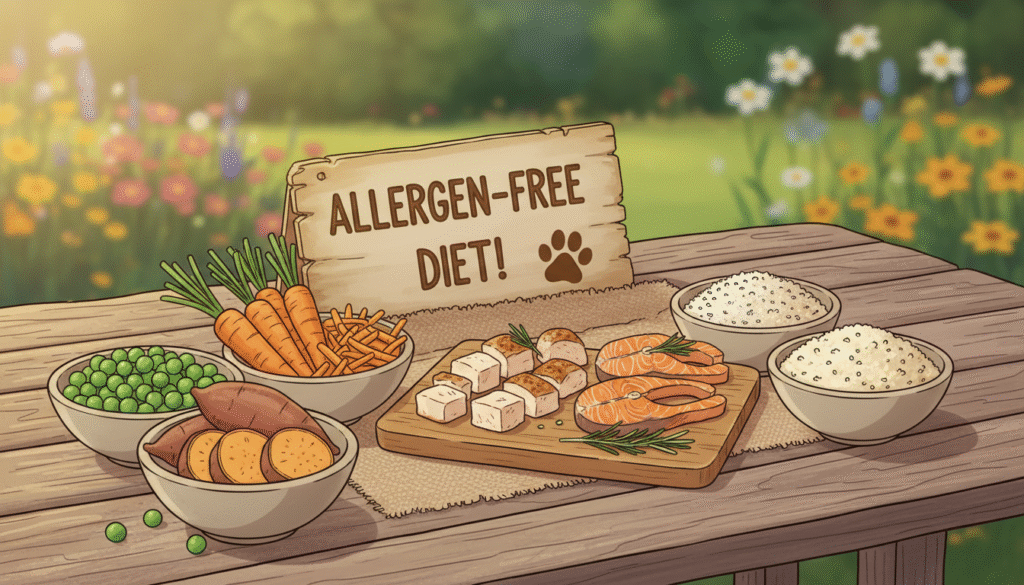
Dairy Products and Why Dogs Don’t Need Them
I used to give my dog cheese as treats. That was a big mistake. Dairy caused her stomach problems and skin inflammation.
Dogs can’t digest lactose after they’re puppies. This makes dairy bad for them, causing allergies and intolerances. I found dairy in treats, kibbles, and even dental chews.
Removing dairy from my dog’s diet helped a lot. Her stomach issues got better first, then her skin.
Wheat and Other Grain-Based Allergens
Grain allergies are not as common as protein allergies. But wheat was a problem for many dogs I met. My dog was okay with some grains but not wheat.
Wheat is in many dog foods as a cheap filler. Look for wheat flour, wheat gluten, wheat germ, and wheat bran on labels. These offer little nutritional value but can cause immune reactions.
Chicken: The Surprising Allergen
Chicken surprised me as an allergen. It’s marketed as safe for sensitive stomachs. Yet, it was a big problem for my dog.
Chicken causes allergic reactions in dogs for the exact same reason beef does—it’s incredibly common in commercial dog foods, leading to repeated exposure and eventual sensitization.
When looking for allergy-free dog food, I found chicken in many products. Chicken meal, chicken by-product, chicken fat, and chicken broth all caused reactions. Even some “fish-based” foods had chicken fat.
Avoiding chicken was harder than avoiding beef. It’s in everything from puppy food to senior formulas to dental treats. I had to read every label twice.
Eggs: Hidden in Many Dog Foods
Eggs are in dog foods as a binder. I didn’t know how common they were until I started my elimination diet. My dog had mild reactions to eggs, like digestive upset and scratching.
Eggs are seen as a “quality” ingredient. Many premium dog foods list eggs on their packaging. But for allergic dogs, even small amounts can cause symptoms.
I learned to watch for whole eggs, egg product, egg powder, and dried egg on labels. Some manufacturers use eggs to boost protein in their formulas. Finding egg-free options was a challenge.
Soy and Corn: Fillers That Cause Problems
Soy and corn were allergens and nutritional dead weight in my dog’s food. These common fillers provided little benefit but triggered immune responses.
Corn is in dog food as ground corn, corn gluten meal, corn bran, and cornmeal. Soy shows up as soybean meal, soy flour, and soy protein concentrate. Both are cheap, making them popular in budget dog foods.
Removing soy and corn from my dog’s diet improved her coat quality. Her fur became shinier and thicker in about six weeks. I hadn’t realized how much these fillers affected her health.
The resources at petzvibes.com helped me become a detective with ingredient labels. I made a reference list on my phone with all the alternative names for these six allergens.
| Allergen | Common Label Names | Why It’s Problematic |
|---|---|---|
| Beef | Beef meal, beef by-products, beef fat, beef flavoring, beef digest | Most common protein allergen due to widespread use in commercial foods |
| Dairy | Milk, cheese, whey, casein, lactose, milk by-products | Dogs lack enzyme to digest lactose; causes digestive and skin issues |
| Wheat | Wheat flour, wheat gluten, wheat germ, wheat bran, wheat middlings | Common grain allergen; provides minimal nutrition as filler |
| Chicken | Chicken meal, chicken by-product, chicken fat, chicken broth, chicken digest | Second most common protein allergen; prevalent in most commercial foods |
| Eggs | Whole eggs, egg product, egg powder, dried egg, egg albumin | Used as binding agent; hidden in many “premium” formulas |
| Soy/Corn | Soybean meal, soy flour, corn gluten meal, ground corn, cornmeal | Cheap fillers with low nutritional value; common allergens |
Learning to identify these six allergens changed everything for us. I took photos of ingredient labels to research at home. Eventually, I memorized which brands actually delivered on their promises of allergy-free dog food.
The key lesson? Never trust the front label marketing. Always flip the bag over and read the complete ingredient list. Manufacturers use creative wording that can hide these common allergens from unsuspecting pet owners.
5. Five Novel Protein Sources That Saved My Dog
Introducing novel proteins changed my dog’s health in amazing ways. The constant scratching stopped, her coat became shiny, and she felt comfortable again. This journey showed me that sometimes, the best solution isn’t in traditional dog food but in new proteins.
Novel proteins are proteins your dog hasn’t eaten before. Because they’re new, your dog’s immune system doesn’t react to them. This makes hypoallergenic dog food with these proteins key for successful diets. It’s important to choose proteins that are truly new to your dog, not just different brands of the same old chicken or beef.
Not all novel proteins work the same for every dog. Each one offers unique benefits, and finding the right one takes patience and observation. Here are the five proteins that made a big difference for my dog and many others.
Venison: My First Success Story
Venison was the first novel protein dog food I tried, and it was a game-changer. After three weeks on the elimination diet, my dog stopped scratching herself. It was a moment of pure relief.
Venison is lean and packed with nutrients like B vitamins, iron, and zinc. Most dogs haven’t eaten deer meat before, making it a great start for elimination diets. I found venison-based formulas from brands like Natural Balance and Taste of the Wild that were affordable and easy to find.
The only downside was the cost. But watching my dog thrive made every penny worth it. She regained her energy and started playing like a puppy again.
Duck and Its Benefits for Sensitive Stomachs
Duck became our second successful protein. I chose it because it’s easy to digest and my dog sometimes had sensitive stomach issues. Duck worked wonders for her.
Duck is rich in amino acids, iron, and selenium. These nutrients boost immune function and provide complete nutrition. It’s also high in omega-6 fatty acids, which are good for skin health.
I found hypoallergenic dog food with duck from brands like Wellness CORE and Fromm. My dog did great with duck, with no digestive issues and improved skin. The only challenge was the higher cost.
Salmon and Whitefish: Omega-Rich Options
Fish proteins were a big discovery for me. They offered dual benefits: they were new proteins for my dog and packed with omega-3 fatty acids that reduced inflammation. This helped her skin heal faster.
I started with salmon-based novel protein dog food from Blue Buffalo Basics. Within six weeks, my dog’s coat looked amazing. The omega-3s from fish worked wonders on her chronic inflammation.
Whitefish varieties like cod and pollock work like salmon but are often cheaper. I alternated between salmon and whitefish to keep her diet interesting and hypoallergenic. Some dogs might not like the taste of fish at first, but mine got used to it quickly.
Rabbit: Unusual But Highly Effective
Rabbit is an exotic protein that’s highly hypoallergenic. When I first suggested it to my vet, she was excited because so few dogs have allergies to it.
I found rabbit-based formulas from brands like Instinct and Zignature. My dog did great with rabbit, with no adverse reactions. Rabbit meat is lean, high in protein, and full of vitamins and minerals. It’s great for dogs who need to stay healthy while on an elimination diet.
The main drawback is the cost and availability. Rabbit-based hypoallergenic dog food can be expensive, sometimes twice as much as venison or duck. Not all pet stores carry it, so I often had to order online. Despite these challenges, rabbit was a big success for us.
Kangaroo and Other Exotic Proteins
When I met other dog owners with multiple protein allergies, I learned about exotic options like kangaroo, bison, and alligator. These proteins are invaluable for dogs with sensitivities to common novel protein dog food sources.
I tried kangaroo-based food from Zignature as a new protein. Kangaroo meat is lean, sustainable, and rare in traditional dog diets. My dog had no reaction to it, showing that the more novel the protein, the better for allergic dogs.
Other exotic proteins I researched include bison (high in omega-3s), wild boar (nutrient-dense), and alligator (extremely hypoallergenic). These options are the most expensive but can be life-changing for dogs with severe allergies. The investment in exotic novel protein dog food can mean the difference between suffering and a comfortable life.
| Protein Source | Availability | Cost Range | Key Benefits |
|---|---|---|---|
| Venison | Widely available | Moderate ($2.50-$4/lb) | Lean, high in B vitamins, commonly used in hypoallergenic formulas |
| Duck | Common in specialty stores | Moderate to High ($3-$5/lb) | Easily digestible, rich amino acids, good for sensitive stomachs |
| Salmon/Whitefish | Widely available | Moderate ($2.50-$4.50/lb) | Omega-3 fatty acids, reduces inflammation, promotes coat health |
| Rabbit | Limited availability | High ($4-$6/lb) | Extremely hypoallergenic, lean protein, rarely causes reactions |
| Kangaroo/Exotic | Specialty online retailers | Very High ($5-$8/lb) | Ultimate novelty, sustainable, ideal for multiple allergies |
Finding the right novel protein for your dog takes patience and observation. Start with more accessible options like venison or fish before trying exotic proteins. Each dog is different, so what works for one might not work for another.
Once you find a successful novel protein, you’ll have a reliable diet for your dog. I keep a rotation of three different proteins to keep her diet interesting and allergy-free. Resources like petzvibes.com help find options that fit your budget and your dog’s needs.
6. Four Types of Allergy-Free Dog Food I Recommend
I learned the hard way that not all allergy-free dog foods are the same. I made expensive mistakes by grabbing any “hypoallergenic” food without understanding the differences. This cost me time, money, and prolonged my dog’s suffering.
The pet food industry offers four distinct types of allergy-free formulas. Each serves a different purpose. Knowing which one fits your dog’s needs can make a big difference.
Limited Ingredient Dog Food: The Starting Point
I always suggest starting with limited ingredient dog food for dogs with mild to moderate allergies. These formulas have just 8-10 ingredients, with a single protein and carbohydrate. This makes it easy to find out what your dog reacts to.
My first successful diet was a limited ingredient formula with venison and sweet potato. It had no additives or complicated ingredients. This simple approach removed common allergens while providing all the nutrients your dog needs.
Limited ingredient dog food is more affordable than prescription options. You can find quality brands for $40-$70 per large bag. They’re great for dogs with single-protein allergies or those just starting the elimination process.
Look for formulas that list every ingredient clearly. The protein should come first, followed by the carbohydrate. The rest should be vitamins, minerals, and supplements you can recognize.
Veterinary Hypoallergenic Dog Food: Prescription Options
When limited ingredient formulas didn’t work, my vet recommended veterinary hypoallergenic dog food. These prescription foods undergo rigorous testing that regular foods don’t need. They have higher quality control standards.
Prescription hypoallergenic foods use unusual or hydrolyzed proteins. They’re made in dedicated facilities to avoid common allergens. This is important for dogs with severe food allergies.
The downside is the cost and availability. These foods require a vet’s prescription and cost $80-$120 per bag. But for dogs with severe allergies, they’re often worth the investment.
Veterinary hypoallergenic dog food works best for moderate to severe cases. They’re backed by research, not just marketing claims. When you need reliable results, prescription options are the best choice.
Grain-Free Dog Food for Allergies: When It Makes Sense
The grain-free trend isn’t right for every dog with allergies. I only suggest grain-free dog food for allergies if your dog has tested positive for grain sensitivities. Protein allergies are more common in my experience.
My dog tolerates rice and oats well. We found his issues were with chicken and beef, not grains. Avoiding grains unnecessarily can sometimes cause new problems.
The FDA is studying a link between grain-free diets and a serious heart condition. This research is ongoing, but it’s made me cautious. Always talk to your vet before switching to grain-free options.
If your dog needs grain-free food, choose formulas with nutrient-dense alternatives like sweet potatoes or peas, not just empty fillers.
When grain-free dog food for allergies is right, pick brands that list taurine and L-carnitine clearly. These nutrients support heart health and should be on the label.
Hydrolyzed Protein Diets: For Severe Cases
Hydrolyzed protein diets are the “nuclear option” for food allergies. They break proteins down into tiny fragments that your dog’s immune system can’t recognize. It’s fascinating science.
I first tried hydrolyzed protein diets with a rescue dog who reacted to every protein source. The hydrolysis process prevents allergic reactions. For dogs with multiple protein allergies, this can be life-changing.
These diets are always prescription-only and are the most expensive option. They’re not tasty—my dogs didn’t like the taste. But for dogs with severe allergies, taste is less important.
I recommend hydrolyzed protein diets for dogs who’ve failed multiple elimination diets. They’re also good for setting a clean baseline before introducing foods again.
| Food Type | Best For | Cost Range | Availability |
|---|---|---|---|
| Limited Ingredient | Mild to moderate allergies, starting elimination diets | $40-$70 | Pet stores, online retailers |
| Veterinary Hypoallergenic | Confirmed food allergies, moderate to severe symptoms | $80-$120 | Prescription required, veterinary clinics |
| Grain-Free | Confirmed grain sensitivities only | $50-$90 | Widely available, consultation recommended |
| Hydrolyzed Protein | Severe allergies, multiple protein sensitivities | $90-$140 | Prescription required, specialized retailers |
Choosing the right type depends on your dog’s specific situation and allergy severity. Start with limited ingredient formulas unless a vet has diagnosed severe allergies. The choice should progress from simplest to most specialized as needed.
For more comparisons and brand reviews, check petzvibes.com alongside your vet’s advice. The right food can greatly improve your dog’s life. But, the choice requires careful consideration of symptoms, budget, and professional recommendations.
7. My Top Five Allergy-Free Dog Food Brands I’ve Actually Tested
I’ve fed my dog five allergy-free dog food brands and shared the results. These aren’t just recommendations. I bought them with my own money and watched my dog’s symptoms change.
Some worked great, while others didn’t meet my expectations. But all five are worth considering, depending on your dog’s needs and your budget.
The Veterinarian’s First Choice: Hill’s Prescription Diet z/d
My vet first suggested Hill’s Prescription Diet z/d for my dog’s food allergies. This started my search for the best dog food for allergies.
Hill’s z/d uses hydrolyzed chicken protein that’s too small to trigger allergies. It has a single carb source and is very digestible. My dog’s skin improved in six weeks.
Pros I experienced:
- Clinically proven formula with veterinary backing
- Fast results for itching and inflammation
- Comprehensive nutrition without compromises
- Consistent quality batch to batch
Cons I encountered:
- Expensive at $70-90 per large bag
- Requires veterinary prescription
- Some dogs find the taste unappealing at first
- Limited availability compared to retail brands
The investment in prescription hypoallergenic dog food paid off when I saw my dog stop scratching for the first time in months.
Royal Canin Hydrolyzed Protein HP: The Severe Allergy Solution
I tried Royal Canin Hydrolyzed Protein HP to compare with Hill’s z/d. It uses hydrolyzed soy protein for a different protein source.
It worked just as well as Hill’s z/d. My dog’s ear infections stopped, and digestive issues resolved. My dog liked the taste better.
Pros from my testing:
- Excellent for severe allergic reactions
- Scientifically formulated with research backing
- Better palatability for picky eaters
- Supports both skin and digestive issues
Cons I noticed:
- Comparable high cost to Hill’s
- Prescription requirement limits access
- Contains soy (concern for some owners despite hydrolysis)
Natural Balance L.I.D. Sweet Potato and Venison: The Budget Winner
After my dog stabilized, I looked for a cheaper option. Natural Balance L.I.D. Sweet Potato and Venison was half the price of prescription foods and worked well.
This limited ingredient formula uses venison and sweet potato. It has a simple ingredient list. My dog stayed healthy while I saved money.
Pros I appreciated:
- Affordable at $45-55 per bag
- Available without prescription at most pet stores
- Worked well for maintenance after initial elimination
- Simple ingredient list easy to understand
Cons I discovered:
- Not suitable for severe active allergies
- Less rigorous testing than prescription options
- Quality can vary between production batches
Blue Buffalo Basics Limited Ingredient Turkey and Potato: Quality Ingredients Matter
Blue Buffalo Basics caught my eye for its focus on quality ingredients without common allergens. The turkey and potato formula offers a new protein option for dogs not exposed to turkey.
I tested this brand after my dog’s allergies stabilized. The LifeSource Bits add antioxidants, vitamins, and minerals. My dog’s coat stayed healthy and energy levels were good.
Pros from my experience:
- No chicken or beef by-products
- Includes beneficial antioxidants
- Reasonable mid-range pricing
- Widely available at retail stores
Cons I found:
- Turkey may not be novel for all dogs
- More expensive than Natural Balance
- Contains more ingredients than strictest limited diets
Wellness CORE Grain-Free Ocean Formula: The Fish-Based Alternative
Wellness CORE Ocean Formula is great for dogs needing fish-based proteins. It combines salmon and whitefish for omega-3 fatty acids that help skin health and manage allergies.
My dog’s coat became shinier on this food. The grain-free formula worked well, but I watched for DCM research discussions.
Pros I observed:
- Rich in omega-3s for skin and coat health
- Grain-free for dogs sensitive to grains
- Good protein content supports muscle health
- Fish provides a truly different protein source
Cons from testing:
- Grain-free concerns related to DCM research
- Not as limited in ingredients as others
- Some dogs dislike fish flavors
- Higher price point than budget options
| Brand | Protein Source | Price Range | Prescription Required | My Effectiveness Rating |
|---|---|---|---|---|
| Hill’s Prescription Diet z/d | Hydrolyzed Chicken | $70-90 | Yes | 9/10 (Severe cases) |
| Royal Canin HP | Hydrolyzed Soy | $70-90 | Yes | 9/10 (Severe cases) |
| Natural Balance L.I.D. | Venison | $45-55 | No | 7/10 (Maintenance) |
| Blue Buffalo Basics | Turkey | $55-65 | No | 7/10 (Moderate cases) |
| Wellness CORE Ocean | Salmon/Whitefish | $60-70 | No | 8/10 (Fish-based needs) |
For more brand reviews and pricing, visit petzvibes.com. The right choice depends on your dog’s symptoms, your budget, and their protein exposure history.
8. Six Steps to Successfully Implement an Elimination Diet
When my vet first mentioned an elimination diet, I was lost. I wanted to help my dog’s constant scratching and digestive issues. After months of trying, I found a system that worked.
The elimination diet process is not quick or easy. But following these six steps helped me. I wish I had this guide from the start to avoid weeks of frustration and costly mistakes.
Get Veterinary Guidance Before Starting
I learned the hard way to get vet guidance before starting an elimination diet. Not ruling out other conditions first was my biggest mistake. Skin infections, parasites, and hormonal imbalances can mimic food allergy symptoms.
My vet ran baseline tests before we started. These included blood panels, thyroid tests, and skin scrapings. The tests showed my dog had a secondary yeast infection complicating her food allergies.
Your vet will also ensure the diet is complete. Some novel proteins lack essential nutrients if not balanced. I almost chose a homemade diet that would have caused serious deficiencies.
Working with a vet prevents dangerous nutritional gaps and helps understand realistic timelines. My vet told me to be patient because results wouldn’t come overnight. This kept me from giving up too soon.
Choose a Single Novel Protein and Carbohydrate
Choosing the right novel protein was overwhelming. I had to review every food my dog had eaten. This meant going through old receipts, treat packages, and even remembering table scraps she’d stolen.
My dog had eaten chicken, beef, lamb, turkey, and pork in various foods. She’d also had rice, wheat, corn, and oats as carbs. I made a detailed list of everything she’d been exposed to, no matter how small the amount.
I chose venison and sweet potato for our first trial. Neither ingredient had ever touched her bowl before. The key is selecting proteins your dog has absolutely zero previous exposure to, which eliminates existing sensitivities.
Some vets recommend unusual proteins like kangaroo or alligator. I stuck with venison because it was easier to find. The sweet potato provided a novel carb source that’s easy to digest.
Eliminate ALL Other Food Sources
This step tested my determination more than any other. I had to become a detective in my own home, tracking down every possible source of unauthorized food. The phrase “ALL other food sources” means exactly that—no exceptions whatsoever.
I removed every treat from the house and locked them in a cabinet my dog couldn’t access. I stopped giving her flavored heartworm medication and switched to unflavored tablets. Even her toothpaste had to change because the chicken-flavored version contained allergens.
The biggest challenge came from well-meaning family members. My mother-in-law kept sneaking my dog small bites of cheese “because she looked so sad.” I had to have several firm conversations explaining that even tiny exposures could ruin months of work.
I also discovered hidden food sources I never considered. My dog was stealing food from the cat’s bowl when I wasn’t watching. She found crumbs under the dining table. She even learned to open the kitchen trash can to scavenge.
One small slip-up can reset the entire elimination timeline back to day one. I installed baby gates, moved pet food bowls, and became hypervigilant about dropped food. It felt extreme, but this level of control was absolutely necessary.
Maintain a Detailed Daily Journal
Documentation became my most valuable tool during the elimination diet process. I created a simple journal system that took less than five minutes each day. This record helped me identify patterns I never would have noticed.
Every evening, I recorded specific observations about my dog’s symptoms. I rated her scratching frequency on a scale of 1-10, described her stool quality, and noted her energy levels. I also took weekly photos of her skin condition to track visual changes.
My journal included the exact amount of food I fed each day and the precise times. I documented any possible exposures, even suspected ones. When my dog got into the trash once, I wrote down everything that might have been in there.
The most surprising benefit came at week six when I felt discouraged. Looking back through my journal showed clear improvement I hadn’t consciously noticed. Her scratching had decreased from an 8 to a 4, even though it seemed constant in the moment.
| Week | Transition Protocol | Expected Changes | Journal Focus |
|---|---|---|---|
| Week 1-2 | Gradual food transition (75%/25%, then 50%/50%, then 25%/75%) | Possible digestive adjustment, minimal allergy improvement | Stool quality, appetite, transition tolerance |
| Week 3-4 | 100% new elimination diet dog food | Slight reduction in scratching, clearer eyes | Scratching frequency, skin redness, ear condition |
| Week 5-8 | Strict maintenance of single protein/carb | Significant improvement in itching, healing hot spots | Coat quality, energy levels, overall symptom reduction |
| Week 9-12 | Continue if needed for complete symptom resolution | Near-complete symptom elimination, coat regrowth | Baseline establishment for reintroduction phase |
Stick to the Diet for at Least 8 Weeks
The waiting period nearly broke my resolve multiple times. At week four, I saw minimal improvement and seriously considered quitting. My dog’s scratching was regular, and I wondered if I was wasting time and money on expensive novel protein food.
My vet explained that food allergies take 6-12 weeks to fully clear from a dog’s system. The proteins that caused reactions needed time to leave her body. Any improvement before week six was actually a bonus, not the expected timeline.
I marked a calendar with the 8-week endpoint and committed to not evaluating results until that date. This mental shift helped me stop obsessing over daily changes. Instead of checking her skin every few hours, I focused on consistent execution.
The breakthrough came at week seven. I suddenly noticed my dog wasn’t scratching during our morning walk. Her ears looked cleaner than they had in months. By week eight, the transformation was undeniable—her coat was shinier, hot spots had healed, and her energy had returned.
Some dogs need the full 12 weeks to show dramatic improvement. If I’d stopped at week five like I wanted to, I would have missed the success completely. Patience during this phase separates successful elimination diets from failed attempts.
Carefully Reintroduce Foods One at a Time
Once my dog reached a symptom-free baseline at week nine, we began the reintroduction phase. This step identifies specific allergens and doesn’t keep your dog on a restricted diet forever. The process requires just as much discipline as the elimination phase.
I started with chicken because it was the most common protein in commercial dog foods. I added a small amount of plain, cooked chicken breast to her venison meals for two weeks. Within five days, the scratching returned with a vengeance.
I immediately removed the chicken and waited for symptoms to resolve again, which took about two weeks. This confirmed chicken as my dog’s primary allergen. Each possible allergen requires its own 2-week trial period followed by symptom monitoring.
Next, I tested beef using the same protocol. She tolerated it perfectly with no reaction. Over the following months, I systematically tested other proteins and found she could eat beef, fish, and turkey without problems.
The reintroduction phase takes patience, but it opens up your dog’s diet significantly. Instead of a lifetime on expensive venison food, I now rotate between several protein sources she tolerates well. This variety provides better nutrition and reduces food costs considerably.
I keep a permanent list of safe and unsafe foods posted on my refrigerator. When buying new products, I check ingredient labels against this list. This system prevents accidental exposures and makes shopping much simpler.
9. How I Monitor My Dog’s Progress During Elimination Diets
Starting my dog’s elimination diet was a game-changer. Keeping a detailed record was key to success. Without tracking, I might have missed important signs of improvement.
Tracking progress requires dedication and consistency. It’s not enough to rely on memory. My vet said that objective data is always better than personal opinions when checking if the new food is working.
What to Document Every Single Day
I made a daily checklist to stay organized. Every evening, I spent ten minutes noting my dog’s condition. This routine was as important as feeding time.
Scratching frequency was my first metric. I counted and recorded every scratch. At first, my dog scratched about forty times a day.
Stool consistency was another key measurement. I used a dog version of the Bristol Stool Chart. My vet gave me this chart to rate consistency from one (hard pellets) to seven (liquid diarrhea). I recorded every bowel movement for a month.
I took photos of problem areas every three days. These pictures were invaluable. They showed changes I couldn’t see every day. Hot spots, redness around ears, and skin inflammation were all documented with dates and timestamps.
Energy levels were rated on a scale from one to ten. My dog started at a concerning four but gradually improved. This single number told me a lot about their wellbeing.
Appetite changes were also tracked. I noted if my dog finished meals, showed enthusiasm at feeding time, or was reluctant. Decreased appetite sometimes signaled that the new protein disagreed with their system.
The most important column in my tracking sheet was about exposure to allergens. I recorded every item that went into my dog’s mouth, including medications, dental chews, and even dropped food.
| Daily Metric | How to Measure | Frequency | What to Record |
|---|---|---|---|
| Scratching Episodes | Count and tally throughout day | Continuous tracking | Number of episodes, body location, intensity level |
| Stool Quality | Bristol Chart rating (1-7) | Each bowel movement | Consistency score, frequency, any blood or mucus |
| Skin Condition | Visual inspection and photos | Every 3 days | Redness, hot spots, inflammation, ear discharge |
| Energy Level | Subjective scale (1-10) | Daily evening rating | Overall activity, playfulness, lethargy indicators |
| Food Intake | Percentage of meal consumed | Each feeding | Appetite enthusiasm, completion rate, refusals |
Signs of Improvement to Watch For
Understanding the timeline of improvement kept me motivated. Changes were gradual, not sudden. I had to notice small shifts to see the allergy-free dog food working.
The first improvement I noticed was reduced scratching intensity. My dog scratched less, with less desperation. The frantic quality went away around week three. Without my daily counts, I might have missed this change.
Ear redness decreased next, around week four. The angry red color faded to pink, and head shaking reduced by half. I checked ears every morning and saw gradual but consistent improvement.
Digestive improvements came in two waves. Stool consistency improved first, moving from a five to a three within five weeks. Complete resolution of diarrhea took eight weeks. For dogs with sensitive stomachs, digestive changes may come faster than skin improvements.
Coat texture changed around week six. The dull, brittle fur became softer and healthier. I felt the difference in my dog’s coat every day before I could see it.
Hot spots were the last symptom to resolve completely. These angry, oozing patches healed after ten weeks of strict diet adherence. The timeline showed that skin symptoms take longer to heal than digestive issues.
Research shows that improvements may appear within three to four weeks for some skin symptoms. But, complete resolution can take twelve to sixteen weeks for gastrointestinal issues. Every dog responds differently to elimination diets.
When to Adjust Your Approach
Not every elimination diet goes smoothly. I learned to recognize when changes were needed instead of sticking to a plan that wasn’t working. Three specific situations required adjustments to my approach.
Worsening symptoms signaled a problem with my protein choice. If your dog’s condition gets worse on the new food, the protein might not be novel enough. They might have been exposed to it before or it could trigger allergies.
I faced this situation with venison. After six weeks, my dog’s improvement plateaued at seventy percent. Itching decreased but never fully went away. I realized my dog had had venison treats months earlier that I had forgotten about.
Switching to duck as the novel protein meant starting the twelve-week timeline over. This felt discouraging, but within three weeks on duck, I saw improvements that surpassed the venison results. Sometimes, you need to change direction instead of sticking to the original plan.
Zero improvement after twelve weeks of strict adherence indicates food allergies may not be the issue. If you see no positive changes after three months, environmental allergies or other health conditions might be the real problem. This situation requires veterinary investigation beyond diet modification.
Hidden allergen exposure can ruin even the most careful elimination diet. I found out my dog was getting flavored medications with chicken byproducts. This hidden source explained why improvement stalled. Switching to unflavored versions of the same medications allowed the sensitive stomach dog food trial to work properly.
Family members can also be a source of hidden exposure. I had to have firm conversations with relatives who wanted to sneak treats to my dog. One well-meaning visitor nearly derailed six weeks of progress with a single beef jerky treat.
Having a troubleshooting mindset helped me stay flexible. When progress stalled or symptoms returned, I reviewed my documentation for patterns. Most problems had solutions once I identified the source of continued allergen exposure.
For more monitoring resources and tracking templates, visit https://petzvibes.com. There, I share downloadable charts and detailed guidance based on my experience.
10. Five Mistakes I Made So You Don’t Have To
If someone had warned me about these five critical mistakes before I started the elimination diet dog food process, I would have saved myself months of frustration. Instead, I learned these lessons the hard way—through trial, error, and watching my dog suffer unnecessarily. My hope is that sharing these embarrassing moments will help you avoid the same pitfalls I fell into.
These weren’t small oversights. Each mistake cost me weeks of progress and forced me to restart the entire process from scratch. But the silver lining is that every failure taught me something valuable about what really works.
Giving Up After Three Weeks (Too Soon!)
My first attempt at an elimination diet failed spectacularly because I quit after just three weeks. I saw no improvement in my dog’s scratching, and I convinced myself that venison wasn’t the right protein. I felt defeated and certain I was wasting my time.
What I didn’t know then was that most dogs need six to ten weeks before visible improvements appear. The skin needs time to heal, and the immune system requires weeks to calm down after removing the allergen. By abandoning the diet at week three, I threw away all that progress and had to start completely over.
The second time around, I committed to the full eight weeks no matter what. Around week six, I noticed the constant paw licking had decreased. By week eight, the difference was undeniable. Patience became my most important ingredient in the elimination diet dog food journey.
The hardest part of any elimination diet isn’t choosing the right food—it’s having the discipline to stick with it long enough to see results.
Not Reading Ingredient Labels Carefully Enough
Here’s my most embarrassing mistake: I bought “venison formula” treats thinking they were safe for my dog’s elimination diet. After two weeks of confusing results, I actually read the full ingredient list. Chicken meal was the third ingredient.
I had trusted the front-of-package marketing without doing my homework. That one oversight contaminated weeks of careful feeding and kept me from getting accurate results. I felt like a complete fool.
Now I’m a label detective. I’ve learned to watch for sneaky ingredients that hide common allergens:
- Animal fat – which animal exactly?
- Natural flavors – derived from what protein source?
- Meat by-products – this could be any meat
- Broth or stock – often chicken-based even in “beef” foods
Ingredients are listed by weight, so even if chicken appears fourth or fifth, it’s present. When following elimination diet dog food protocols, even trace amounts matter. The back label tells the truth—the front label sells the product.
Letting Family Sneak Treats to My Dog
This mistake nearly destroyed my relationship with my mother-in-law. I discovered she’d been giving my dog his old treats during her weekly visits because “one little treat won’t hurt.” She thought I was being overly dramatic about his food restrictions.
Those “harmless” treats contained beef and chicken—both allergens I was trying to eliminate. Even small exposures can trigger allergic reactions and completely derail your progress. I had to have a difficult conversation about respecting the dietary protocol.
I learned that clear communication with family members is key. I created a simple information sheet explaining why the elimination diet mattered and what could happen if anyone broke the rules. I also bought special hypoallergenic treats and kept them at her house, so she could spoil my dog without breaking the diet.
The conversation was uncomfortable, but necessary. I explained that every unauthorized treat meant potentially restarting the entire eight-week process. Once family members understood the stakes, they became my strongest supporters instead of my biggest obstacles.
Switching Foods When I Didn’t See Immediate Results
Impatience got the best of me during my second attempt. After four weeks on venison with minimal improvement, I switched to duck. I thought I was being proactive and trying different options.
What I actually did was restart the eight-week clock. By switching proteins mid-process, I wasted those first four weeks entirely. I had to begin from scratch with the new protein source and wait another full cycle for results.
I learned that consistency is absolutely critical with elimination diet dog food approaches. You should only switch proteins if symptoms actually worsen, not just because progress feels slow. Stick with your chosen novel protein for the full duration unless your veterinarian advises differently.
Looking back, if I’d just maintained the venison diet for four more weeks, I would have seen the improvement I was desperately hoping for. My impatience cost me an extra month of watching my dog suffer.
Forgetting About Hidden Allergens in Medications
The day I realized my mistake with medications was both enlightening and infuriating. My dog’s monthly heartworm preventative was a beef-flavored chewable. I’d been giving him a hidden allergen exposure every single month without realizing it.
Flavored medications are everywhere, and I’d completely overlooked them. His joint supplement contained chicken flavoring. Even his toothpaste had fish derivatives. These hidden sources were sabotaging my careful elimination diet.
I called my veterinarian and asked about alternatives. We switched to:
- Non-flavored heartworm tablets
- Unflavored joint supplements in capsule form
- Enzymatic toothpaste without animal proteins
Within two weeks of eliminating these hidden allergen sources, I noticed improved results. The community at petzvibes.com helped me identify medication blind spots I’d never considered. Other pet parents shared their own medication discoveries, which saved me countless hours of detective work.
Check every single thing that goes into your dog’s mouth—medications, supplements, dental products, and even the pills you hide in food. These hidden allergens can completely undermine your elimination diet dog food efforts without you ever knowing why.
These five mistakes taught me that success with elimination diets requires attention to detail, patience, family cooperation, and thoroughness. I share them with humor and humility because I know I’m not the only one who’s made these errors. Learn from my failures, and your path will be much smoother than mine was.
11. When You Need to Call the Veterinarian
My first scary experience with a severe allergic reaction taught me a lot. I learned that some situations need immediate help from a vet. Knowing when to call can save your dog’s life.
I always have my vet’s emergency number ready. I’ve learned to spot the signs that mean I need to call for help, not just wait and see.
Severe Reactions That Need Immediate Attention
Some symptoms are too serious to wait for morning. My dog’s facial swelling after a new protein was a hard lesson.
Call your vet right away if you see these emergency signs:
- Facial swelling, like around the eyes or muzzle (could be anaphylaxis)
- Hard to breathe, wheezing, or too much drooling
- Suddenly collapsing or being very tired and not responding
- Throwing up a lot or having bloody diarrhea
- Having seizures or shaking a lot
- Hives spreading fast over a big area of the body
Most food allergy symptoms take days or weeks to show up. But sometimes, a dog can have a severe reaction right away. This happened to my dog during week ten of our diet change.
My dog’s face swelled up in two hours after trying a new treat. I took him to the emergency vet, who gave him antihistamines and watched him for three hours. The vet said some dogs can have a quick reaction to certain proteins.
“Any symptom that seems life-threatening should get you to call the vet right away. Food allergies usually cause long-term symptoms, but sudden reactions need emergency care.”
Don’t hesitate in emergencies. I’d call ten times if I had to, to make sure my dog is okay. My vet said she prefers it when pet owners call quickly.
When Home Elimination Diets Aren’t Enough
Not every dog does well with home diets. After twelve weeks, my dog’s symptoms improved only 70%.
He was scratching and had some skin redness left. I was disappointed after all my hard work. My vet said there could be other reasons for the incomplete improvement.
Consider vet help if you see these signs:
- No change after 12+ weeks of strict diet
- Symptoms get better but then stop improving at 60-70%
- Worsening symptoms despite diet changes
- Think you might have environmental allergies too
- Over-the-counter foods haven’t worked
My vet did bloodwork at twelve weeks to check for other issues. Conditions like thyroid disease or Cushing’s can look like food allergies. The test showed my dog’s thyroid wasn’t working right, which explained his skin issues.
Some dogs need special vet food, not just limited ingredient diets. This food has proteins broken down so they don’t trigger allergies. My vet switched us to this, and in three weeks, my dog’s symptoms got much better.
Food-responsive dermatitis is different from true food allergies. It looks similar but involves different immune reactions. Only a vet dermatologist can tell the difference.
Environmental allergies often mix with food allergies, making things harder. If your diet works but symptoms come back with the seasons, it might be environmental allergies.
The Role of Intradermal Allergy Testing
After ruling out food allergies, my vet suggested intradermal testing. I thought it was for food allergies, but it’s not.
This test finds environmental allergens like pollen and dust mites. It involves injecting small amounts of allergens under the skin and watching for reactions. It’s like human allergy testing.
This test doesn’t find food allergies—diets do. But it was key in finding my dog’s environmental triggers after we fixed his diet.
The results were surprising. My dog reacted to grass pollen, dust mites, and ragweed. This explained why his symptoms got worse in spring and fall.
My vet created a plan to help my dog. We use air purifiers, wash his bedding, and limit outdoor time when pollen is high.
Some dogs need special shots or drops to build up a tolerance to allergens. We’re looking into this for my dog’s allergies.
Ask your vet these questions at different times:
- Should we do bloodwork before starting a diet?
- What vet food do you recommend if regular diets don’t work?
- When should we try intradermal testing?
- Should we see a vet dermatologist?
- What symptoms need emergency care versus waiting until morning?
Finding the right vet is key. I changed vets after my first one didn’t take my concerns seriously. My new vet is great at handling food allergies.
If you need a vet dermatologist, petzvibes.com has a vet finder. These specialists can help with complex allergy cases.
Managing food allergies is a team effort. I handle the diet and watch for symptoms, while my vet provides medical advice and tests. This teamwork has helped my dog a lot.
12. Living Long-Term with Food Allergies: My Ongoing Journey
It’s been three years, and managing my dog’s food allergies has taught me a lot. Success comes from creating systems that work for everyone in the house. The first steps were tough, but now, making the right choices is second nature.
Having a dog with food allergies has changed how we all care for pets. Every decision, from shopping to planning trips, considers my dog’s diet. After three years, these changes feel natural, and seeing my dog happy makes it all worth it.
Creating an Allergy-Safe Home Environment
I started by setting up special storage for my dog’s food. I keep her sensitive stomach dog food in a separate cabinet. This prevents accidents from other pets’ food or human snacks.
We have a rule about dropping food on the floor. Everyone picks it up right away to keep my dog safe. It took some time to teach my kids this new habit.
Teaching visitors about my dog’s allergies is key. A friend once gave her chicken, which set back our progress. Now, I have a card on my fridge explaining her allergies and safe treats.
I also switched to unscented cleaners. Some fragrances were making my dog’s skin worse, even with the right diet. Natural cleaners have helped a lot.
I always have extra allergy-free dog food ready. The pandemic taught me to never wait for last-minute orders. Having a backup plan is essential.
Travel and Emergency Preparedness
Traveling with a dog with food allergies is challenging. My first trip was a disaster when we ran out of food. I had to call every pet store to find her special food.
Now, I pack pre-portioned meals in a cooler. I always have extra food, just in case. This has saved us many times when plans change.
I research our destination before we go. I find vet clinics and pet-friendly hotels. This helps ensure my dog’s needs are met.
I have a letter from my vet explaining my dog’s diet. This helps when explaining her needs to others. I keep copies everywhere.
Budget-Friendly Long-Term Strategies
Keeping my dog on sensitive stomach dog food is expensive. Her food costs more than regular food. But, I’ve found ways to save money without sacrificing her health.
Buying in bulk during sales helps a lot. When there are deals, I stock up. I check expiration dates to keep food fresh.
Manufacturer loyalty programs and coupons save money. I signed up for emails from the brands I use. These programs offer discounts and rebates.
I compare prices online and in stores. Sometimes, online stores have better deals. I track costs to find the best deals.
My vet told me about rebate programs for special food. These programs offer big savings. The paperwork is worth it for the savings.
I’ve thought about making my dog’s food myself. This could save money. But, I need to make sure it’s balanced and healthy.
Building a Support Network
Managing food allergies is emotionally challenging. At first, I felt alone. But, finding a community changed everything.
Online forums have been a huge help. At https://petzvibes.com, I found support and advice. It’s great to share experiences and get help.
Local training classes have also helped. Meeting others who understand has been a big help. We share tips and look out for each other.
My vet’s waiting room has become a place to meet others. We’ve made friends and share tips. It’s great to have support.
| Management Area | Key Strategies | Estimated Monthly Cost | Time Investment |
|---|---|---|---|
| Home Environment | Separate food storage, visitor education, unscented cleaners, emergency supply maintenance | $5-10 (cleaning products) | 2-3 hours initial setup, 30 minutes weekly maintenance |
| Travel Preparedness | Pre-portioned meals, cooler storage, destination research, documentation preparation | $15-20 (travel supplies) | 1-2 hours per trip planning |
| Budget Management | Bulk buying, loyalty programs, price comparison, manufacturer rebates | $65-85 (food costs with savings applied) | 3-4 hours monthly (shopping and tracking) |
| Support Network | Online communities, local connections, veterinary resources, peer support groups | $0 (free resources) | 1-2 hours weekly (community engagement) |
Managing my dog’s food allergies for three years has been worth it. My dog is healthier and happier. The systems and support I’ve built make it easier every day.
The key to long-term success with food allergies isn’t willpower—it’s creating an environment and support system that makes the right choices easy and sustainable.
The journey is challenging, but seeing my dog thrive makes it all worth it. The strategies I’ve shared are lessons learned. I hope they help you manage your dog’s allergies too.
Conclusion
After months of trial and error, I found the best dog food for food allergies for my dog. It changed her life from constant scratching and digestive issues to happiness. This change was truly miraculous.
This journey taught me a lot about dog nutrition and patience. It wasn’t easy, but every challenge was worth it.
Here are the key lessons I learned:
- Recognition is the first step: Signs like itching, red skin, and digestive issues mean your dog needs help.
- Time commitment matters: Elimination diets take 8-12 weeks to work. Rushing will only make things worse.
- Know your enemies: Common allergens include beef, dairy, wheat, chicken, eggs, soy, and corn.
- Novel proteins save lives: Proteins like venison, duck, and salmon helped my dog.
- Options exist for every budget: There are many affordable options, from limited ingredient diets to veterinary formulas.
I followed a six-step elimination diet protocol. It included getting vet advice, choosing a novel protein, and keeping a food journal. This helped me stay on track.
I learned from my mistakes so you don’t have to. Don’t give up too early or overlook hidden ingredients. Impulsive changes and ignoring allergens in meds can slow healing.
Monitoring my dog daily was key. I tracked symptoms and skin changes to spot patterns.
Remember, you’re not alone. Connecting with other pet parents helped me a lot when I felt overwhelmed.
I tested several brands, including Hill’s Prescription Diet z/d and Royal Canin Hydrolyzed Protein HP. Each had its own benefits, depending on your dog’s needs and budget.
If you think your dog has food allergies, act fast. Start with a vet visit to rule out other conditions and create a diet plan.
Committing to an elimination diet today will greatly improve your dog’s life tomorrow. It’s a journey that requires dedication, but the reward is huge.
For support and updates, visit petzvibes.com. You’ll find resources and connect with others facing similar challenges.
Improving your dog’s life starts with proper nutrition and an elimination diet today. Your dog is counting on you, and the effort is worth it.
Resources
I’ve gathered trusted sources to help understand food allergies better. These organizations gave me the scientific facts I’ve shared with you.
The American Kennel Club has clear info on canine food allergies. It’s easy for any pet owner to understand. For deeper knowledge, the American College of Veterinary Dermatology offered insights into food allergies’ skin effects.
For more research, I looked at Veterinary Clinics of North America: Small Animal Practice. They publish studies on elimination diets. The FDA Center for Veterinary Medicine helped me understand pet food safety and labeling rules.
The Journal of the American Veterinary Medical Association shared studies on dog food hypersensitivity. Cummings Veterinary Medical Center at Tufts University gave me nutrition advice from experts. They recommend evidence-based diets.
Lastly, the World Small Animal Veterinary Association provides global nutrition guidelines. These resources are the top info for managing dog food allergies.
I suggest you check out these sources as you learn more. Each one offers special knowledge to help you decide the best diet for your dog.
FAQ
How long does it take to see results from allergy-free dog food?
Seeing results takes at least 8-12 weeks. It’s a long wait, but it’s necessary for your dog’s health. I noticed small improvements by week 6, but the big changes came at week 10.
Some dogs might see improvements in 4-6 weeks, but skin issues usually take longer. Always stick to the elimination diet dog food without cheating.
Can I do an elimination diet without veterinary supervision?
You can try it on your own, but it’s not recommended. I learned the hard way that it’s better with a vet’s help. They can rule out other health issues and ensure the food is right for your dog.
Having a vet’s guidance is key. They can also help adjust the diet if needed. Plus, you’ll have a vet for future needs.
What’s the difference between limited ingredient dog food and hypoallergenic dog food?
Limited ingredient dog food is easier to find and less expensive. It has fewer ingredients, making it a good start. Hypoallergenic food, on the other hand, is more expensive and needs a vet’s prescription.
Hypoallergenic food is tested for allergens and uses proteins that are broken down. It’s better for severe allergies. I started with limited ingredient and moved to hypoallergenic when needed.
Is grain-free dog food better for dogs with allergies?
Grain-free food isn’t always better. Most allergies are to proteins, not grains. My dog does fine with rice and oats.
Grain-free diets might even be linked to heart disease in dogs. Only switch to grain-free if your vet says it’s necessary.
Can I give my dog treats during an elimination diet?
Treats should only be from the same protein as your dog’s food. Finding such treats is hard. During our elimination phase, we gave no treats.
After identifying safe proteins, we found treats made from those proteins. Homemade treats can also work. But remember, one treat can undo weeks of progress.
What are the most common food allergens in dogs?
The top allergens are beef, chicken, dairy, wheat, eggs, soy, and corn. Beef and chicken are common because they’re in many dog foods.
My dog had a severe allergy to chicken, despite it being marketed as safe. Novel proteins like venison or duck work well for elimination diets.
How do I know if my dog has food allergies or environmental allergies?
Symptoms can be similar. Food allergies cause year-round symptoms and often affect the skin and paws. Environmental allergies are seasonal and mainly cause itching.
The only way to know for sure is through an elimination diet. My dog has both, which my vet discovered through testing.
What are novel proteins and why are they important?
Novel proteins are new to your dog. They’re key for elimination diets because your dog can’t be allergic to something it’s never seen before. Common options include venison, duck, and fish.
When starting the diet, choose a protein your dog hasn’t had before. The right protein is different for every dog, so it’s important to consider their history.
Can food allergies develop suddenly in adult dogs?
Yes, they can. My dog developed severe allergies to chicken after eating it for years. Food allergies develop over time through repeated exposure.
It’s not the food itself that changes, but how your dog’s immune system reacts to it. Elimination diets work by introducing a new protein your dog hasn’t been exposed to.
How much does allergy-free dog food cost compared to regular dog food?
Allergy-free food is more expensive. It can cost -90 per bag, compared to -45 for regular food. For my 50-pound dog, it’s about every 3-4 weeks.
While it’s pricey, it’s cheaper than vet bills and medications. Buying in bulk and using rebates can help save money.
What should I do if my dog won’t eat the new allergy-free food?
Start by mixing the new food with their old food gradually. This helps your dog get used to the new taste. I warmed the food and added a bit of broth to make it smell better.
Be patient and don’t offer other treats. Dogs won’t starve themselves. If your dog refuses after a few days, talk to your vet.
Can I make homemade allergy-free dog food instead of buying commercial brands?
You can, but it’s best to work with a vet nutritionist. They can ensure the diet is balanced. Homemade diets can be incomplete, lacking essential nutrients.
Consulting a vet nutritionist costs 0-200 but gives you a tailored recipe. I chose commercial food for the elimination phase but considered homemade for long-term use.
What are hydrolyzed protein diets and when are they necessary?
Hydrolyzed protein diets break down proteins into tiny pieces that your dog’s immune system can’t react to. They’re necessary for dogs with severe allergies or multiple protein allergies.
These diets are more expensive and might not taste as good. But for severe cases, they can be life-changing by eliminating protein allergies.
How do I handle family members or visitors who want to feed my dog?
Explain the importance of the diet clearly. Tell them that even one treat can cause a lot of harm. I made a card with my dog’s allergens and why feeding her is dangerous.
Be firm and direct. You’re protecting your dog’s health. Warn visitors in advance and keep treats out of reach.
What symptoms improve first during an elimination diet?
Gastrointestinal symptoms usually improve first, within 3-4 weeks. You might notice firmer stools and less vomiting. Skin symptoms take longer, often 8-12 weeks.
Track your dog’s progress in a journal. Improvement is gradual, and you might not notice it without tracking. Don’t give up if you don’t see immediate results.
Are there any risks to long-term feeding of limited ingredient or novel protein diets?
There’s a risk of nutritional imbalance or sensitization to the protein over time. But quality commercial diets are designed to be safe for long-term use.
Monitor your dog’s health with annual bloodwork. Some vets suggest rotating between two or three safe proteins for variety. I’ve been feeding my dog duck-based food for three years with great results.
What’s the difference between food allergies and food sensitivities?
Food allergies involve the immune system and can cause severe reactions. Food sensitivities or intolerances are digestive issues and don’t involve the immune system.
Think of food allergies like a peanut allergy in humans. Food sensitivities are like lactose intolerance. Allergies need strict avoidance, while sensitivities might be managed with digestive enzymes.
Can I switch between different brands of allergy-free dog food?
You can switch brands if they use the same safe proteins. But do it gradually to avoid digestive upset. Always read labels carefully to ensure the ingredients are safe.
Be cautious of hidden allergens. I learned this the hard way when switching between two “venison” formulas. Always check the ingredient list, not just the front label.
How do I know if the elimination diet is working or if I need to try a different approach?
After 8-12 weeks, you should see at least 50-70% improvement. If you see significant improvement, the diet is working. If not, you might need to try something else.
Track your dog’s symptoms in a journal. It’s the only way to objectively evaluate progress. If symptoms worsen, the chosen protein might not be right.
What should I look for on ingredient labels when choosing allergy-free dog food?
Look for a single protein source and a clear carbohydrate source. Avoid hidden proteins and artificial additives. The ingredient list should be short and easy to understand.
Don’t rely on front-of-package marketing. Flip to the ingredient panel for the truth. Always read labels carefully to ensure the ingredients are safe.