
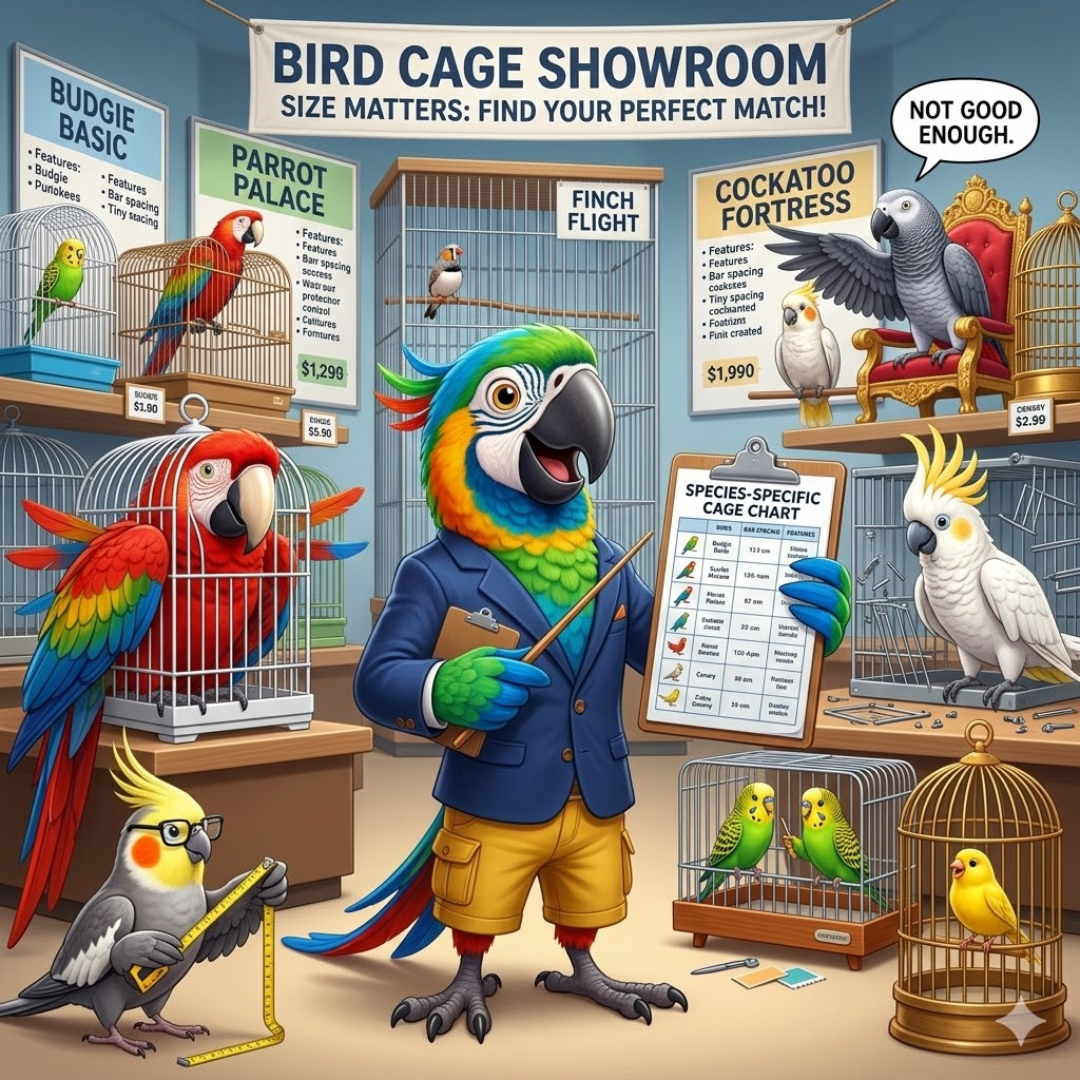
Ever wondered why your bird seems restless, even with food, water, and attention? It might be their home.
I’ve studied avian housing for years. At PetzVibes.com, I’ve seen many struggle. The right habitat isn’t just about looks. It’s about what your bird needs to be happy.
The Association of Avian Veterinarians says your bird’s home should be 1.5 to 2 times their wingspan big. This year, we’re seeing a 25% increase in demand for better bird homes. It shows owners are focusing on the right housing.
In this guide, I’ll share what I’ve learned about the best bird cages. I’ll also talk about tools and apps for finding deals. Think of this as a chat with a friend. I’m here to help you choose the best for your bird.
Key Takeaways
- The right habitat depends on your pet’s wingspan—minimum size should be 1.5 to 2 times their wing span for proper movement and health
- Species-specific cages address unique behavioral needs like climbing, flying, or foraging that vary dramatically between different types
- 2025 market trends show increased demand for versatile features like play-tops and rolling stands for easier maintenance
- Bigger is always better when it comes to housing—your feathered friend spends most of their life in this primary living space
- Matching housing to your companion’s natural behaviors prevents stress and promotes long-term wellbeing
- Quality enclosures represent an investment in your pet’s happiness and can last for many years with proper care
Why Your Bird’s Species Matters When Choosing a Cage
When I first started looking into bird cages, I thought all cages were the same. But, after getting my first cockatiel, I realized that was a big mistake. She didn’t fit well in a cage meant for finches. This taught me that knowing what your bird needs is key.
Every bird species has its own special needs. They have behaviors from their wild days that affect how they live today. It’s not just about looks; it’s about how they move and feel safe.
On PetzVibes.com, I learned a lot about these differences. Finches fly horizontally and need wide cages. Parrots, on the other hand, love to climb and need tall cages with bars to hold onto.
- Flight Patterns: Finches and canaries need wide cages to fly back and forth. Cockatiels and lovebirds prefer height for climbing.
- Beak Strength: Parrots have strong beaks that can bend thin wires. They need cages made of heavy materials.
- Tail Length: Birds with long tails, like parakeets, need extra space so their tails don’t get caught.
- Social Needs: Finches like to live in groups in wide cages. Territorial birds like parrots do better in single-bird setups.
Your bird’s personality also matters when choosing a cage. Birds like cockatoos and African Greys are smart and curious. They might try to open cage doors. These escape artists need cages with secure locks to keep them safe.
My friend’s African Grey learned to open three cage doors in a week. She had to get bird-proof locks to keep him in.
If your bird loves to climb, like parakeets or lovebirds, choose a cage with horizontal bars. These bars are like a jungle gym for them. They help keep their wings safe and happy.
Matching cage features to bird instincts helps keep them mentally sharp. When birds can fly, climb, or forage, they stay happy and healthy. This stops problems like feather-plucking and screaming.
Stressed birds can really change when they get the right cage. One budgie owner said her bird stopped plucking feathers after getting a better cage.
Knowing your bird’s species is vital for their happiness. The right cage is more than a place to live. It’s a home that respects their nature and keeps them healthy. When you choose the right cage, you and your bird will be happy together for years.
Understanding Bird Cage Requirements by Size and Behavior
When I look for bird cages, I match the size to my bird’s needs. The wrong size can cause feather damage, stress, and injuries. So, knowing cage size guidelines and bar spacing is key for bird owners.
Choosing the right cage size isn’t just about giving your bird room to perch. They need space to stretch their wings, turn around, and fly or climb. The Association of Avian Veterinarians suggests cages should be 1.5 to 2 times your bird’s wingspan.
Bar spacing is also very important for safety. Bars that are too wide can trap your bird’s head or cause them to escape. Bars that are too narrow can harm their toes or limbs. I always check this first before looking at other features.
| Bird Species Category | Minimum Cage Dimensions | Bar Spacing | Example Species |
|---|---|---|---|
| Small Birds | 27″W × 24″D × 24″H | 1/2″ or less | Finches, Budgies, Parrotlets, Canaries |
| Small-Medium Birds | 27″W × 24″D × 24″H (36″L for flight) | 1/2″ to 3/4″ | Cockatiels, Lovebirds |
| Medium Birds | 36″W × 30″D | 3/4″ to 1″ | Conures, Quakers |
| Large Birds | 36″W × 30″D | 3/4″ to 1″ | African Greys, Amazons, Eclectus |
| Extra Large Birds | 64″W × 32″D (80″+ for macaws) | 1″ to 1 1/4″ | Cockatoos, Macaws |
Your bird’s behavior should also guide your cage choice. Birds that love to fly need cages that are wide, not just tall. Budgie enclosures and parakeet cages should be at least 36 inches long.
Birds that climb a lot need cages with lots of vertical space and easy-to-grip bars. I’ve seen my climbing birds spend hours on the cage sides. A tall cage with the right bar setup makes them very happy.
Before you start shopping, measure your space. Remember, you’ll need room for feeders, perches, and stands. I’ve seen people buy cages that don’t fit in their doorways!
Bigger cages are always better for birds. They love having lots of space to explore and exercise.
If you need to move your cage, consider knock-down cages. They’re easy to take apart and perfect for small spaces. I’ve used them during moves and they’re very helpful.
Don’t forget about interior dimensions. After adding perches, toys, and swings, the space inside the cage is much smaller. Make sure to leave at least 30% less space for your bird to move around.
For detailed advice on bird housing, I check PetzVibes.com. They provide specific recommendations for different bird types. When buying, I use tools like Honey or CamelCamelCamel to find good deals on the right cages.
Remember, the minimum guidelines are just that – minimums. If you can afford it, go bigger. Your bird will be healthier, happier, and more active. Investing in the right cage size is worth it for your bird’s well-being.
Best Bird Cages by Species: Small to Medium Birds
Small to medium birds like budgies, finches, and cockatiels are very popular pets in America. They make up over 75% of pet birds in homes. It’s very important to get their housing right for their health and happiness.
I’ve learned that one size doesn’t fit all for bird cages. Each species has its own needs based on their behavior, flight, and social needs.
In this section, I’ll talk about the best cages for these popular birds. I’ll share top picks based on customer reviews and expert opinions. I’ll also show you how to find great deals on these essential items.
Budgie and Parakeet Cages: The Active Flyers
Budgies and parakeets are fast and agile flyers. They love to fly horizontally across their cages. So, horizontal space is more important than height for them.
For parakeet cages, the minimum size is 27 inches wide by 24 inches deep by 24 inches high. But, if you have the space, go bigger. A cage that’s 36 inches long gives them the room they need to fly.
It’s also important to have bar spacing of 1/2 inch or less. This prevents them from getting stuck or escaping. I’ve seen too many birds get stuck, and it’s easy to prevent with the right spacing.
“The right cage transforms a budgie’s life from mere existence to true thriving—horizontal space gives them wings to be themselves.”
Prevue Hendryx Flight Cage F040
The Prevue Hendryx Flight Cage F040 is my top pick for budgies and parakeets. It’s 31 inches wide by 20.5 inches deep by 53 inches high. It offers great horizontal space and vertical room for climbing.
I love the multiple access doors on this cage. They make it easy to interact with and clean your birds. Customers give it 4.6 out of 5 stars for its durability and ease of assembly.
The F040 comes with four plastic perches and two plastic cups. But, I recommend upgrading to natural wood perches for better foot health. It’s around $98.65, which is a great value for the quality. You can find deals on it at PetzVibes.com, and use Rakuten or TopCashback apps to save money.
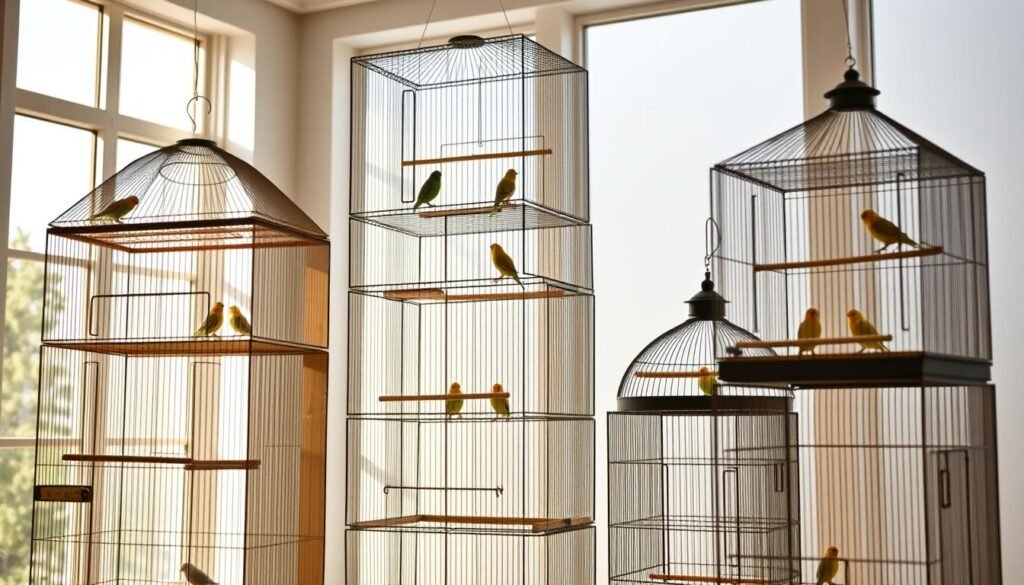
The Vision Model M01 has a unique clear panel design. It’s a medium bird cage with transparent walls that provide 360-degree visibility. It also contains mess better than traditional bar cages.
This cage is 24.5 inches long by 15 inches wide by 22.5 inches high. It’s suitable for 1-2 budgies. While smaller than the Prevue option, it’s great for apartments or smaller spaces. It comes with perches and dishes, and has a large front door for easy access. Customers like its modern look and mess control features.
Finch Habitats: Colony Living Spaces
Finches are true colony birds who thrive in groups. I recommend keeping at least 4-6 finches together. This means finch habitats need more width than cages for solitary birds.
These small birds fly horizontally in short, rapid bursts. So, width is more important than height when choosing finch cages. The minimum dimensions should be 27 inches wide by 24 inches deep. But, wider is always better for colony bird housing.
Bar spacing for finches must be 1/2 inch or less. Even smaller if you’re housing society finches or other tiny species. Multiple perches at varying heights create flight paths and resting spots throughout the enclosure.
Yaheetech 52-Inch Wrought Iron Flight Cage
The Yaheetech 52-Inch Wrought Iron Flight Cage is perfect for finch colonies. It’s 26 inches wide by 18 inches deep by 52 inches high. It offers the horizontal flight space finches need with ample vertical room for multiple perch levels.
I love the four side access doors and top opening on this cage. It makes it easy to position perches and feeding stations throughout the cage. The wrought iron construction is durable, and the included rolling stand adds mobility. It’s great for moving your finch habitat to optimal lighting conditions.
This model comes with four plastic perches and two plastic cups. But, I recommend upgrading to natural wood perches for better foot health. It’s around $79.99, which is a great value for a spacious finch habitat. Check for deals on it at PetzVibes.com, and use Rakuten or TopCashback apps to earn cash back on your purchase.
Mcage Large Divided Flight Cage with Divider
The Mcage Large Divided Flight Cage offers unique flexibility with its removable center divider. This feature allows you to house two separate finch colonies or remove the divider for one large flight space measuring approximately 63 inches wide by 19 inches deep by 61 inches high.
I find this versatility incredibly valuable for breeders or owners who want to introduce new birds gradually. The divided configuration lets finches acclimate to each other visually before combining colonies. Each section includes its own doors, perches, and feeding stations.
The cage construction features durable powder-coated metal that resists rust and maintains appearance over time. Four rolling casters make moving this substantial cage manageable. Customer reviews highlight the ease of assembly and the quality of materials, with many noting it’s perfect for housing 8-12 finches comfortably across both sections.
Canary Bird Enclosures: The Singers
Canaries are the opera stars of the bird world, and their housing needs reflect their artistic nature. I’ve learned that canary bird enclosures must provide not just physical space but also the peaceful environment these sensitive singers require to perform at their best.
These melodious birds prefer to perch high and need horizontal space for short, graceful flights. The minimum dimensions are 27 inches wide by 24 inches deep, with bar spacing of 5/8 inch or less. That’s slightly wider than finches, reflecting canaries’ marginally larger size.
Placement matters tremendously for canary cages. These birds sing most beautifully when they feel secure and unstressed. Position their enclosure in a quiet area away from household chaos, with natural light but not direct sunlight that could overheat them.
“A canary’s song reflects its environment—provide serenity and space, and you’ll be rewarded with nature’s most beautiful music.”
Prevue Pet Products Wrought Iron Flight Cage F050
The Prevue Pet Products Wrought Iron Flight Cage F050 exemplifies ideal canary housing. This flight cage measures 31 inches wide by 20 inches deep by 53 inches high, providing the horizontal flight path canaries love with vertical space for positioning perches at their preferred heights.
What sets this model apart is the quality wrought iron construction with non-toxic powder coating. Canaries are sensitive birds, and the safety of materials matters. The F050’s bar spacing of 1/2 inch ensures security while allowing excellent visibility and air circulation.
This cage includes two exterior feed/water cups with clear covers that reduce spills, plus two wood perches and a bottom grille that keeps birds away from droppings. Customer reviews rate it at 4.6 out of 5 stars, with owners praising how it encourages their canaries to sing freely. At approximately $98.65, it’s priced similar to the budgie model but optimized for canaries’ specific needs.
Vision Model L12 Large Bird Cage
The Vision Model L12 Large Bird Cage brings the innovative clear panel design to canary housing. Measuring 32.5 inches long by 17 inches wide by 24.5 inches high, it offers substantial horizontal flight space in a contemporary package.
I’m impressed by how this design benefits canaries. The clear walls reduce visual stress from sudden movements outside the cage while containing the seed hulls and debris that canaries produce. The debris guard extends 5 inches high, catching scattered food before it reaches your floors.
The deep base provides excellent containment, and the large front door offers easy access for daily maintenance. Multiple perch positions can be arranged to create flight paths that encourage exercise and singing. The Vision L12 suits canary owners who want modern aesthetics combined with practical functionality, in living spaces where mess control matters.
Cockatiel Housing: Climbing and Playing
Cockatiels are the acrobats and comedians of small to medium birds. I’ve watched these intelligent birds climb, hang, swing, and explore every inch of their environment with boundless curiosity. That’s why cockatiel housing needs to support both horizontal flight and vertical climbing activities.
The minimum dimensions for cockatiel cages are 27 inches wide by 24 inches deep by 24 inches high, but I strongly recommend larger enclosures. These birds have impressive tail feathers that need vertical clearance, plus their active nature demands substantial space for toys and climbing opportunities.
Bar orientation matters significantly for cockatiels. Horizontal bars on at least two sides allow them to climb easily, mimicking their natural behavior of scaling branches. Bar spacing should be 3/4 inch or less to prevent escape or injury. Secure latches are essential because cockatiels are surprisingly clever at figuring out simple door mechanisms.
The BestPet 64-Inch cage offers another excellent option, rated at 4.7 out of 5 stars at $129.99, comfortably housing 2-3 cockatiels with multiple play levels. You can find current deals on cockatiel cages at PetzVibes.com and compare prices using browser extensions like CamelCamelCamel for Amazon purchases.
Prevue Hendryx Signature Series Cockatiel Cage
The Prevue Hendryx Signature Series Cockatiel Cage represents premium quality designed for these active birds. The cage features dimensions optimized for cockatiel behavior patterns, with horizontal bars on all four sides that facilitate climbing from every angle.
This model includes a play top design that extends the living space beyond the main enclosure. Cockatiels love spending time on top of their cages, and the integrated play area with perches and toy hooks encourages this natural behavior. The sturdy construction supports their climbing and playing without wobbling or tipping.
The Signature Series features multiple large access doors, making it easy to interact with your cockatiel and rotate toys to prevent boredom. The seed guard and slide-out tray simplify daily maintenance. Customer feedback consistently praises the durability and thoughtful design elements that address real cockatiel behaviors. While priced higher than basic models, the quality construction justifies the investment for serious cockatiel owners.
Vision Bird Cage Model L01 Large
The Vision Bird Cage Model L01 Large adapts the innovative clear panel system for climbing bird enclosures. Measuring 30 inches long by 19 inches wide by 25 inches high, it provides ample space for 1-2 cockatiels with a completely different approach to bird housing.
What makes this cage unique for cockatiels is the combination of visibility and mess control. While cockatiels can’t climb the smooth walls, the included perches and attachments can be positioned strategically to create climbing paths. The clear design lets you watch your bird’s antics without visual obstruction.
The Model L01 excels at containing the substantial debris that cockatiels produce. These birds are notoriously messy with their food, and the high debris guards capture scattered seeds and feathers effectively. The deep base prevents waste from spilling during cleaning. This cage suits cockatiel owners who prioritize cleanliness and modern aesthetics, though traditional bar cages better support natural climbing behavior.
Lovebird Cage Options: Compact But Spacious
Don’t let their small size fool you—lovebirds pack enormous personality into compact packages. These energetic, playful birds are usually kept in bonded pairs, which means lovebird housing must provide substantial space despite the birds’ diminutive dimensions.
Lovebird cage options should offer minimum dimensions of 27 inches wide by 24 inches deep by 24 inches high for a pair. Bar spacing must be 1/2 inch or less to prevent escapes—these clever birds will exploit any gap. Remember that lovebirds are powerful chewers, so durable materials and secure welds are non-negotiable.
These compact bird cages need room for pairs to play together, fly short distances, and establish separate perching territories when they need personal space. Multiple toys, swings, and climbing opportunities keep lovebirds mentally stimulated and prevent the destructive behaviors that emerge from boredom.
The Yaheetech 41-Inch model offers excellent value at $43.99, rated 4.5 out of 5 stars for housing 1-2 lovebirds in smaller living spaces. For budget-conscious buyers, using cashback apps like Ibotta or Fetch Rewards can reduce costs further on lovebird cage purchases.
| Cage Model | Dimensions | Best For | Key Feature | Price Range |
|---|---|---|---|---|
| Yaheetech 59.3-Inch | 59″ H x 18″ W x 18″ D | Lovebird pairs | Rolling stand mobility | $80-$100 |
| Super Deal Pro 61-Inch | 61″ H x 18″ W x 14″ D | Active lovebirds | Play top design | $70-$90 |
| Yaheetech 41-Inch | 41″ H x 16″ W x 16″ D | Single lovebirds or pairs in small spaces | Compact footprint | $40-$50 |
| VISCOO 46-Inch | 46″ H x 18″ W x 18″ D | Budget-conscious owners | Value pricing | $45-$55 |
Yaheetech 59.3-Inch Rolling Bird Cage
The Yaheetech 59.3-Inch Rolling Bird Cage provides impressive vertical space for lovebird pairs who love to climb and explore. With dimensions of approximately 18 inches wide by 18 inches deep by 59 inches high, this cage offers multiple levels for activity without consuming excessive floor space.
I appreciate the included rolling stand that makes relocating the cage effortless—perfect for cleaning behind it or moving it to follow natural light throughout the day. The four caster wheels lock securely to prevent unwanted movement, providing stability when your lovebirds are playing vigorously.
This model features multiple doors at different heights, allowing easy access to all areas of the cage. The bar spacing meets the 1/2-inch requirement for lovebird safety. The slide-out debris tray and bottom grille simplify daily maintenance, which is essential when housing messy, active birds. Customer reviews highlight the solid construction and easy assembly, making it popular among lovebird owners seeking quality without premium pricing.
Super Deal Pro 61-Inch Large Bird Cage
The Super Deal Pro 61-Inch Large Bird Cage stands as the tallest option in this category, measuring approximately 61 inches high with an 18-inch by 14-inch footprint. This vertical design maximizes space in apartments or rooms where floor space is limited but ceiling height is available.
What distinguishes this model is the play top design with perches and toy hooks. Lovebirds benefit tremendously from out-of-cage time, and the integrated play area lets them exercise and socialize in a secure space above their living quarters. The play top includes a ladder for easy access.
The cage construction uses powder-coated metal with appropriate bar spacing for lovebirds. Multiple perches at varying heights create distinct territories within the vertical space. The front door opens wide for interaction, while side doors facilitate cleaning and food cup access. At approximately $70-$90, it delivers excellent value for lovebird owners who want extended vertical space and integrated play areas.
When shopping for any of these lovebird cage options, I recommend checking multiple retailers through PetzVibes.com and using price comparison tools like Google Shopping or ShopSavvy. Affiliate programs through RetailMeNot or Slickdeals often feature bird supply discounts that can significantly reduce your investment in quality housing.
Best Cages for Large Parrots and Macaws
Large parrots and macaws need more than just a cage. They deserve a space that lets them fly and play. Proper housing prevents behavioral problems like feather plucking and screaming.
These cages can cost as much as a good piece of furniture. But, considering your parrot could live 30 to 80 years, it’s worth it. Always choose a cage that’s big enough for your bird.
Let’s look at the best cages for different parrot species. We’ll cover African Greys, Amazons, and even the big macaws.
African Grey and Amazon Parrot Aviaries
African Greys and Amazons are great escape artists. They need minimum dimensions of 36 inches wide by 30 inches deep with bar spacing between 3/4 inch to 1 inch.
These birds love to climb and play. They’ll test every bar and latch in their cage. So, you need multiple perches and lots of toys.
The right aviary keeps these smart birds happy. Here are my top picks for African Grey and Amazon cages.
Kings Cages Superior Line SLS 3325 Cage
The Kings Cages Superior Line SLS 3325 is perfect for medium to large parrots. It’s 33 inches wide by 25 inches deep, built to last. It has secure double-locking mechanisms to keep birds in.
This cage costs around $300 to $400. It’s a great value for African Grey and smaller Amazon owners. You can find it at https://petzvibes.com, where I look for deals.
A&E Cage Company Enormous Dome Top Bird Cage
The A&E Cage Company Enormous Dome Top is huge. It gives active parrots lots of room to fly. It has heavy-duty construction with 3/4-inch bar spacing for African Greys and medium Amazons.
The dome top design lets birds climb high. It’s perfect for their natural instinct. The multiple feeder doors make feeding easy.
This cage costs between $400 to $600, depending on the finish. Check affiliate price comparison tools for sales.
The Prevue Pet Products Wrought Iron Select 3151BLK is durable and practical. It’s 31 inches wide by 20.5 inches deep, good for African Greys and smaller Amazons. The wrought iron construction is strong without being too heavy.
I like the removable bottom grille and stainless steel cups. It’s a good value for those on a budget. Find it at https://petzvibes.com.
Macaw Cages: Maximum Space for Maximum Birds
Macaws are huge and need big cages. We’re talking about cages as big as furniture. Minimum dimensions for large macaws start at 80 inches wide by 40 inches deep, with bar spacing from 1 to 1.25 inches.
Macaws can bend bars and destroy cages with their beaks. A Blue and Gold Macaw can take down a bad cage in a week. That’s why stainless steel is a good choice, despite the cost.
Big cages for macaws are a big investment. But, walk-in aviaries are the best when you have the space and budget. Here are three top options for these magnificent birds.
HQ Double Macaw Bird Cage 110
The HQ Double Macaw Cage 110 is huge. It’s 110 inches wide with dual living compartments, each big enough for a macaw. The 1-inch bar spacing and heavy-gauge wire construction can handle even the most destructive beaks.
This cage is versatile. You can house two macaws, use one side for play, or give one bird a huge territory. It has rolling casters for easy moving. This cage costs between $1,200 and $1,800.
The removable divider adds flexibility. Check https://petzvibes.com for current pricing.
Kings Cages Model 506 Parrot Cage
The Kings Cages Model 506 is a top choice for macaw cages. It has multiple levels, extensive perching options, and room for enrichment activities to keep macaws happy. It comes in several colors to match your home.
This cage has reinforced welds and secure locking mechanisms. The large access doors make it easy to interact with your bird. It costs around $1,000 to $1,400, a worthwhile investment.
The slide-out debris tray and removable bottom grille make cleaning easy. Track prices using affiliate tools for sales.
A&E Cage Company Stainless Steel Macaw Mansion
The A&E Cage Company Stainless Steel Macaw Mansion is the ultimate choice. Stainless steel construction means this cage will outlast your macaw, staying rust-free for generations. It’s huge, with walk-in convenience for cleaning and interaction.
This premium option includes multiple feeding stations, numerous perching levels, and integrated toy-hanging points. It’s expensive, costing $2,500 to $4,000. But, over a macaw’s 60-80 year lifespan, it’s a great value.
The stainless steel resists strong beaks without damage. For serious macaw enthusiasts, this is the best choice. Visit https://petzvibes.com to explore financing options and compare prices.
Essential Cage Features Every Bird Owner Should Know
Over the years, I’ve learned what cage features really matter. They can save you money and make life easier. The right features make daily care simple.
Let’s explore the cage features that truly matter in real-world bird ownership.
Door Design and Placement
The door design is key for daily interaction with your bird. Large front doors covering at least 60% of the cage front make cleaning and playtime easier.
Outside access to food and water bowls is a big plus, even for larger parrots. It lets you refill bowls without disturbing your bird or risking an escape.
Multiple access points are great for cleaning. I prefer cages with at least two doors for thorough maintenance without moving the entire cage.
Bar Orientation Matters
The bar orientation affects how your bird moves. Horizontal bars work best for climbing species like cockatiels and parakeets. They use the bars like a ladder to explore every corner.
Vertical bars suit birds that don’t climb as much, like canaries and finches. These species prefer flying horizontally.
Security Features and Latches
Smart birds like African Greys and cockatoos can open simple latches in seconds. I always recommend secure locking mechanisms for intelligent species. Look for double-latch systems or locks that require multiple steps to open.
The latch should be easy for you to operate but challenging for clever beaks. I’ve seen too many escape stories from owners who underestimated their bird’s problem-solving abilities.
Bottom Design and Cleaning Access
A well-designed bottom section saves hours of cleaning time each week. Here’s what works best:
- Slide-out trays that you can remove without disturbing your bird
- Removable grilles that separate your bird from droppings and fallen food
- Angled aprons that direct debris into the tray instead of onto your floor
- Deep bottom pans that contain mess effectively
The combination of these features makes daily spot-cleaning a breeze. I can maintain a fresh cage in just a few minutes each morning.
Mobility and Placement Options
Rolling stands with locking casters offer incredible flexibility for larger cages. You can move the cage for deep cleaning, reposition it for better natural light, or relocate it temporarily.
Stationary cages work fine if you have a permanent spot picked out. Just make sure the stand is sturdy enough to prevent tipping.
Play-Top Designs
Integrated play-top areas give your bird supervised out-of-cage time without needing a separate play stand. These tops typically include perches, toy hooks, and feeding stations.
I use the play-top area during meal prep and cleaning sessions. My bird stays entertained and engaged while remaining safely contained.
Mess Containment Features
Seed guards and splash guards are essential bird cage accessories that protect your floors and walls. High-quality seed guards extend several inches above the bottom pan without restricting airflow.
Clear acrylic guards work better than mesh because they’re easier to clean and contain smaller particles. I wipe mine down daily with a damp cloth.
Comparing Essential vs. Optional Features
| Feature Type | Essential Features | Nice-to-Have Features | Overrated Features |
|---|---|---|---|
| Access | Large front door, outside bowl access | Multiple side doors, play-top opening | Decorative door handles |
| Cleaning | Slide-out tray, removable grille | Angled apron, deep pan | Self-cleaning claims |
| Security | Secure latches for smart birds | Lock-and-key systems | Complex puzzle locks |
| Mobility | Stable base or stand | Rolling casters with locks | Decorative stand designs |
This comparison helps you focus your budget on features that deliver real value. When choosing bird cages by species, prioritize the essential column first.
My Personal Feature Priorities
After years of experience, I never compromise on three things: door size, tray accessibility, and secure latches. These features impact daily life more than any decorative element.
I’ve learned that fancy finishes and elaborate stands don’t improve your bird’s quality of life. Function always beats form in cage selection.
The best cage is the one that makes daily care effortless and keeps your bird safe and engaged.
Skip features like built-in food storage compartments or decorative roof peaks. They add cost without adding real utility.
Finding the Right Features for Your Budget
PetzVibes.com offers detailed feature comparison guides that break down which cage features matter most for different species. I reference these guides regularly when helping friends choose cages.
Use Amazon’s comparison tool to evaluate whether premium features justify higher costs. Honey’s price history feature shows you if those extra features are worth waiting for a sale.
Focus your spending on cage features that you’ll use daily. Don’t spend on ones that sound impressive but rarely get utilized.
Cage Materials and Safety Considerations
I remember the first time I learned about the dangers of certain cage materials for birds. It changed how I choose every enclosure. Cage safety is more than just keeping birds in; it’s about protecting them from toxins that can harm their health. When picking bird cages, the material is key, along with size and bar spacing.
Over the years, I’ve talked to avian vets and studied AVMA guidelines. This taught me that not all metals are safe for bird cages. Some are durable but risky, while others are safe but expensive.
The material your cage is made of affects your bird’s health. I always check the material first, before looking at other features. Let’s explore the common materials and what you need to know about each.
Wrought iron cages are popular for their durability and affordability. They can last long, even with big parrots. But, if the coating chips, it can rust. Always check for damage.
Powder-coated steel is better than basic wrought iron because it resists rust. It comes in many colors, which people like. But, heavy chewers can chip the coating, exposing the metal.
Stainless steel is the safest material for bird cages. It’s non-toxic, rust-proof, and lasts forever. Stainless steel cages are more expensive, but they’re worth it for your bird’s health.
Now, let’s talk about what to avoid. Brass cages are not safe because they contain toxic metals. Galvanized metal is also dangerous because it has zinc, which is poisonous to birds.
I’m careful about used cages, even if they’re cheaper. You don’t know their history, and they might have hidden dangers. Buying new is safer.
Never use metal polish on bird cages, as these products contain chemicals that are highly toxic to birds and can be absorbed through their feet or ingested during normal preening behavior.
Construction quality is also important for cage safety. Check welds for smooth edges. Sharp edges or poor joints are signs of bad manufacturing.
Bar spacing is critical for your bird’s safety. It depends on the species. Bars that are too far apart can trap toes, while bars that are too close can restrict movement. Always check bar spacing before buying.
Curved or domed cage tops need extra care. Make sure bars don’t meet at dangerous angles. Some designs might look good but are not safe.
| Material Type | Durability Rating | Safety Level | Cost Range | Best For |
|---|---|---|---|---|
| Wrought Iron | High | Good (if coating intact) | $150-$400 | Medium to large parrots, budget-conscious buyers |
| Powder-Coated Steel | High | Good to Excellent | $200-$600 | Most species, variety of colors needed |
| Stainless Steel | Lifetime | Excellent | $800-$3,000+ | All species, heavy chewers, valuable birds |
| Brass/Galvanized | Varies | Dangerous (avoid) | Any price | Never recommended for birds |
I always check for product recalls and safety certifications before recommending cages. Manufacturers sometimes find safety issues after products are sold. Websites like PetzVibes.com have the latest safety info to help you avoid bad cages.
Painted surfaces are another thing to consider. They may chip or stain over time, which can be dangerous for birds. Always ask about the paint and look for bird-safe labels.
All metal except stainless steel can rust and corrode. Rust can harbor bacteria and cause sharp edges. In humid climates, metals deteriorate faster. Coastal areas are even harsher on non-stainless metals.
My research and talks with avian experts have taught me a key lesson. Never sacrifice safety for a lower price. The cost of treating poisoning or replacing a bad cage is much higher than buying safe materials. Your bird’s health is at stake with your choices.
Where to Buy and Tools for Finding the Best Deals
I’ve learned where to find bird cages and how to get great deals. The right retailers and tools can save you a lot of money. I’m excited to share my favorite places and tips with you.
Finding bird cages by species starts with knowing which retailers offer the best selection and expertise. I always begin my search at specific places that understand bird needs.
PetzVibes.com is my go-to starting point for researching cages. They offer curated selections with expert advice that helps me narrow down which models truly meet my bird’s specific needs. Their species-focused approach saves me hours of research time.
For variety and customer reviews, Amazon provides an enormous selection of cages from manufacturers like Prevue Hendryx, Yaheetech, and HQ. I can compare dozens of models quickly and read real feedback from other bird owners.
Chewy excels in pet-specific expertise and outstanding customer service. Their detailed product descriptions often include species recommendations, and their return policy gives me peace of mind on large purchases.
I also visit Petco and PetSmart when I want to see cages in person. Touching the materials and checking door mechanisms firsthand helps me make confident decisions, though their prices tend to run higher than online options.
Buying directly from manufacturers opens up the full product catalog. Kings Cages and A&E Cage Company offer extensive selections on their websites, often with customization options you won’t find through retailers.
Vision, Prevue Hendryx, and other major brands sometimes run exclusive promotions on their direct sites. I check these before making final purchase decisions on expensive aviaries.
Local specialty bird stores provide invaluable expert advice, even for first-time owners. The staff often have personal bird-keeping experience and can recommend specific models for your species. The trade-off is typically higher prices than online retailers.
Now let me share the tools that help me find the best bird cage deals. These apps and browser extensions have saved me significant money over the years.
Browser extensions work automatically while I shop online. Honey applies coupon codes at checkout and tracks prices across shopping sessions. Capital One Shopping compares prices across multiple retailers instantly, ensuring I’m getting competitive rates.
Rakuten offers cashback ranging from 2% to 8% at major pet retailers. I simply activate it before shopping, and the cashback posts to my account within a few days. This adds up quickly on cage purchases over $200.
Price tracking apps alert me when cages drop to better prices. CamelCamelCam tracks Amazon price history and sends notifications when my desired cage hits my target price. Slickdeals aggregates promotions from multiple sources, catching sales I might miss.
I set price alerts for specific cage models, then wait for seasonal sales. Black Friday, Cyber Monday, and pet store anniversaries often bring 20-30% discounts on quality cages.
Receipt scanning apps provide extra rewards after purchase. Fetch Rewards and Ibotta give points for pet supply purchases that convert to gift cards. I scan every cage receipt because large purchases earn substantial points.
Many credit cards offer bonus points on pet supply purchases. I use a card that provides 3% back on pet stores, which stacks with other cashback tools for maximum savings.
Email newsletters from PetzVibes.com, Chewy, and cage manufacturers deliver exclusive discount codes. I created a separate email folder for these and check it before every purchase.
Here’s my personal shopping strategy that combines these resources effectively:
- Start research on PetzVibes.com to identify which cage models meet my bird’s species-specific needs
- Use price comparison tools to find the current best price across multiple retailers
- Activate cashback through Rakuten or TopCashback before clicking through to make the purchase
- Apply any coupon codes found through Honey or email newsletters at checkout
- Scan the receipt afterward with Fetch Rewards for additional points
This layered approach typically saves me 15-20% on large cage purchases. On a $400 macaw cage, that’s $60-80 back in my pocket for toys and perches.
I want to be transparent that some of the tools and retailer links I share are affiliate relationships. When you use these links, I may earn a small commission that helps support my work. This doesn’t change the price you pay, and I only recommend tools I personally use and trust.
The affiliate relationships actually benefit you because retailers often offer exclusive discounts through these partnerships. You save money while I can continue creating helpful content about bird care.
Timing your purchase strategically maximizes savings. Major holidays bring the deepest discounts, but mid-season sales in March and September also offer good deals when retailers clear inventory.
Don’t rush into buying the first cage you find. Taking time to research, compare prices, and wait for the right deal ensures you get quality housing for your bird at the best possible price. Your feathered friend will have a safe, comfortable home, and your wallet will thank you.
Maintenance Tips for Keeping Your Bird Cage Clean
Setting up a cleaning routine makes cage care easier. Regular cleaning stops health issues and keeps your bird happy. It’s best to break tasks into daily, weekly, and monthly parts.
Different bird cages need similar cleaning methods. Larger cages take more time. A regular schedule keeps your bird safe from bacteria and breathing problems.
Daily tasks take just 5-10 minutes but make the biggest difference. Start by changing the water and food dishes every morning. Fresh food and water are key for your bird’s health.
Replace the paper tray liner at the cage bottom daily. This stops droppings and odors. A quick wipe of the cage apron catches debris before it spreads.
Spot-cleaning visible droppings on bars and perches takes another minute. Use a damp cloth to remove messes before they harden.
Weekly bird cage cleaning involves deeper tasks that take 20-30 minutes. Wash the bottom grate with warm water and mild soap. This prevents debris buildup.
Wipe down all cage bars and surfaces with a bird-safe cleaner. Clean perches and rotate toys to keep your bird stimulated. Food and water dishes get a thorough scrubbing.
Monthly cage maintenance requires 1-2 hours for complete disassembly and deep cleaning. Remove everything from the cage and inspect for rust or damage. Replace any worn perches or frayed toys.
Clean the surrounding area thoroughly, including walls and flooring near the cage. This monthly session keeps the entire bird area fresh and hygienic.
Choosing the right cleaning products is critical for bird safety. Birds have sensitive respiratory systems. Many common household cleaners can make them seriously ill. Use only products labeled as bird-safe.
Here’s what I safely use for cage maintenance:
- Mild dish soap mixed with warm water for general cleaning
- Pet Focus Aviary and Cage Cleaner, which is formulated to be bird-safe
- White vinegar solution for removing mineral deposits from water dishes
- Dedicated bird cleaning brushes that reach into corners and bar spaces
Products I never use near my birds include harsh chemicals, bleach, ammonia, scented cleaners, and aerosol sprays. Even if you clean the cage away from your bird, chemical residues can linger and cause respiratory distress.
Mess prevention makes bird cage cleaning much easier overall. Place bird cage mats underneath your cages to protect flooring and simplify cleanup. These mats catch dropped food, feathers, and debris that would scatter across the floor.
When shopping for bird cages by species, look for models with seed guards and angled aprons. These features direct fallout into the bottom tray instead of onto surrounding surfaces. Removable gratings make accessing the bottom tray much simpler during daily cleaning.
I’ve also trained my birds to eat over their dishes when possible. Placing cages away from walls and furniture reduces the cleanup area and protects your home furnishings from damage.
| Cleaning Frequency | Time Required | Key Tasks | Products Needed |
|---|---|---|---|
| Daily | 5-10 minutes | Change water and food, replace tray liner, wipe apron and bars | Paper liners, damp cloth, fresh food and water |
| Weekly | 20-30 minutes | Wash bottom grate, deep clean dishes, wipe all surfaces, clean perches | Mild soap, bird-safe cleaner, scrub brushes |
| Monthly | 1-2 hours | Complete disassembly, inspect for damage, replace worn items, deep clean area | Vinegar solution, replacement perches, thorough cleaning supplies |
PetzVibes.com offers cleaning supply recommendations and video tutorials that show proper techniques. These resources helped me develop my routine when I first started keeping birds.
The most important lesson I’ve learned is that regular maintenance prevents health problems and actually saves time. Cleaning a moderately dirty cage weekly is much easier than scrubbing a filthy cage monthly. Daily spot-cleaning takes minutes but prevents hours of scrubbing later.
Your bird’s health depends on a clean environment. Respiratory infections, bacterial diseases, and parasites thrive in dirty cages. A consistent cleaning schedule protects your feathered friend and keeps your home fresh and pleasant for everyone.
Conclusion
Choosing the right bird cage is a big decision for any bird owner. I’ve seen how a good cage can change a bird’s life. A happy bird is full of confidence and joy.
This guide might seem a lot to take in at first. Start by thinking about what your bird needs. Bar spacing and size are key for safety. Then, you can adjust based on your bird’s personality and your home.
Quality is important when picking a bird cage. A good cage saves you money in the long run. Also, order spare parts when you buy your cage. This way, you avoid future problems.
I’ve made detailed guides for different bird species at PetzVibes.com. Check it out to see the latest options and connect with other bird lovers. Use the tools to find great deals on cages.
Your bird needs a safe place to fly, play, and grow. The right cage is the start of a happy life together. Your bird’s happiness depends on the home you give them.
FAQ
What size cage does my parakeet actually need?
For a single parakeet, I suggest a cage that’s at least 18″ wide, 18″ deep, and 24″ high. But, I always try to get a bigger cage if I can. Parakeets love to fly horizontally, so they need more width.
The Prevue Hendryx Flight Cage F040 is a great choice because it offers the space they need. Make sure the bars are 1/2″ apart to prevent escapes and injuries. I learned this the hard way when a friend’s parakeet got stuck in wider bars.
For more information, check out PetzVibes.com for updated size recommendations and cage models that are perfect for parakeets.
Can I use the same cage for different bird species?
It’s tricky, and usually, no. Unless the species have very similar needs. I’ve seen people try to house finches in parrot cages or vice versa, but it doesn’t work well.
Finches need wide, horizontal space for flying, while parrots need height and horizontal bars for climbing. Bar spacing is also a big issue—what’s safe for a cockatiel is too wide for a finch. If you’re considering housing different species, start by researching on PetzVibes.com and consult with an avian vet. It’s safest to match the cage to your bird’s species needs.
How do I know if bar spacing is safe for my bird?
Bar spacing is critical for safety, and I always check it first. Here’s a quick guide: small birds like finches and canaries need 1/4″ to 1/2″ spacing, budgies and parrotlets need 1/2″ spacing, and so on.
The rule is simple: your bird should never be able to fit their head through the bars. I once saw a cockatiel get stuck because the cage had inconsistent spacing. Always measure the bars yourself and go narrower if unsure.
What’s the difference between a flight cage and a regular bird cage?
Flight cages are better for active birds like parakeets. They’re wider and longer than they are tall, allowing birds to fly short distances. Regular cages are taller and better for climbing species like parrots.
I recommend flight cages for species that fly horizontally. The Vision Model M01 is a great option because it gives birds the space they need.
Are powder-coated cages safe for birds?
Yes, powder-coated cages are safe if made by reputable manufacturers. They come in attractive colors and prevent rust. Just make sure there’s no lead or zinc in the coating.
I prefer powder-coated cages over wrought iron because they’re safer and look better. But, if your bird is a heavy chewer, stainless steel might be a better choice. Never buy cages with unknown coatings, and avoid used cages that might have been repaired with unsafe paint.
Do macaws really need stainless steel cages?
While not required, I strongly recommend stainless steel for macaws if you can afford it. Macaws have powerful beaks that can damage inferior cages. Powder-coated cages can be destroyed by determined macaws.
Stainless steel cages are more expensive, but they’re worth it for macaws’ long lifespan. If stainless steel is too expensive, look for heavy-gauge powder-coated cages rated for macaws.
What’s the minimum cage size for cockatiels?
For a single cockatiel, I recommend a cage that’s at least 20″ wide, 20″ deep, and 24″ high. But, I always encourage going bigger. Cockatiels are active birds who love to climb and play.
They need horizontal bars for climbing, so make sure the cage has those. I learned this when I got my first cockatiel. He was frustrated with vertical bars.
Can lovebirds live in small cages?
This is a common misconception. Lovebirds are small but very active and playful. They need substantial space, at least 24″ wide, 24″ deep, and 24″ high for a pair.
They’re acrobats who love climbing and playing with toys. So, they need room for all that activity. Bar spacing should be 1/2″ to 5/8″ to prevent escapes. Lovebirds are serious chewers, so durable construction matters. Give them the space they deserve for happiness and entertainment.
How often should I clean my bird’s cage?
I follow a three-tier cleaning schedule to keep my birds healthy. Daily, I change water and food, replace the tray liner, and do a quick wipe of bars and perches. This prevents bacteria buildup.
Weekly, I deep clean food and water dishes, wash the bottom grate and tray thoroughly, wipe down all bars and surfaces, and wash perches. Monthly, I do a complete cage disassembly and deep clean, inspect for any rust or damage, and replace worn accessories. This schedule has worked perfectly for me and my birds stay healthy.
What features should I prioritize in a parrot cage?
For parrots, I prioritize horizontal bars for climbing, secure latches, large front doors for easy interaction and cleaning, play-top design for supervised out-of-cage time, slide-out trays for daily cleaning, and quality construction. For medium to large parrots, I also look for outside access to food bowls.
Rolling casters with locks are wonderful if you ever need to move the cage. Use browser extensions like Honey to track whether premium features justify the price difference.
Can I buy a used bird cage to save money?
I’m cautious about used cages, though they can work in certain situations. The concerns are: unknown history, hidden rust or structural damage, and diseases from previous birds. If you do consider a used cage, inspect it thoroughly in person, verify it’s from a reputable brand, check for rust, confirm all latches and doors work properly, and plan to completely disassemble and sanitize it before use.
Never buy used cages with chipped paint or unknown coatings—the risk of lead or zinc poisoning isn’t worth the savings. For large cages where used options offer significant savings, the risk might be worth it with careful inspection. For smaller cages where the savings are minimal, I’d just buy new.
What’s the best cage for finches?
Finches need flight cages—this is non-negotiable in my opinion. Unlike parrots who climb, finches are horizontal flyers who need width more than height. I recommend a minimum of 30″ wide (wider is better) with 1/4″ to 1/2″ bar spacing.
Finches are colony birds, so the cage should accommodate at least 4-6 birds comfortably. They’re stressed when kept alone. The cage should have multiple perches at varying heights for the flock, and vertical bars work fine. I love flight cages that are 3-4 feet wide because finches actually use that horizontal space for short flights, and it’s amazing to watch. Position perches to create a flight path.
Do I need a play-top cage or will a regular dome top work?
This depends on your bird’s species and your interaction style. Play-top cages have flat tops with integrated perches and toy hooks—they’re fantastic if you want supervised out-of-cage time without your bird flying around the room. I love them for parrots who enjoy hanging out with their humans while having boundaries.
The play area gives them enrichment and exercise while keeping them somewhat contained. Dome top cages are fine if your bird doesn’t come out on top, or if you prefer fully supervised floor time. Some birds (like canaries and finches) don’t really use play tops. For cockatiels, conures, and larger parrots, I definitely prefer play-top designs—these intelligent birds benefit from the extra stimulation. One practical note: play-top cages are taller overall, so make sure you have ceiling clearance and can reach the top for cleaning.
How do I prevent my bird from making such a mess around the cage?
Bird mess is inevitable, but I’ve learned strategies to minimize it! Choose cages with seed guards and angled aprons—they catch a lot of debris before it hits the floor. Place a cage mat or large washable rug underneath—I use one that extends 2-3 feet beyond the cage in all directions.
Position the cage away from walls and furniture that are hard to clean. Some birds can be trained to eat over their dishes (though this is species-dependent). I also prefer cages with enclosed sides or clear acrylic panels (like the Vision Model M01) because they contain mess better than open bar cages. Daily spot-cleaning (just 5 minutes with a handheld vacuum or quick sweep) prevents overwhelming accumulation. For messy eaters, use larger, hooded food dishes that reduce throwing. Accept that some mess is part of bird ownership—but these strategies keep it manageable.
What’s the difference between budgie enclosures and parakeet cages?
Budgies and parakeets are the same bird! “Budgie” is short for budgerigar, which is the species’ proper name, while “parakeet” is the common American term. So, budgie enclosures and parakeet cages are identical—they need the same dimensions (minimum 18″ x 18″ x 24″), bar spacing (1/2″), and features (horizontal flight space, multiple perches, secure latches).
I use the terms interchangeably, though I notice “budgie” is more common in the UK and Australia, while Americans tend to say “parakeet.” Either way, these active little birds need cages that prioritize horizontal space for flying. The Prevue Hendryx Flight Cage F040 works perfectly for budgies/parakeets regardless of what you call them!
Are vertical bars or horizontal bars better for bird cages?
This depends entirely on your bird’s natural behavior. Horizontal bars are essential for climbing species—this includes parrots, cockatiels, lovebirds, and most hook-billed birds. These birds use their beaks and feet to climb, and horizontal bars give them that ability.
I learned this lesson with my first cockatiel who was frustrated and inactive in a vertical-bar cage—switching to horizontal bars transformed him into an active, happy climber. Vertical bars work fine for non-climbing species like finches and canaries who fly and perch more than they climb. Many modern cages offer a mix—horizontal bars on at least two sides for climbing, with some vertical bars mixed in. When shopping, always consider your specific bird’s natural behaviors. This is one of those features that seems minor but makes a huge difference in your bird’s quality of life.
How important is cage door size and placement?
More important than most people realize! I prioritize large front doors because they make daily interaction and cleaning so much easier. Small doors force you to awkwardly reach around, stress your bird during handling, and make it difficult to change toys or rearrange perches.
For medium to large parrots, I want doors that are at least 12″ x 12″, preferably larger. Multiple access points are wonderful—top doors for hanging toys, side doors for food/water, and that large front door for interaction. Door placement matters too: I prefer doors centered horizontally so the interior is equally accessible from both sides. Some cages have doors that open downward to create a ramp—these work as play areas but aren’t as practical for daily access. Pay attention to how doors secure—spring latches, slide bolts, and combination locks all work, but they should be escape-proof for clever birds while remaining easy for humans to operate.
What size cage does an African Grey parrot need?
African Greys are large, intelligent birds who need substantial housing—this isn’t a place to cut corners. I recommend a minimum of 36″ wide, 24″ deep, and 48″ high for a single African Grey, though bigger is always better if you have space and budget. Bar spacing should be 3/4″ to 1″, and bars must be heavy-gauge steel because Greys have powerful beaks.
Horizontal bars on at least two sides are essential because Greys love to climb. Here’s what else matters: secure latches (African Greys are famous escape artists—many owners use padlocks or combination locks), ample space for toys (these intelligent birds need mental stimulation), multiple perch heights, and a play-top area if possible for supervised out-of-cage time. The cage should allow full wing extension—I measure by having the Grey stand in the middle and stretch both wings; they shouldn’t touch the sides. Quality matters because African Greys live 40-60 years.
Can conures use the same cages as cockatiels?
Generally yes, but with some important considerations. Both cockatiels and small to medium conures (like Green Cheeks) fall into a similar size range and have comparable housing needs: minimum 24″ x 24″ x 24″, bar spacing around 1/2″ to 3/4″, horizontal bars for climbing, and secure latches. But, conures typically have stronger beaks than cockatiels, so I prefer slightly more robust construction for conures—heavy-gauge bars and very secure welds.
Larger conures (like Suns, Jendays, or Nandays) need bigger cages than most cockatiel enclosures provide. The other consideration is personality: conures tend to be more energetic and playful than cockatiels, so they really benefit from extra space and more toys. If you’re shopping for both species, I’d size up for the conure and you’ll make both birds happy.
Should I get a cage with a stand or a hanging cage?
I almost always recommend cages with stands for several practical reasons. Floor-standing cages are more stable (important for large birds who can rock the cage), easier to position at a good height for interaction (bird’s eye level should be around your eye level), and simpler to move if needed (thanks to rolling casters). Hanging cages work in specific situations—outdoor aviaries, conservatories, or if you absolutely need to save floor space.
But hanging cages are harder to clean (you’re reaching up), less stable, and difficult to position at optimal height. If you buy a cage without a stand, you’ll probably end up setting it on a table, which raises concerns about stability and table surface damage. Many complete cage systems come with stands included, which is ideal. Some stands have storage shelves underneath for supplies—I love these for keeping everything organized. If choosing between comparable cages where one includes a stand and one doesn’t, the stand is worth the extra cost.