
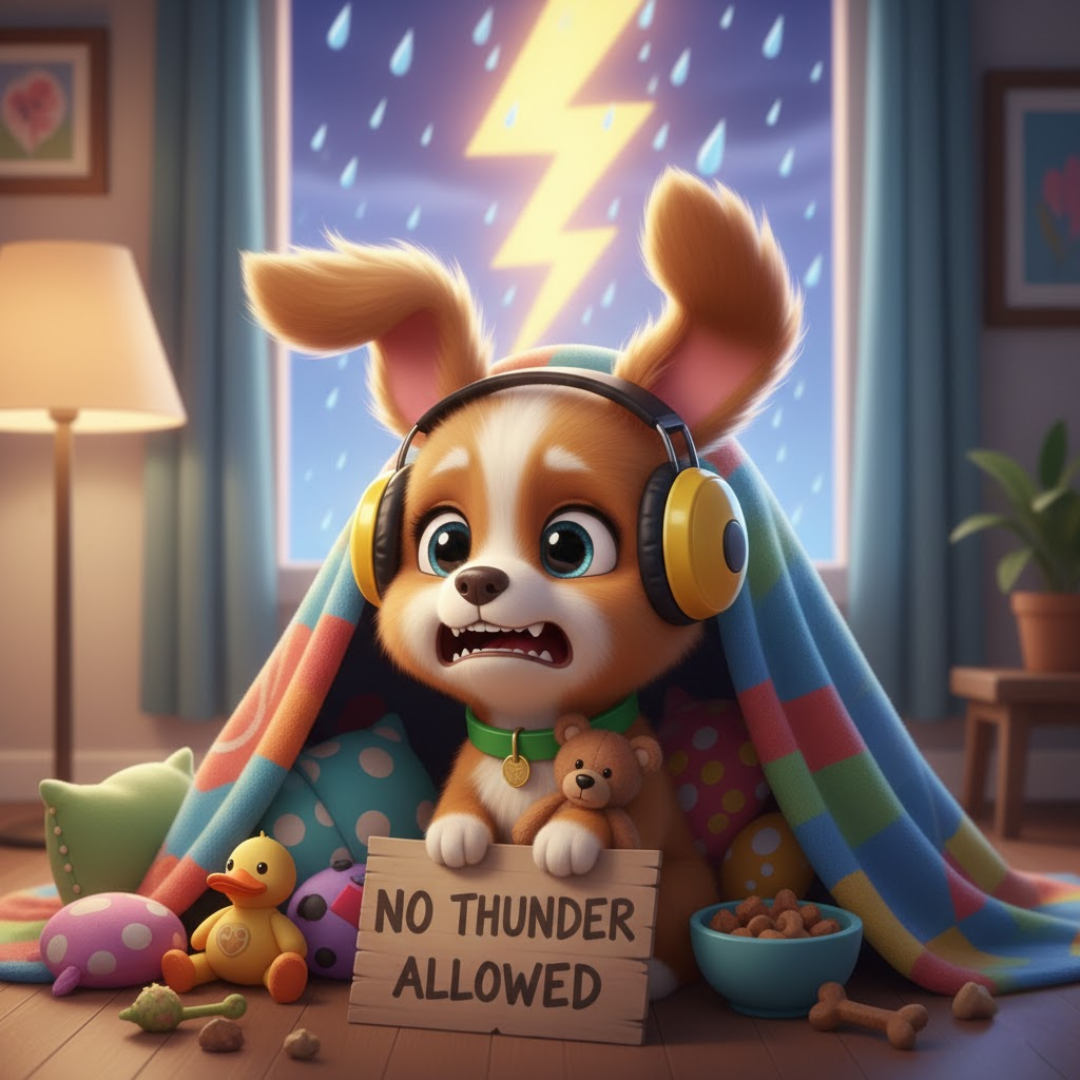
How To Help A Dog Scared Of Thunderstorms?
Have you ever noticed how your furry friend reacts during a thunderstorm? It’s not uncommon for dogs to be fearful of the loud noises, flashes of light, and the general sense of unease that comes with these natural weather phenomena. This fear can manifest in different ways, from mild anxiety to extreme panic. So, how do you help your dog cope when the sky starts rumbling? Let’s discuss some practical steps and techniques to make stormy weather a bit more bearable for your beloved pet.
Understanding Your Dog’s Fear of Thunderstorms
Understanding why your dog is scared of thunderstorms can be the first step in helping them. Dogs have highly sensitive hearing, leading them to perceive thunder as much louder than humans do. Moreover, they can sense changes in atmospheric pressure, static electricity, and even detect the metallic scent of lightning in the air. All these factors may contribute to their fear.
Signs of Thunderstorm Anxiety in Dogs
Understanding the signs of anxiety in dogs can help you address the issue proactively. Here are some common indicators that your dog might be frightened by a thunderstorm:
- Panting and Drooling: Increased panting and drooling can indicate stress.
- Pacing or Restlessness: Your pet may seem unable to settle down.
- Hiding or Seeking Comfort: Your dog might hide under furniture or cling to you.
- Barking or Whining: Vocalizing more than usual can be a reaction to fear.
- Destructive Behavior: Dogs might chew on furniture or scratch doors in their panic.
Recognizing these signs early can allow you to take steps to comfort your dog before their anxiety reaches a peak.
Preparing Your Home for a Thunderstorm
Creating a safe and calming environment in your home during a thunderstorm can significantly reduce your dog’s anxiety. Think of it as setting up a personal sanctuary for your pet to retreat to during stressful weather.
Safe Space Creation
Designate a specific area in your home where your dog can feel safe. This could be a room with minimal windows, a comfy crate, or a cozy corner filled with your dog’s favorite toys and blankets. The idea is to shield them from the intense sounds and sights of the storm.
Use of White Noise and Calming Music
Sound can play a significant role in calming an anxious dog. Consider playing calming music or using a white noise machine to drown out the sounds of the storm. Classical music is often recommended for its soothing properties.
| Sound Option | Description |
|---|---|
| Calming Music | Soft, instrumental music can soothe an anxious dog. |
| White Noise Machine | Helps mask the sound of thunder by creating a constant noise. |
| Nature Sounds | Gentle rainfall or forest sounds can be comforting. |
Scent and Lighting Adjustments
Scents such as lavender or chamomile can have calming effects on dogs. Consider using a diffuser with pet-safe essential oils to fill the room with a soothing aroma. In terms of lighting, keep the room dimly lit to avoid the startling flashes of lightning.
Techniques to Calm Your Dog During a Thunderstorm
Helping your dog through a thunderstorm involves more than just modifying their environment. Specific techniques can assist in keeping them calm and comfortable during the storm itself.
Desensitization and Counter-conditioning
Desensitization involves gradually acclimating your dog to the sounds of a thunderstorm by playing recordings of thunder at a low volume, gradually increasing it over time as they get used to the noise. Counter-conditioning, on the other hand, involves changing the association your dog makes with thunderstorms by pairing the sounds with positive experiences, such as treats or playtime.
Comforting Your Dog
While some suggest not to coddle your dog during a thunderstorm to prevent reinforcing fear, every dog is different. Some pets genuinely benefit from a bit of comfort, whether it’s sitting close to you, getting gentle strokes, or having you speak soothingly to them.
Pressure Wraps or Anxiety Vests
Products like the Thundershirt can provide your dog a sense of security. They work on the principle of pressure therapy, similar to swaddling an infant, which can help calm your pet. It’s worth experimenting with a pressure wrap to see if it makes a difference for your dog.
Natural Calming Remedies
There are various natural calming remedies you can try, from pet-safe herbal supplements to pheromone diffusers. Always consult your vet before introducing new supplements or products to ensure they are appropriate for your dog.
Professional Help for Severe Anxiety
Sometimes, anxiety during thunderstorms might be too severe for home methods to handle. If your dog continues to experience significant distress, it might be time to seek professional help.
Consultation with a Veterinarian
A veterinarian can assess whether there might be underlying health issues contributing to your dog’s anxiety. They can also offer advice on whether medication might be a suitable option for your pet.
Dog Trainer or Behavioral Specialist
Consider consulting a dog trainer or a canine behaviorist, especially if your dog’s fear has developed into a phobia that affects daily life. These professionals can provide targeted therapies and behavioral modification strategies catered to your dog’s specific needs.
The Role of Medication
In extreme cases, medication might be necessary to manage your dog’s anxiety during thunderstorms. This is typically considered a last resort, but it can offer relief for dogs who are significantly affected.
Types of Medications
There are several types of medications that might be prescribed for anxiety. Common options include:
| Medication Type | Description |
|---|---|
| Anti-anxiety drugs | Medications that help reduce anxiety responses. |
| Sedatives | Used to calm a dog temporarily, especially during a storm. |
| Anti-depressants | Can be effective if anxiety is a daily issue, not just during storms. |
Considerations and Side Effects
Any medication should be considered carefully, with attention to potential side effects and how they might affect your dog’s overall health. Your vet will guide you on dosages, potential interactions, and monitoring requirements.
Monitoring Thunderstorm Patterns
Being aware of upcoming weather changes can help you and your dog prepare to face them. This can materially reduce anxiety by removing the element of surprise.
Weather Apps and Alerts
Use weather apps or services to track impending storms in your area. Being informed allows you to start implementing calming strategies early, mitigating severe reactions.
Routine Establishment
Establishing a routine around thunderstorms can help your dog predict and cope with these events better. Actions such as closing drapes, turning on calming music, or preparing their safe space can signal to your dog that a storm is coming, helping them adjust accordingly.
Conclusion
Helping a dog scared of thunderstorms requires a thoughtful approach, combining environmental adjustments, techniques to calm, potential professional assistance, and, in some cases, medication. Understanding your pet’s unique needs and fear triggers will guide you in providing the support they need. While it may take time and patience, your efforts can lead to a happier, more comforted friend who knows they are safe no matter how loud the thunder gets. Your dog depends on your guidance, protection, and reassurance, so equip yourself with these strategies to help them weather many more storms to come, together.